Taj Mahal Entry Fee for Foreigners (Complete Guide)
13 May 2025
Planning a visit to the Taj Mahal is often the highlight of any India travel itinerary for foreigners, but one of the most important decisions travellers need to make is choosing the best time to visit Taj Mahal. Unlike many destinations where timing only affects comfort, in Agra, the time of year can completely change the experience — from weather conditions and crowd levels to visibility and photography opportunities.
The Taj Mahal India is an outdoor monument, which means your visit is directly influenced by temperature, sunlight, humidity, and even air quality. A clear morning with soft light offers a completely different experience compared to a hot afternoon or a foggy winter day. This is why understanding the Taj Mahal weather guide is essential before planning your trip.
Another factor that many travellers underestimate is crowd management. The Taj Mahal is one of the most visited landmarks in the world, and crowd levels vary significantly throughout the year. Choosing the right month helps ensure a smoother and more enjoyable Taj Mahal visit experience.
For international travellers, especially those planning a Golden Triangle India tour, timing also affects the entire itinerary. Visiting during the wrong season can make travel uncomfortable, while the right timing enhances the overall journey.
This detailed guide breaks down the best time to visit Taj Mahal month by month, helping you understand weather conditions, travel comfort, crowd patterns, and the overall experience during each part of the year. The goal is simple — help you plan a visit that is comfortable, memorable, and perfectly timed.
What may seem like a higher daily expense often replaces multiple smaller costs and saves valuable time.
Chat On WhatsApp Contact UsWinter is widely considered the best time to visit Taj Mahal for foreign tourists, especially for those coming from countries with cooler climates. The temperatures during this period are much more comfortable compared to the extreme heat of summer, making it ideal for sightseeing and travel.
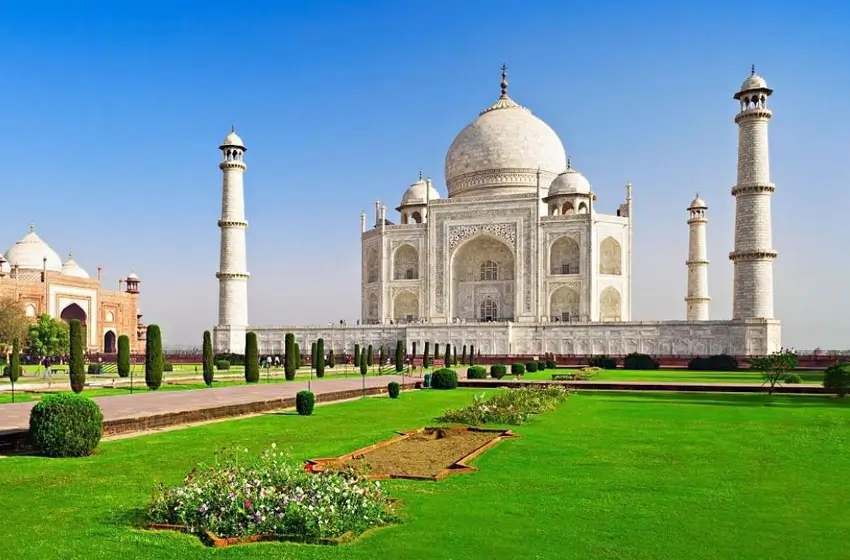
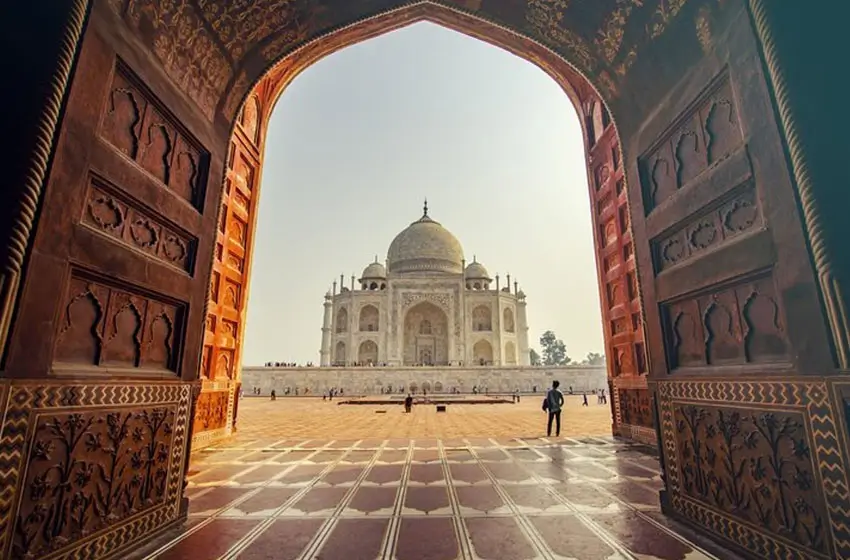
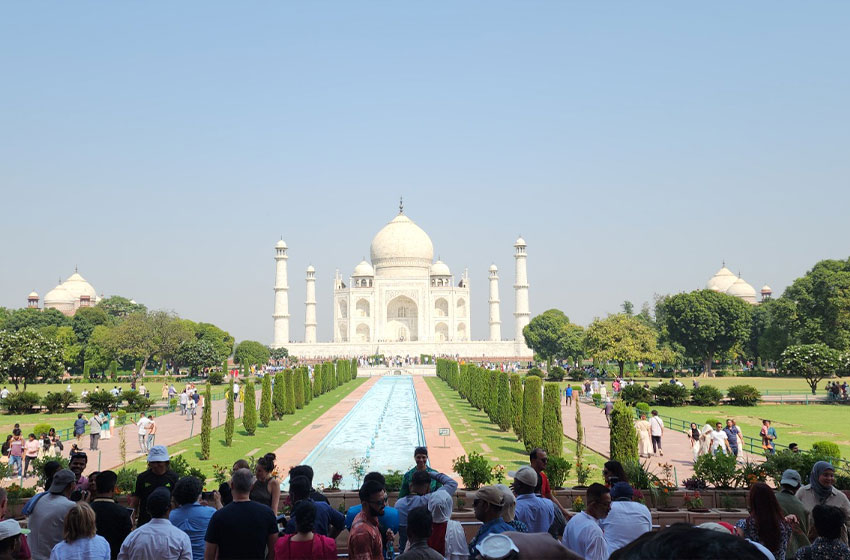
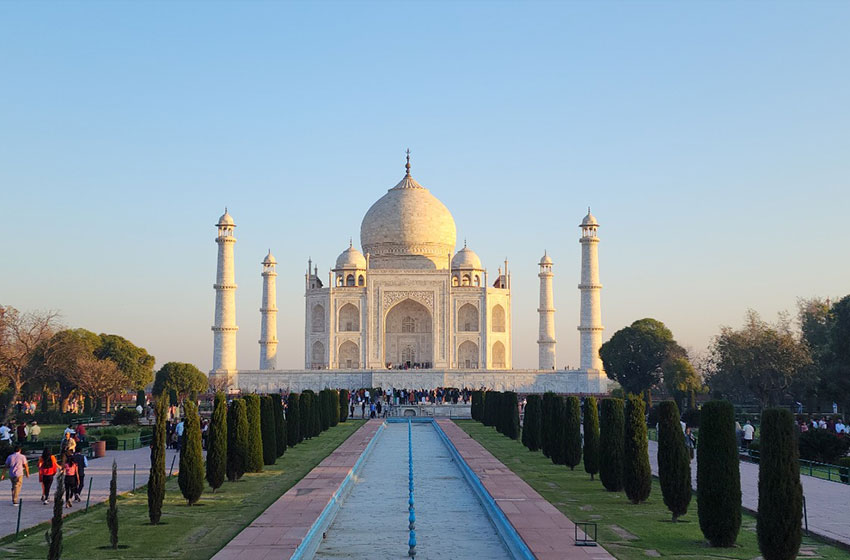
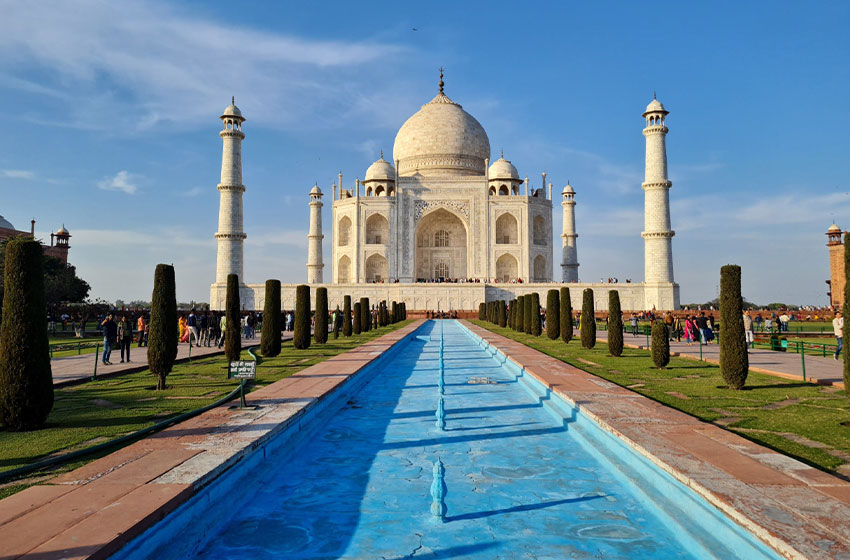
From October to November, the weather is pleasant, with clear skies and moderate temperatures. This is one of the most recommended periods for a Taj Mahal travel guide for foreigners, as visibility is generally good and the environment feels comfortable throughout the day. Early mornings during this time offer soft sunlight, which enhances the beauty of the marble structure.
December and January bring cooler temperatures, sometimes dropping significantly in the early morning. While this may sound appealing, one important factor to consider is fog. During peak winter, especially in late December and January, fog can affect visibility. Many travellers planning a sunrise Taj Mahal visit may find that the monument is partially or completely hidden in the mist during early hours.
Despite the fog, winter remains a popular season. The overall comfort of walking around the monument, exploring Agra, and continuing a Golden Triangle India itinerary makes it a preferred choice for many travellers. Afternoon visits during this period often provide clearer views compared to early mornings.
Another advantage of winter travel is that the entire North India region becomes more comfortable. Cities like Delhi and Jaipur also experience pleasant weather, making it easier to plan a complete India travel itinerary including Taj Mahal.
Crowds, however, can be high during this period, especially around holidays and peak tourist months. Booking tickets in advance and choosing early morning or late afternoon slots helps manage this.
Overall, winter offers a balanced experience — comfortable weather, manageable travel conditions, and good overall visibility, making it one of the most recommended seasons for a Taj Mahal visit for foreigners.
Summer is often considered the least preferred season for a Taj Mahal tour from Delhi, primarily due to the intense heat. However, this season also comes with certain advantages that can appeal to specific types of travellers.
From March onwards, temperatures begin to rise, and by April and May, the heat can become extreme. Daytime temperatures can exceed 40°C, making sightseeing physically demanding. Walking around the Taj Mahal complex during midday can be uncomfortable, especially for travellers not used to such conditions.
Despite the heat, summer offers one major advantage — fewer crowds. Since many travellers avoid this season, the monument is less crowded, allowing for a more peaceful Taj Mahal travel experience. This can be particularly appealing for those who prioritise photography or prefer quieter environments.
Another benefit of summer travel is cost. Hotels, flights, and tour packages are often more affordable during this period. For travellers planning a budget India trip including Taj Mahal, summer can offer better deals compared to peak seasons.
The key to managing summer travel is timing. Early morning visits are strongly recommended. Arriving at sunrise allows you to experience the monument before temperatures rise significantly. Late afternoon visits are also an option, as the heat begins to decrease.
Hydration and preparation are essential. Carrying water, wearing light clothing, and avoiding midday exposure help ensure a more comfortable Taj Mahal visit in summer.
While summer may not be ideal for everyone, it can still offer a rewarding experience for travellers who plan carefully and are prepared for the conditions.
Monsoon season brings a completely different atmosphere to the Taj Mahal travel experience. While rain can sometimes disrupt plans, it also transforms the surroundings in a unique way.
During this period, the landscape around Agra becomes greener, and the sky often fills with dramatic clouds. This creates a different visual experience compared to the clear skies of winter. For photographers, the Taj Mahal monsoon view can be particularly striking.
Rainfall is usually not continuous throughout the day. There are often clear intervals between showers, allowing visitors to explore the monument. However, it is important to remain flexible with your schedule when planning a Taj Mahal visit during monsoon.
One advantage of this season is reduced crowd levels. Fewer tourists visit during the monsoon, making it easier to explore the monument without heavy congestion. This can enhance the overall Taj Mahal travel experience for foreigners.
Temperatures during this period are lower than summer but combined with humidity, it can feel warm. Light clothing and proper planning help manage this.
Another benefit is the softer lighting conditions. Cloud cover reduces harsh sunlight, creating a more even and balanced look for photographs.
While monsoon may not be the first choice for most travellers, it offers a unique perspective of the Taj Mahal that is different from other seasons.
What may seem like a higher daily expense often replaces multiple smaller costs and saves valuable time.
Chat On WhatsApp Contact UsApart from choosing the right season, selecting the right time of day is equally important for a Taj Mahal visit guide. The monument looks different depending on lighting conditions, crowd levels, and overall atmosphere.
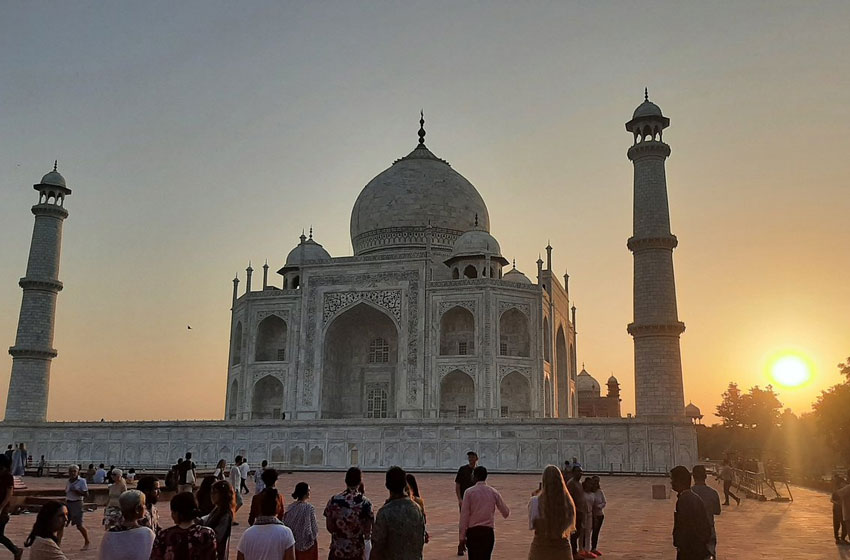
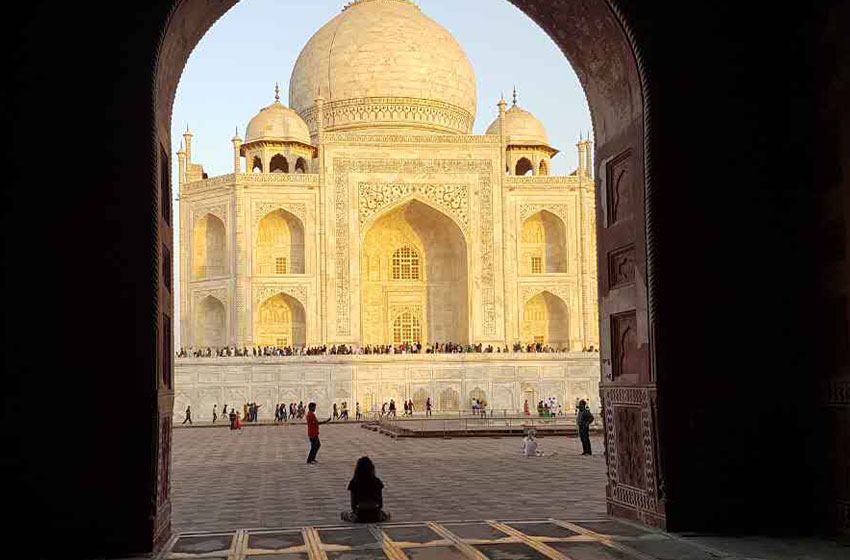
Sunrise is often considered the best time for a Taj Mahal visit for foreigners. The soft golden light enhances the beauty of the marble, and the crowd levels are relatively lower compared to later in the day. This is also the best time for photography.
However, sunrise visits require early planning. Travellers need to arrive before opening time, which can be challenging but rewarding.
Sunset is another popular option. The changing colours of the sky create a different visual effect, making the monument appear warmer in tone. While crowds are usually higher than sunrise, the experience remains memorable.
Midday visits are generally less recommended due to harsh sunlight and higher temperatures. The lighting is not ideal for photography, and the heat can reduce comfort.
Choosing the right time of day ensures that your Taj Mahal travel experience matches your expectations.
Timing affects weather, crowds, and overall experience, making it a key part of planning.
The best time is generally between October and March, when the weather is comfortable and suitable for sightseeing. This period offers the most balanced Taj Mahal travel experience, especially for foreign tourists.
Sunrise is often preferred because of softer light and fewer crowds. However, sunset also offers a unique atmosphere with warm tones.
Yes, but it requires planning. Early morning visits and proper preparation can make a Taj Mahal summer visit manageable.
Yes, especially in December and January. Fog can reduce visibility during early morning visits.
Monsoon offers fewer crowds and unique views, making it suitable for travellers seeking a different experience.
Crowds can be high during winter months, especially holidays. Planning early visits helps avoid congestion.
Sunrise offers the best lighting conditions for photography.
Most visitors spend 2 to 3 hours exploring the monument.
It is closed on Fridays.