Taj Mahal Entry Fee for Foreigners (Complete Guide)
13 May 2025
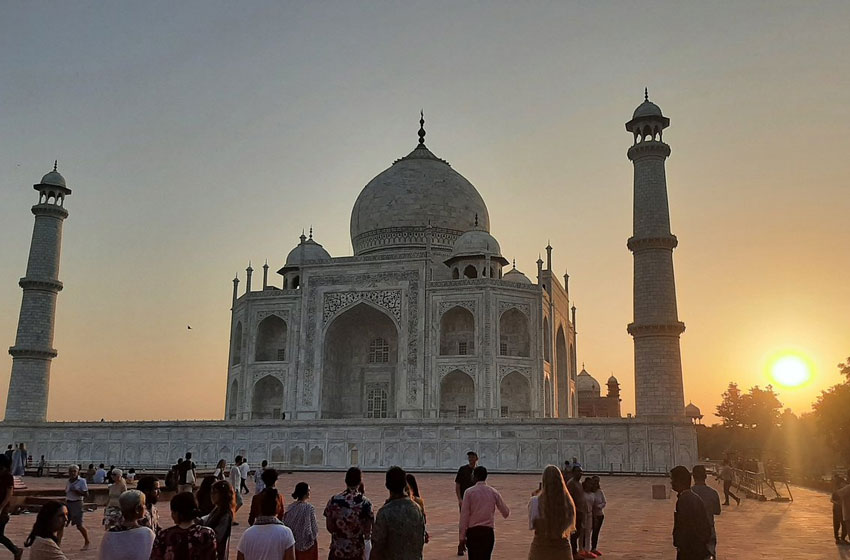
Top Things to Do in Agra Beyond the Taj Mahal – Complete Travel Guide
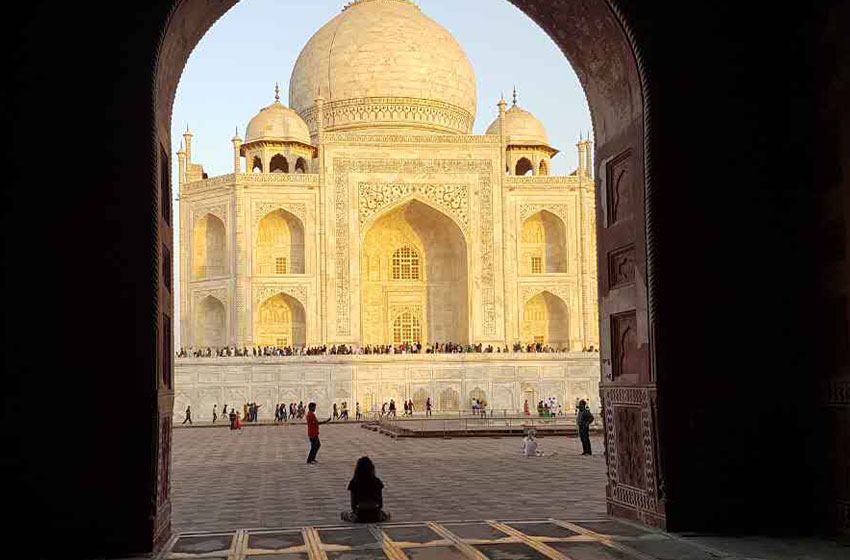
Agra is globally recognized as the city of the Taj Mahal, yet reducing Agra to a single monument does not do justice to its layered history, vibrant culture, and architectural legacy. Long before Agra became synonymous with the Taj Mahal, it was a powerful Mughal capital, a thriving center of art, trade, and craftsmanship. Travelers who spend time beyond the Taj Mahal discover a city that reveals stories of emperors, artisans, spiritual traditions, and everyday life shaped by centuries of influence.
Exploring things to do in Agra beyond the Taj Mahal opens a deeper perspective of India’s heritage. The city rewards travelers who slow down, walk through its old quarters, interact with local communities, and step into monuments that played crucial roles in shaping Indian history. Agra offers experiences that balance history, culture, cuisine, and local life, making it far richer than a short photo stop.
Agra Fort and the Mughal Seat of Power
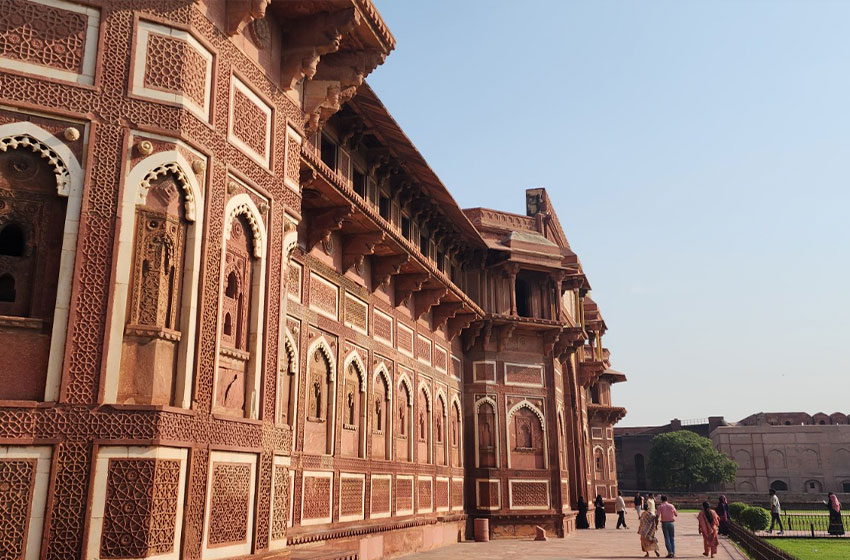
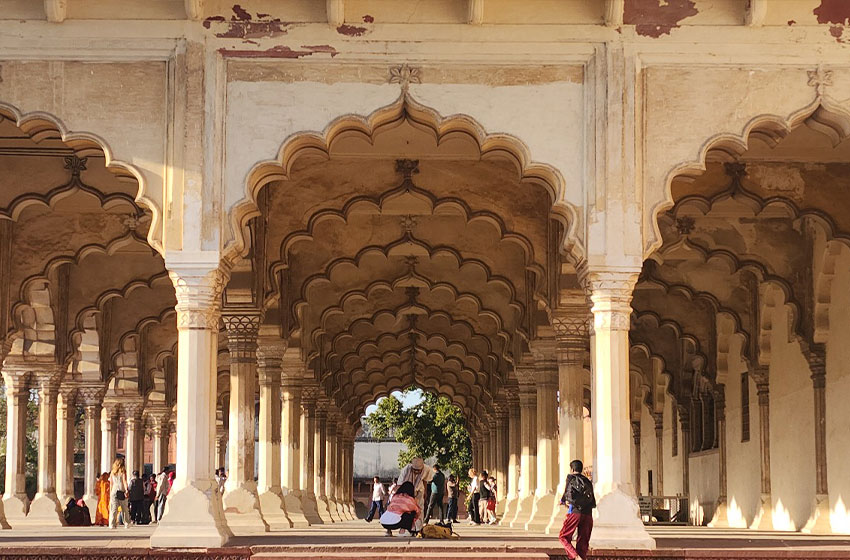
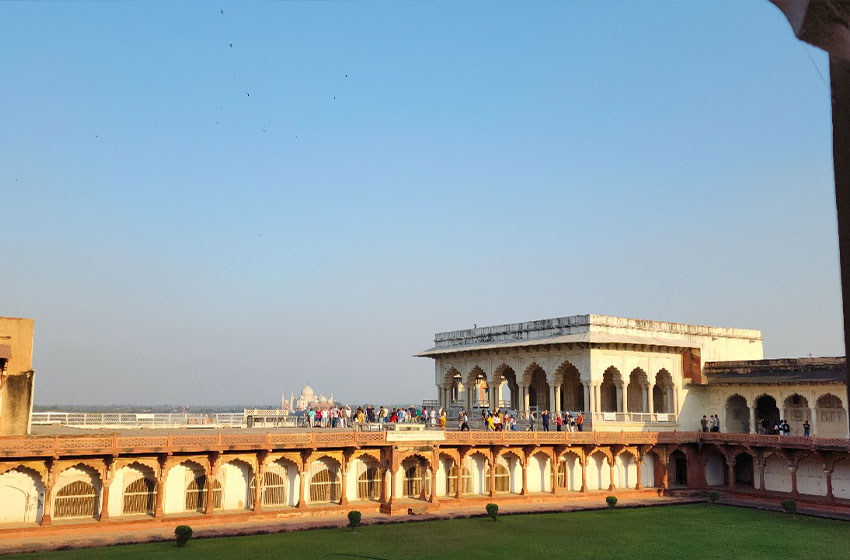
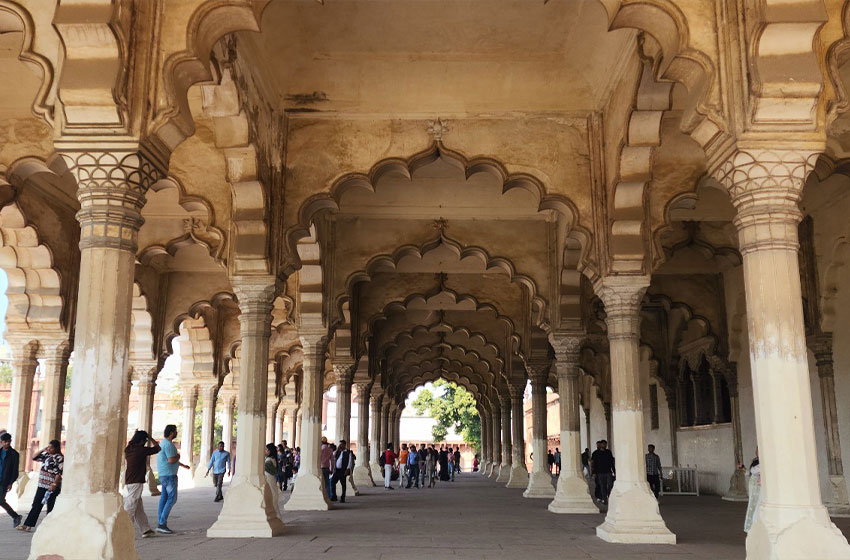
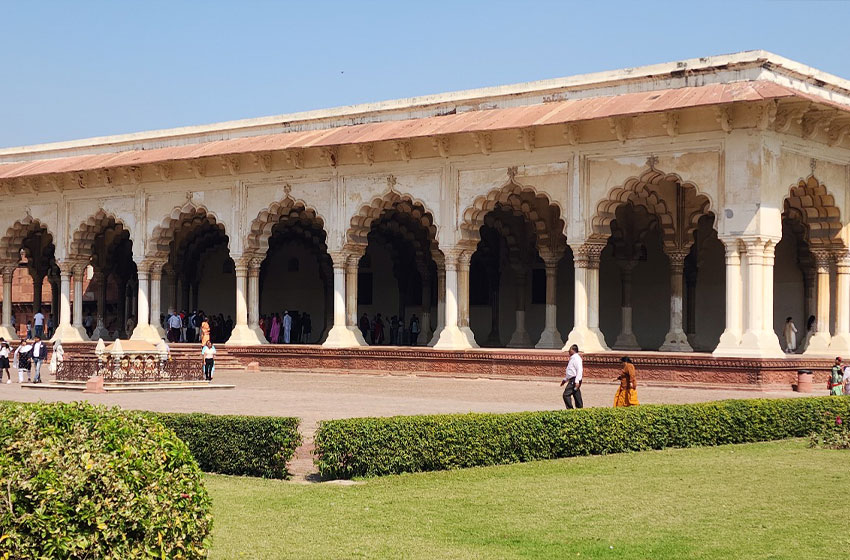
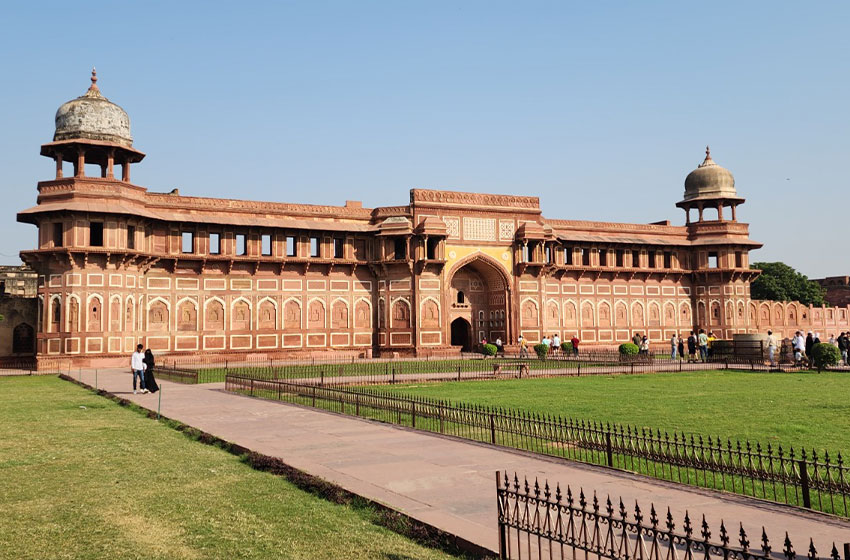
Agra Fort stands as one of the most important Mughal structures in India. Built with red sandstone and later enhanced with marble palaces, the fort served as the administrative and residential center of the Mughal Empire. Walking through its gates reveals courtyards, royal halls, mosques, and balconies overlooking the Yamuna River.
Exploring Agra Fort sightseeing allows visitors to understand how emperors ruled, how royal families lived, and how political power was exercised. The fort also provides direct visual alignment with the Taj Mahal, highlighting the emotional and historical connection between these two monuments. Travelers interested in Mughal architecture in Agra find Agra Fort indispensable.
Itmad-ud-Daulah and the Marble Legacy
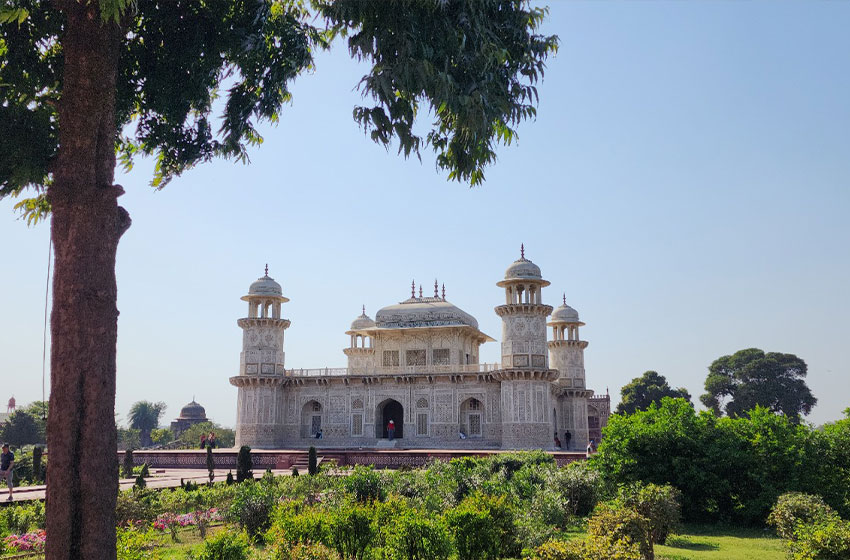
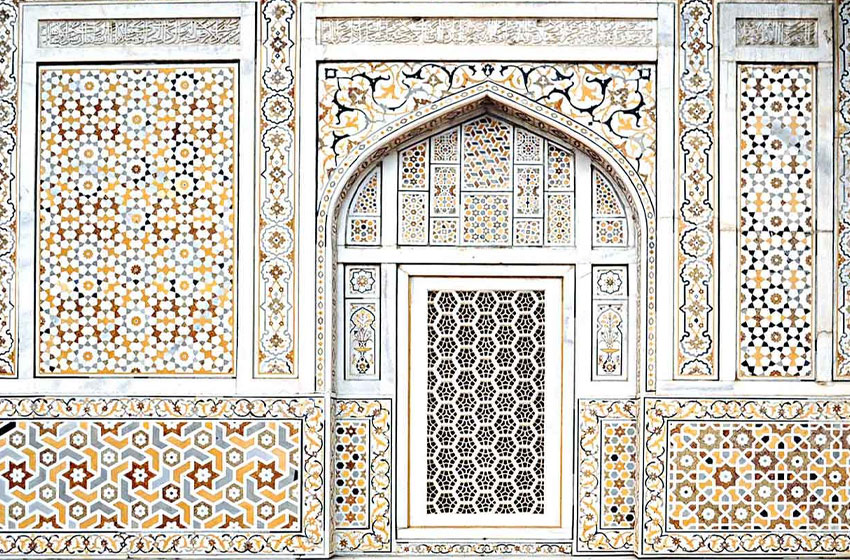
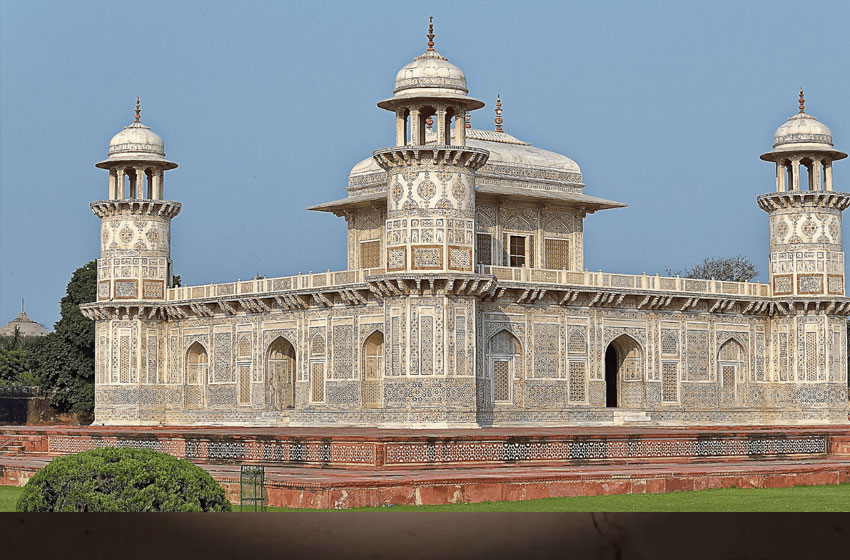
Often referred to as the Baby Taj, the tomb of Itmad-ud-Daulah represents a turning point in Mughal architecture. It was among the first Mughal monuments built entirely from white marble and introduced intricate inlay work later perfected at the Taj Mahal. This monument offers a quieter, more intimate experience compared to larger sites. Travelers exploring hidden places in Agra appreciate the peaceful gardens, delicate craftsmanship, and artistic details that showcase the Mughal aesthetic in its evolving phase.
Mehtab Bagh and Riverfront Perspectives
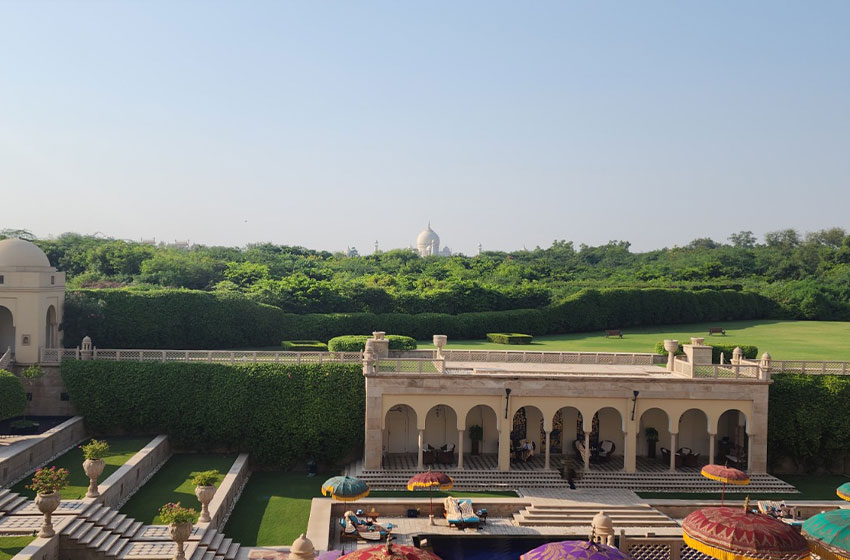
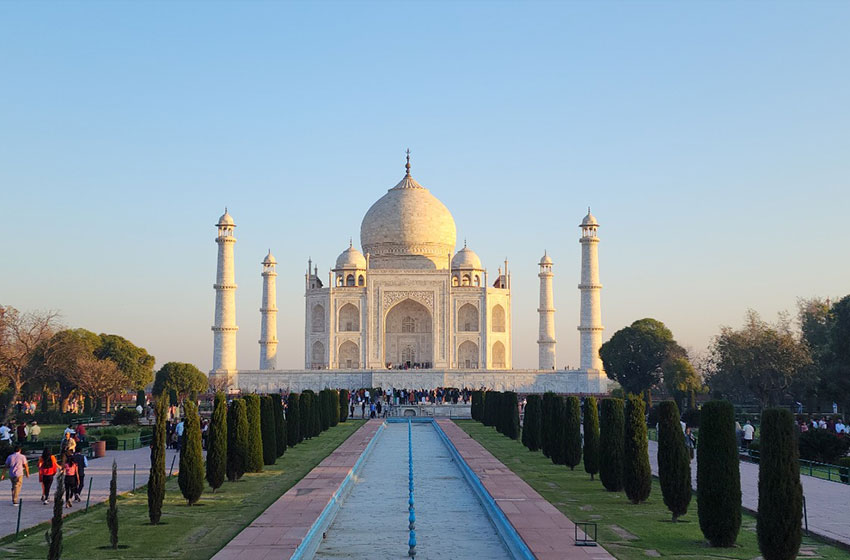
Located across the Yamuna River, Mehtab Bagh provides a symmetrical garden layout designed to mirror the Taj Mahal. Visiting this site allows travelers to enjoy serene views without the crowds, especially during sunset hours.
For photographers and travelers seeking calm experiences, Mehtab Bagh remains one of the most rewarding things to do in Agra. The garden also offers insight into Mughal landscape planning and environmental symmetry.
Fatehpur Sikri and the Abandoned Capital
A short drive from Agra leads to Fatehpur Sikri, an entire city built by Emperor Akbar and later abandoned. The city’s palaces, courtyards, mosques, and administrative buildings reflect an ambitious vision of governance and cultural integration.
Exploring Fatehpur Sikri is essential for travelers interested in heritage sites near Agra. The complex reveals how Mughal rulers experimented with architecture, religion, and administration on a grand scale.
Old Agra Walks and Local Life
Beyond monuments, Agra’s old city offers a living museum of daily life shaped by centuries of tradition. Narrow lanes, local bazaars, traditional homes, and street vendors reveal how communities have coexisted alongside grand monuments.
Participating in heritage walks in Agra allows travelers to experience authentic culture, local conversations, and traditional lifestyles rarely seen on standard tours. These walks highlight the human side of Agra beyond imperial history.
Agra’s Local Markets and Handicrafts
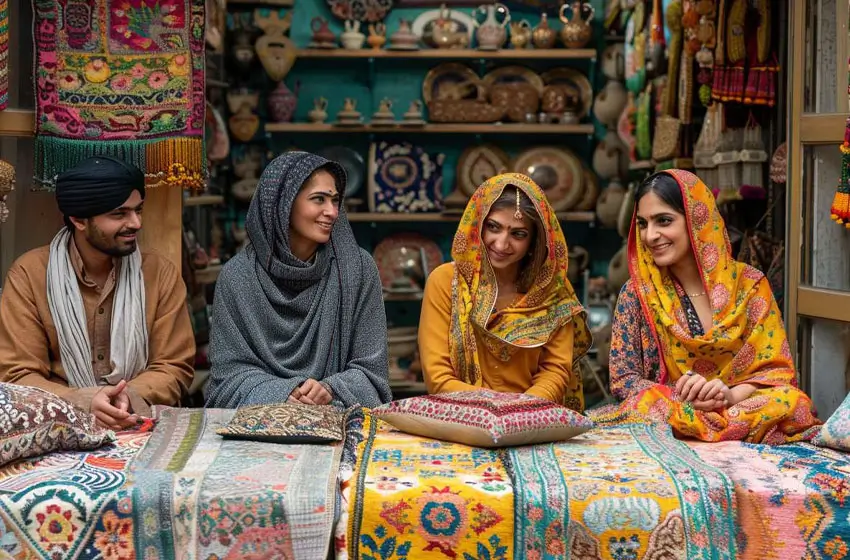
Agra has long been known for marble inlay work, leather goods, textiles, and handicrafts. Exploring local markets offers insight into artisanal traditions passed down through generations.
Shopping experiences focused on Agra handicrafts allow travelers to understand craftsmanship techniques, material sourcing, and cultural symbolism behind each product. Ethical shopping with informed guidance supports local artisans directly.
Mughal Cuisine and Culinary Experiences
Agra’s food culture reflects its Mughal heritage. Traditional dishes combine slow-cooked meats, aromatic spices, and refined techniques developed in royal kitchens.
Exploring local food in Agra includes visiting traditional eateries, sampling regional sweets, and understanding how Mughal culinary traditions continue to influence North Indian cuisine today. Food-focused experiences add depth to cultural exploration.
Religious and Spiritual Sites in Agra
Agra is home to important temples, mosques, and spiritual centers representing diverse faiths. Visiting these sites reveals how religious communities have shaped the city’s identity over centuries.
Exploring spiritual places in Agra offers quiet reflection and cultural understanding, adding balance to monument-heavy itineraries.
Village Experiences Around Agra
Rural areas surrounding Agra provide insight into agricultural traditions, village life, and local craftsmanship. These experiences contrast sharply with monumental architecture and offer authentic cultural engagement.
Travelers interested in cultural experiences near Agra gain perspective on daily life beyond urban tourism zones.
Sunrise and Sunset Experiences Beyond the Taj
Agra offers multiple scenic spots beyond the Taj Mahal to enjoy changing light and atmosphere. Gardens, riverbanks, and elevated viewpoints allow travelers to experience the city at its most peaceful moments.
These experiences appeal to travelers seeking slow travel in Agra rather than rushed sightseeing.
Art, Music, and Cultural Performances
Traditional music, dance, and storytelling performances in Agra reflect regional heritage and Mughal influence. Attending cultural programs enhances understanding of artistic traditions.
Experiences centered on Agra cultural performances add emotional depth to historical exploration.
Museums and Educational Spaces
Agra’s museums preserve artifacts, manuscripts, and visual documentation related to Mughal history and local culture. These spaces offer context that enriches monument visits.
Exploring museums in Agra supports a more informed and layered understanding of the city.
Architectural Details and Symbolism
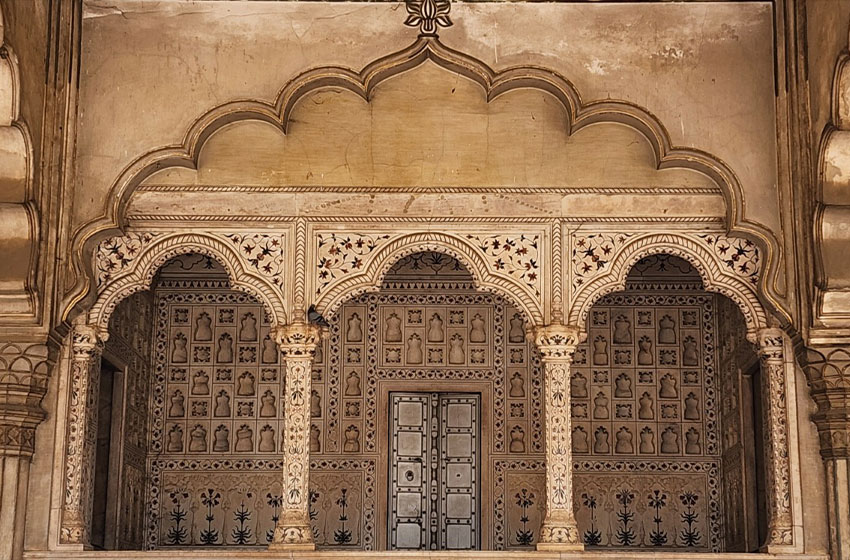
Many visitors overlook the symbolic language embedded in Mughal architecture. Floral motifs, calligraphy, spatial planning, and symmetry reflect philosophical and spiritual ideas.
Travelers who explore Mughal architectural symbolism gain deeper appreciation for Agra’s monuments beyond surface beauty.
Photography and Visual Storytelling
Agra offers endless opportunities for visual storytelling beyond iconic Taj shots. Streets, textures, people, and architectural fragments provide compelling narratives.
Photography-focused travelers exploring Agra beyond the Taj Mahal find diverse subjects that reflect the city’s soul.
Slow Exploration and Time-Based Discovery
Agra rewards travelers who spend time observing daily rhythms, morning routines, evening gatherings, and local interactions. Slow exploration reveals layers that fast-paced itineraries miss.
Choosing slow travel in Agra transforms the city into an immersive cultural experience rather than a checklist destination.
Agra offers forts, gardens, markets, heritage walks, food experiences, museums, and nearby historic cities.
Yes, exploring things to do in Agra beyond the Taj Mahal easily requires multiple days for a complete experience.
Yes, gardens, riverfronts, heritage walks, and lesser-known monuments provide peaceful experiences.
Agra offers food traditions, artisan interactions, village visits, and cultural performances.
Yes, it is one of the most important heritage sites near Agra.
Yes, especially when explored with informed guidance and cultural awareness.
Yes, many experiences beyond the Taj Mahal are suitable for all age groups.
Absolutely, the city offers rich visual storytelling opportunities.
Yes, many traditional dishes are accessible and culturally enriching.
Yes, exploring old neighborhoods and markets reveals authentic local life.