Taj Mahal Entry Fee for Foreigners (Complete Guide)
13 May 2025
Why the Taj Mahal Is One of the Seven Wonders of the World
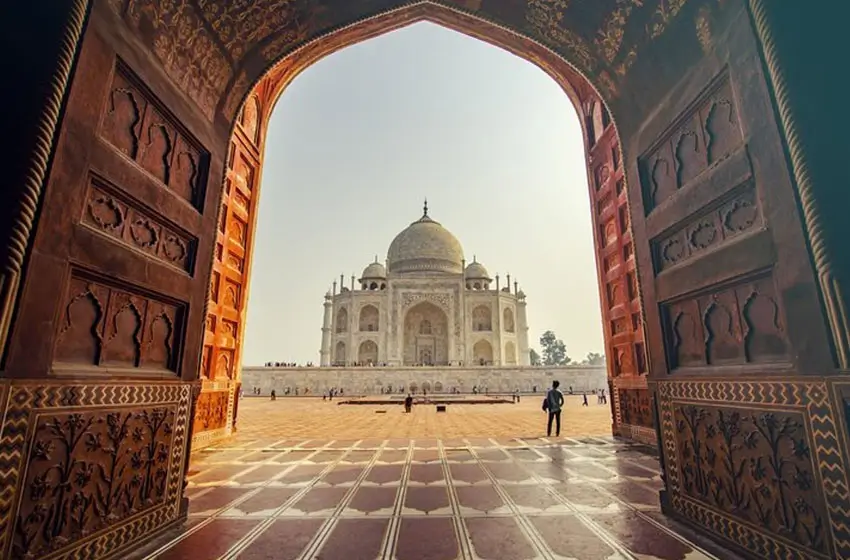
The Taj Mahal is not simply a monument; it is a global symbol of human creativity, devotion, and architectural perfection. Across continents, cultures, and generations, the Taj Mahal has come to represent far more than stone and marble. It stands as a universal expression of emotion, balance, and artistic vision, earning its place among the Seven Wonders of the World through timeless relevance rather than popularity alone.
The recognition of the Taj Mahal as a world wonder is rooted in its extraordinary combination of historical depth, architectural mastery, symbolic meaning, and cultural influence. Unlike many landmarks admired for scale or age, the Taj Mahal captivates because of its harmony, precision, and emotional resonance. Each element of the monument contributes to a narrative that transcends geography and language.
Historical Significance That Shaped Global Recognition
The Taj Mahal was commissioned by Mughal Emperor Shah Jahan as a memorial to his wife Mumtaz Mahal. This act of remembrance transformed personal grief into one of the most iconic structures ever created. The monument reflects a period when art, architecture, and philosophy were deeply intertwined with governance and cultural identity.
Understanding why the Taj Mahal is a world wonder requires acknowledging its historical context. Built during the height of the Mughal Empire, the monument represents an era of refined craftsmanship, advanced engineering, and cultural synthesis. Persian, Islamic, Central Asian, and Indian artistic traditions were blended seamlessly, creating a structure that feels universal rather than regional.
The Taj Mahal also represents continuity of memory. Centuries after its construction, it continues to convey the same emotional message, demonstrating how architecture can preserve human experience across time.
From early morning departures to guided sightseeing, a well-planned tour from Delhi ensures you make the most of your visit.
Chat On WhatsApp Contact UsArchitectural Balance and Mathematical Precision
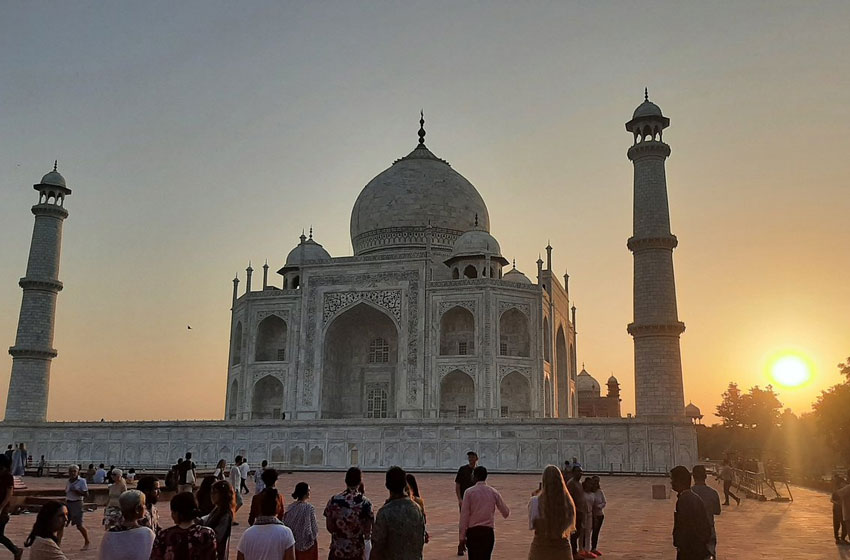
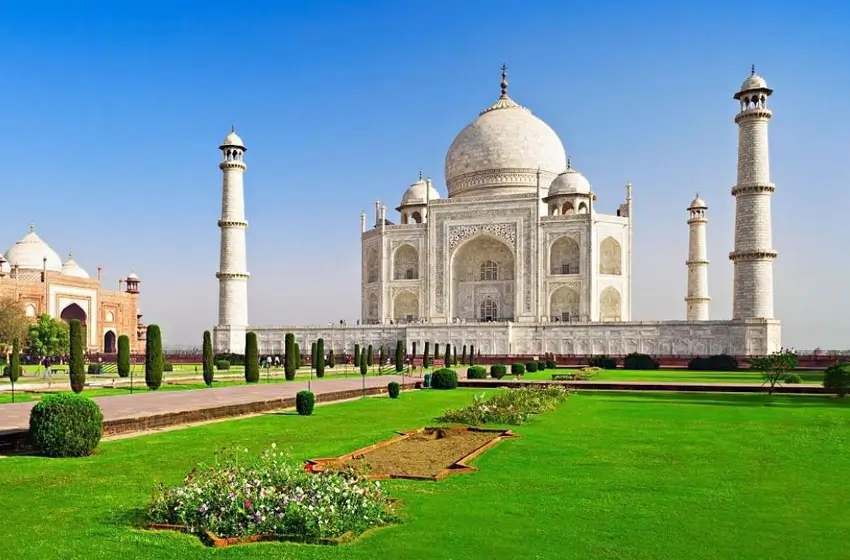
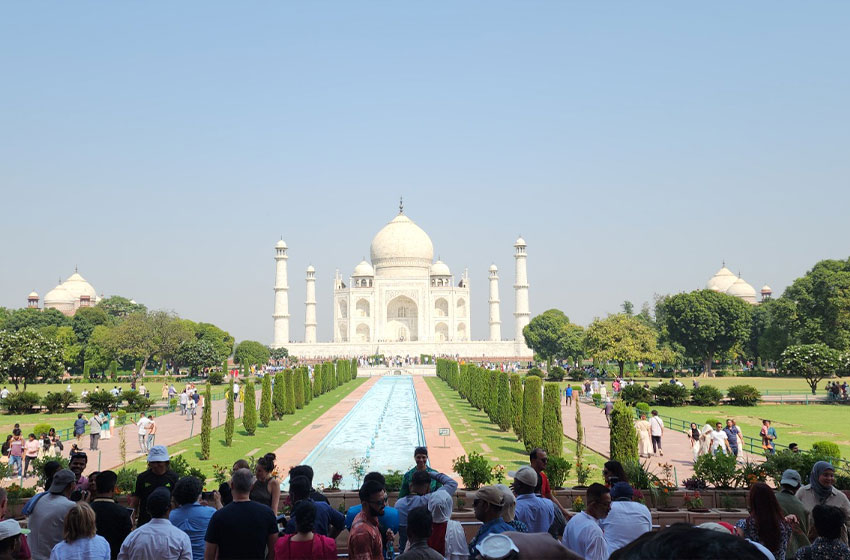
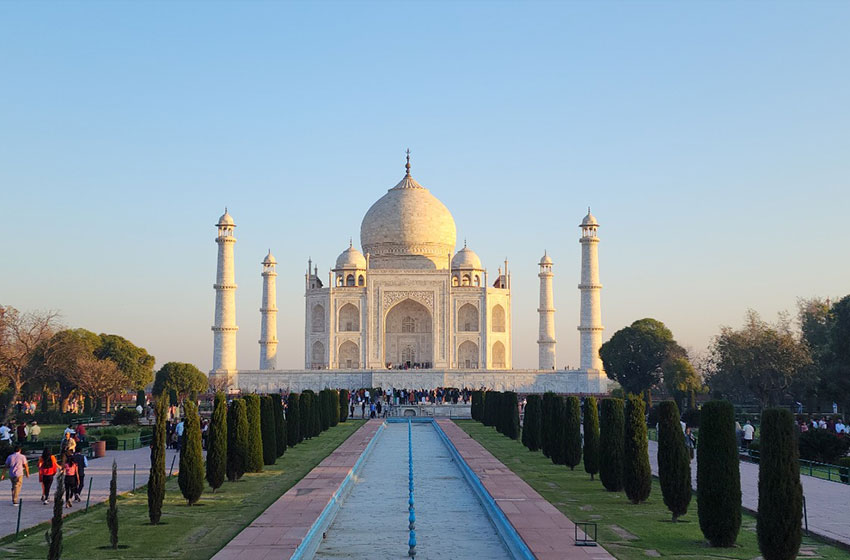
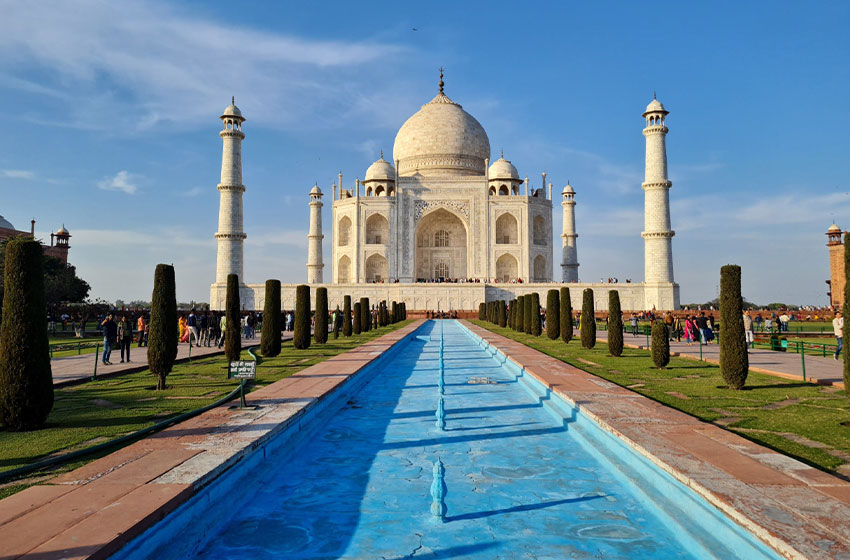
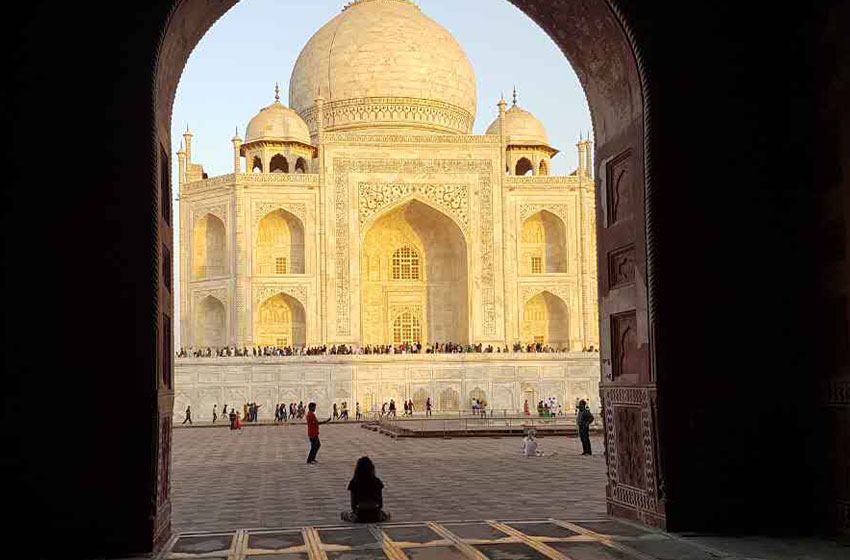
One of the most compelling reasons the Taj Mahal is counted among the Seven Wonders of the World lies in its architectural symmetry. Every element of the monument is balanced with extraordinary precision. From the placement of minarets to the alignment of domes and gateways, the structure follows geometric harmony rarely achieved in large-scale architecture.
The monument’s design ensures visual balance from every angle. Even the slight outward tilt of the minarets was engineered deliberately to protect the main mausoleum in case of structural failure. Such foresight reflects advanced engineering understanding long before modern technology.
The Taj Mahal’s architectural planning demonstrates why it is often described as a masterpiece of Mughal architecture and global design excellence.
Unmatched Marble Craftsmanship
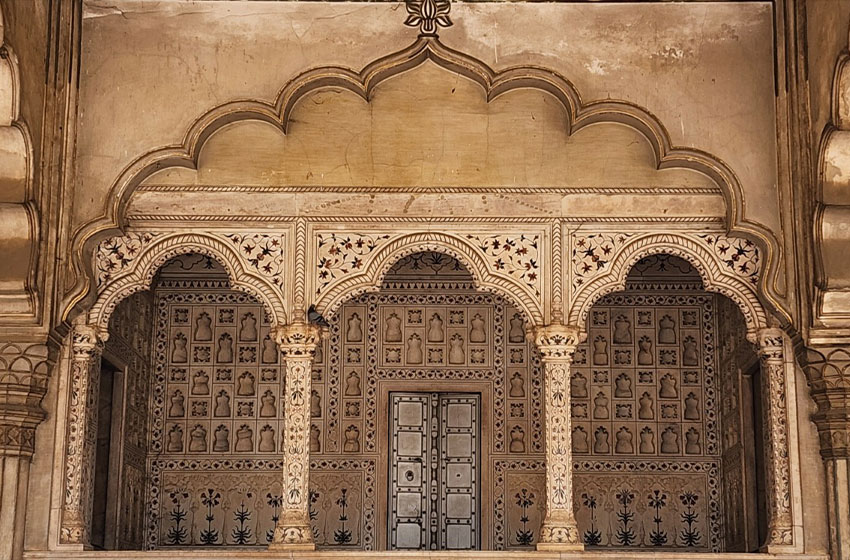
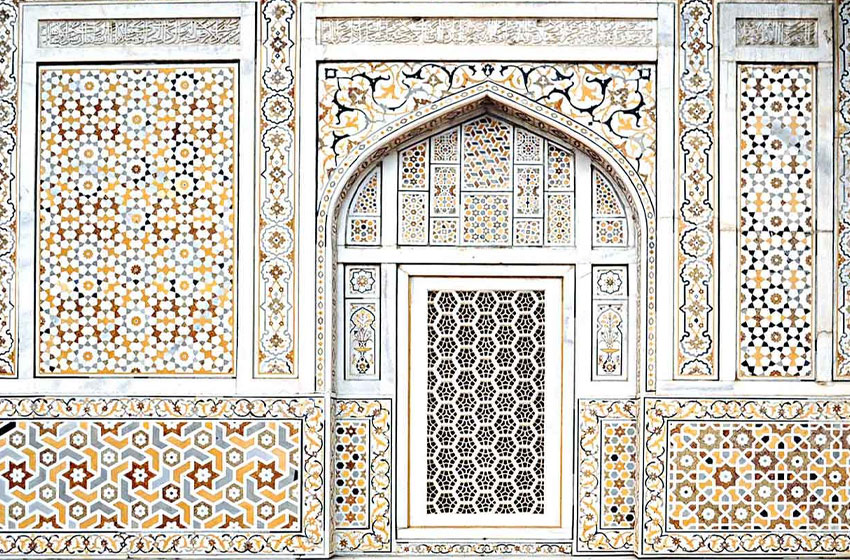
The Taj Mahal’s white marble surface is not merely decorative; it is a canvas of intricate artistry. Semi-precious stones were inlaid into marble using techniques that demanded extreme precision and patience. Floral patterns, calligraphy, and geometric motifs were carved and embedded by skilled artisans over many years.
This level of craftsmanship plays a vital role in explaining why the Taj Mahal is one of the Seven Wonders of the World. The monument reflects human dedication to perfection, where even microscopic details were given equal importance as grand structural elements.
The marble itself reacts to light throughout the day, subtly changing shades from dawn to dusk. This dynamic quality adds a living dimension to the monument, reinforcing its timeless appeal.
Symbolism Embedded in Design
The Taj Mahal is rich with symbolic meaning. Its layout represents ideas of paradise described in Islamic tradition, with gardens divided into symmetrical sections symbolizing harmony and eternal peace. Water channels reflect the structure, creating visual metaphors of balance between the earthly and the spiritual.
Calligraphic inscriptions from sacred texts were carefully scaled so that letters appear uniform from ground level, regardless of height. This deliberate optical illusion demonstrates artistic intelligence and philosophical intent.
These symbolic layers elevate the Taj Mahal beyond architecture into the realm of storytelling, reinforcing its status as a world wonder that communicates meaning without words.
Emotional Universality and Human Connection
Few monuments evoke emotion as universally as the Taj Mahal. While many historical structures represent power or conquest, the Taj Mahal represents love, loss, and remembrance. This emotional foundation allows people from diverse backgrounds to connect with the monument on a personal level.
The story behind the Taj Mahal contributes significantly to why people visit the Taj Mahal from around the world. It is not only admired for beauty but for the human narrative it embodies. This emotional universality is a defining trait of world wonders.
Global Cultural Impact
The Taj Mahal has influenced art, literature, cinema, and popular culture worldwide. It appears in poetry, travel literature, films, and visual arts as a symbol of devotion and beauty. Its silhouette is instantly recognizable across cultures.
This widespread cultural presence reinforces why the Taj Mahal is considered a global icon. A world wonder must transcend local significance, and the Taj Mahal accomplishes this through continuous representation in global imagination.
Engineering Achievement of Its Era
Beyond aesthetics, the Taj Mahal reflects remarkable engineering capabilities. Its foundation was designed to support immense weight near a riverbank, requiring innovative construction techniques. Materials were sourced from distant regions, transported through complex logistical systems.
The precision with which massive marble blocks were placed and aligned demonstrates advanced project coordination long before modern machinery. Such achievement strengthens the case for why the Taj Mahal is one of the greatest architectural wonders ever built.
Preservation and Enduring Relevance
Despite centuries of exposure to environmental factors and human activity, the Taj Mahal continues to stand with remarkable integrity. Ongoing conservation efforts ensure that its beauty and structure are preserved for future generations.
The monument’s ability to remain relevant and admired across centuries is central to why it is counted among the Seven Wonders of the World. Timeless relevance is a defining characteristic of any world wonder.
Comparison with Other World Wonders
When compared with other wonders, the Taj Mahal distinguishes itself through refinement rather than scale. While some wonders impress through size or age, the Taj Mahal impresses through balance, artistry, and emotional depth.
This distinction highlights why the Taj Mahal stands unique among the Seven Wonders of the World, representing elegance rather than dominance.
Travel with clear pricing and reliable arrangements for a memorable journey..
Chat On WhatsApp Contact UsSpiritual and Philosophical Dimensions
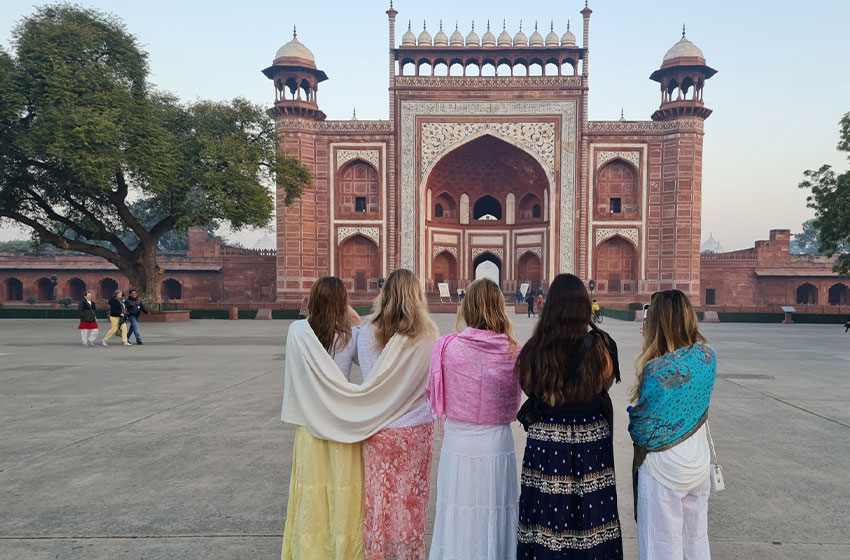
The Taj Mahal’s design encourages reflection and contemplation. The gradual progression through gateways, gardens, and reflective pools creates a journey that mirrors spiritual introspection.
This philosophical dimension contributes to why the Taj Mahal is more than a monument. It functions as an experiential space that guides visitors through emotion, symmetry, and silence.
Tourism and Global Engagement
Millions of visitors travel annually to witness the Taj Mahal, making it one of the most visited heritage sites worldwide. This global engagement reflects sustained fascination rather than temporary popularity.
The Taj Mahal’s role in global tourism reinforces why it remains one of the Seven Wonders of the World recognized across cultures and generations.
Educational and Cultural Value
The monument serves as a living classroom for architecture, history, art, and cultural studies. Scholars, students, and travelers gain insight into Mughal society and artistic philosophy through its study.
This educational value further supports why the Taj Mahal holds world wonder status.
The Taj Mahal combines architectural perfection, emotional symbolism, and cultural influence unmatched by most monuments.
Its balance, refinement, and emotional narrative distinguish it from scale-driven monuments.
Yes, it is the only monument from India recognized among the Seven Wonders of the World.
Architecture, symbolism, craftsmanship, and emotional impact together justify its recognition.
Its universal message of love and beauty resonates across cultures.
It represents a peak period of Mughal art, culture, and governance.
Symbolic design elements transform the monument into a philosophical expression.
Its timeless appeal ensures continued global admiration.
Yes, the marble inlay work and detailing reflect extraordinary human skill.
It serves as a benchmark for architectural harmony and cultural storytelling.