Taj Mahal Entry Fee for Foreigners (Complete Guide)
13 May 2025
Complete Agra Travel Guide with the Taj Mahal
Agra holds a unique position on the global travel map. Known worldwide for the Taj Mahal, the city represents centuries of history, architectural excellence, and cultural depth. Yet Agra is not a destination that can be understood through a single monument or a short visit. A well-planned journey reveals layers of Mughal heritage, vibrant local life, refined cuisine, and experiences that connect travelers with India’s historical soul.
This Agra travel guide is designed to help travelers understand the city holistically. From visiting the Taj Mahal with proper planning to exploring forts, gardens, hotels, and local experiences, Agra rewards those who approach it with curiosity and time. Whether visiting for the first time or returning with deeper interest, Agra offers far more than expectations.
Understanding Agra as a Travel Destination
Agra developed as a powerful Mughal capital, shaping its identity through monumental architecture, planned gardens, and cultural patronage. The city’s location along the Yamuna River played a crucial role in trade, governance, and urban planning.
Travelers following a complete Agra travel guide gain insight into how imperial ambition, artistic refinement, and daily life merged to create the city’s character. Agra’s streets, neighborhoods, and monuments together tell a continuous story of empire, craftsmanship, and adaptation.
The Taj Mahal and Its Central Role in Agra Travel
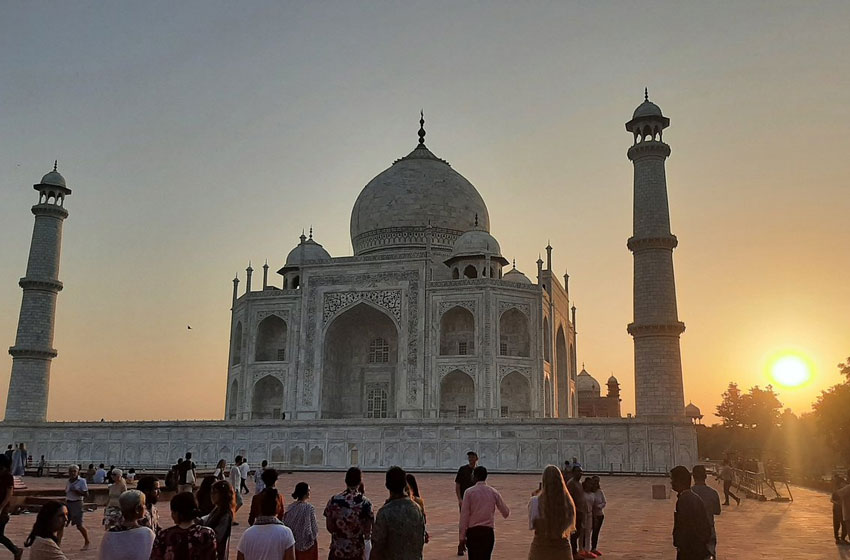
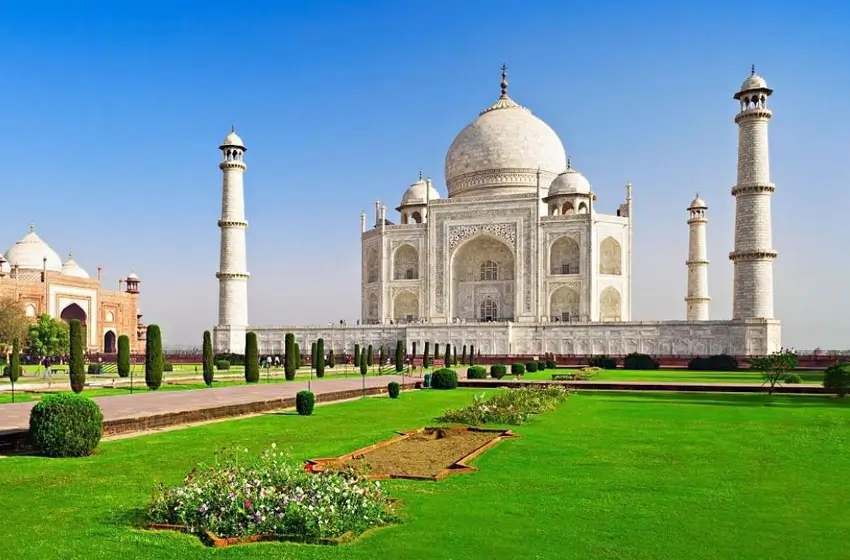
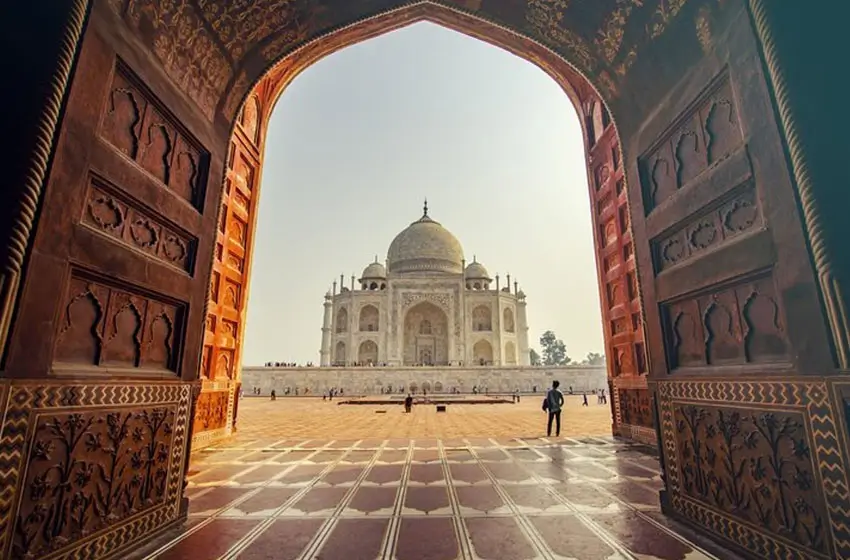
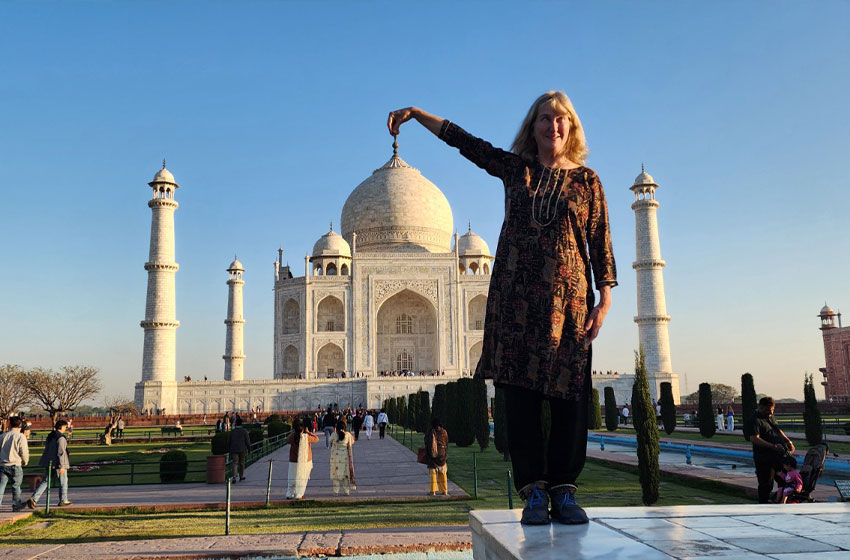
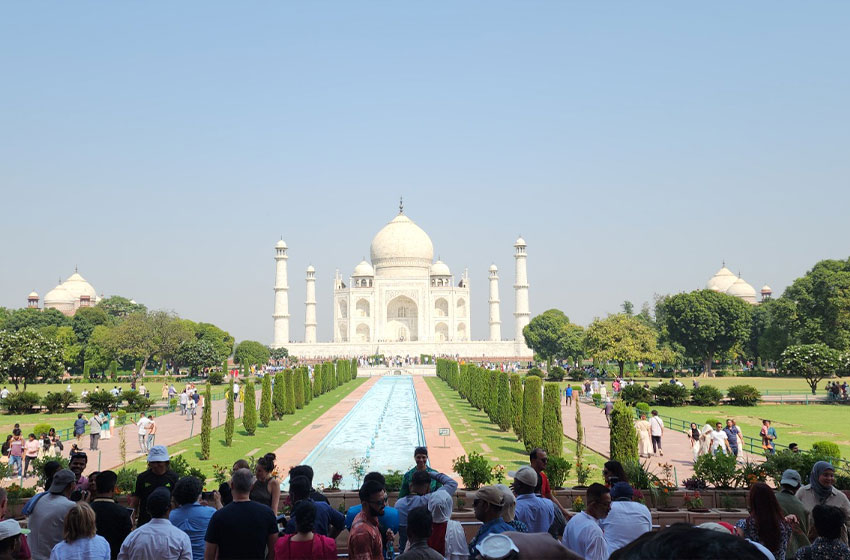
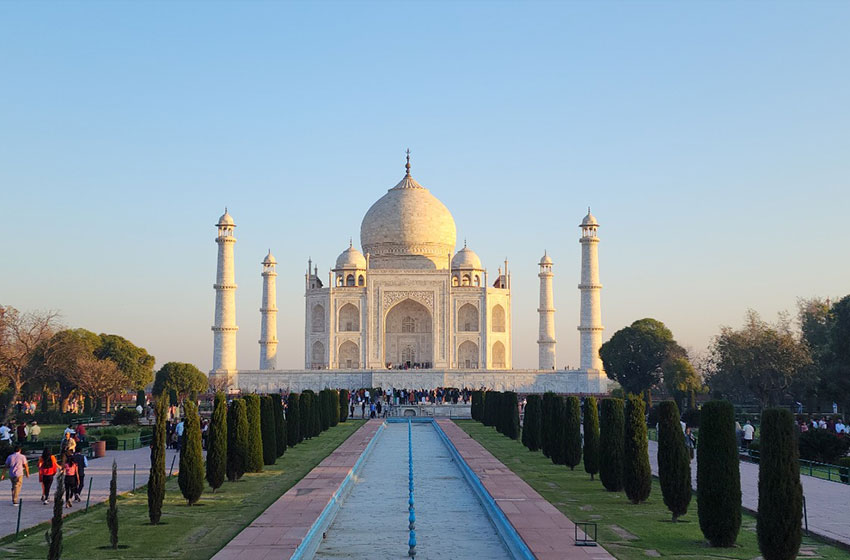
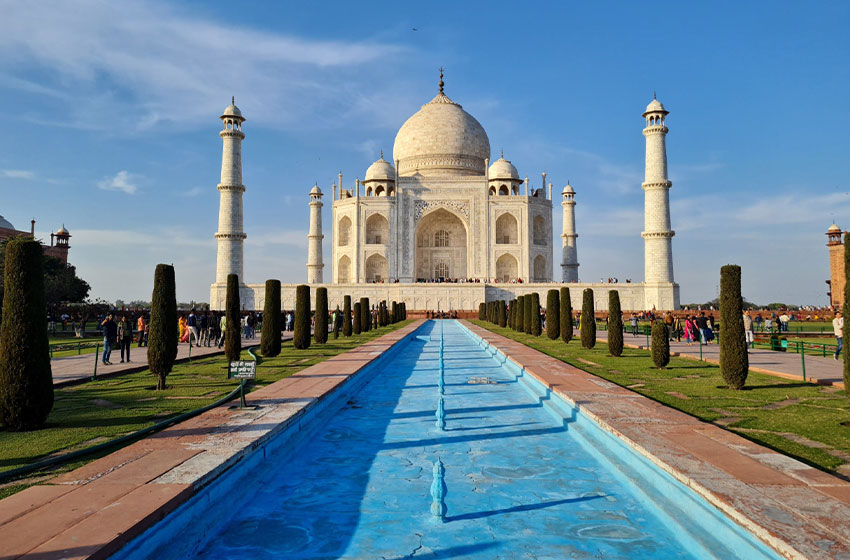
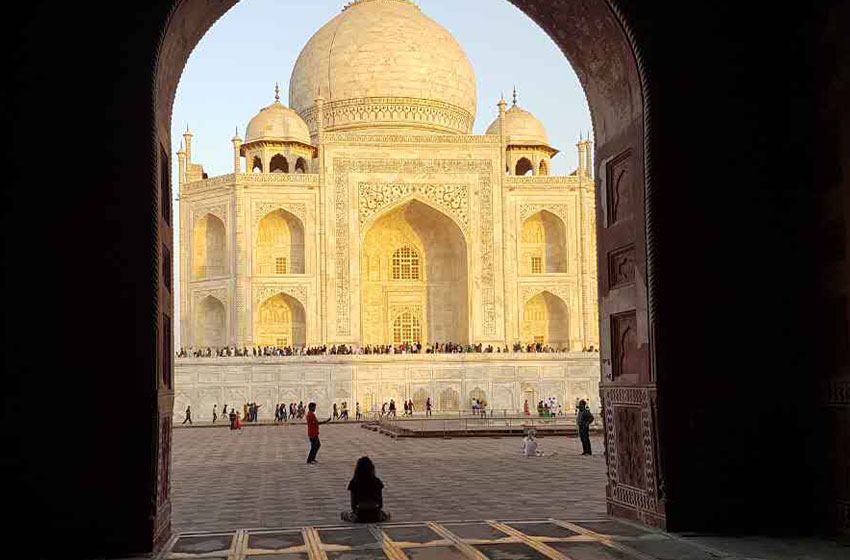
The Taj Mahal is the emotional and visual centerpiece of Agra. Its white marble symmetry, refined detailing, and symbolic design make it one of the most admired monuments in the world. Visiting the Taj Mahal is not simply sightseeing; it is an experience shaped by timing, preparation, and understanding.
Planning a Taj Mahal visit requires awareness of entry timings, ticket procedures, security rules, and crowd flow. Early morning visits are often preferred for calmer surroundings, while late afternoon light enhances the monument’s visual tone. A thoughtful approach transforms the visit into a meaningful encounter rather than a rushed stop.
Taj Mahal Tickets and Entry Planning
Understanding Taj Mahal ticket price and booking options helps travelers manage time efficiently. Online booking provides convenience and queue avoidance, while offline counters remain available for flexible travelers.
Entry tickets allow access to the main mausoleum, gardens, and surrounding structures. Shoe covers are provided to protect marble flooring. Travelers planning same-day visits or tight itineraries benefit greatly from advance ticket planning.
Agra Fort and the Mughal Power Center
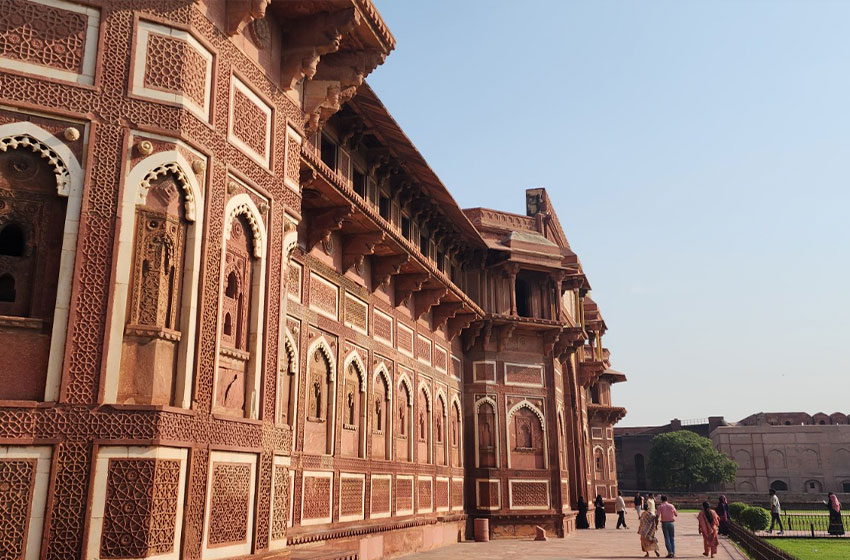
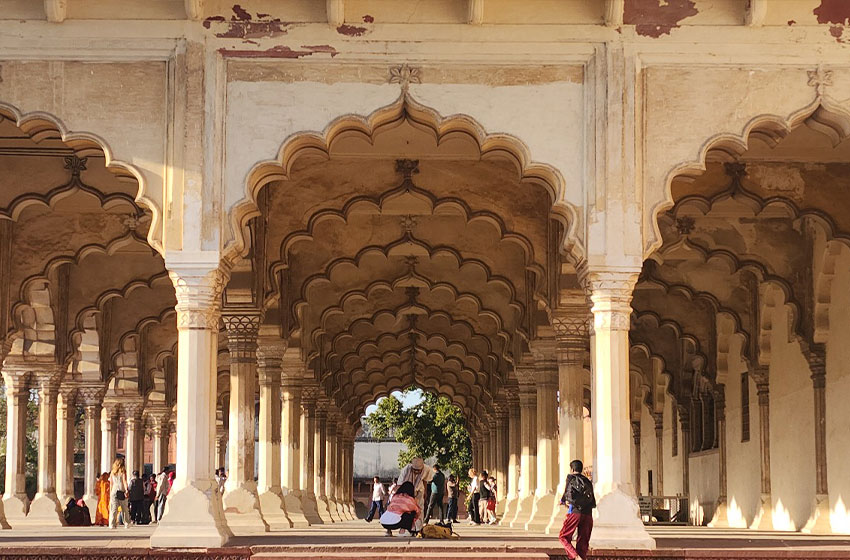
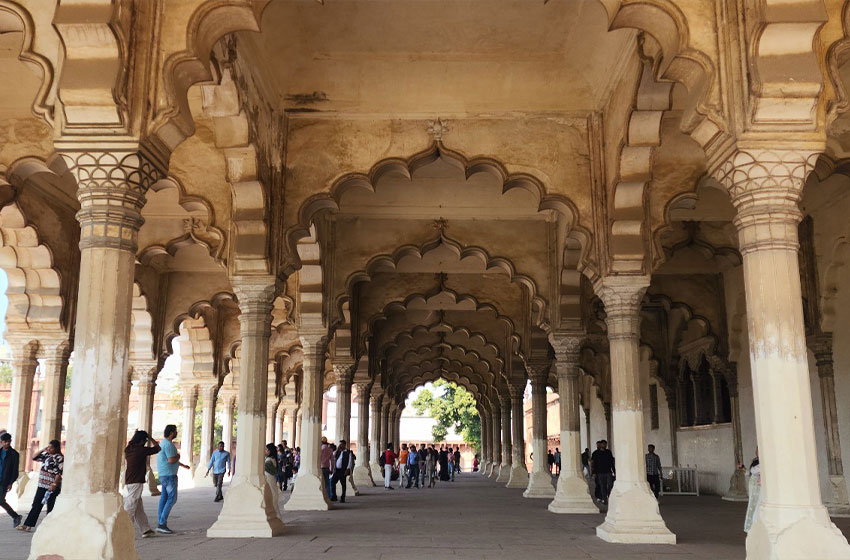
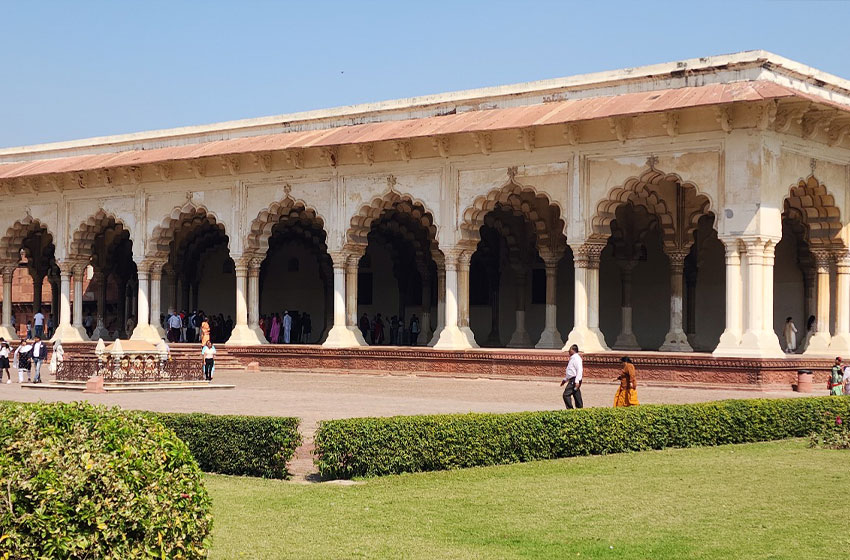
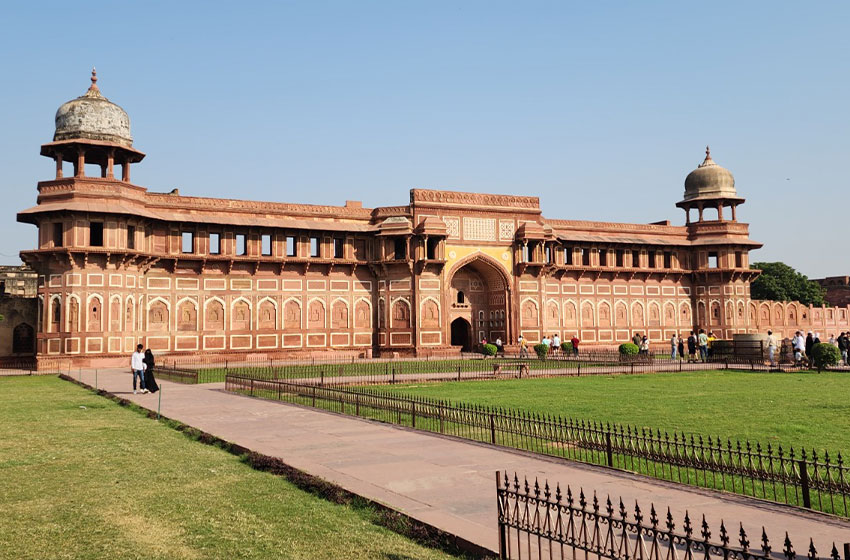
Agra Fort complements the Taj Mahal by revealing the political and administrative side of Mughal history. Massive red sandstone walls enclose palaces, audience halls, mosques, and royal quarters.
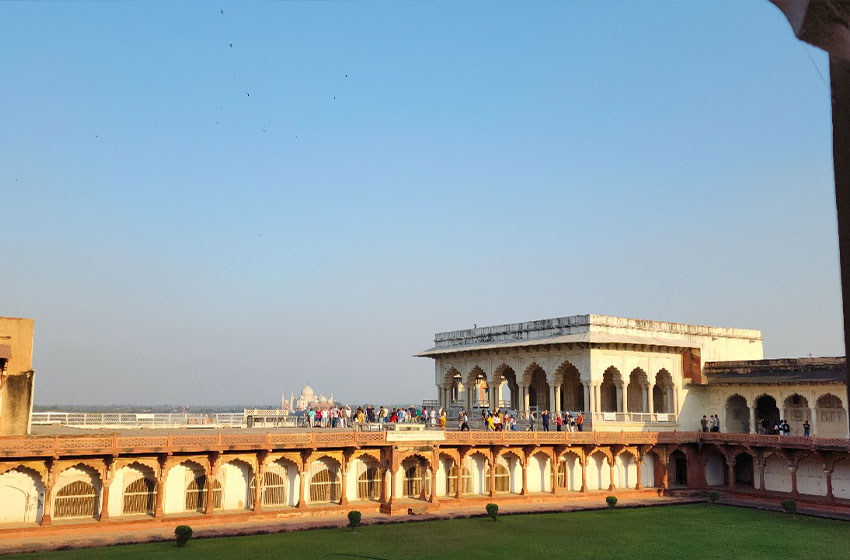
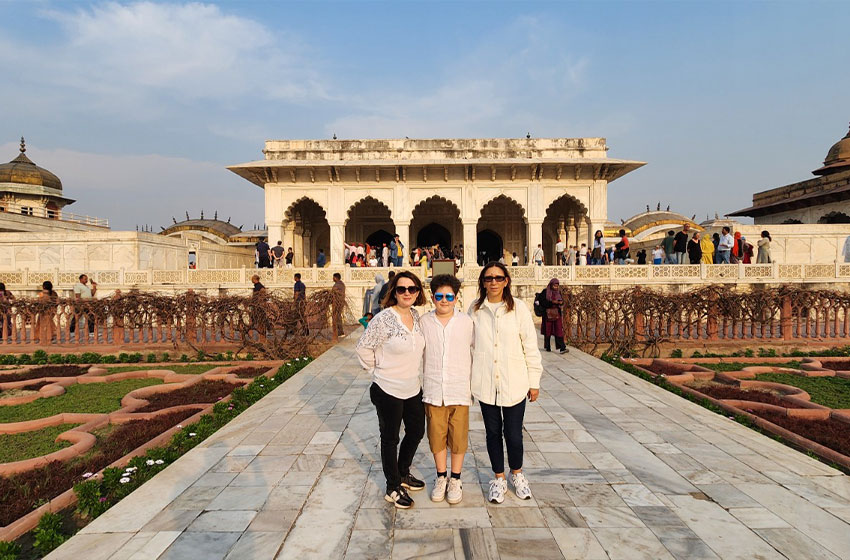
Exploring Agra Fort sightseeing offers insight into imperial governance, court life, and strategic planning. Views of the Taj Mahal from the fort strengthen the emotional link between the two monuments, enriching the overall experience.
Itmad-ud-Daulah and Architectural Evolution
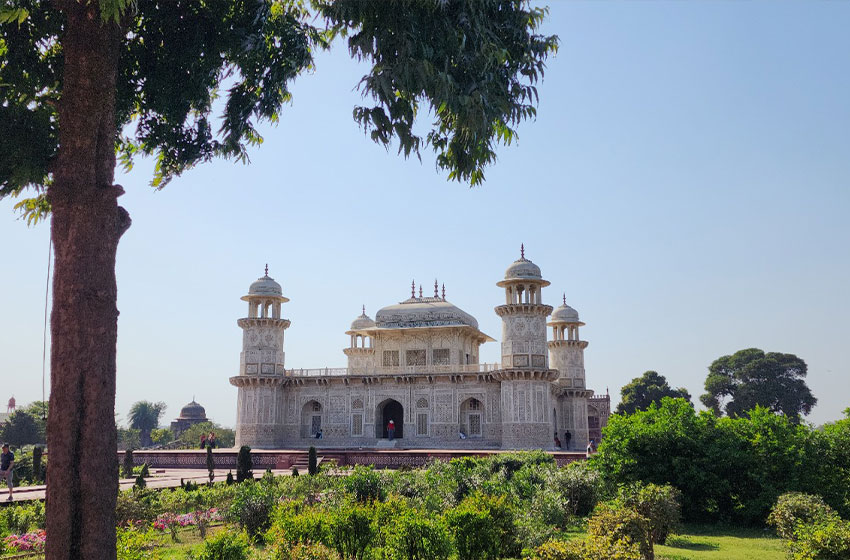
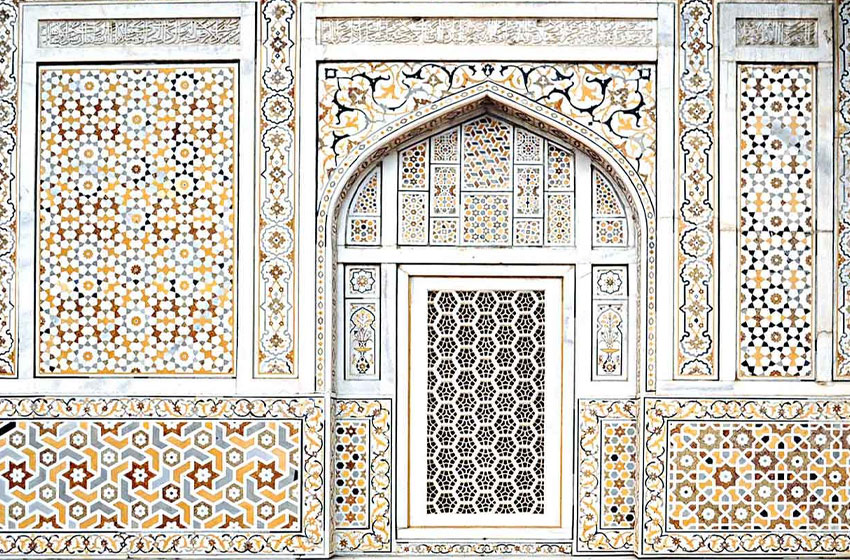
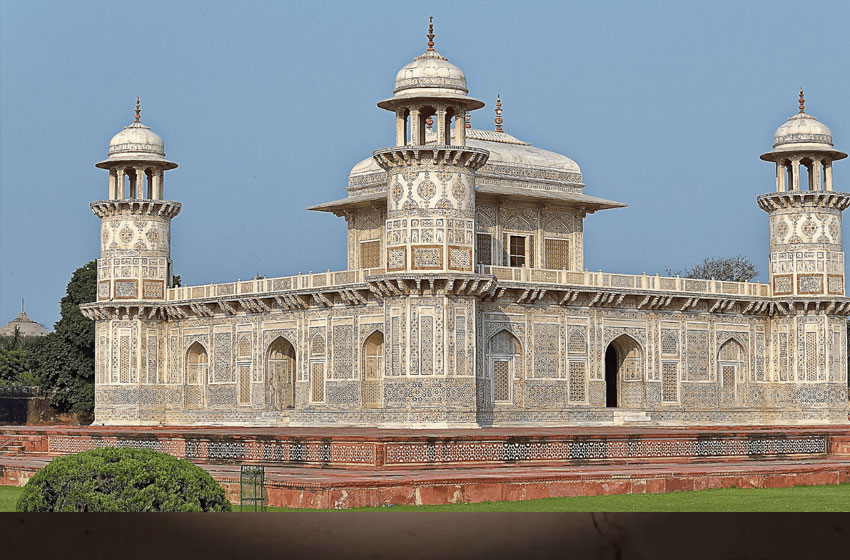
Often overlooked, Itmad-ud-Daulah represents an important phase in Mughal architecture. This marble tomb introduced decorative techniques later perfected at the Taj Mahal.
Including such sites in an Agra sightseeing itinerary allows travelers to appreciate architectural evolution rather than isolated masterpieces.
Fatehpur Sikri and the Abandoned Imperial Vision
Located near Agra, Fatehpur Sikri reflects Emperor Akbar’s ambition to build a planned imperial city. The site’s palaces, courtyards, and religious structures reveal cultural integration and architectural experimentation.
Visiting Fatehpur Sikri adds depth to any Agra travel plan, connecting Agra’s monuments to a broader historical landscape.
Gardens and Riverfront Experiences
Mughal gardens play a vital role in Agra’s aesthetic identity. Mehtab Bagh and riverfront viewpoints provide peaceful perspectives of the Taj Mahal and surrounding landscape.
These spaces offer balance to monument-heavy days, making them essential components of a complete Agra travel guide.
Exploring Old Agra and Local Neighborhoods
Agra’s old city reveals daily life shaped by tradition, trade, and community. Walking through narrow lanes, markets, and residential areas exposes cultural continuity beyond imperial architecture.
Participating in heritage walks in Agra allows travelers to connect with local stories, crafts, and food culture.
Local Markets and Handicrafts
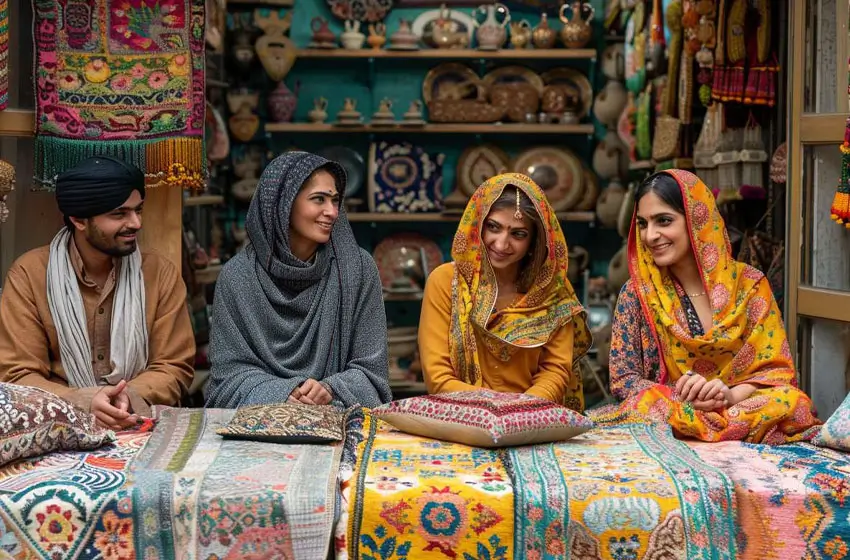
Agra has long been associated with marble inlay work, leather goods, and artisanal crafts. Visiting local markets offers insight into traditional skills passed down through generations.
Ethical exploration of Agra handicrafts supports local artisans while offering travelers meaningful souvenirs.
Food and Culinary Traditions in Agra
Agra’s cuisine reflects Mughal influence through rich gravies, aromatic spices, and slow-cooked dishes. Traditional sweets and street food further enhance the culinary landscape.
Exploring local food in Agra adds cultural depth and sensory experience to travel itineraries.
Luxury Hotels and Premium Stays in Agra
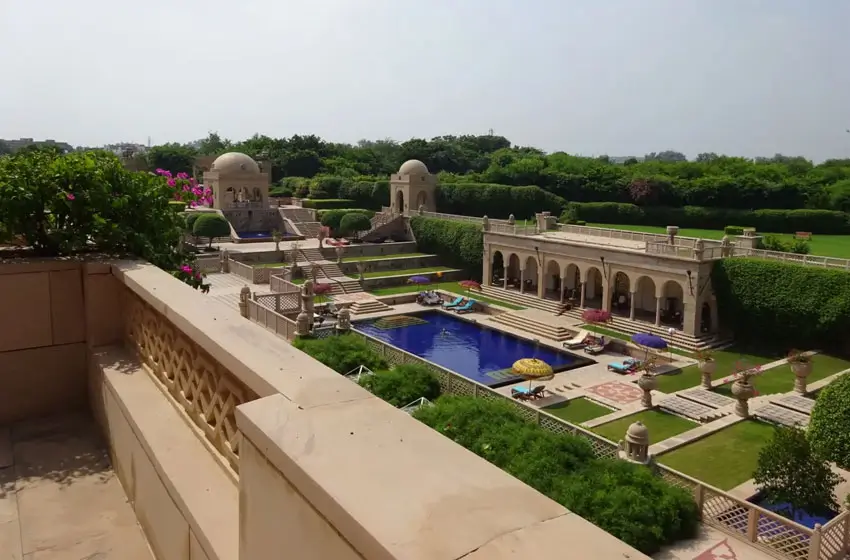
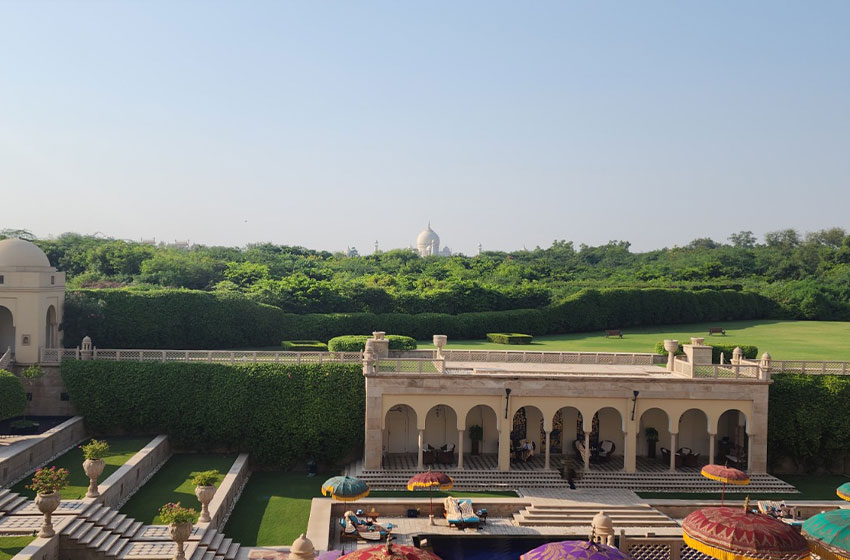
Accommodation plays a key role in shaping the Agra experience. The city offers some of India’s finest luxury properties, many located near the Taj Mahal.
Staying at five star luxury hotels in Agra provides comfort, privacy, curated dining, spa services, and monument views. Properties such as heritage-inspired resorts and international hotel brands cater to diverse preferences while maintaining premium standards.
Choosing the Right Hotel Location
Hotels near the Taj Mahal offer convenience and iconic views, while resort-style properties provide tranquility. Urban hotels focus on accessibility and modern amenities.
Understanding hotel options helps travelers align accommodation with itinerary style and travel purpose.
Getting Around Agra
Agra’s attractions are spread across the city and surrounding areas. Private cars, chauffeur-driven services, and guided tours offer comfortable mobility.
Using organized transport enhances efficiency and comfort, especially for travelers unfamiliar with local navigation.
Role of Tour Guides in Agra
Hiring licensed guides enhances understanding of history, symbolism, and cultural context. Professional guides help manage timing, explain architectural details, and provide narrative continuity.
Many travelers include Agra tour guide services as part of their travel plan for a more informed experience.
Cultural Etiquette and Responsible Travel
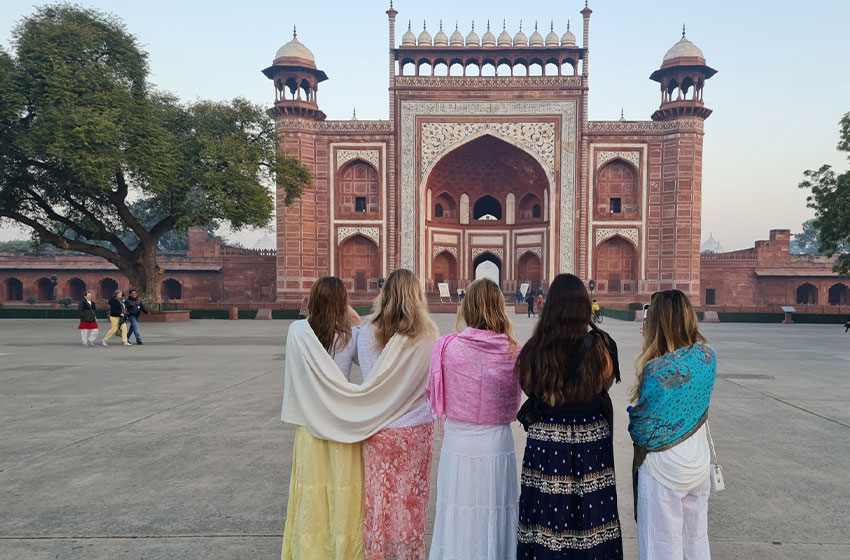
Agra’s monuments and communities require respectful behavior. Following dress guidelines, photography rules, and local customs contributes to responsible tourism.
Understanding Agra travel etiquette ensures positive interactions and sustainable visitation.
Weather and Seasonal Planning
Climate affects comfort, visibility, and crowd levels. Seasonal awareness helps travelers choose suitable visiting periods and daily schedules.
Planning based on weather conditions improves overall travel experience.
Photography and Visual Exploration
Agra offers extensive photographic opportunities beyond the Taj Mahal. Streets, textures, people, and architectural details provide compelling visual narratives.
Photography-focused travelers benefit from exploring varied locations and times of day.
Slow Travel and Immersive Experiences
Agra rewards slow exploration. Observing morning rituals, evening gatherings, and daily rhythms reveals layers often missed by fast itineraries.
Choosing slow travel in Agra transforms the city into an immersive cultural destination.
Agra as Part of a Larger Travel Circuit
Agra often forms part of broader itineraries including Delhi, Jaipur, and nearby heritage cities. Understanding its role within regional travel circuits helps optimize route planning.
Agra’s connectivity makes it a natural anchor for cultural journeys across North India.
Planning an Extended Stay in Agra
Travelers staying longer can explore surrounding villages, lesser-known monuments, and cultural programs. Extended stays deepen understanding and reduce travel fatigue.
This approach aligns with travelers seeking meaningful engagement rather than surface-level sightseeing.
Yes, Agra offers forts, gardens, markets, food traditions, and cultural experiences beyond the Taj Mahal.
Multiple days allow a complete experience covering monuments and local culture.
Yes, Agra is well-organized and offers strong tourism infrastructure.
Yes, several five star luxury hotels in Agra are located close to the monument.
Yes, most attractions and hotels cater to families and senior travelers.
Guides enhance understanding but are optional.
Yes, with basic awareness and respectful interaction.
Yes, both traditional and international dining options are widely available.
Yes, it is commonly included in extended Agra itineraries.
Yes, Agra fits naturally into regional cultural travel routes.