Taj Mahal Entry Fee for Foreigners (Complete Guide)
13 May 2025
Few countries in the world create as much curiosity and anxiety before arrival as India. Travelers planning their first journey often spend weeks watching videos, reading blogs, browsing social media, and researching travel forums trying to understand what the experience will actually feel like once they land. Some people imagine magical palaces, colorful markets, spiritual ceremonies, and unforgettable luxury hotels, while others become worried after seeing crowded streets, noisy traffic, aggressive markets, or intense travel stories online.
This contrast creates one of the biggest psychological questions many foreign travelers ask themselves before visiting India. Is India truly chaotic, stressful, and overwhelming, or is the internet exaggerating the experience?
The answer is more complicated than a simple yes or no because India is both intense and extraordinary at the same time. Travelers who expect India to function exactly like Europe, North America, or luxury resort destinations often feel surprised during the first few days. The country moves differently, sounds different, smells different, and emotionally feels different from almost anywhere else in the world.
At the same time, many travelers who initially feel overwhelmed later describe India as one of the most unforgettable destinations they have ever visited. The very intensity that shocks people during arrival often becomes the reason they remember the journey for years afterward.
India’s energy comes from scale. The population is massive, public life remains highly active, streets stay busy, cultural traditions remain visible everywhere, and daily life unfolds openly in ways that many Western travelers are not accustomed to experiencing. Unlike destinations where tourism feels separated from ordinary life, India places travelers directly inside living culture.
This is one reason India feels emotionally stronger than many luxury destinations. Travelers are not observing a staged version of culture designed only for tourism. They are experiencing real daily life happening continuously around them.
However, the perception of chaos changes dramatically depending on travel style. Backpackers navigating crowded railway stations, public buses, and budget hostels often experience India very differently from travelers staying inside heritage hotels, using private drivers, and following slower luxury itineraries.
The biggest mistake travelers make before visiting India is imagining the entire country as one uniform experience. India changes enormously between regions, cities, and travel environments. Luxury palace hotels in Udaipur feel completely different from crowded market streets in Old Delhi. Rajasthan’s desert highways feel entirely different from Mumbai traffic or Varanasi’s spiritual riverfront atmosphere.
The emotional experience depends heavily on how the trip is designed.
Travelers who arrive expecting absolute order, silence, and predictability may initially struggle. Travelers arriving with curiosity, flexibility, and openness usually adapt much faster and often end up deeply fascinated by India’s complexity.
Everything You Expect from India - And So Much More
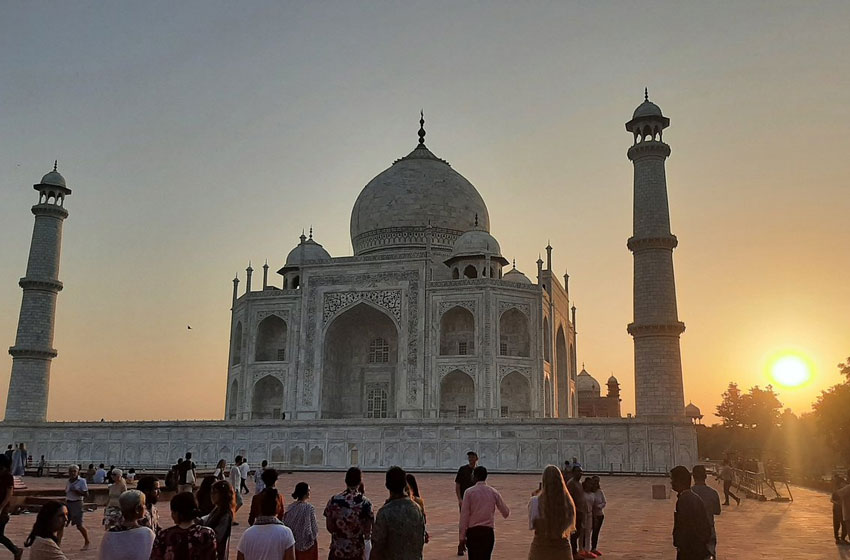
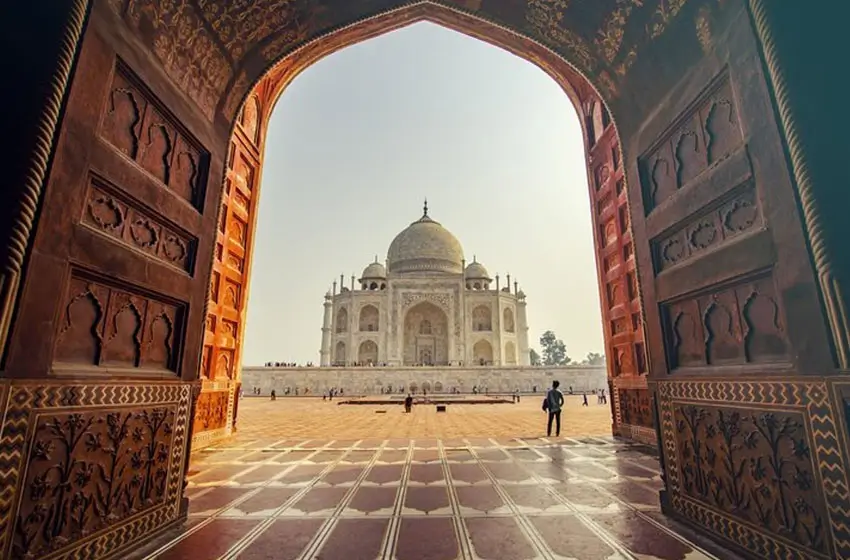
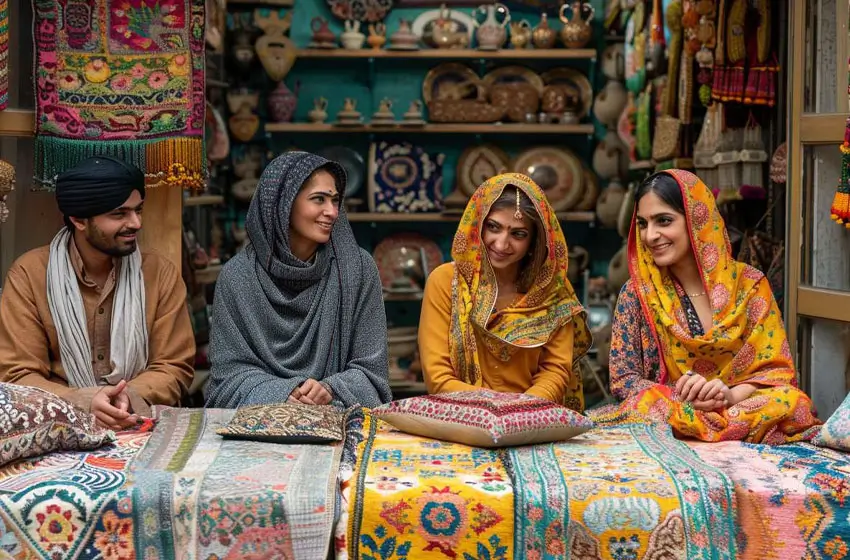
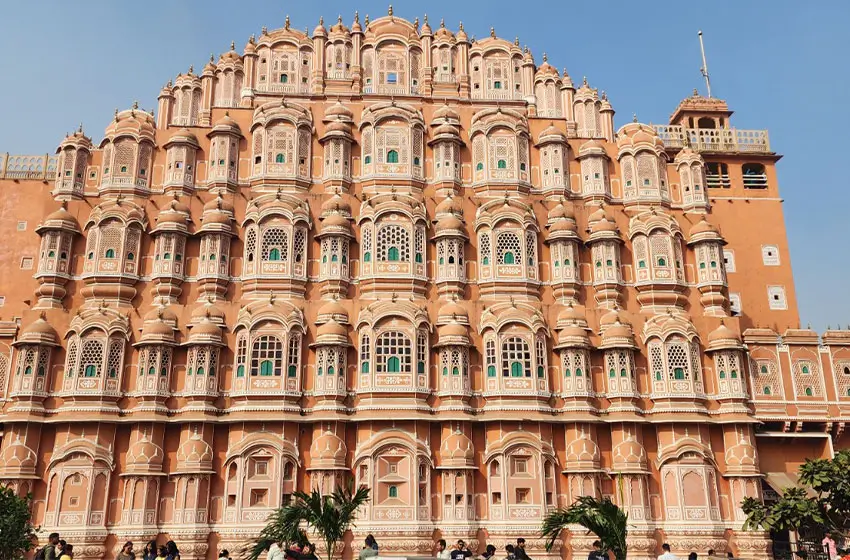
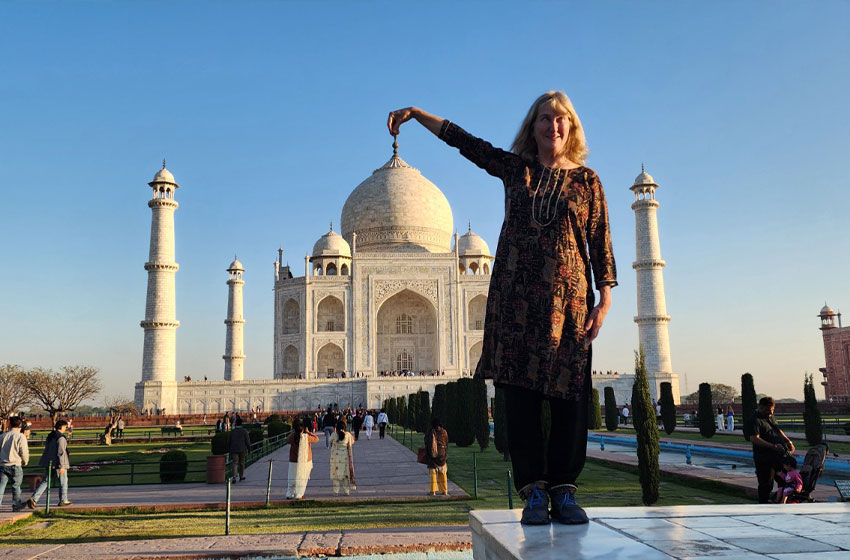
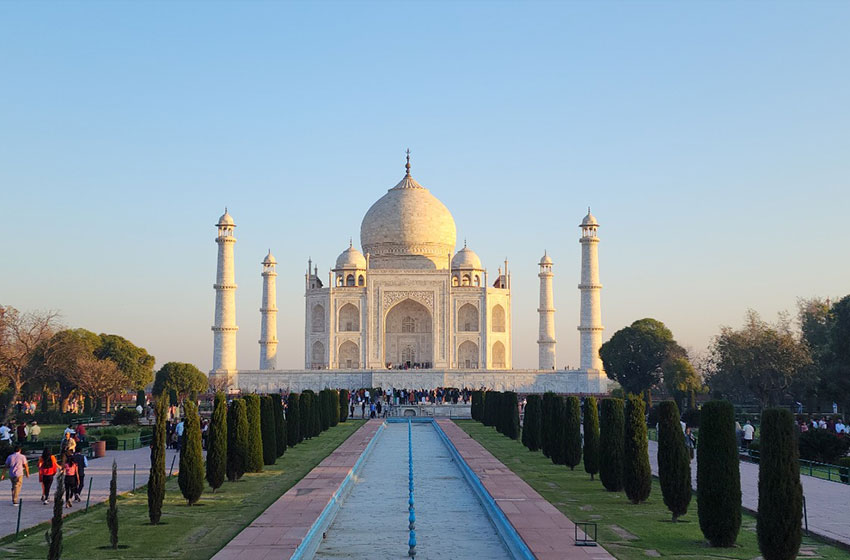
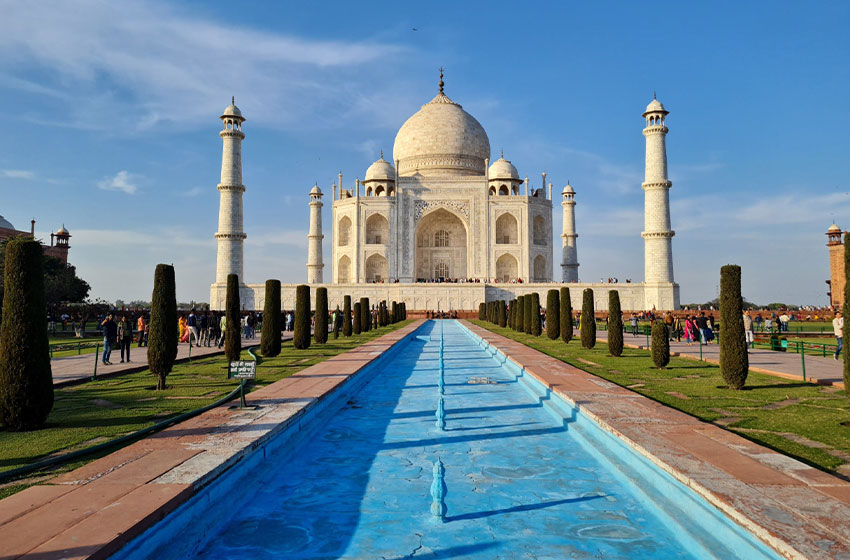
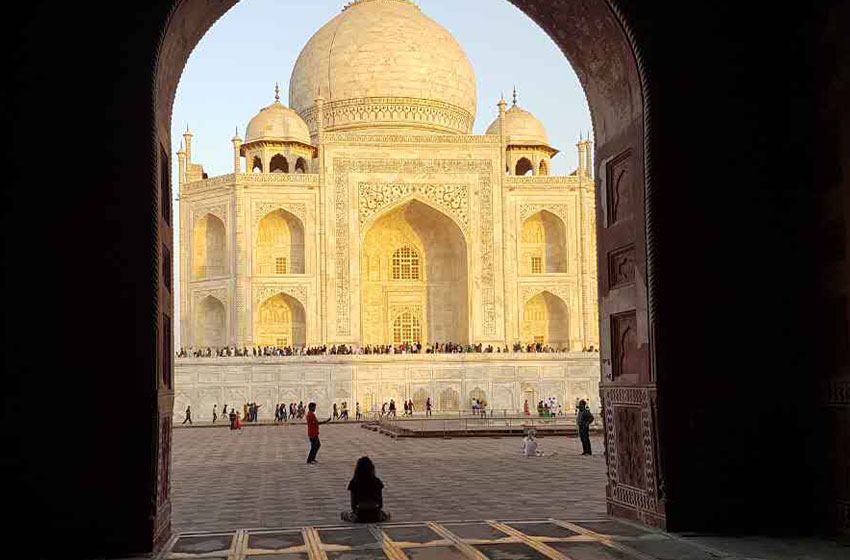
Imagine watching the sunrise over the Taj Mahal, staying in royal heritage palaces, exploring colorful markets, tasting authentic Indian cuisine, and discovering hidden gems with your own private chauffeur.
India’s intensity comes from constant stimulation. Streets are active, sounds overlap continuously, colors appear everywhere, traffic moves differently, and public spaces feel alive almost all the time. For travelers from quieter or highly structured societies, this level of movement can initially feel overwhelming.
One of the first things many travelers notice is traffic rhythm. Indian roads often appear chaotic to outsiders because movement flows differently than in many Western countries. Cars, motorcycles, tuk-tuks, bicycles, buses, pedestrians, animals, and street vendors frequently share the same roads simultaneously. Surprisingly, however, this apparent disorder often functions through an unspoken rhythm that local drivers understand naturally.
Foreign travelers using private drivers in India usually adapt far more comfortably because they are free to observe the environment without personally managing the stress of navigation or transportation logistics.
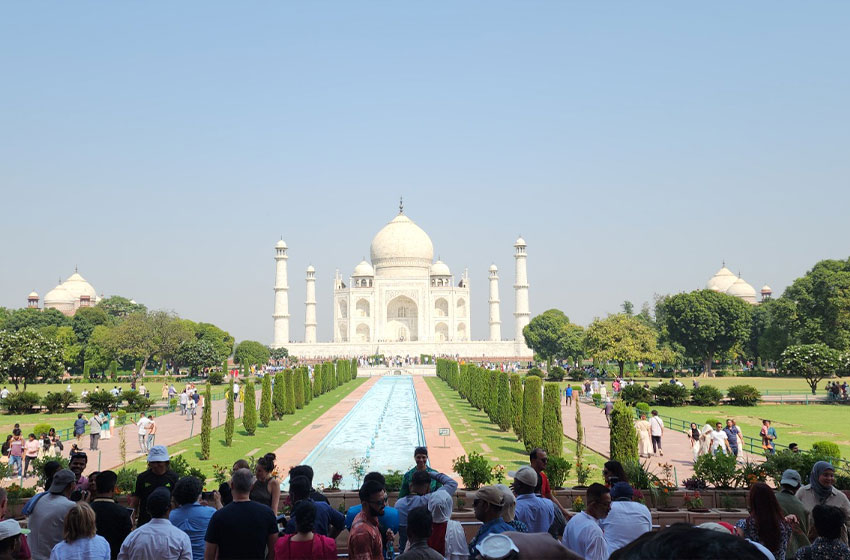
Crowds also contribute strongly to India’s reputation for chaos. Markets, railway stations, festivals, monuments, and city centers can become extremely busy, especially during weekends, holidays, or peak tourism seasons. Travelers unused to dense public environments may initially feel mentally tired after only a few hours of sightseeing.
Another factor is sensory stimulation. India does not feel visually minimal or emotionally restrained. Music, conversations, incense, traffic sounds, religious ceremonies, food aromas, architecture, and public movement all happen simultaneously. For some travelers this feels exhausting at first. For others it feels emotionally exciting and deeply alive.
The key difference is understanding that India is not trying to create controlled tourism environments where everything feels quiet and perfectly organized. The country’s energy comes from its openness and intensity rather than polished uniformity.
Interestingly, many travelers later realize that the emotional richness they experienced in India felt more memorable precisely because it was not emotionally neutral.
One of the biggest misunderstandings about India travel is assuming every visitor experiences the country in the same way. In reality, travel style changes everything.
Travelers moving through India using luxury hotels, private Rajasthan tours, chauffeur-driven journeys, and slower itineraries often experience a completely different version of the country compared to travelers relying entirely on crowded public systems and highly aggressive schedules.
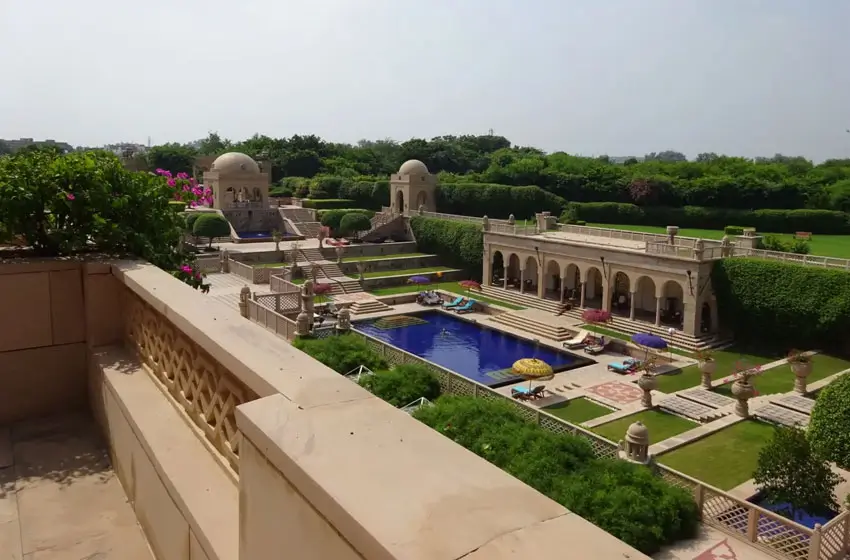
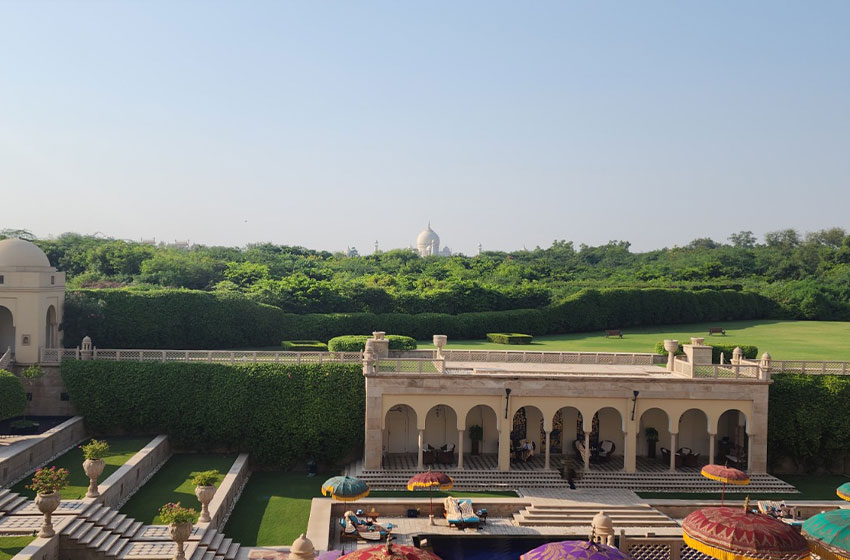
Luxury travel in India has evolved enormously. Palace hotels, heritage mansions, boutique havelis, wellness retreats, tiger safari lodges, and luxury desert camps now create highly refined experiences designed specifically for international travelers seeking comfort without losing cultural authenticity.
The atmosphere inside these environments often feels calm, elegant, and emotionally balanced. Travelers spend mornings exploring colorful markets or historical monuments before returning to peaceful palace courtyards, rooftop dining experiences, lakeside views, spa treatments, or quiet heritage gardens.
This contrast becomes one of the most beautiful parts of India travel. The country provides both stimulation and retreat within the same journey.
Private transportation also changes the emotional experience dramatically. Travelers no longer worry constantly about navigation, taxi negotiations, train confusion, or airport logistics. Instead, they move comfortably through landscapes while observing the country gradually unfold around them.
Many travelers who initially feared India before arrival later realize their anxiety came mostly from imagining uncontrolled travel situations rather than understanding how professionally organized luxury travel actually works.
India rewards thoughtful planning more than spontaneous logistical improvisation.
Rajasthan often surprises first-time visitors because many travelers expect the entire region to feel crowded and stressful. In reality, Rajasthan frequently feels calmer and more visually spacious than major Indian metropolitan cities.
The region’s desert landscapes, heritage hotels, countryside roads, lakeside cities, and slower cultural pacing create a more relaxed atmosphere for many travelers.
Cities such as Udaipur especially feel peaceful compared to Delhi or Mumbai. Lakes, palace hotels, rooftop restaurants, and slower evenings create an atmosphere many luxury travelers describe as emotionally calming rather than overwhelming.
Road trips across Rajasthan also feel very different from crowded urban environments. Long drives between Jaipur, Jodhpur, Udaipur, Pushkar, and Jaisalmer often involve open desert scenery, villages, wildlife sightings, and quiet countryside landscapes that feel far removed from the chaos many travelers imagine before arriving in India.
This is one reason slow travel in Rajasthan has become increasingly popular among foreign visitors. Travelers discover that the region rewards slower pacing and emotional observation rather than rushed sightseeing schedules.
Luxury desert camps near Jaisalmer also provide extraordinary contrast to India’s busier cities. Many travelers experience deep silence and peacefulness in the Thar Desert after several active days exploring monuments and markets.
The emotional rhythm of Rajasthan feels more balanced when travelers allow themselves enough time to absorb it properly.
Your Perfect India Journey Starts Here
Whether you dream of iconic monuments, royal heritage, wildlife adventures, spiritual experiences, or luxury escapes, India has something extraordinary waiting for you.
Many travelers experience emotional adjustment during their first few days in India. Initial reactions may include confusion, fascination, exhaustion, excitement, or sensory overload. However, something interesting often happens after travelers begin adapting to the country’s rhythm.
What originally felt chaotic slowly starts making sense.
Travelers begin understanding traffic movement, cultural patterns, hospitality styles, market behavior, social interaction, and travel pacing more naturally. Confidence grows quickly once visitors stop comparing India constantly to Western systems and instead accept the country on its own terms.
Another major change involves emotional openness. Travelers who arrive expecting perfect control often struggle more. Travelers willing to observe, adapt, and remain flexible usually begin enjoying the experience much faster.
India also creates strong emotional memory because the country demands attention. Travelers rarely move passively through India without noticing their surroundings. Even ordinary moments often feel visually rich and emotionally engaging.
This intensity can initially feel tiring, but many travelers later describe it as exactly what made the trip unforgettable.
India rarely leaves travelers emotionally neutral.
One of the most fascinating things about India travel is how often travelers return unexpectedly. People who initially arrived nervous or uncertain frequently become deeply attached to the country after spending time there.
Part of this comes from emotional contrast. India contains beauty, history, spirituality, luxury, chaos, kindness, silence, crowds, color, and complexity simultaneously. The experience feels layered and emotionally real rather than simplified for tourism.
Another reason is human interaction. Many travelers remember conversations, hospitality, kindness, and unexpected moments with local people more strongly than monuments themselves.
Luxury travelers especially appreciate that India still feels culturally alive. Palace hotels, markets, temples, music, festivals, and food traditions remain connected to everyday life rather than existing only for tourists.
Travelers also often discover that India slows them down emotionally. The country encourages observation, patience, flexibility, and presence in ways many modern destinations no longer do.
This emotional depth is difficult to explain before visiting. It usually becomes understandable only through experience.
India can feel intense and busy initially, especially in major cities, but the experience depends greatly on travel style and expectations.
Yes, India offers exceptional luxury hospitality through palace hotels, heritage properties, private tours, and chauffeur-driven travel.
Crowds, traffic, sensory stimulation, and cultural differences can feel intense during the first few days.
Yes, many travelers find Rajasthan calmer and more relaxed than India’s largest metropolitan cities.
Yes, private drivers and organized tours dramatically improve comfort and emotional ease during travel.
India’s emotional depth, cultural diversity, and immersive atmosphere create strong long-term attachment for many visitors.
Yes, professionally organized luxury travel in India is generally very comfortable and secure.
Most travelers adapt significantly once they understand the country’s rhythm and pacing.
India combines crowds, color, spirituality, movement, hospitality, and history simultaneously in daily life.
Yes, slower itineraries usually create more comfortable and emotionally rewarding experiences.