Taj Mahal Entry Fee for Foreigners (Complete Guide)
13 May 2025
India is home to some of the world’s most remarkable historical monuments. From the white marble beauty of the Taj Mahal to the royal forts of Rajasthan, ancient temples of South India, Mughal architecture in Delhi, and centuries-old stepwells hidden across historic towns, the country offers an extraordinary cultural journey for international travelers. Millions of tourists visit these sites every year, yet many first-time visitors arrive without fully understanding the cultural sensitivity, etiquette expectations, and practical rules connected to Indian heritage monuments.
Unlike theme parks or modern entertainment attractions, Indian monuments are deeply connected to history, religion, identity, and local traditions. Many locations are not simply architectural sites but emotional symbols tied to centuries of cultural heritage. Some monuments also continue to function as active religious spaces where local worshippers visit daily. Understanding how to behave respectfully at these places significantly improves the travel experience while helping visitors avoid uncomfortable situations, fines, or conflicts with authorities.
Foreign travelers often unintentionally make mistakes because they assume the rules are similar everywhere in the world. In reality, India’s heritage sites can differ greatly in terms of photography permissions, dress expectations, restricted areas, security procedures, and acceptable public behavior. Travelers who understand these differences usually enjoy smoother and more rewarding experiences throughout their journey.
One of the biggest misconceptions among visitors is that all monuments operate purely as tourist attractions. In India, many monuments are emotionally connected to local communities and national pride. Respectful behavior is appreciated not only by security staff but also by local visitors sharing the same spaces.
Travelers visiting famous sites such as the Taj Mahal, Amber Fort, Qutub Minar, City Palace Udaipur, Mehrangarh Fort, Humayun’s Tomb, Fatehpur Sikri, or ancient temples across Rajasthan and South India often discover that small cultural gestures create better interactions and more meaningful travel memories.
Another important factor is preservation. India’s most famous monuments are under constant pressure from tourism volume, pollution, weather, and overcrowding. Authorities have become increasingly strict about behavior that could damage historical structures. Activities that might seem harmless to travelers, such as touching walls, climbing structures, or using flash photography inside restricted interiors, can contribute to long-term damage.
Tourists who understand these concerns naturally experience India more respectfully and comfortably. Proper etiquette also reduces the chances of attracting scams, unnecessary attention, or arguments with guards and local vendors near crowded heritage zones.
For travelers planning Golden Triangle tours, private Rajasthan tours, or luxury India travel experiences, understanding monument etiquette becomes especially important because sightseeing forms a major part of the overall journey. The more relaxed and culturally aware travelers are, the more enjoyable these iconic destinations become.
Create Memories - Not Mistakes - at India's Iconic Monuments
The best journeys are built on respect, curiosity, and unforgettable experiences. Explore India's most celebrated monuments with a private driver, expert local guidance, and a personalized itinerary.
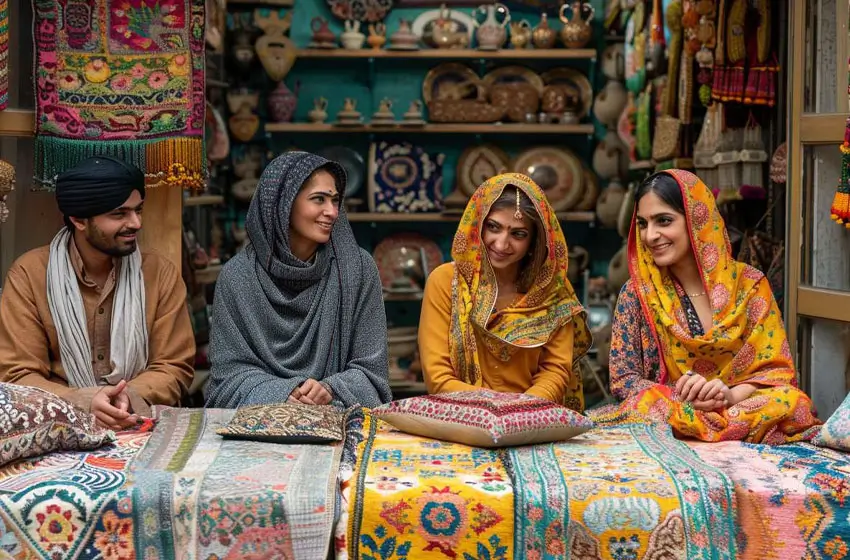
One of the most common mistakes foreign tourists make at Indian monuments involves clothing choices that may feel normal in beach destinations or Western cities but appear disrespectful at culturally sensitive locations. India is diverse and modern in many urban areas, yet traditional values remain strong around religious sites and historical landmarks.
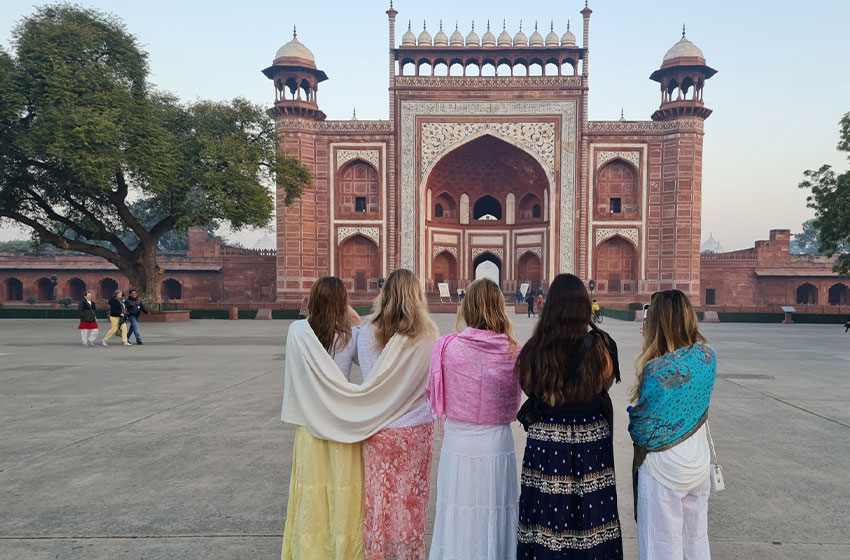
Monuments connected to religion often have stricter expectations regarding modest dressing. Temples, mosques, gurudwaras, and sacred heritage complexes generally expect visitors to dress respectfully by covering shoulders and knees. While enforcement varies from one location to another, dressing modestly helps travelers avoid unwanted attention and demonstrates cultural sensitivity.
At locations such as Jama Masjid in Delhi, Sikh gurudwaras in Punjab, Jain temples in Rajasthan, or sacred temple complexes in South India, revealing clothing may not be allowed. Some monuments provide scarves or robes for visitors, but relying on these facilities is not always ideal during busy travel periods.
Senior travelers and experienced cultural tourists often prefer lightweight linen clothing, breathable cotton fabrics, loose trousers, long skirts, or shirts with sleeves because they remain comfortable while respecting local expectations. Rajasthan’s desert climate also makes loose clothing more practical during long sightseeing days.
Another common issue involves footwear. Many religious monuments require visitors to remove shoes before entering sacred areas. Travelers should wear comfortable shoes that can be removed easily and carry socks if surfaces become hot during summer afternoons.
Ignoring local dress norms does not usually create serious danger, but it can attract unnecessary staring, discomfort, or negative reactions from local visitors. Respectful clothing choices allow travelers to move through monuments more comfortably and confidently.
Travelers planning luxury Rajasthan tours or private India cultural tours often discover that modest, elegant travel clothing works perfectly across both heritage hotels and monument visits.
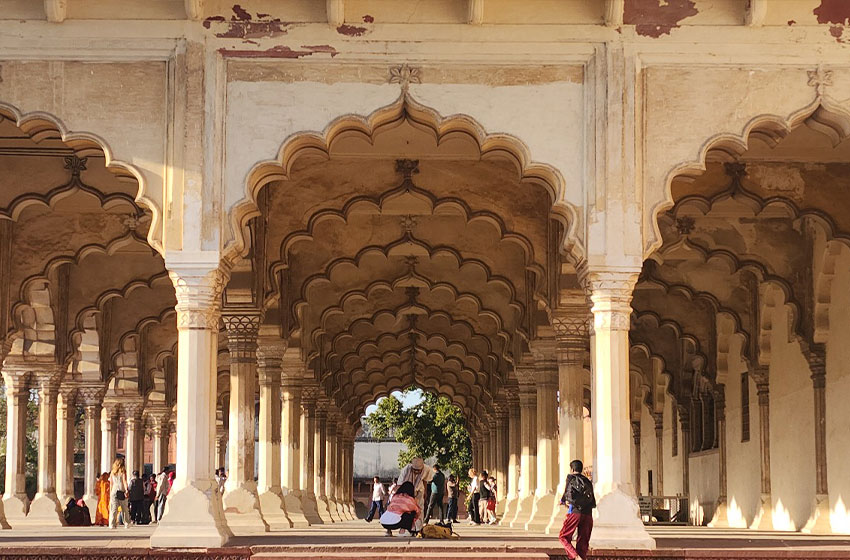
Many foreign visitors underestimate how fragile some Indian monuments actually are. Historical walls, carvings, painted surfaces, marble inlay work, sandstone corridors, and ancient sculptures can deteriorate quickly when touched repeatedly by millions of visitors every year.
One of the biggest mistakes tourists make is touching artwork, leaning heavily against decorated walls, or climbing restricted sections for photographs. Security guards at major sites such as the Taj Mahal or protected forts may immediately stop visitors who ignore these preservation rules.
India’s most famous monuments have survived centuries of wars, weather changes, pollution, and modernization. Preservation authorities now take restoration and conservation very seriously. Activities that may appear harmless during casual sightseeing can permanently damage delicate surfaces over time.
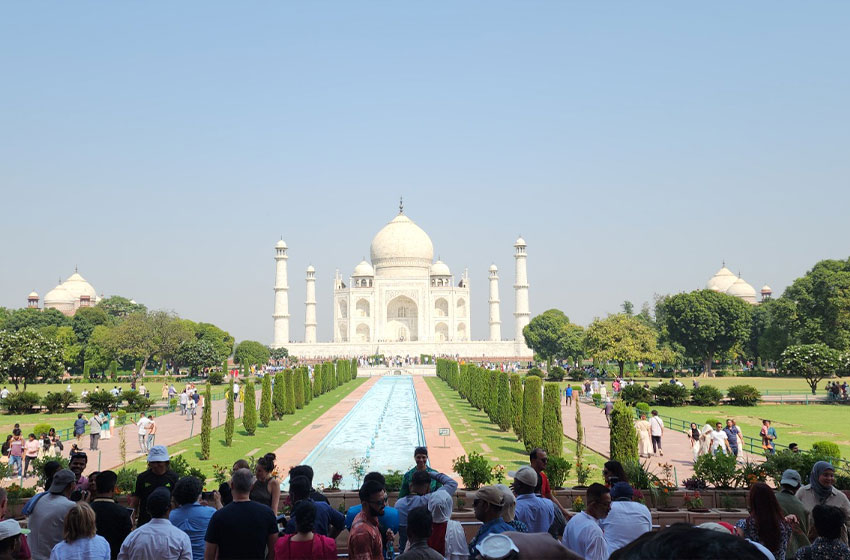
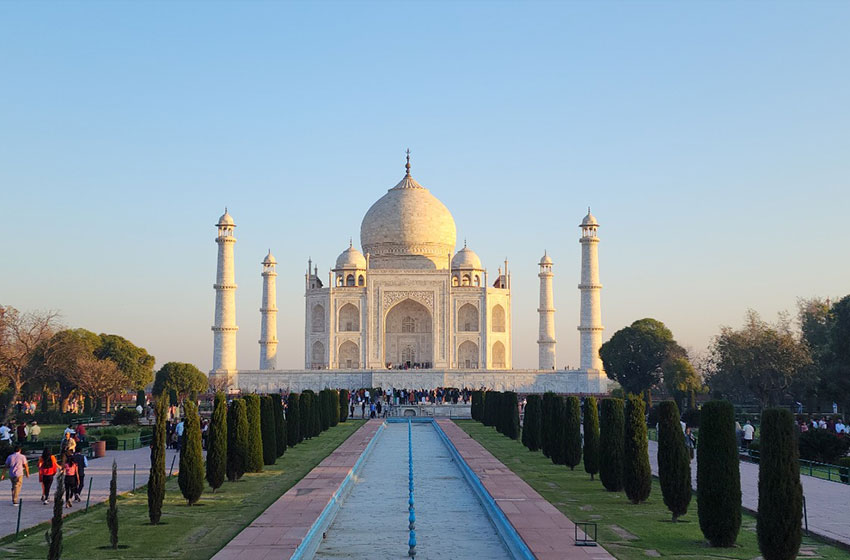
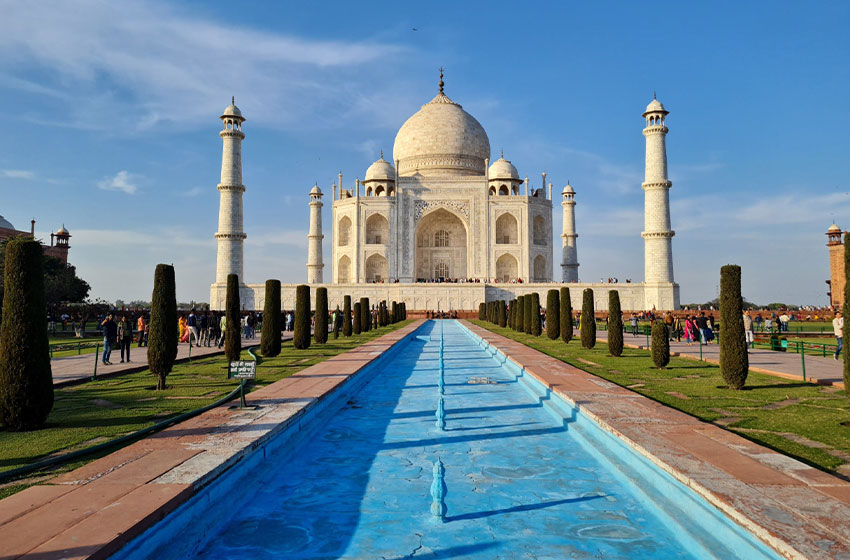
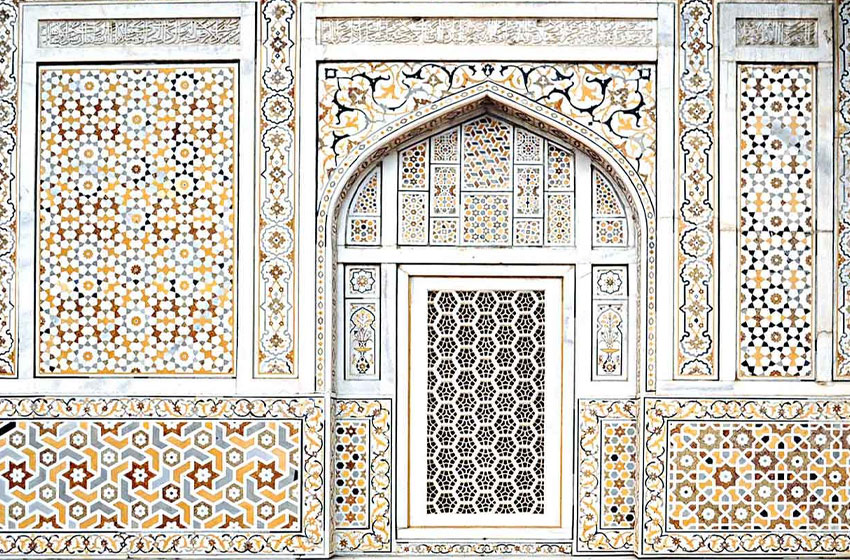
Marble monuments are particularly sensitive. At the Taj Mahal, visitors are expected to avoid scratching surfaces, writing names, touching decorative stone inlay work, or placing heavy pressure on restricted sections. Similar preservation concerns exist at ancient temples and painted palace interiors across Rajasthan.
Photography culture has unfortunately encouraged some travelers to take unnecessary risks for social media images. Climbing old walls, hanging from historical structures, or entering blocked-off areas creates both safety risks and preservation problems. Many forts and stepwells contain steep drops, uneven surfaces, or fragile architecture that can become dangerous during crowded periods.
Respectful travelers generally focus on observing and appreciating the architecture rather than treating monuments as adventure locations. Hiring knowledgeable local guides often enhances the experience because guides explain the stories, symbolism, engineering, and historical significance behind these extraordinary places.
Travelers exploring historic Rajasthan forts, Mughal architecture tours, or UNESCO World Heritage sites in India usually gain far more from cultural understanding than from rushed photography sessions.
Photography is one of the highlights of traveling through India, but many foreign tourists unintentionally cross cultural boundaries while trying to capture dramatic images. India’s monuments are visually stunning, yet travelers should remember that not every space is meant for unrestricted photography.
Some monuments prohibit flash photography because strong light damages ancient artwork, paintings, or delicate interiors. Other sites completely ban photography inside sacred areas, museums, or royal chambers. Ignoring these rules can result in fines, camera confiscation warnings, or confrontations with staff.
Travelers should also avoid taking insensitive photographs involving local worshippers, security personnel, funeral rituals, or people praying inside sacred spaces. In some religious locations, photography during ceremonies is considered highly disrespectful.
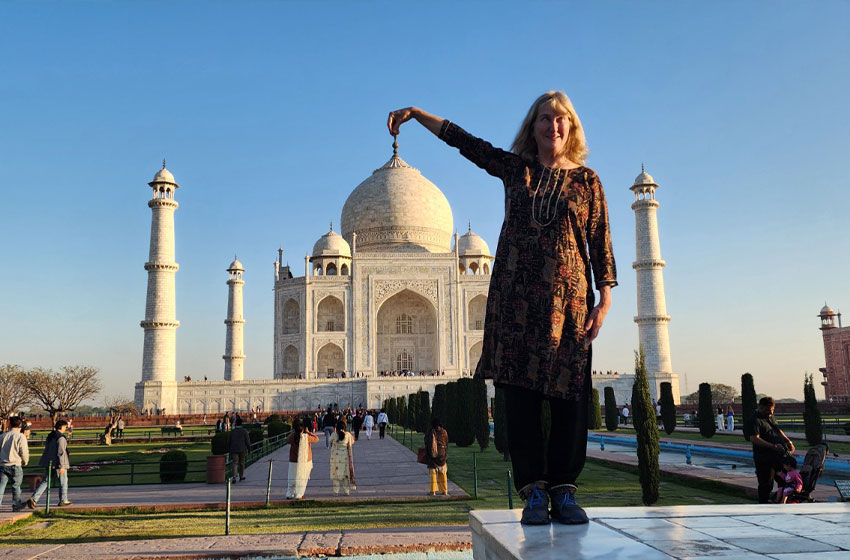
Another growing issue involves exaggerated social media poses. Tourists attempting risky poses near monument edges, sacred structures, or crowded stairways often create safety concerns and disturb other visitors. Security teams at many Indian monuments have become stricter because of increasing social media-related accidents.
Drone usage is another major restriction travelers frequently misunderstand. Flying drones near monuments, airports, government buildings, or crowded heritage zones without permission can lead to serious legal trouble. India has strict drone regulations, especially around protected historical sites.
Photography etiquette becomes especially important at locations such as:
Respectful photography improves interactions with locals and creates a far more enjoyable travel atmosphere.
Travelers interested in luxury India photography tours often achieve the best results by visiting monuments during quieter hours with professional local guidance instead of chasing overcrowded photo spots during peak tourist times.
See India's Greatest Monuments the Right Way
A memorable journey is about more than beautiful photos—it's about understanding the history, culture, and traditions behind every destination.
Monument areas across India often attract aggressive touts, fake guides, unofficial ticket sellers, and scam operators targeting confused first-time tourists. While most visits remain completely safe, travelers should understand how these scams typically work before arriving.
One common scam involves unofficial guides approaching tourists outside monument entrances claiming to offer “special access,” “government-approved shortcuts,” or “discount tickets.” In many cases, these individuals are not licensed guides at all and may pressure tourists into overpriced shopping stops or demand excessive tips later.
Another common tactic involves fake stories about monuments being “closed today” unless travelers use certain entrances, shops, or guide services. Official ticket counters and government websites should always be trusted over random street approaches.
Travelers should also avoid strangers offering “free demonstrations” near heritage sites, especially around marble workshops, handicraft stores, or jewelry shops. Some experiences are legitimate cultural demonstrations, but others are commission-based tourist traps designed to pressure travelers into expensive purchases.
Using professional tour operators, hotel-arranged guides, or officially licensed monument guides dramatically reduces these risks. Travelers on private Golden Triangle tours or organized cultural itineraries generally avoid most scam situations entirely because logistics are already handled professionally.
Confidence and calmness are important near crowded monument entrances. Aggressive sales approaches often lose momentum when travelers politely but firmly decline interaction without engaging in long conversations.
Many experienced travelers also prefer early morning monument visits because crowds, tout activity, and heat levels are significantly lower.
India’s major monuments can involve substantial walking, stairs, uneven surfaces, and heat exposure. Many foreign tourists underestimate how physically demanding long sightseeing days can become, especially in Rajasthan and North India.
Monuments such as Amber Fort, Mehrangarh Fort, Fatehpur Sikri, and various temple complexes involve climbing stairs, navigating steep pathways, or walking across large open courtyards. During warmer months, heat exhaustion becomes a real concern.
Travelers should never ignore hydration, sun protection, or rest breaks during monument visits. Carrying bottled water, wearing hats, using sunscreen, and scheduling midday rest periods significantly improves comfort levels.
Older travelers and senior couples often enjoy monuments more when sightseeing is balanced carefully with hotel relaxation time rather than packed schedules covering multiple forts and palaces in one day.
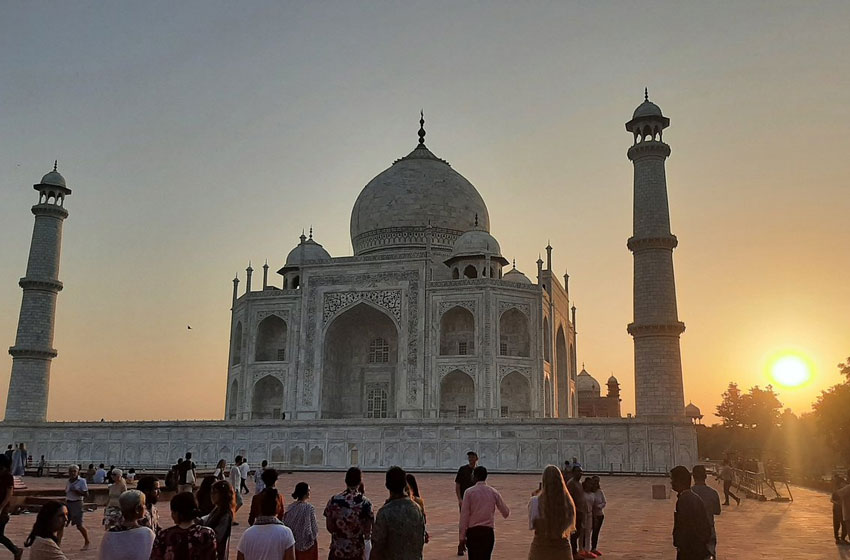
Morning visits are usually the most comfortable because temperatures remain lower and monuments feel less crowded. Sunset visits at certain forts and palace complexes can also create beautiful, relaxed experiences.
One major advantage of private Rajasthan tours with drivers is flexibility. Travelers can return to hotels whenever needed rather than remaining trapped inside rigid group tour schedules.
India rewards slower travel. Visitors who allow themselves time to absorb each location comfortably usually leave with far stronger memories than travelers rushing constantly between attractions.
It depends on the location. Shorts may be acceptable at some sites, but modest clothing is recommended, especially at religious monuments.
No, some monuments restrict photography or ban flash photography inside sensitive areas.
Yes, fake guides and unofficial sellers are common around major tourist sites. Travelers should use licensed guides only.
No, touching ancient structures is discouraged and may damage historical surfaces.
Usually not without special permission. India has strict drone regulations near heritage sites.
Early morning is generally best because temperatures are cooler and crowds are smaller
Some forts and heritage sites involve stairs, uneven surfaces, and long walking distances.
Yes, licensed local guides often improve the experience with historical and cultural explanations.
Yes, security and preservation rules are taken seriously at the Taj Mahal.
Using official ticket counters, professional tour operators, and private guides helps avoid most common scams.