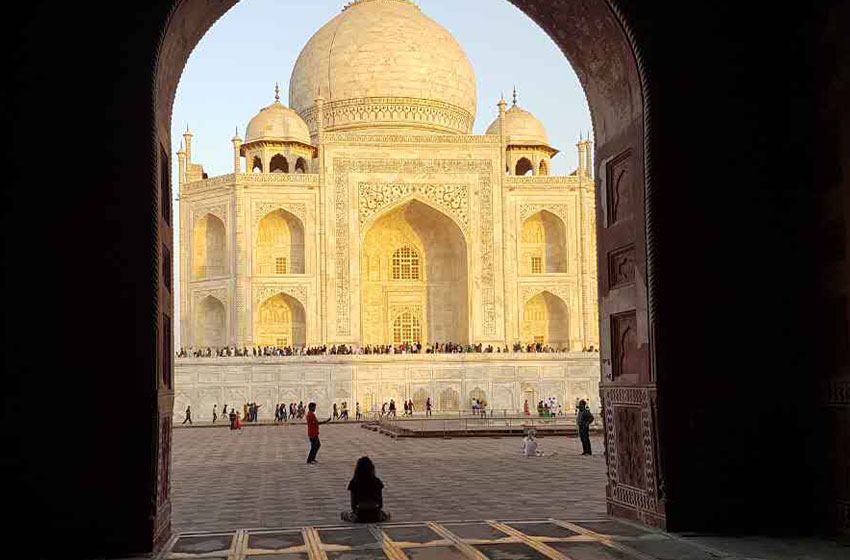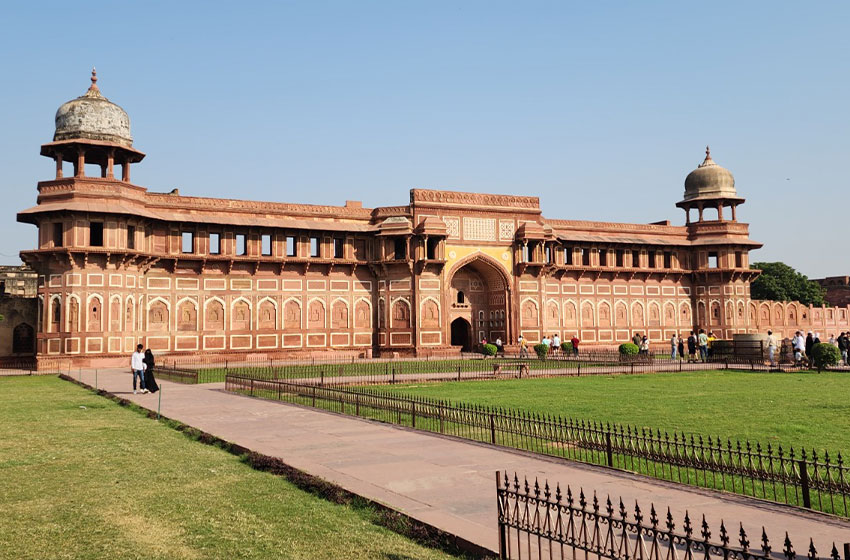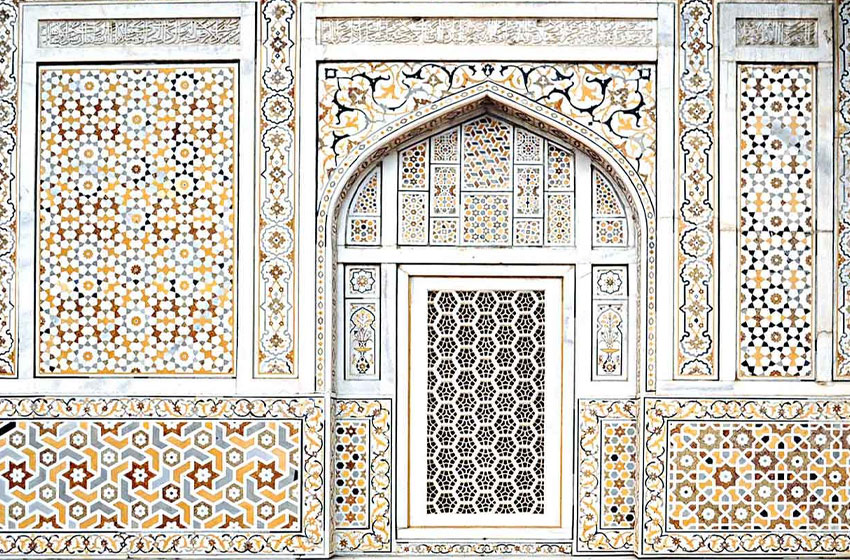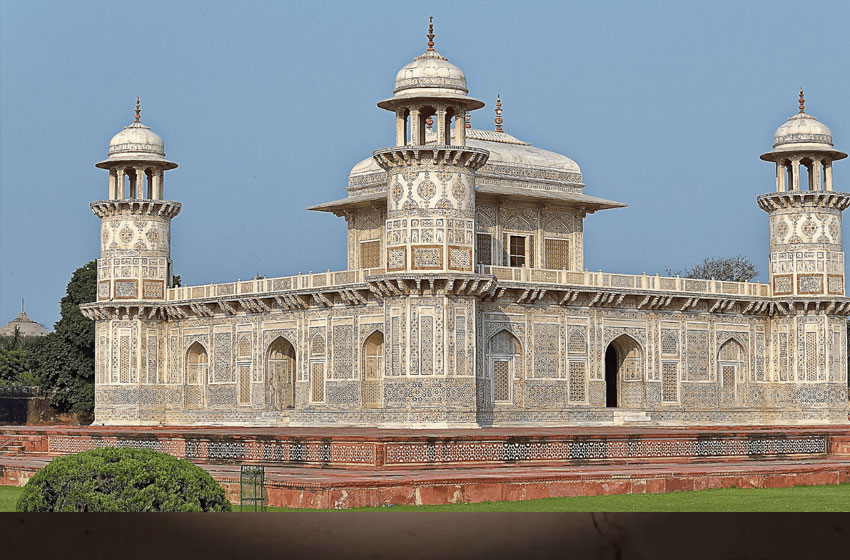
Taj Mahal Entry Fee for Foreigners (Complete Guide)
13 May 2025

India remains one of the most fascinating travel destinations in the world. The country attracts millions of international visitors every year with its royal palaces, colorful markets, spiritual experiences, wildlife safaris, luxury trains, mountain landscapes, and historical monuments. From the streets of Old Delhi to the desert forts of Rajasthan and the lakes of Udaipur, India offers an unforgettable cultural experience. At the same time, many first-time visitors arrive with concerns about scams, aggressive sales tactics, overcharging, or confusing travel situations.
The reality is that most foreign travelers complete their India journeys without facing any serious problems. However, tourist scams do exist in crowded tourism areas, especially around airports, railway stations, monuments, shopping markets, and highly visited heritage zones. Understanding these scams before arriving helps travelers move through the country more confidently and comfortably.
One important thing travelers should understand is that most scams in India are not violent crimes. Instead, they usually involve overpricing, fake information, commission-based shopping pressure, transportation tricks, or unofficial services targeting confused tourists. Travelers who remain calm, informed, and organized can avoid the majority of these situations very easily.
Tourist-heavy destinations naturally attract opportunists in almost every country around the world. India simply feels more intense because of the country’s population size, busy streets, and highly active tourism economy. In cities such as Delhi, Agra, Jaipur, Mumbai, and Varanasi, travelers may encounter individuals attempting to redirect them toward shops, unofficial guides, or overpriced transportation services.
Many scams specifically target first-time visitors who appear jet-lagged, confused, or unfamiliar with local pricing systems. Older travelers, solo travelers, and luxury tourists are often approached more frequently because scammers assume they may spend more money.
Fortunately, experienced travelers quickly realize that India becomes much easier once transportation, hotels, guides, and sightseeing are organized professionally. Travelers choosing private India tours, trusted local operators, or chauffeur-driven Rajasthan tours generally avoid most stressful situations because logistics are already handled in advance.
Understanding scams does not mean travelers should become fearful or suspicious of everyone they meet. India is filled with genuinely kind, welcoming, and helpful people. Most interactions visitors have during their trip are positive. The goal is simply to recognize common patterns so travelers can make smart decisions without unnecessary anxiety.
Many experienced visitors actually enjoy India more after understanding how the tourism environment works. Confidence, preparation, and calm behavior often reduce unwanted attention significantly.
Explore India with Confidence - Leave the Scams Behind
Your India journey should be filled with unforgettable experiences, not unnecessary worries. Travel with trusted local experts, professional drivers, and carefully planned itineraries that help you avoid common tourist scams.
One of the most common situations foreign travelers face in India happens immediately after arriving at airports or railway stations. After long international flights, tourists are often tired, distracted, and unfamiliar with local transportation systems. Scammers understand this perfectly and frequently target travelers during these moments.
At some airports and railway stations, unofficial taxi drivers may approach tourists aggressively offering “cheap rides,” “special hotel deals,” or “government-approved taxi services.” In reality, many of these drivers charge extremely inflated prices, take unnecessarily long routes, or redirect travelers toward hotels where they receive commissions.
Another common scam involves drivers claiming that the traveler’s hotel is “closed,” “unsafe,” “fully booked,” or “under renovation.” The driver then pressures tourists into staying at another property where commission payments are arranged. This tactic remains surprisingly common around Delhi and Agra for first-time visitors arriving late at night.
Travelers can avoid most transportation scams by arranging airport pickup services in advance through hotels or professional tour companies. Many visitors booking private Golden Triangle tours or luxury Rajasthan tours prefer pre-arranged drivers because it removes uncertainty immediately upon arrival.
Official prepaid taxi counters at airports are generally safer than negotiating randomly outside terminals. App-based services such as Uber are also widely available in major Indian cities and provide transparent pricing through mobile applications.
Travelers should avoid entering random taxis without confirming:
Late-night arrivals require extra caution because fatigue makes travelers more vulnerable to pressure tactics. Experienced travelers often prefer arriving during daytime hours when possible, especially on their first India visit.
Private drivers become particularly valuable for older travelers and senior couples because they eliminate repeated transportation negotiations throughout the journey. Familiar drivers also create emotional comfort and reduce stress during long-distance travel across Rajasthan or North India.
Another important tip involves avoiding large currency exchanges directly with unofficial transportation providers. Carrying smaller denominations for short rides helps avoid confusion around change and inflated pricing claims.
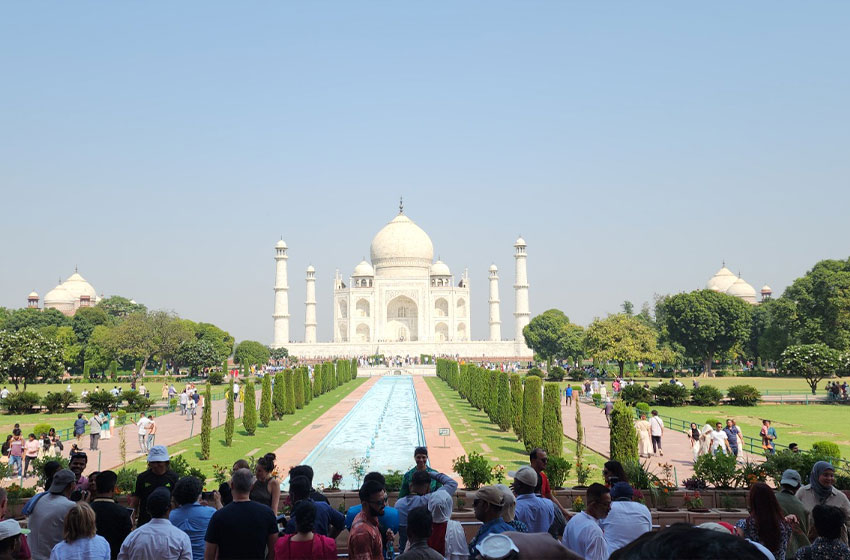
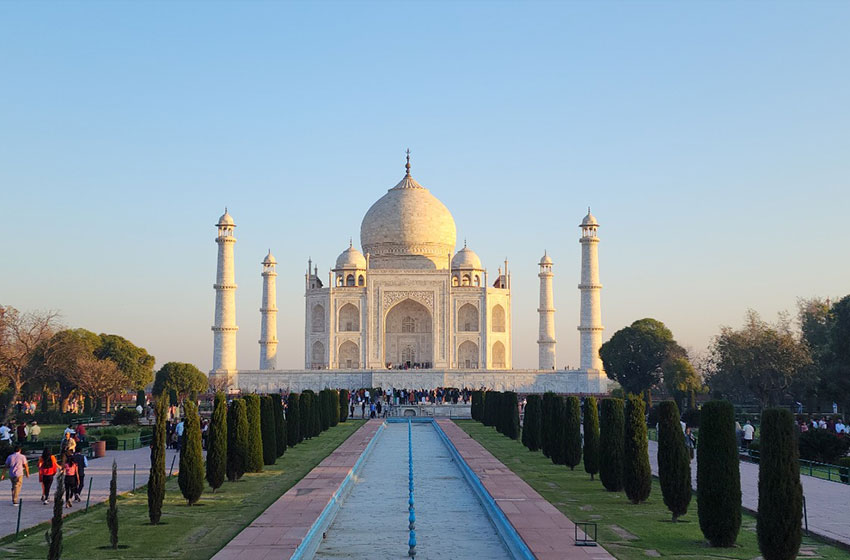
Monuments such as the Taj Mahal, Amber Fort, Fatehpur Sikri, Qutub Minar, and City Palace areas often attract fake guides pretending to be government-approved experts. These individuals usually approach tourists confidently and attempt to create urgency before visitors even reach official ticket counters.
One of the most common tactics involves telling tourists that monuments are “closed,” “restricted,” or “too crowded today” unless visitors hire a specific guide or use a different entrance. Travelers unfamiliar with local systems may become confused and follow these instructions unnecessarily.
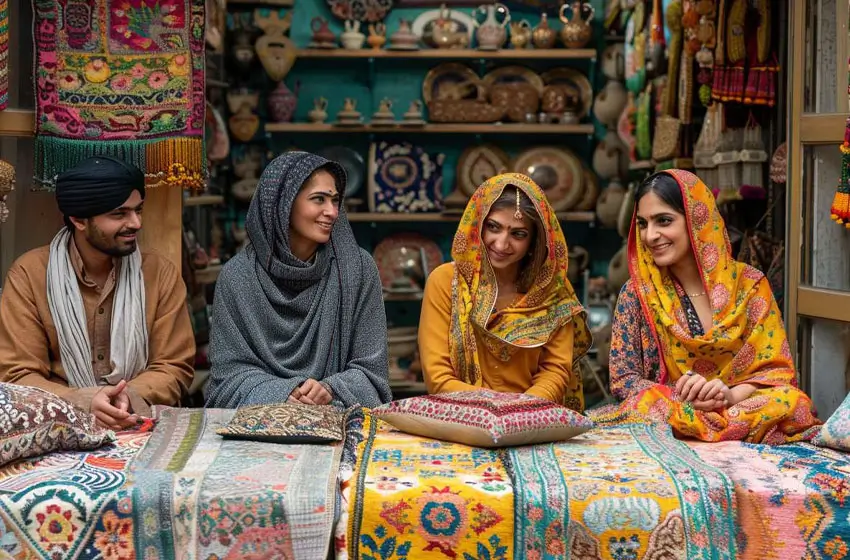
Some fake guides also pressure tourists into visiting handicraft shops, carpet stores, jewelry showrooms, or marble workshops during sightseeing tours. While some demonstrations are legitimate cultural experiences, others are designed primarily for commission-based sales pressure.
Official guides in India usually carry government-issued identification cards. Travelers should request to see guide licenses before agreeing to services near monuments.
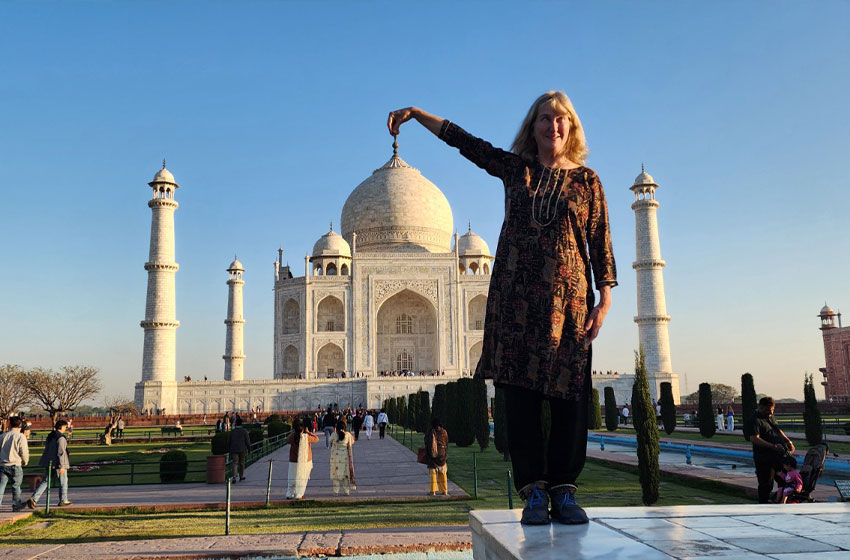
At highly visited sites like the Taj Mahal, another common scam involves unofficial photographers offering expensive photo packages. While some travelers genuinely enjoy professional monument photography, pricing should always be agreed clearly before photographs are taken.
Travelers should also be cautious about individuals offering:
In most cases, official ticket counters and monument authorities should be trusted over random approaches outside heritage sites.
Booking sightseeing through professional travel companies dramatically reduces exposure to these scams. Travelers using organized private India cultural tours often receive licensed guides, fixed schedules, and secure transportation arrangements that simplify monument visits considerably.
Many experienced travelers also prefer early morning monument visits because crowds are smaller, temperatures are lower, and aggressive sales activity tends to decrease during quieter hours.
India’s markets are visually exciting and often become one of the most memorable parts of the travel experience. Jaipur bazaars, Delhi handicraft stores, Jodhpur textile markets, Agra marble shops, and Udaipur art galleries attract visitors from around the world. However, shopping environments in tourism-heavy areas can also become overwhelming for inexperienced travelers.
One common issue involves massively inflated pricing for foreign tourists. In many traditional markets, bargaining remains part of the shopping culture. Vendors may initially quote extremely high prices expecting negotiation.
Travelers unfamiliar with local pricing sometimes overpay heavily for:
Another common scam involves fake “government emporiums” that are actually private shops using misleading names to appear official. Drivers or guides sometimes receive commissions for bringing tourists to these stores.
Travelers should remain cautious if shopping stops suddenly appear during sightseeing tours without prior discussion. Excessive shopping pressure often indicates commission-based arrangements rather than genuine cultural experiences.
This does not mean travelers should avoid shopping entirely. India offers incredible craftsmanship and beautiful handmade products. The key is shopping calmly and intelligently.
Good practices include:
Luxury travelers often prefer curated shopping experiences arranged through trusted local experts rather than random street-market negotiations.
Travelers should also avoid carrying large amounts of visible cash while shopping in crowded tourist zones.
Foreign travelers in India sometimes encounter emotional manipulation scams involving children, fake charities, or fabricated emergency situations. Individuals may approach tourists claiming to need money for medicine, school supplies, train tickets, or food.
While poverty does exist in India, organized begging networks and tourist-targeted emotional scams also operate in some crowded areas. Travelers should remain compassionate while understanding that direct cash handouts may unintentionally support exploitative systems.
Another common tactic involves individuals placing flowers, bracelets, or small gifts into tourists’ hands and then aggressively demanding payment afterward. Once travelers accept the item, scammers create public pressure to force payment.
Travelers should politely but firmly decline unwanted items immediately rather than engaging in long conversations.
At major monuments and crowded tourism areas, some individuals may also pretend to be monks, spiritual teachers, or holy men offering blessings before demanding money aggressively.
Maintaining calm confidence usually discourages further interaction. Nervous hesitation often attracts more pressure.
Many experienced travelers choose to support reputable charities, schools, or social organizations separately rather than responding impulsively during street encounters.
Travel Smart. Stay Safe. Experience the Real India
The best way to avoid tourist scams is to travel with reliable local experts. Our private tours provide transparent pricing, experienced drivers, and personalized service.
India’s railway system fascinates many foreign travelers, but ticketing complexity can also create confusion. One frequent scam involves unofficial “travel offices” located near railway stations claiming to be government tourism offices.
In Delhi especially, travelers may encounter fake tourism centers pretending to represent official railway authorities. These offices often convince tourists that trains are canceled, fully booked, or unsafe before redirecting them toward expensive private transport or overpriced tour packages.
Travelers should remember that official train bookings are handled through verified railway systems and authorized booking platforms only.
Another common issue involves ticket brokers charging excessive service fees for simple reservations. While some travel agencies provide legitimate assistance, travelers should compare prices carefully.
Many mature travelers eventually decide that private driver tours in India provide far more comfort and simplicity than navigating crowded railway systems repeatedly, especially during Rajasthan journeys.
Private transportation also eliminates luggage stress, platform confusion, delayed train risks, and station crowds that can feel overwhelming for first-time visitors.
One of the biggest mistakes travelers make after reading about scams online is becoming overly suspicious or anxious throughout the trip. Constant fear prevents travelers from enjoying India properly.
The reality is that most Indians tourists meet during their journey are friendly, welcoming, and genuinely helpful. Hotel staff, professional drivers, guides, restaurant workers, and local families often create some of the most memorable moments of the trip.
Confidence, awareness, and organization are usually enough to avoid most common tourist scams.
Travelers who experience India through:
typically have extremely smooth experiences.
India rewards travelers who stay patient, observant, and culturally respectful. Most scams become easy to recognize once travelers understand the patterns.
The goal is not to fear India but to travel intelligently.
Minor scams exist in tourist-heavy areas, but most travelers complete their trips without serious problems.
Fake taxi services, unofficial guides, and overpriced shopping are among the most common tourist scams.
Yes, especially when using app-based services, hotel-arranged transportation, or trusted private drivers.
Travelers should use licensed guides or guides arranged through professional tour operators.
Yes, but bargaining awareness and price comparison are important in traditional markets.
Yes, but only moderate amounts. Cards and digital payments are widely accepted in many urban areas.
Uber works well in major cities and is often safer than random street taxis for tourists.
Yes, organized private India tours generally reduce confusion, transportation problems, and scam exposure.
Remain calm, avoid arguments, and walk away confidently without engaging further.
No, but preparation, awareness, and organized travel arrangements make the experience far smoother and safer.