Taj Mahal Entry Fee for Foreigners (Complete Guide)
13 May 2025
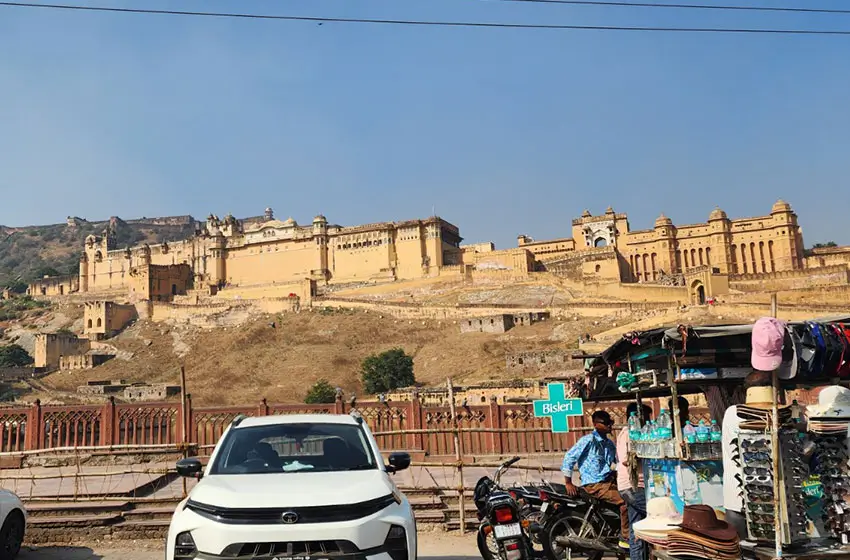
Rajasthan is not a destination that reveals its true character quickly. Many first-time visitors arrive with ambitious itineraries filled with forts, palaces, desert camps, tiger safaris, lakes, markets, and historic cities packed tightly into short schedules. On paper these itineraries appear exciting, but in reality Rajasthan is a region best understood slowly. Travelers who move too fast often leave having seen famous monuments yet missing the emotional atmosphere that makes Rajasthan unforgettable.
The beauty of Rajasthan is not limited to iconic places such as Jaipur, Udaipur, Jodhpur, or Jaisalmer. The real experience exists in the rhythm between destinations. It appears during long road journeys through desert landscapes, quiet mornings inside heritage hotels, conversations with local people, sunset views from old forts, evenings filled with folk music, and peaceful hours spent watching daily life unfold slowly in villages and markets.
This is why slow travel in Rajasthan has become increasingly popular among international travelers seeking meaningful journeys instead of rushed sightseeing schedules. Foreign visitors now prefer fewer destinations with deeper experiences rather than constantly moving between airports, monuments, and hotels without time to emotionally absorb what they are seeing.
Rajasthan naturally rewards travelers who slow down. The region’s atmosphere changes dramatically throughout the day. Early morning light transforms palace courtyards, desert landscapes become golden during sunset, and evenings inside heritage properties feel completely different from busy daytime sightseeing hours. Travelers rushing constantly from one city to another rarely experience these quieter moments properly.
Another reason slow travel works beautifully in Rajasthan is because distances between destinations are often longer than many first-time visitors expect. While maps may make cities appear relatively close, road journeys take time. Travelers who attempt aggressive itineraries frequently spend most of the trip recovering from transportation fatigue instead of actually enjoying the destination itself.
Luxury travelers especially have started embracing slower Rajasthan itineraries because the region’s finest experiences are built around atmosphere rather than speed. Palace hotels, boutique heritage stays, luxury desert camps, lakeside retreats, wildlife lodges, and countryside properties are designed for travelers who want to pause, relax, and fully immerse themselves in the environment.
The emotional difference between rushed tourism and slow travel becomes obvious very quickly. Travelers moving slowly often remember the feeling of Rajasthan, while rushed travelers mostly remember transportation schedules and crowded sightseeing stops.
Slow travel also creates space for unpredictability. Some of the best moments in Rajasthan happen unexpectedly during tea breaks on desert highways, conversations with local artisans, quiet rooftop dinners, village encounters, or spontaneous stops while driving through countryside landscapes. These moments rarely happen naturally when itineraries are overloaded.
Many foreign travelers initially worry that slower travel means “seeing less.” In reality, most travelers who slow down actually experience Rajasthan more deeply and leave with stronger memories because the journey feels emotionally connected rather than mechanically scheduled.
Experience Rajasthan Like Royalty
From sunrise at magnificent hilltop forts to sunset over the golden dunes of the Thar Desert, Rajasthan offers unforgettable moments at every turn. Travel in a chauffeur-driven luxury vehicle.
One of the most common mistakes travelers make while planning Rajasthan tours is underestimating how physically demanding constant movement can become. Travelers often attempt to combine too many cities within short timeframes because Rajasthan appears highly concentrated with attractions. However, the reality of moving repeatedly between Jaipur, Jodhpur, Udaipur, Jaisalmer, Pushkar, Ranthambore, and Delhi quickly creates exhaustion if pacing is not handled carefully.
The problem usually begins with overpacked schedules. Travelers wake early, drive long distances, check into hotels briefly, rush through monuments, continue sightseeing through crowded markets, and then repeat the process the next morning. After several days, the trip begins feeling more like logistical management than cultural exploration.
India already feels intense for many first-time visitors because of traffic, crowds, sounds, climate changes, and sensory stimulation. Rajasthan adds long-distance road travel on top of this intensity. Travelers who constantly rush between destinations often become physically tired and emotionally disconnected from the experience.
Many visitors also underestimate how draining domestic transportation can feel. Flights, train schedules, hotel changes, luggage handling, and repeated check-ins consume far more energy than expected. Slow travel reduces this fatigue dramatically by allowing travelers to stay longer in fewer places.
Another issue with rushed itineraries is that travelers rarely have time to adapt emotionally to each destination. Rajasthan’s cities each have distinct personalities. Jaipur feels energetic and royal, Udaipur feels romantic and peaceful, Jodhpur feels dramatic and historic, while Jaisalmer feels isolated and cinematic. Experiencing these differences properly requires time.
Travelers who stay longer also make better decisions during the journey because they are less exhausted. They choose restaurants more thoughtfully, interact more openly with local culture, notice architectural details more carefully, and remain physically relaxed enough to enjoy sightseeing instead of simply completing it.
Many travelers who initially plan aggressive schedules eventually extend stays after realizing how much more enjoyable Rajasthan feels when the pace slows naturally.
One of the strongest advantages of slow travel is the ability to experience Rajasthan beyond surface-level tourism. Travelers moving quickly usually focus only on famous landmarks, while slower travelers begin noticing smaller cultural details that reveal the true character of the region.
A slower pace creates opportunities for meaningful observation. Travelers begin noticing daily life rather than simply monuments. Morning prayers inside old temples, craftsmen working inside hidden workshops, village women carrying water pots through desert roads, local musicians performing quietly at sunset, and evening conversations inside heritage courtyards all become part of the experience.
These moments rarely happen when travelers spend every day rushing between tourist attractions.
Road travel itself becomes more meaningful during slower journeys. Rajasthan’s landscapes are not simply empty stretches between cities. Desert highways, countryside villages, old havelis, camel caravans, roadside tea stalls, and changing architecture create a visual rhythm that many travelers deeply enjoy when they are not under time pressure.
Slow travel also changes how travelers interact with local people. Instead of viewing conversations as interruptions to sightseeing schedules, travelers become more open to spontaneous cultural exchanges. Restaurant owners, hotel staff, artisans, musicians, drivers, and local guides often share insights that create emotional connection with the destination.
Another major advantage involves photography. Rajasthan’s beauty depends heavily on light and atmosphere. Travelers moving slowly can experience locations during sunrise, sunset, quiet mornings, or peaceful evening hours instead of only during crowded daytime periods.
Luxury travelers increasingly value these authentic moments because modern tourism globally has shifted away from rushed sightseeing toward emotionally meaningful experiences.
The goal of slow travel is not simply relaxation. It is deeper presence.
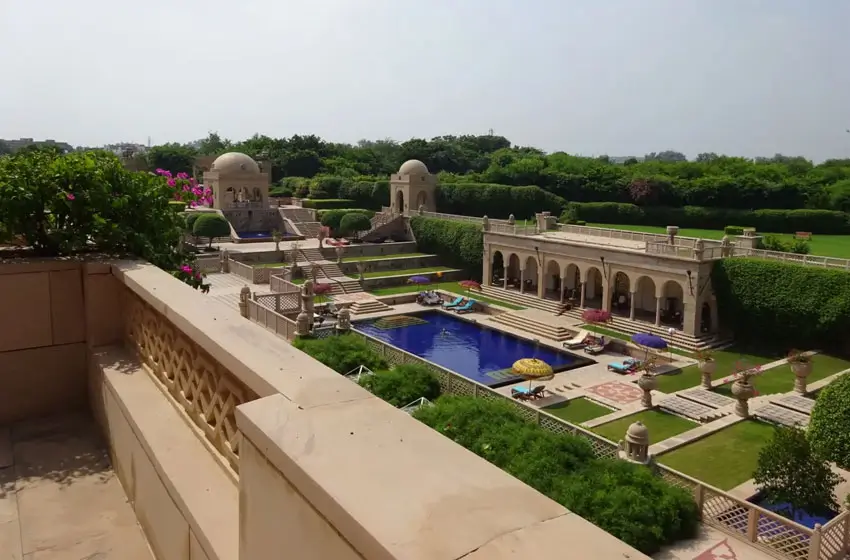
Rajasthan contains some of India’s most extraordinary hotels, including palace properties, heritage mansions, luxury desert camps, lakeside retreats, and boutique countryside estates. Many of these properties are destinations in themselves rather than simple places to sleep between sightseeing stops.
Travelers rushing through Rajasthan often spend very little time actually enjoying these spaces. They arrive late, leave early, and barely experience the atmosphere the hotels were designed to create.
Slow travel changes this completely.
Staying longer allows travelers to experience:
without constantly worrying about departure schedules.
Luxury hotels in Rajasthan are built around atmosphere and emotional pacing. Many properties feel magical during early mornings or after sunset when crowds disappear and the architecture becomes quieter.
Travelers who slow down also enjoy better emotional balance. Rajasthan can feel visually overwhelming because every city contains strong colors, dramatic architecture, busy markets, and intense sensory experiences. Luxury hotels provide space to process these experiences calmly.
Another important factor is comfort. Travelers staying longer in each destination reduce constant packing, unpacking, and transportation fatigue. This creates a far smoother and more luxurious overall journey.
For honeymoon couples, photographers, senior travelers, and wellness-focused visitors, slower hotel pacing often becomes one of the strongest highlights of Rajasthan travel.
Discover the Royal Soul of Rajasthan in Complete Comfort
From Jaipur's magnificent forts and Udaipur's romantic lakes to Jodhpur's blue streets and Jaisalmer's golden dunes, experience Rajasthan with a private driver who lets you travel at your own pace.
Rajasthan is one of the world’s great cultural road-trip regions. The roads between cities often become as memorable as the destinations themselves. However, road travel only feels enjoyable when travelers are not constantly racing against unrealistic schedules.
Slow travel transforms Rajasthan road trips into immersive experiences rather than simple transportation. Travelers stop naturally for chai, photography, village walks, local restaurants, desert viewpoints, and countryside exploration without feeling pressured by time.
This flexibility becomes especially important during private Rajasthan tours where travelers can adjust pacing according to energy levels and personal interests.
Long drives also feel very different emotionally when travelers know they have time. Instead of worrying about reaching hotels quickly, the road itself becomes part of the experience.
Many travelers describe Rajasthan road trips as meditative because the landscape gradually unfolds through desert highways, changing colors, village life, and distant forts rising above hills.
Slow travel allows travelers to emotionally settle into this rhythm rather than constantly treating transportation as an obstacle.
Global travel trends have changed significantly in recent years. Travelers increasingly seek emotional quality rather than simply maximizing destination counts. Rajasthan fits perfectly into this newer style of tourism because the region rewards presence, observation, and slower immersion.
Many experienced travelers now realize that constantly rushing through destinations often creates surprisingly shallow experiences. Travelers may technically “see” many places without truly feeling connected to any of them.
Slow travel creates stronger emotional memory because travelers actually live inside the destination rather than simply passing through it.
Rajasthan’s atmosphere naturally supports this style. The region invites travelers to:
This is why many visitors who originally planned short Rajasthan tours later return for longer journeys focused almost entirely on atmosphere rather than sightseeing checklists.
Slow travel means exploring fewer destinations more deeply with relaxed pacing and longer stays.
Rajasthan’s culture, landscapes, hotels, and road journeys are best experienced without rushed schedules.
Yes, Rajasthan is considered one of India’s best road-trip destinations.
Many travelers prefer at least ten to fourteen days for a comfortable Rajasthan journey.
Luxury travelers often prioritize comfort, atmosphere, and meaningful experiences over rushing between cities.
They can become tiring with aggressive schedules, but slow travel makes them far more enjoyable.
Udaipur, Jaisalmer, Jaipur, Jodhpur, and Pushkar are especially popular for relaxed travel pacing.
Yes, slower pacing usually creates much more comfortable and emotionally rewarding journeys.
Photography in Rajasthan depends heavily on light, atmosphere, and timing, which slower itineraries support better.
Most experienced travelers find slow travel far more immersive, relaxing, and memorable.