Taj Mahal Entry Fee for Foreigners (Complete Guide)
13 May 2025
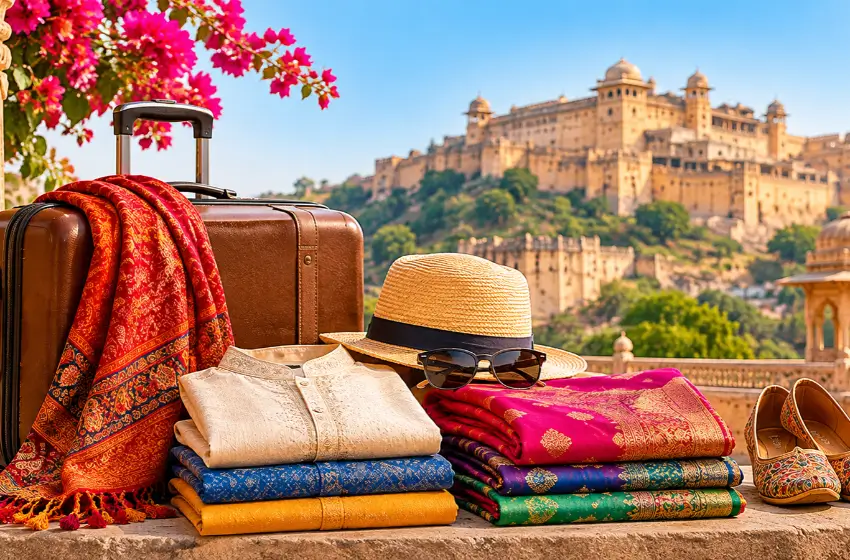
Deciding what to wear in India as a tourist can be confusing for first-time international visitors because the country has very different climates, cultural settings and travel styles. The clothes that work for a December morning in Delhi may feel completely unsuitable during an afternoon in Jaipur, while an outfit that is comfortable at a beach resort may not be appropriate for a temple or mosque. India does not require foreign tourists to dress in traditional Indian clothing, but choosing comfortable and reasonably modest clothes can make sightseeing easier and help visitors feel more at ease in religious and traditional environments.
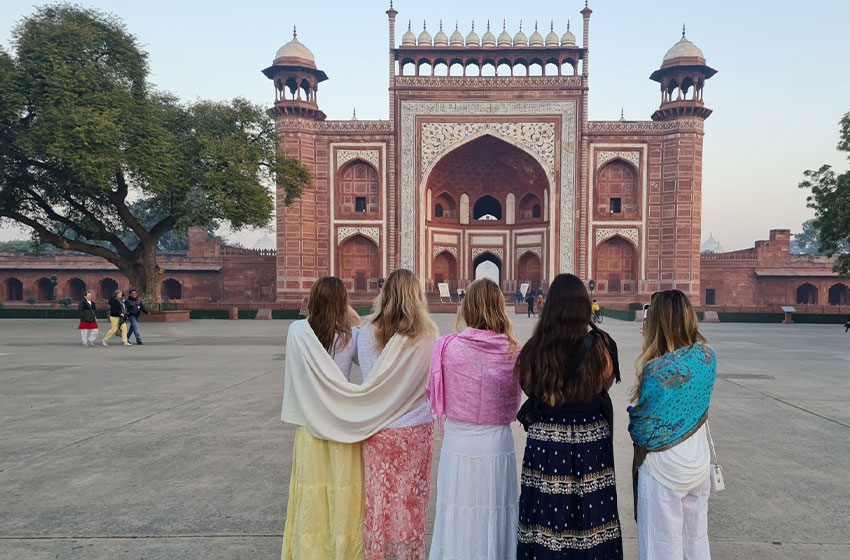
For most sightseeing trips, lightweight trousers, comfortable shirts, breathable dresses of a suitable length, long skirts, T-shirts, blouses and walking shoes are practical choices. Women do not need to cover their hair in ordinary public places, and men are not expected to wear long sleeves everywhere. However, religious sites can have specific requirements, and both men and women should be prepared to cover shoulders or legs when necessary. A lightweight scarf is particularly useful because it takes little luggage space and can be used at religious sites, during cold mornings or for protection from strong sun and dust.
Season matters just as much as culture. Northern India can be surprisingly cold in December and January, particularly during early-morning sightseeing and open-vehicle wildlife safaris. May and June can be extremely hot, while July through September can bring rain and humidity to many regions. Travelers following a Delhi Agra Jaipur tour therefore need clothing that works for the exact travel month rather than relying on the assumption that India is hot throughout the year.
The following guide covers clothing for men and women, seasonal differences, footwear, religious places, the Taj Mahal, Rajasthan, wildlife safaris and longer private tours. It is intended for foreign travelers who want to pack practically without carrying unnecessary luggage.
Female tourists can wear normal Western clothing throughout most of India, but outfits that provide moderate coverage are generally the most practical for sightseeing. Lightweight trousers, loose cotton or linen pants, longer skirts, midi or maxi dresses, T-shirts and blouses are easy choices for cities such as Delhi, Agra, Jaipur, Jodhpur and Udaipur. Clothes do not need to be extremely conservative, but very revealing outfits can attract additional attention in traditional areas and may create problems when entering religious sites.
Comfort should be the first priority because a normal sightseeing day can involve several hours of walking. Tight synthetic clothing can become uncomfortable in hot weather, especially when temperatures rise above 35°C. Breathable fabrics and slightly looser fits generally perform better during long visits to forts, palace complexes and old-city areas. During the cooler season, the same basic outfits can be combined with a sweater, jacket or shawl rather than replacing the entire travel wardrobe.
Shorts are seen in tourist areas, but longer shorts, trousers or dresses are more versatile because they can be worn at a wider range of attractions without requiring a clothing change. Sleeveless tops can also be used in many ordinary settings, although carrying a scarf or lightweight outer layer makes religious-site visits easier.
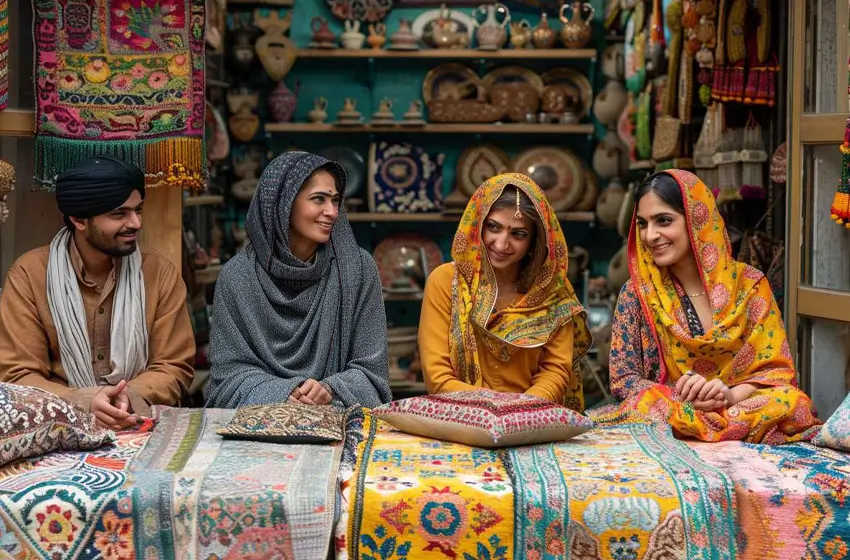
Foreign women do not need to purchase Indian clothing before the trip. A kurta or other local outfit can be comfortable and enjoyable to wear, but it is a personal choice rather than a requirement. The most useful India clothing for female tourists is clothing that is breathable, easy to walk in, appropriate for the weather and adaptable enough for both monuments and restaurants.
Male tourists generally find clothing straightforward in India. Lightweight trousers, chinos, comfortable travel pants, jeans during cooler weather, polo shirts, T-shirts and casual button-down shirts work well in most cities. Shorts can be worn in many tourist areas, but trousers are more versatile when the itinerary includes religious sites, higher-end restaurants or formal hotel environments.
During hot months, breathable fabrics are important. Heavy denim can become uncomfortable in Rajasthan or Agra during late spring and summer, especially when sightseeing requires several hours outdoors. Linen-blend trousers, lightweight cotton pants and moisture-managing travel clothing are more practical for high temperatures. Men who prefer shorts should still carry at least one or two pairs of long trousers for temples and other places where more coverage may be expected.
Tank tops and extremely revealing gym-style clothing are not ideal for general sightseeing. A normal T-shirt provides better sun protection and fits more comfortably into a wider range of settings. At religious places, shoulders and knees should generally be covered unless the site's own rules indicate otherwise.
Winter travelers need more layers than they may expect. Delhi, Agra, Jaipur and Ranthambore can have cold mornings in December and January, and an early Taj Mahal visit can feel chilly before sunrise. A sweatshirt, fleece or lightweight insulated jacket can therefore be genuinely useful.
The most practical India clothing for male tourists combines comfort with flexibility. There is no need to dress formally every day, but carrying a few smarter items for luxury hotels, restaurants or special evenings can be useful on a longer private tour.
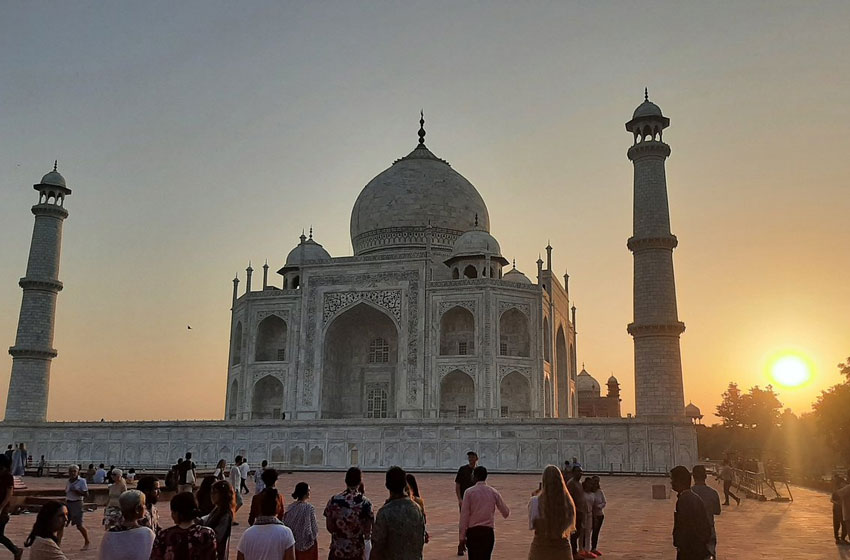
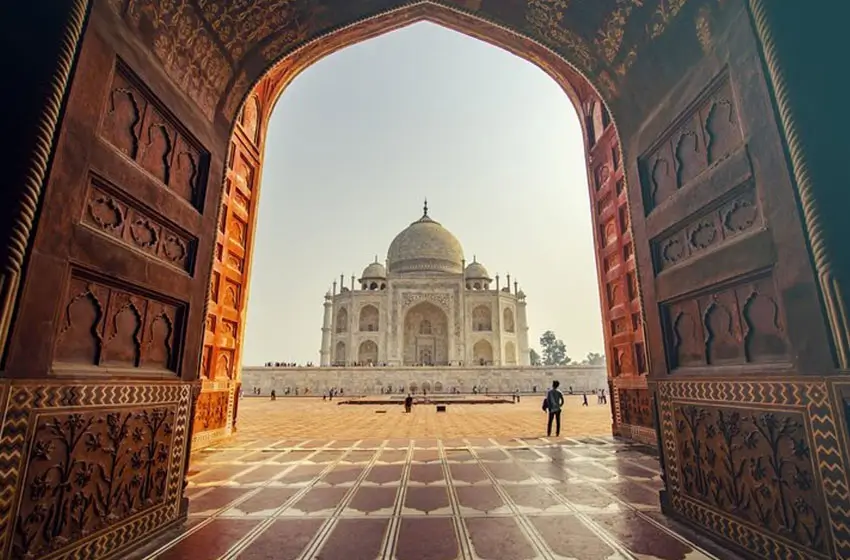
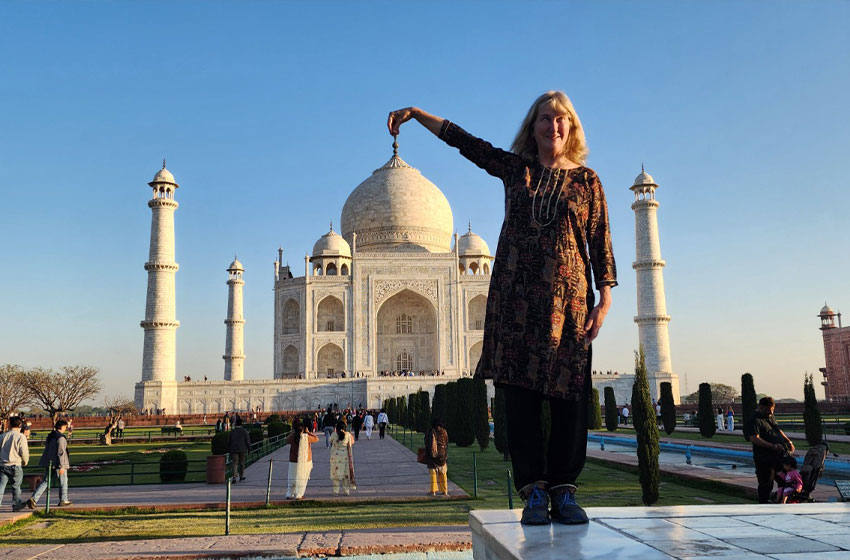
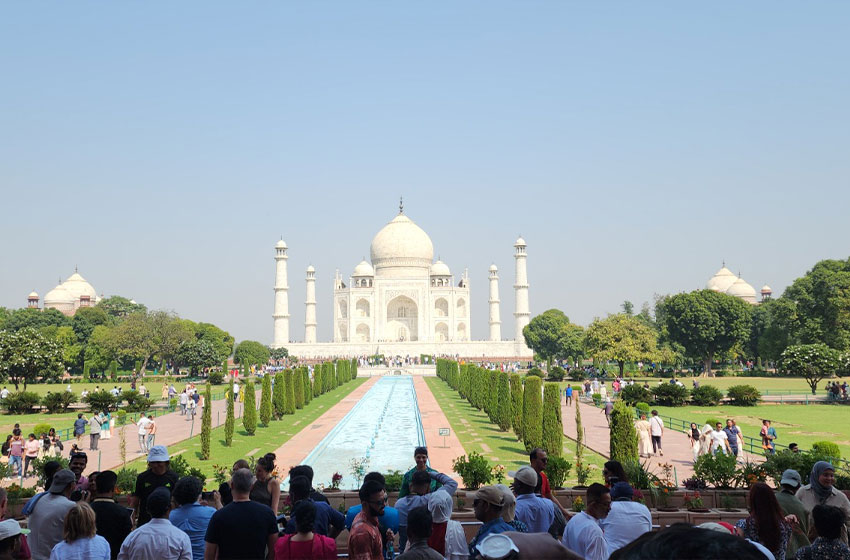
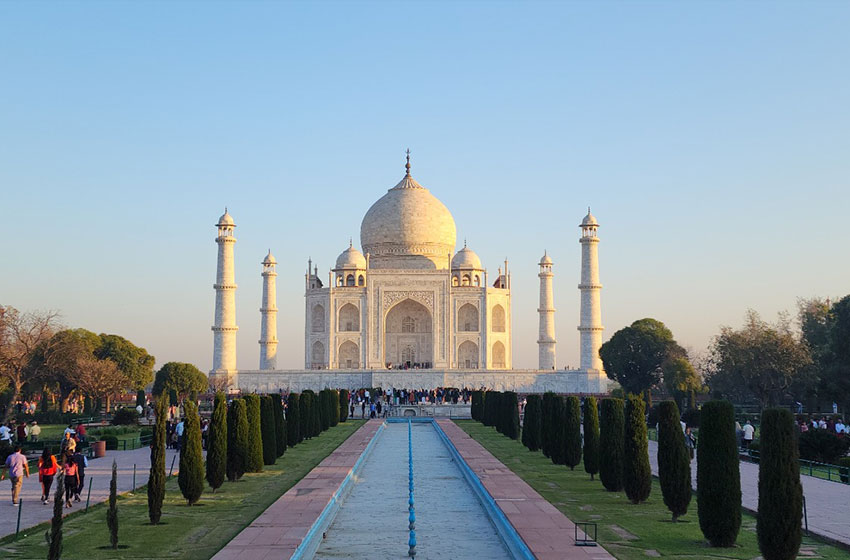
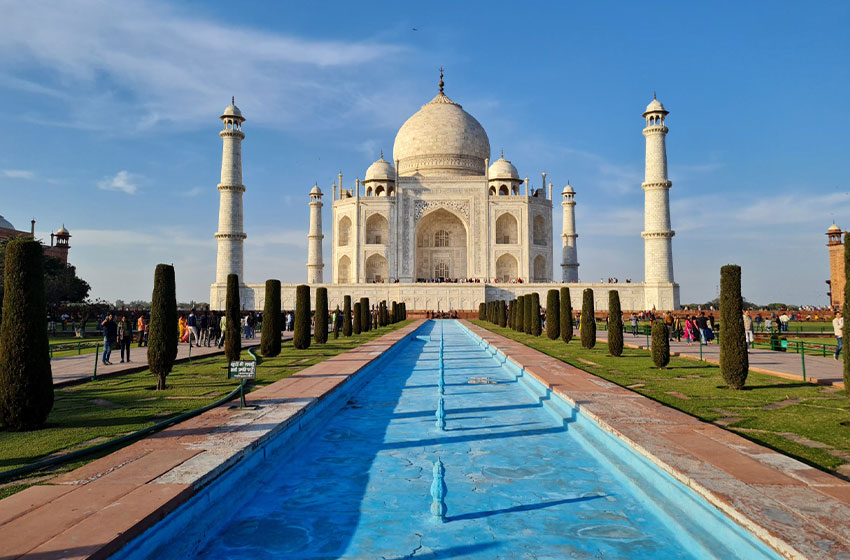
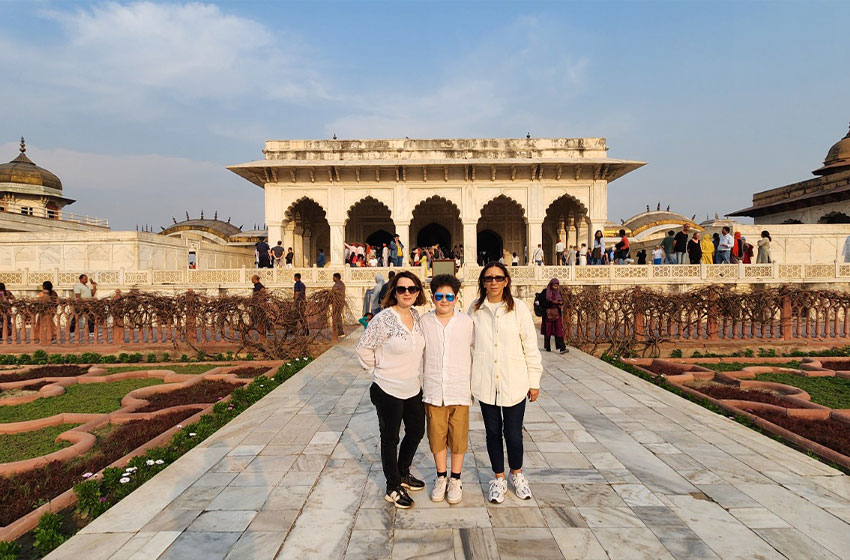
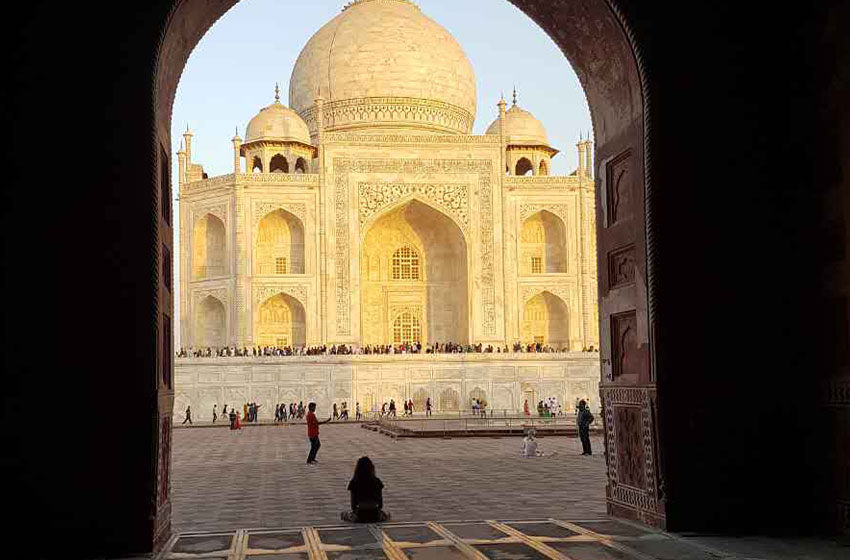
There is no requirement for foreign tourists to wear traditional Indian clothing at the Taj Mahal. Comfortable, respectful sightseeing clothes are sufficient. Women can wear trousers, longer dresses, skirts or other normal travel clothing, while men can wear trousers, chinos or suitable shorts with a T-shirt or shirt. Since the Taj Mahal is a major heritage monument rather than a conventional active place of worship for the ordinary visitor route, clothing requirements are generally less complicated than at many temples.
The practical issue is walking and weather. Visitors normally spend a significant amount of time moving through the gardens, security areas and marble platform. Comfortable shoes are therefore more important than dressing specifically for photographs. Footwear must be removed or covered as required in designated areas around the main mausoleum, so shoes that are easy to manage can be useful.
For a Taj Mahal sunrise visit, clothing should match the season. From approximately December through January, the early morning can be cold and sometimes foggy. A jacket, sweater or warm shawl can make the wait before sunrise much more comfortable. By late morning, temperatures may rise enough that layers can be removed. During April, May and June, the opposite applies: lightweight breathable clothing, sunglasses and sun protection become important because exposed areas can become extremely hot.
Many visitors choose bright or elegant outfits because the white marble provides an attractive photography background. This is entirely optional. Anyone wearing a long dress or elaborate outfit should still make sure it is practical for walking, stairs and security procedures. A beautiful photograph is not worth spending the rest of the visit uncomfortable.
Delhi clothing needs to account for both season and the wide variety of places visited in a single day. A sightseeing itinerary might include Mughal monuments, busy markets, religious sites, modern neighborhoods and a high-end restaurant. Clothing that can move easily between these environments is therefore more useful than highly specialized outfits.
From approximately November through February, travelers should carry layers. December and January mornings can be cold, and winter fog can make the temperature feel lower. A T-shirt or shirt combined with a sweater and jacket provides flexibility because afternoons may become considerably warmer. Travelers taking an early morning walk through Old Delhi should not rely on the afternoon weather forecast when deciding what to wear.
From April through June, heat becomes the main issue. Loose, lightweight clothing is much more comfortable than heavy denim or tight synthetic fabric. Covering some skin with breathable material can actually feel better than wearing very short clothing because it reduces direct sun exposure. A hat and sunglasses are useful during outdoor monument visits.
During the monsoon period, lightweight quick-drying clothing becomes valuable. Shoes should cope reasonably well with wet streets, and carrying a compact umbrella can be useful. Very long trousers or dresses that drag close to the ground can become inconvenient during heavy rain.
A Delhi sightseeing clothing guide therefore cannot recommend one outfit for every month. Visitors should check the season and build their wardrobe around layers, breathable fabrics and clothing suitable for religious sites.
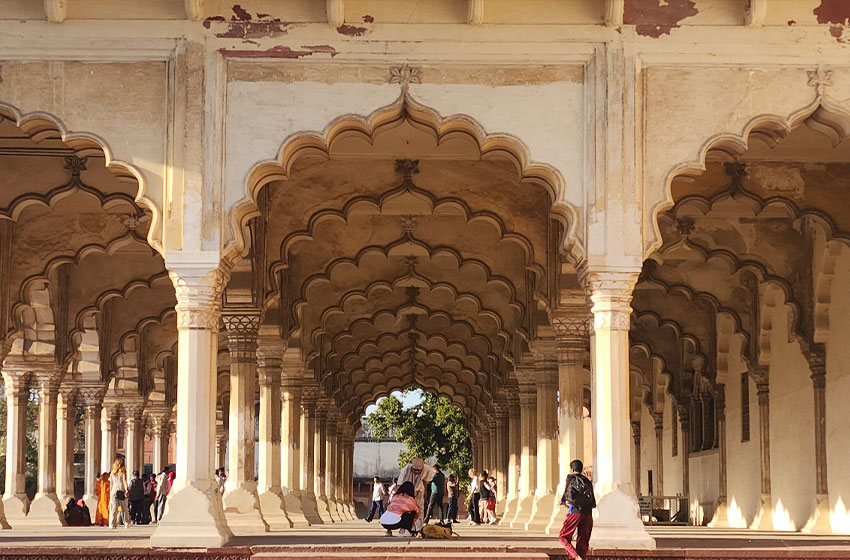
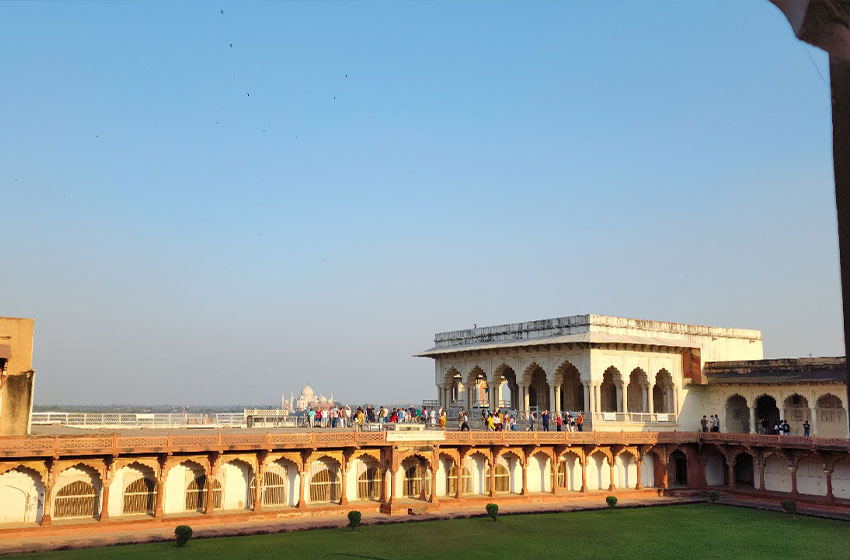
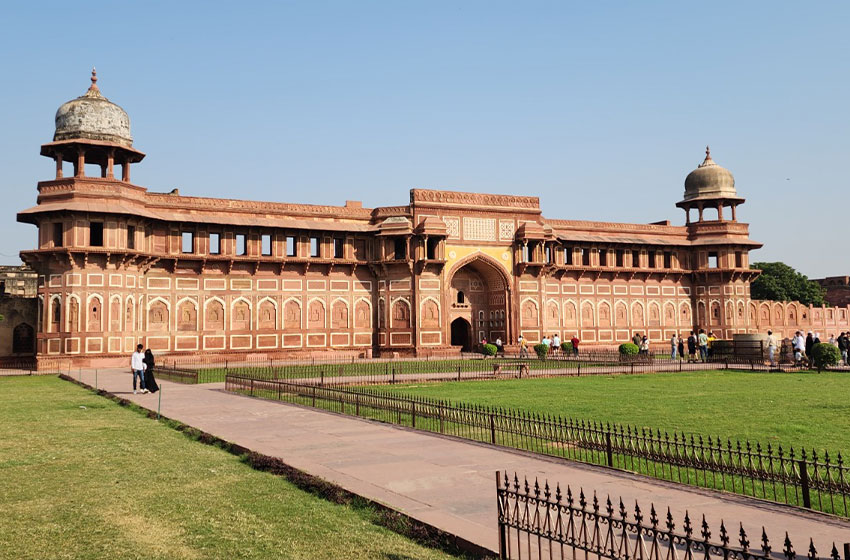
Agra's climate is similar in many ways to Delhi's, but visitors often spend longer periods outdoors because the Taj Mahal, Agra Fort and Fatehpur Sikri all involve substantial walking. Clothing should therefore prioritize temperature control and comfort. During the cooler months, early morning Taj Mahal visits require layers, while afternoons can become mild enough for lighter clothing.
Summer in Agra can be extremely hot. Travelers visiting in May or June should wear loose breathable clothes and avoid relying on thick jeans for full-day sightseeing. Light trousers, cotton or linen shirts and comfortable walking shoes work much better. Sun protection is important because Fatehpur Sikri and sections of Agra Fort contain large open spaces with limited shade.
Women may prefer trousers, maxi dresses or long skirts that allow comfortable movement. Men can use lightweight trousers or suitable shorts for ordinary sightseeing, while keeping long trousers available when the wider itinerary includes religious locations.
The dust and heat of outdoor sightseeing also make expensive delicate clothing impractical. Travelers staying at luxury hotels can keep separate evening clothes for dinner instead of wearing formal clothing around monuments throughout the day.
For a private Agra sightseeing tour, carrying a small day bag with sunglasses, a light scarf, water and an additional layer during winter is more useful than carrying a large amount of clothing from the hotel.
Rajasthan is frequently associated with desert heat, but the state has significant seasonal differences. Jaipur, Jodhpur, Jaisalmer and Udaipur can all become very warm, yet winter mornings and evenings can be cold. Jaisalmer's desert areas in particular can feel chilly after sunset during December and January, making layers essential for anyone staying in a desert camp.
During the main October-to-March tourism season, travelers should combine daytime sightseeing clothes with at least one warm layer. A typical winter day may begin with a sweater or jacket, become warm enough for a shirt during the afternoon and then turn cool again after sunset. Visitors taking a private car between cities can keep an additional layer inside the vehicle instead of carrying it throughout every monument.
Summer requires a different wardrobe. Lightweight cotton, linen and breathable technical fabrics are preferable. Loose trousers and long-sleeved lightweight shirts can provide useful sun protection while remaining more comfortable than heavy clothing. A hat, sunglasses and appropriate sun protection are especially valuable at forts, where visitors can spend several hours walking in exposed areas.
Monsoon clothing matters more in Jaipur and Udaipur than many travelers expect. Quick-drying fabric and suitable footwear are useful when showers occur. Jaisalmer generally remains drier than many other parts of Rajasthan, although weather can never be treated as completely predictable.
The ideal Rajasthan tourist clothing therefore consists of adaptable pieces rather than a suitcase filled only with hot-weather clothes.
Indian summer conditions vary by region, but Delhi, Agra and Rajasthan can become extremely hot during April, May and June. Visitors traveling in these months should select clothing specifically for high temperatures rather than bringing the same wardrobe they would use during the winter tourism season.
Loose cotton shirts, linen clothing, lightweight travel trousers and breathable dresses work well. Clothing should allow air circulation and should not become excessively heavy with perspiration. Synthetic fabrics designed for hot-weather travel can also work when they dry quickly, although thick polyester clothing may feel uncomfortable.
Very short clothing is not necessarily the coolest option. Lightweight fabric covering the arms or legs can reduce direct sun exposure and may feel more comfortable during long outdoor monument visits. A wide-brimmed hat or cap, sunglasses and sun protection should be part of the daily sightseeing routine.
Travelers should also consider how often clothing can be washed. On a 10-day or 14-day India tour, carrying enough clothes for every single day is unnecessary when hotels provide laundry services. Packing fewer lightweight pieces and having them cleaned can reduce luggage significantly.
Footwear should remain breathable but supportive. Open sandals may feel cooler, but travelers who expect long walking days often find lightweight closed shoes more comfortable and protective on hot pavements and uneven historic surfaces.
Winter is one of the most popular periods for foreign tourism in North India, but visitors sometimes arrive without enough warm clothing because they associate India entirely with heat. Delhi, Agra, Jaipur and Ranthambore can all have cold mornings from December through January, and temperatures feel particularly low before sunrise or in an open safari vehicle.
Layering is the most practical approach. A T-shirt or shirt can be combined with a sweater, fleece or light jacket. On colder mornings, an additional warm layer may be needed, particularly for a Taj Mahal sunrise tour or Ranthambore safari. As temperatures rise during the afternoon, the outer layers can be removed and kept in the private vehicle.
Jaisalmer creates another surprise for some visitors. Desert afternoons may feel pleasantly warm, but temperatures can drop significantly after sunset. Anyone staying overnight at a desert camp should carry a proper jacket or warm sweater instead of relying solely on a thin shawl.
Udaipur and Jaipur evenings can also be cool enough to require an extra layer when dining outdoors. Hotels may have outdoor restaurants or rooftop areas where temperatures feel lower after sunset.
Heavy winter coats designed for snow conditions are usually unnecessary for a typical Rajasthan trip, but the exact forecast should be checked before departure. The most useful India winter clothing for tourists consists of several removable layers that can handle a large temperature difference between morning and afternoon.
The monsoon affects different parts of India differently, but foreign travelers visiting Delhi, Agra, Jaipur or Udaipur from approximately July through September should be prepared for rain, humidity and wet streets. Heavy rain may last for a short period and then stop, so clothing that dries reasonably quickly is more useful than thick fabric that remains damp for hours.
Lightweight trousers, quick-drying shirts and breathable dresses work well. A compact umbrella or lightweight rain jacket can be carried in the day bag, although a rain jacket may feel warm in high humidity. Visitors should choose whichever option feels more comfortable for their travel style.
Footwear requires particular attention. Expensive leather shoes or delicate fashion footwear are poor choices for walking through wet streets. Shoes or sandals with reasonable grip and materials that tolerate occasional water are more practical. Flip-flops can be useful around hotels but may not provide enough support for long monument visits.
Very long skirts, wide trousers or dresses that touch the ground can become inconvenient during rain because the lower fabric quickly becomes wet or dirty. Slightly shorter practical clothing is easier for city sightseeing.
For a monsoon India tour, carrying an extra pair of socks and a small lightweight bag for wet items can also be useful. Hotel laundry becomes particularly valuable because humid conditions may make hand-washed clothing slower to dry.
Religious sites deserve more careful clothing choices than ordinary city sightseeing. Requirements vary by temple, so visitors should never assume that the rules at one location apply everywhere. As a general approach, both men and women should wear clothing that covers the shoulders and extends to around the knees or lower. More conservative dress is appropriate when visiting an active religious complex.
Shoes are normally removed before entering temple areas, although the exact point varies. For this reason, footwear that can be removed and put back on easily is convenient. Socks may also need to be removed at some locations, so travelers should follow instructions at the entrance rather than assuming footwear rules.
Women may find a lightweight scarf useful. Head covering is not universally required in Hindu temples, but a scarf can be used when a particular religious site requests additional coverage. Men should also follow any local head-covering requirement rather than assuming such rules apply only to women.
Some temples restrict leather goods, photography, food or specific electronic items. Clothing is therefore only one part of the entry procedure. Visitors should read signs and follow instructions given by authorized staff.
A respectful India temple dress code for tourists does not require purchasing traditional clothing. Normal travel clothes with adequate coverage are usually sufficient, provided visitors comply with any site-specific rules.
Mosques generally require modest clothing, with shoulders and legs appropriately covered. Shoes must normally be removed before entering prayer areas, and women may be expected to cover their hair at certain locations. A lightweight scarf makes this easy without requiring a separate outfit. Men should also avoid sleeveless tops or very short shorts when entering an active mosque.
At Sikh gurudwaras, both men and women are expected to cover their heads. Visitors should use an appropriate head covering and follow instructions at the entrance. Shoes are removed, and visitors may need to wash their hands or feet according to the site's arrangements. A hat may not always be treated as an appropriate substitute for the required covering, so using the cloth or head covering accepted by the site is the safer choice.
Other religious traditions have their own customs. Jain temples may have restrictions relating to leather items, food or photography in addition to clothing expectations. Buddhist monasteries and other sacred spaces also deserve respectful dress.
Foreign tourists should not feel anxious about these rules. Major religious sites accustomed to international visitors usually provide clear instructions, and staff can indicate what is required.
The simplest approach is to carry a scarf and wear clothing that can be adapted easily. This allows travelers to move from a palace or market to a religious site without returning to the hotel for a complete clothing change.
Shorts are worn by tourists in India, particularly in hotels, modern neighborhoods, resorts and many general sightseeing areas. They are not universally inappropriate. The practical issue is that shorts are less versatile than lightweight trousers because certain religious locations may expect the knees to be covered.
Men wearing knee-length shorts will generally find them acceptable for many ordinary attractions, but keeping a pair of lightweight trousers available is useful on days that include temples or other religious sites. Very short athletic shorts are less suitable for general cultural sightseeing.
Women can also wear shorts in tourist environments, but longer shorts or lightweight trousers often attract less attention in traditional areas. The choice is not simply about rules; it is also about personal comfort when moving through busy markets, smaller towns and religious locations.
During extreme summer heat, visitors may assume shorts will automatically feel cooler than trousers. In strong sun, however, loose lightweight trousers can be equally comfortable while providing better sun protection.
Anyone following a private India tour for foreign tourists can also keep a spare layer or trousers in the vehicle. This makes it easy to adapt during the day without carrying everything personally.
Footwear is one of the most important items in an India travel wardrobe because major sightseeing days involve far more walking than many visitors expect. The Taj Mahal, Agra Fort, Amber Fort, Mehrangarh Fort and palace complexes all require time on foot, often across stone, marble, slopes or uneven historic surfaces. Comfortable walking shoes or supportive trainers are therefore the safest general choice.
Travelers should avoid bringing only new shoes that have never been worn before. Blisters during the first two days can make the rest of a multi-city itinerary uncomfortable. Shoes should already be broken in and suitable for several hours of walking.
A second pair is useful, especially during the monsoon. If one pair becomes wet, the traveler has another option the following morning. Lightweight sandals can also be useful for casual evenings and religious sites where shoes are removed frequently, provided they offer enough support.
High heels are generally impractical for monument sightseeing. They can be reserved for hotel dinners or special events if desired, but forts and old-city lanes require more stable footwear.
The best shoes for India travel are therefore not determined by fashion or brand. They should be comfortable, durable, easy to manage and appropriate for the weather during the specific trip.
A Ranthambore safari requires a different approach from ordinary city sightseeing because visitors spend several hours inside an open vehicle. Clothing should be comfortable and should protect against the weather rather than being selected mainly for photographs. Neutral shades are a sensible choice, although tourists do not need full camouflage clothing.
Winter morning safaris can be very cold because the moving vehicle creates additional wind exposure. In December and January, visitors may need a warm jacket, sweater, scarf and other layers. The same day can become considerably warmer later, so clothing should be easy to remove.
During April, May and June, heat becomes the major concern. Lightweight breathable clothes, a hat and sun protection are essential. Long lightweight sleeves can provide useful protection from sun and dust without creating the discomfort of heavy fabric.
Closed shoes are generally practical even though visitors remain in the vehicle for most of the safari. A camera strap, sunglasses and a secure small bag are also useful because loose items can become inconvenient in an open vehicle.
A Ranthambore safari clothing guide should therefore focus on temperature, wind, sun and comfort rather than suggesting that visitors need to dress like professional wildlife researchers.
A woman traveling for one or two weeks does not need a completely different outfit for every day. A practical wardrobe can include several breathable tops, two or three pairs of lightweight trousers, a longer skirt or dress, one warmer layer, comfortable walking shoes, sandals and a scarf. Additional pieces can be added according to season and hotel style.
The scarf is one of the most useful items because it can serve multiple purposes. It can provide additional coverage at religious sites, protect the shoulders from sun, add warmth during a cool evening or help with dust during road travel. It takes very little luggage space compared with carrying several specialized garments.
A smarter dress or outfit can be included for luxury hotel dinners, but formal evening wear is rarely necessary unless a particular event requires it. Most high-quality hotels are accustomed to international leisure travelers and do not expect guests to dress formally every night.
Laundry should be used on longer itineraries. Many hotels offer paid laundry service, and this allows travelers to pack for several days rather than two complete weeks.
For a 14-day India itinerary for foreign tourists, versatile clothing is far more valuable than a very large suitcase filled with single-use outfits.
Men can keep the packing list equally simple. Several T-shirts or casual shirts, two or three pairs of lightweight trousers, optional longer shorts, comfortable walking shoes, casual sandals and one warmer layer will cover most standard North India itineraries. A smarter shirt and trousers can be included for upscale dinners or special evenings.
The exact number of warm items should depend on season. A December trip covering Delhi, Agra, Jaipur, Ranthambore and Jaisalmer requires significantly more layering than a September journey. Travelers should check the expected temperatures shortly before departure rather than relying only on general climate averages.
A lightweight long-sleeved shirt is especially useful because it can provide sun protection, work at religious sites and look appropriate in better restaurants. It can also be worn over a T-shirt when a small amount of extra warmth is needed.
Men should avoid filling the suitcase with heavy jeans. One pair can be useful in winter, but lightweight trousers are easier to wash, dry and pack. They also perform better during long road journeys.
A North India packing list for men should remain compact enough that luggage fits comfortably into the chosen private vehicle, especially when several travelers share the same car.
Luggage becomes particularly important on a private road trip because the same vehicle may carry passengers and suitcases for hundreds of kilometers. Two travelers with two large suitcases can generally fit comfortably into a suitable sedan, but adding several hard-shell cases, cabin bags and shopping bags can quickly consume available boot space.
Families should discuss luggage before choosing the vehicle. Four adults with four full-size international suitcases are usually better served by a larger SUV, MPV or van rather than squeezing everything into a standard sedan. Passenger comfort over a six-hour road journey is more important than selecting the smallest possible vehicle.
Packing lighter also makes hotel changes easier. A route covering Delhi, Agra, Jaipur, Jodhpur and Udaipur may involve several check-ins and check-outs, so moving one manageable suitcase is considerably easier than handling multiple large bags at every stop.
Laundry services make lighter packing realistic. Instead of carrying fourteen complete outfits for a two-week journey, travelers can pack versatile clothing for several days and have selected items washed during longer hotel stays.
When arranging a private car and driver in India, guests should tell India Agra Tours how many large and small bags they expect to carry so an appropriate vehicle can be arranged.
One common mistake is assuming that India is always hot. Travelers arriving in Delhi in January with only summer clothing can be uncomfortable during early mornings, while visitors staying in a Jaisalmer desert camp may find the night much colder than expected. Seasonal research should therefore happen before packing.
Another mistake is carrying clothes that work only in one environment. A very short outfit may be comfortable around a hotel pool but unsuitable for a temple later the same day. Versatile pieces reduce the need to return to the hotel for clothing changes.
Uncomfortable footwear causes even more problems than clothing. New shoes, thin fashion sandals or high heels can become painful after several hours at large forts and palace complexes. At least one pair of proven walking shoes should always be packed.
Overpacking is another frequent issue. A private Rajasthan journey can involve several hotel changes, and excessive luggage creates inconvenience every time the vehicle is loaded. Travelers who intend to shop should also leave some space rather than beginning the holiday with completely full suitcases.
The best India tourist clothing is ultimately practical rather than complicated: appropriate for the weather, comfortable for walking, adaptable for religious sites and easy to pack.
A private car makes clothing management much easier because travelers can keep extra items inside the vehicle. A winter morning may begin with a jacket, which can be left in the car when the afternoon becomes warmer. A scarf or lightweight trousers can also remain available for an unexpected religious-site visit.
This flexibility is especially useful on multi-city routes. Delhi, Agra, Jaipur, Ranthambore and Rajasthan can present different conditions within the same trip. Instead of carrying a large backpack through every monument, travelers can take only essential items and leave additional layers securely with their main travel belongings according to the day's arrangements.
India Agra Tours can arrange private journeys through Delhi, Agra, Jaipur and wider Rajasthan with vehicle categories suited to passenger and luggage requirements. Travelers should provide the number of suitcases before the trip so the car can be selected accordingly.
Clothing should support the journey rather than become something visitors constantly worry about. Breathable sightseeing outfits, reliable walking shoes, one adaptable scarf and appropriate seasonal layers cover most situations. Traditional Indian clothing can certainly be purchased and worn by visitors who enjoy it, but it is not necessary for ordinary sightseeing. Comfortable, respectful and weather-appropriate clothing is enough for the vast majority of an India holiday.
Female tourists can wear lightweight trousers, longer skirts, midi or maxi dresses, T-shirts and blouses for most sightseeing. Clothes do not need to be traditional Indian garments, but moderate coverage is practical for religious sites and more traditional areas. A lightweight scarf is useful throughout the trip.
Yes, women can wear shorts in many tourist areas, hotels and modern neighborhoods. However, longer shorts or lightweight trousers are more versatile for cultural sightseeing because certain religious places expect knees and shoulders to be covered.
Yes. Men commonly wear shorts at many tourist attractions, but trousers are preferable when visiting temples, mosques or other religious locations. Carrying at least one pair of lightweight long trousers is advisable.
No. There is no requirement to wear traditional Indian clothing at the Taj Mahal. Normal comfortable travel clothing is suitable. Visitors should dress for the season and wear practical footwear because the monument visit involves considerable walking.
Women do not need to cover their hair during ordinary sightseeing. Some religious sites may require or expect head covering, so carrying a lightweight scarf is useful. Both men and women must cover their heads at Sikh gurudwaras according to local requirements.
Carry layers. Daytime conditions can be pleasant, but mornings and evenings may be cold. A shirt or T-shirt combined with a sweater and light jacket works well, while a warmer layer is particularly useful for Jaisalmer desert evenings.
Choose lightweight, loose and breathable clothing because Delhi, Agra and Rajasthan can become extremely hot. Cotton, linen and suitable technical fabrics work well. Sun protection, sunglasses and a hat are also valuable for outdoor sightseeing.
Comfortable walking shoes or supportive trainers are the best general choice. Forts, palaces and monuments involve long periods on foot and sometimes uneven surfaces. A second pair of shoes or comfortable sandals is useful, especially during the monsoon.
Wear comfortable neutral clothing suited to the season. Winter morning safaris require warm layers because open vehicles can feel very cold, while summer safaris require lightweight breathable clothes, sun protection, sunglasses and a hat.
You do not need fourteen completely different outfits. Pack versatile clothing for several days and use hotel laundry services during the journey. Keeping luggage manageable is particularly important when traveling on a private India tour with car and driver, where passenger comfort and suitcase space need to be balanced.