Taj Mahal Entry Fee for Foreigners (Complete Guide)
13 May 2025
Packing for India is very different from packing for many other destinations. The country's geography, climate, and travel experiences vary enormously between regions. During one holiday, you may visit bustling cities, mountain hill stations, tropical beaches, wildlife parks, deserts, and heritage monuments, each requiring different clothing and travel essentials.
Many international visitors combine destinations such as Delhi, Agra, Jaipur, Varanasi, Kerala, Goa, Ranthambore, or the Himalayas in a single itinerary. A well-planned packing list helps travellers stay comfortable throughout changing weather conditions while avoiding unnecessary luggage.
One of the biggest mistakes foreign tourists make is bringing either too much luggage or clothing that does not suit India's climate. Heavy suitcases become difficult to manage during frequent hotel changes, domestic flights, and road journeys, while insufficient preparation can lead to unnecessary shopping expenses during the trip.
Travelling with a private car and driver in India makes luggage management much easier because your bags remain safely stored in the vehicle while travelling between cities. Chauffeur-driven tours also allow greater flexibility to carry photography equipment, shopping purchases, and additional travel accessories without worrying about railway or airline baggage restrictions during every transfer.
This guide explains what to pack for an India tour, covering clothing for every season, travel documents, medicines, electronics, luggage recommendations, and practical items that make travelling across India significantly more comfortable.
Before leaving for India, every traveller should organise important documents in both printed and digital formats.
Carry:
Keeping digital copies stored securely on your phone or cloud storage provides an additional layer of security if original documents are misplaced.
Everything You Need for a Comfortable India Journey
From the historic streets of Delhi and Agra to Rajasthan’s desert landscapes and Kerala’s tropical backwaters, every region calls for a slightly different approach to packing.
Winter is widely considered the most comfortable season for travelling across most of India.
Daytime temperatures in destinations such as Delhi, Agra, Jaipur, and Varanasi are generally pleasant, while mornings and evenings can become surprisingly cool.
Recommended clothing includes:
Travellers visiting Ranthambore, Jim Corbett, or other wildlife parks should carry an additional warm layer for early morning jeep safaris.
If your itinerary includes hill stations such as Shimla, Manali, Mussoorie, or Munnar, pack heavier jackets because temperatures may drop considerably after sunset.
Summer temperatures in many parts of India can exceed 40°C, making lightweight clothing essential.
Pack breathable fabrics that remain comfortable during extended sightseeing.
Recommended clothing includes:
Avoid heavy fabrics that trap heat during daytime sightseeing.
Visitors should also carry a reusable water bottle to remain hydrated throughout the day.
Luxury hotels, shopping centres, and vehicles are usually air-conditioned, making travel much more comfortable despite high outdoor temperatures.
Travelling during the monsoon requires slightly different preparation.
Although rainfall varies across India, occasional showers should be expected in many regions.
Useful items include:
Quick-drying clothing is especially useful when travelling through Kerala, Goa, Mumbai, or other coastal destinations where humidity remains high.
Comfortable footwear is one of the most important travel essentials.
Most visitors spend several hours each day walking through forts, palaces, temples, markets, and historical monuments.
Recommended footwear includes:
Many temples require visitors to remove their shoes before entering, so footwear that is easy to remove can be particularly convenient.
Although pharmacies are widely available throughout India, carrying essential medicines is always recommended.
Pack:
Travellers with specific medical conditions should carry sufficient medication for the entire holiday along with copies of prescriptions if required.
Most international travellers rely heavily on electronic devices throughout their trip.
Useful items include:
A universal adapter compatible with Indian electrical outlets helps avoid unnecessary purchases after arrival.
The type of luggage can make travelling significantly easier.
For holidays covering multiple cities, a medium-sized suitcase with smooth wheels is generally more practical than an oversized case.
Many experienced travellers prefer:
A daypack is useful for carrying water, camera equipment, travel documents, sunscreen, and personal belongings during daily excursions.
Travellers using a private chauffeur service can comfortably store additional luggage inside the vehicle while travelling between destinations, making long road journeys far more convenient than relying solely on public transport.
If your itinerary includes Ranthambore National Park, Bandhavgarh, Jim Corbett, Kaziranga, or any other wildlife destination, pack clothing that blends naturally with the surroundings.
Recommended safari clothing includes:
Avoid bright colours such as red, orange, or neon shades, as neutral colours are more suitable for wildlife viewing.
Morning jeep safaris can be surprisingly cool, especially during winter, so carrying a light fleece or jacket is highly recommended.
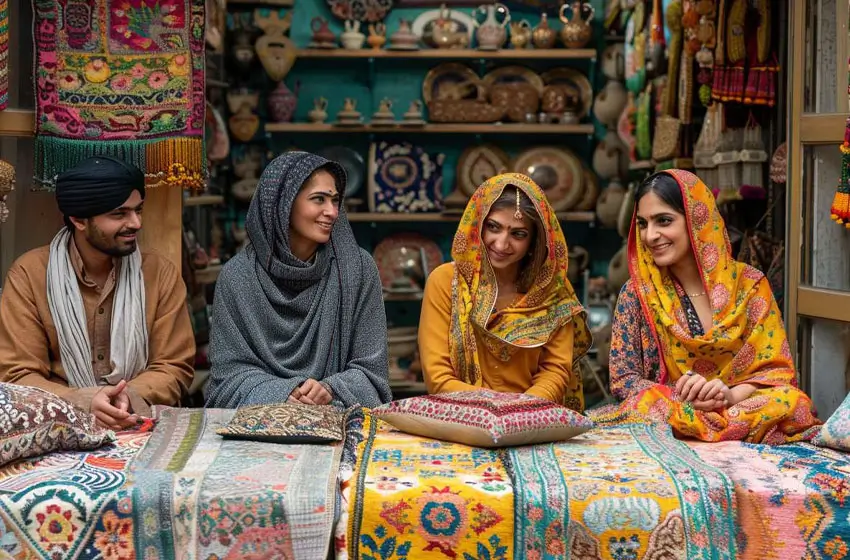
India is home to thousands of temples, mosques, gurudwaras, churches, and monasteries.
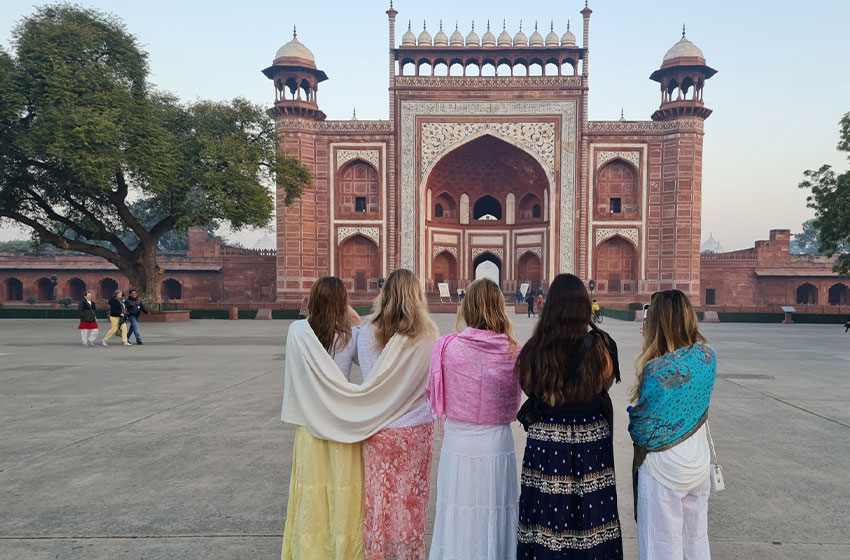
When visiting religious places such as Varanasi, Amritsar, Madurai, or Pushkar, modest clothing is appreciated.
Useful items include:
Many religious sites require visitors to remove their shoes before entering, and some may request that shoulders or heads be covered.
Respecting local customs helps create a more enjoyable cultural experience.
Small travel accessories often become some of the most useful items during an India holiday.
Recommended accessories include:
These items require very little luggage space but greatly improve comfort during flights, road trips, and hotel stays.
Many foreign tourists purchase souvenirs during their India tour.
Popular shopping destinations include:
Leaving approximately 20–30% free space in your suitcase helps accommodate shopping purchases without exceeding airline baggage limits.
Some travellers also carry a foldable duffel bag for additional luggage on the return journey.
Pack for the Journey You’re About to Experience
India rewards travellers who arrive prepared. From comfortable sightseeing essentials and weather-appropriate clothing to cultural visits, safari gear.
Many India itineraries include one or more domestic flights.
Although baggage allowances vary between airlines, travellers should always verify their ticket conditions before departure.
General recommendations include:
Planning your baggage carefully helps make airport transfers quicker and more convenient.
One of the biggest advantages of hiring a private car with driver in India is the flexibility it provides throughout your journey.
Unlike trains or public buses, a chauffeur-driven vehicle allows you to travel comfortably with larger suitcases, photography equipment, shopping bags, and seasonal clothing.
Hotel-to-hotel transfers become simple because your luggage remains safely stored inside the vehicle while you enjoy sightseeing stops along the route.
For families, senior travellers, and visitors exploring multiple cities, this significantly reduces the effort involved in managing luggage throughout the holiday.
Whether travelling through Rajasthan, Kerala, the Golden Triangle, or South India, a professional chauffeur allows you to focus on the experience rather than worrying about carrying heavy bags between stations, airports, and hotels.
Preparing a packing checklist several days before your flight helps ensure that nothing important is forgotten.
Choose lightweight clothing suitable for your itinerary, organise travel documents in advance, and avoid overpacking unnecessary items.
Comfortable footwear, essential medicines, travel adapters, and weather-appropriate clothing are often far more valuable than carrying excessive outfits.
Travellers who pack efficiently enjoy greater flexibility during sightseeing, easier hotel check-ins, smoother domestic flights, and more comfortable road journeys throughout India.
Pack lightweight cotton clothing for warm weather, a light jacket for cooler mornings and evenings, comfortable walking shoes, and modest clothing for visiting religious sites.
Yes. Although cards and digital payments are widely accepted, carrying some Indian Rupees is useful for smaller purchases, tips, and local markets.
Yes. A universal adapter compatible with Indian electrical outlets is recommended for charging phones, laptops, cameras, and other electronic devices.
Carry prescription medicines, pain relief tablets, allergy medication, motion sickness medicine, oral rehydration salts, insect repellent, sunscreen, and basic first-aid supplies.
Comfortable walking shoes are ideal for sightseeing. Sandals and flip-flops are also useful for beach destinations and hotel use.
One medium-sized suitcase, one cabin backpack, and a small daypack are usually sufficient for most India tours.
Neutral-coloured clothing, comfortable shoes, binoculars, a camera with extra batteries, sunscreen, insect repellent, and a light jacket for early morning safaris are recommended.
Yes. Most luxury and mid-range hotels offer laundry services, making it unnecessary to carry excessive clothing.
Yes. Leaving 20–30% free luggage space is recommended for souvenirs, handicrafts, textiles, tea, spices, and other purchases.
Yes. A private car with driver in India makes travelling much easier by providing secure luggage storage, comfortable hotel transfers, and flexible sightseeing without the inconvenience of carrying bags through railway stations or public transport.