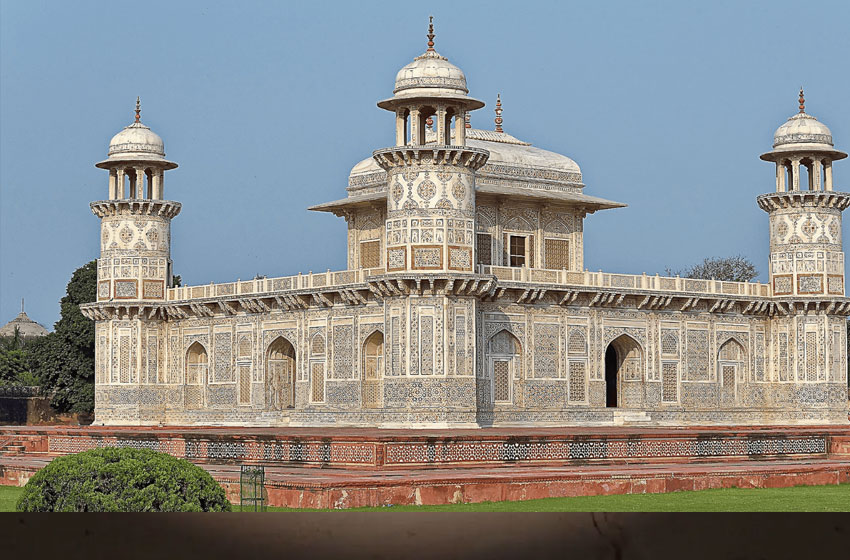
Taj Mahal Entry Fee for Foreigners (Complete Guide)
13 May 2025
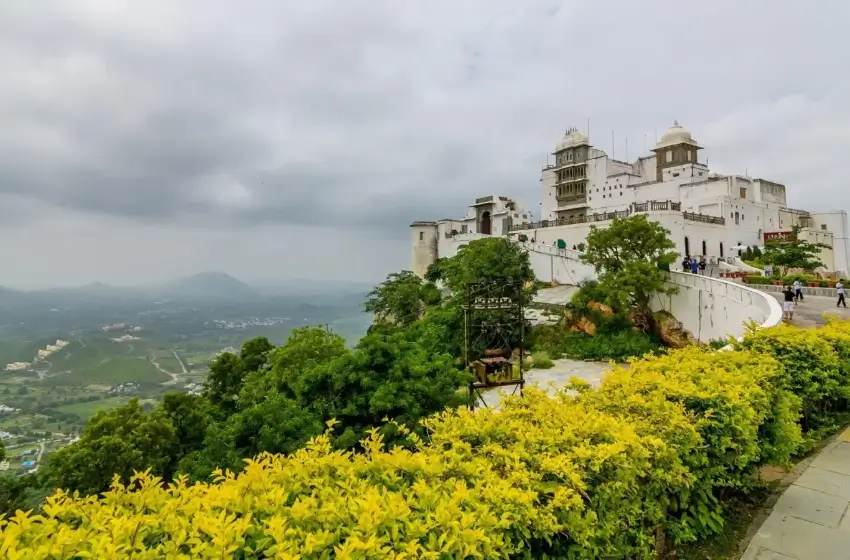
Traveling through India between July and September creates a completely different experience from visiting during the popular winter months. The landscape changes, temperatures begin to move away from the most intense pre-monsoon heat, clouds transform the appearance of historic cities, and destinations that are usually associated with dry brown scenery can suddenly become much greener. At the same time, humidity, unpredictable rain and occasional disruption to road or rail journeys mean that a monsoon trip to India needs a different approach.
Foreign tourists frequently ask whether Rajasthan in monsoon is worth visiting and whether they should include Agra and the Taj Mahal during July, August or September. The short answer is yes, provided travelers understand what monsoon travel actually means. Rain does not normally mean that every day is completely lost. There can be heavy showers followed by long dry periods, cloudy days with little rain, or bright sunshine interrupted by a sudden downpour. Conditions also differ significantly between Agra, Jaipur, Udaipur, Jodhpur and Jaisalmer.
The monsoon can actually solve one problem that makes late spring difficult: extreme heat. May and June can be punishing across North India and Rajasthan. When seasonal rains arrive, cloud cover and rainfall can reduce temperatures, although increased humidity means conditions may still feel warm and sticky. For visitors who can tolerate humidity, July through September can offer quieter monuments, greener scenery and a very different side of India.
The most important factor is flexibility. A foreign traveler visiting during the monsoon should not create a schedule where every sunset, outdoor walk and road journey must happen at an exact minute. A private vehicle is particularly useful because sightseeing can be adjusted around short periods of heavy rain.
India Agra Tours can arrange private journeys through Agra and Rajasthan with a chauffeur-driven vehicle, allowing travelers to alter departure times, stop when weather conditions improve and keep luggage protected during multi-city road travel.
Many first-time foreign visitors hear the word "monsoon" and imagine continuous tropical rain lasting from morning until night for several months. That can create unnecessary concern about visiting India in July, August or September.
The reality is more complicated.
Monsoon rainfall varies by city, week and even hour. A day can begin cloudy, become sunny before lunch and then receive a heavy shower later in the afternoon. Another day may remain overcast without substantial rain. Occasionally, intense rainfall can continue long enough to cause waterlogging and traffic delays.
The monsoon should therefore be treated as unpredictable rather than automatically disastrous.
July usually marks a significant change from the severe heat that precedes the rains. Delhi, Agra and Jaipur can still feel hot, and humidity can be high, but cloud cover often provides some relief from direct summer sunshine.
August generally remains firmly within the wet season. Travelers should be prepared for rain and should avoid assuming that every outdoor activity will happen exactly as scheduled.
September is particularly interesting because conditions gradually begin moving away from the heart of the monsoon. Rain is still possible, but travelers may experience more usable sightseeing periods as the month progresses. Actual conditions vary from year to year, so short-range weather forecasts are far more useful than relying on a single historical average.
The monsoon weather in Rajasthan is also not identical across the state. Udaipur and the Aravalli region can receive considerably more visible seasonal transformation than the western desert. Jaipur receives monsoon rainfall and can become greener around its hills and forts. Jodhpur receives less rainfall than some southeastern parts of Rajasthan, while Jaisalmer sits in an extremely dry desert environment and generally experiences a different monsoon character.
This geographical difference creates an opportunity. A traveler does not necessarily need to abandon an entire Rajasthan journey because one destination has rain in the forecast.
Humidity deserves just as much attention as rainfall. A temperature that appears moderate on a weather application can feel much warmer when humidity is high. Lightweight breathable clothing is therefore more useful than heavy clothing, and travelers should allow time for breaks during long outdoor visits.
Good air conditioning in a private vehicle also becomes valuable. After walking through a humid fort or palace complex, returning to a comfortable vehicle can make a long sightseeing day considerably easier.
A Taj Mahal visit during monsoon can be surprisingly rewarding.
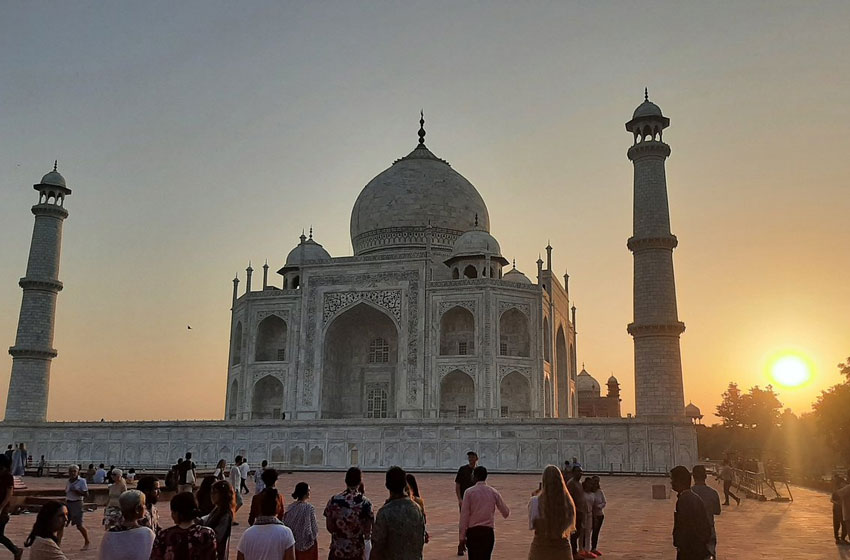
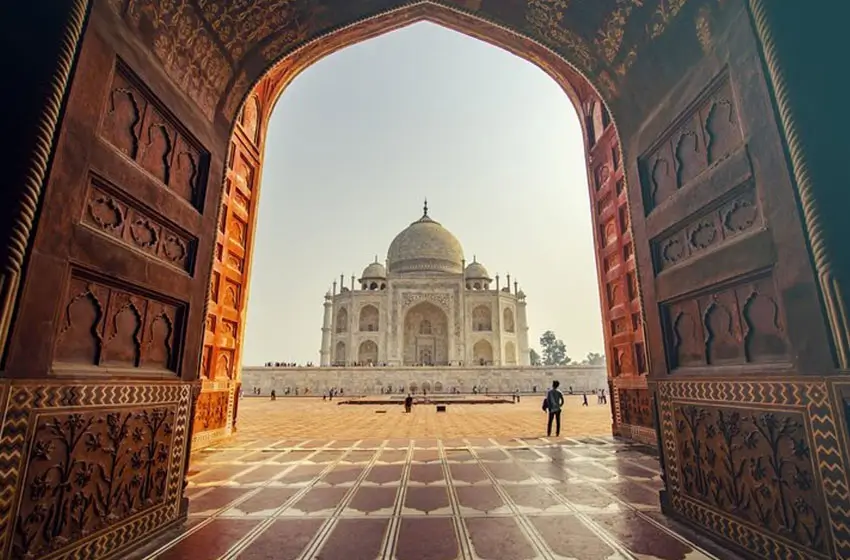
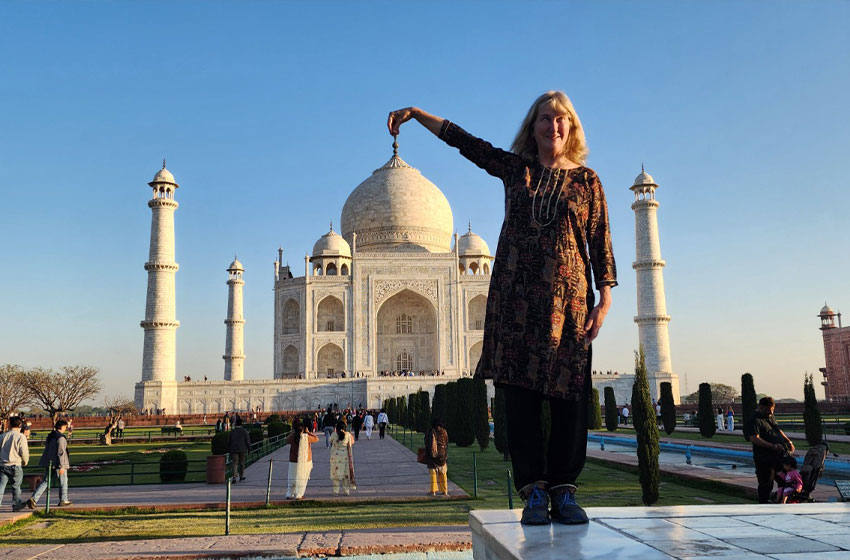
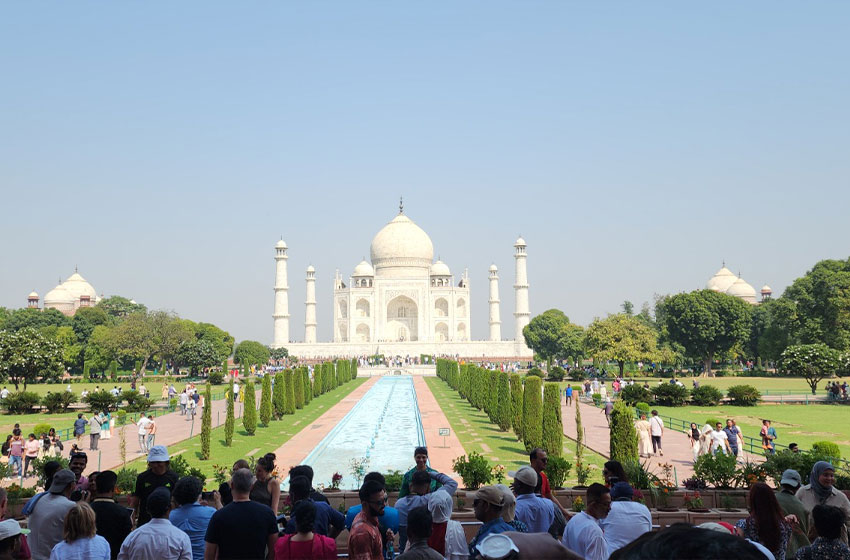
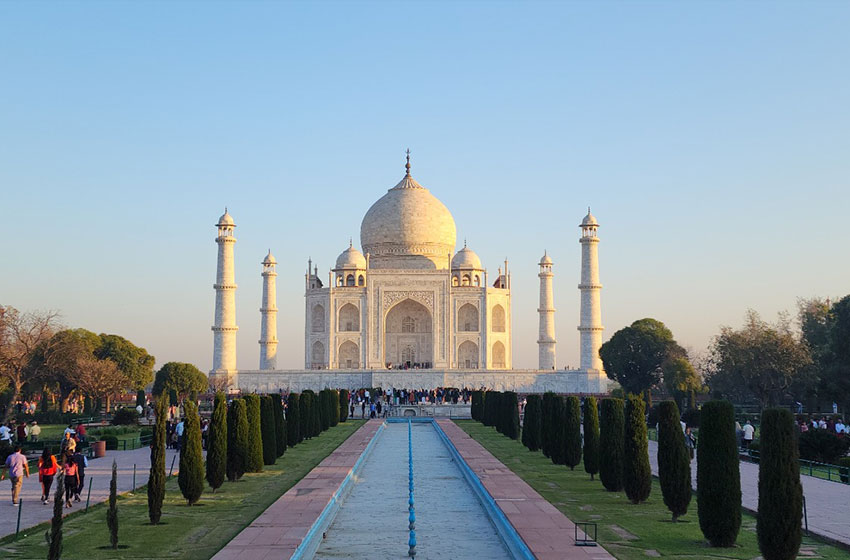
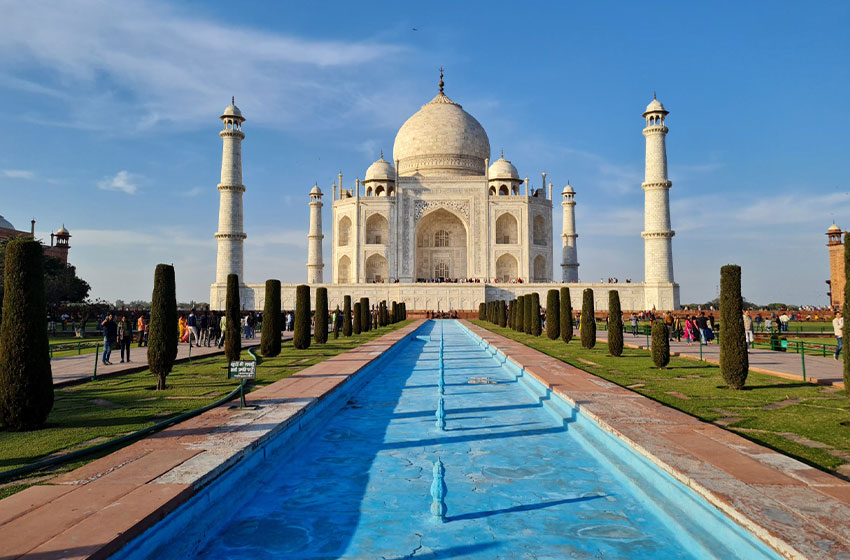
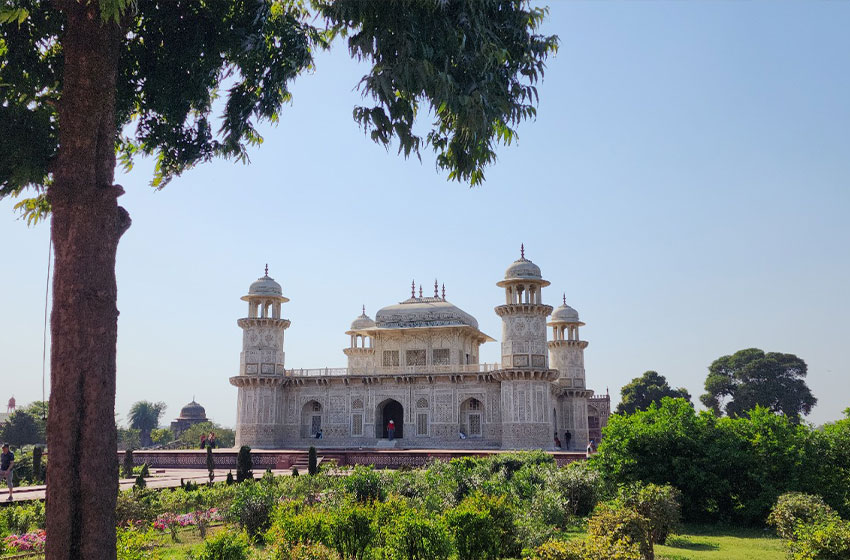
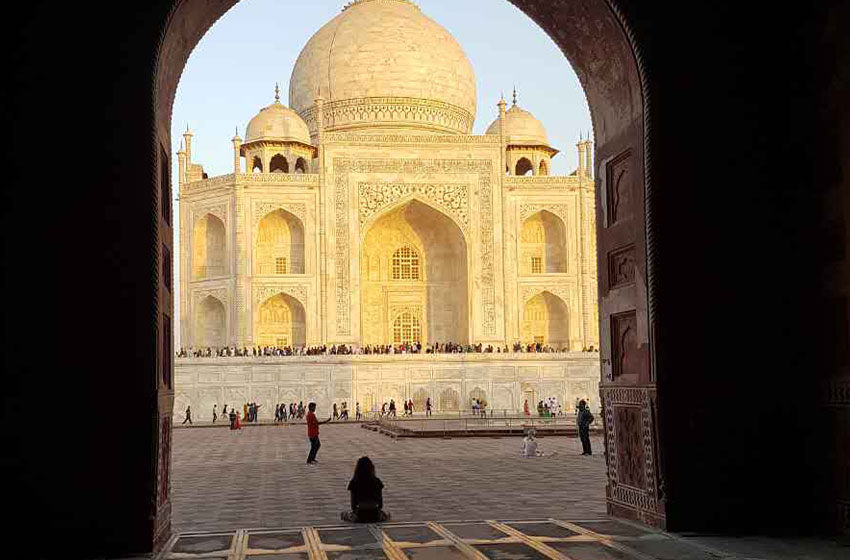
The Taj Mahal is often photographed under perfectly clear blue skies, but cloudy monsoon conditions create a completely different visual atmosphere. The white marble can appear softer against grey clouds, and rainfall can reduce some of the dust normally present in the air.
The main disadvantage is unpredictability.
A traveler may arrive expecting sunrise light and instead encounter heavy cloud. Rain can begin during a monument visit, and wet surfaces require more careful walking. Visitors primarily interested in one specific photographic condition should therefore avoid assuming that a July or August morning will provide it.
For ordinary sightseeing, however, the monument remains entirely worthwhile.
Foreign visitors should remember that the Taj Mahal is generally closed to regular visitors on Fridays. A monsoon itinerary should take this into account because losing one sightseeing day to weather becomes more significant if the following day is also the weekly closure.
The complex opens around sunrise, making an early visit attractive for travelers wanting to avoid the warmer and more humid part of the day. Exact seasonal opening time varies with sunrise, so visitors should check the current entry time close to their visit.
International visitors should also check the current official ticket price before arrival because monument charges can change. Where a ticket includes only access to the main complex, entry to the main mausoleum may require an additional ticket. Travelers should use the authorized ticketing system or arrange the visit through a reputable tour operator rather than relying on unofficial sellers around the monument.
Rain protection needs to be practical rather than excessive. A compact umbrella and lightweight rain layer are generally more useful than heavy waterproof clothing in warm, humid conditions. Shoes should have reasonable grip because stone surfaces can become slippery when wet.
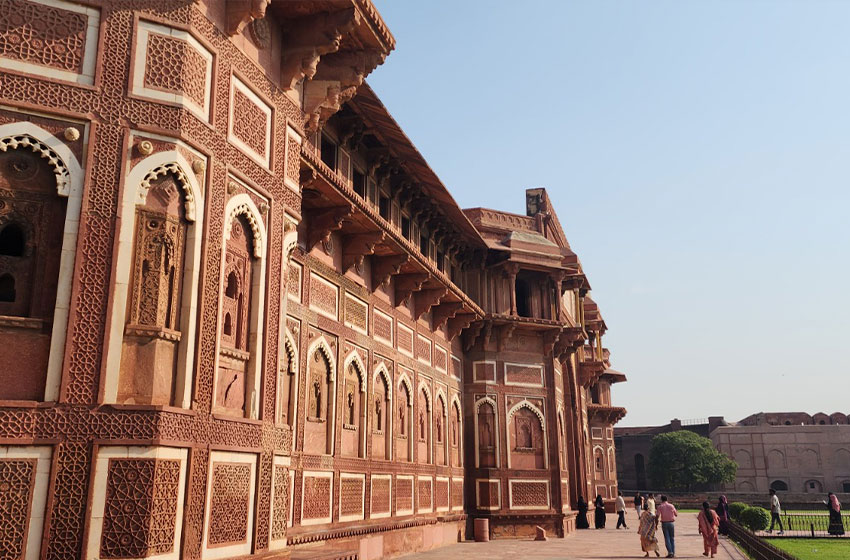
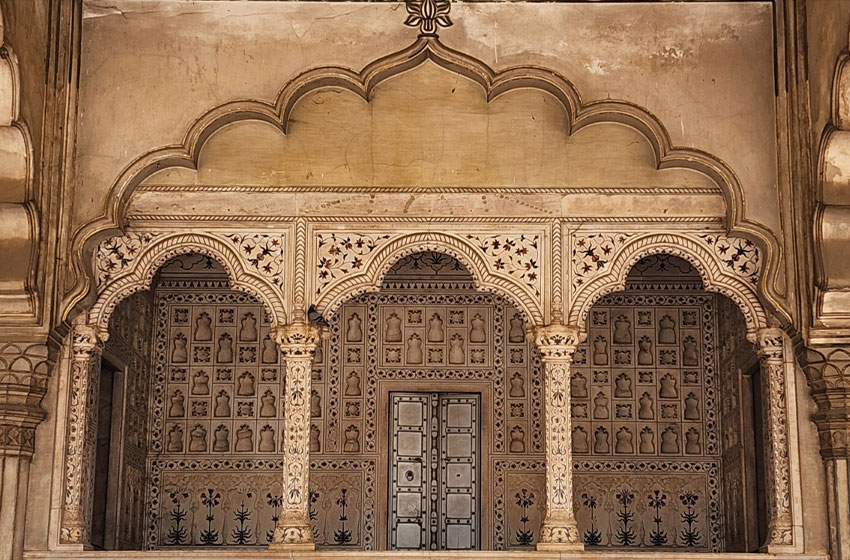
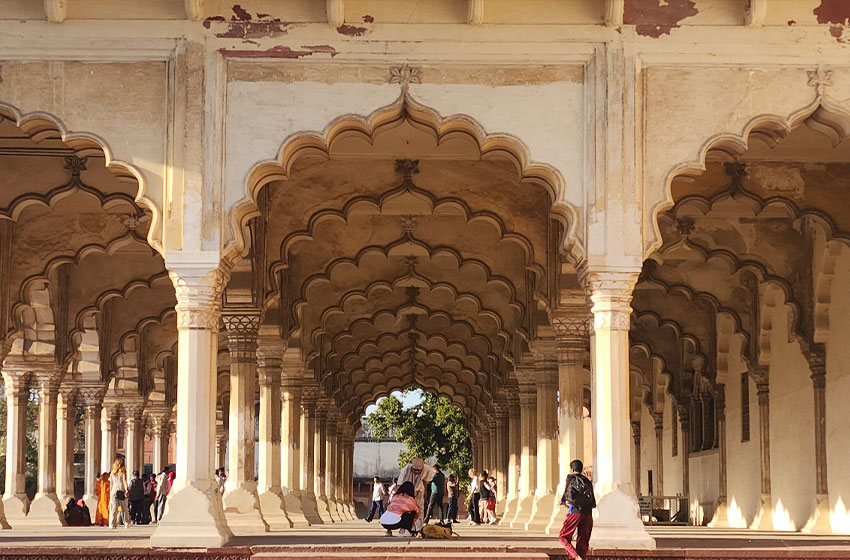
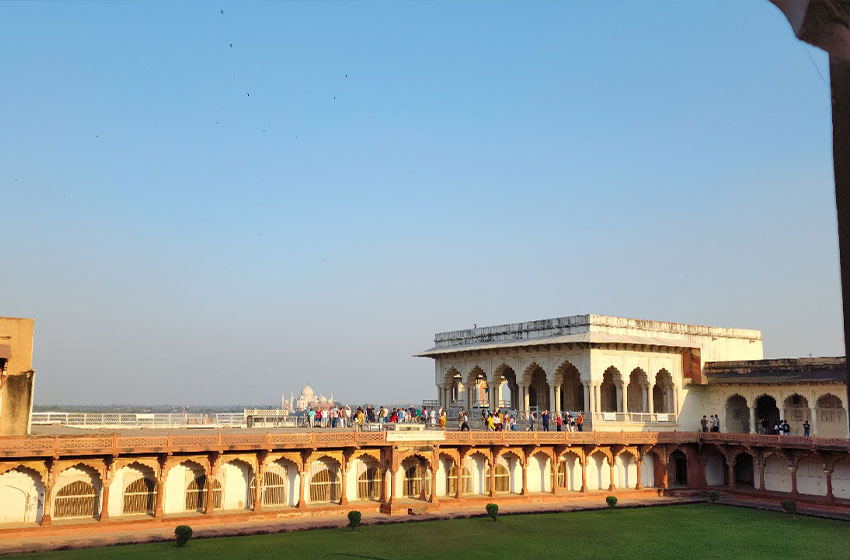
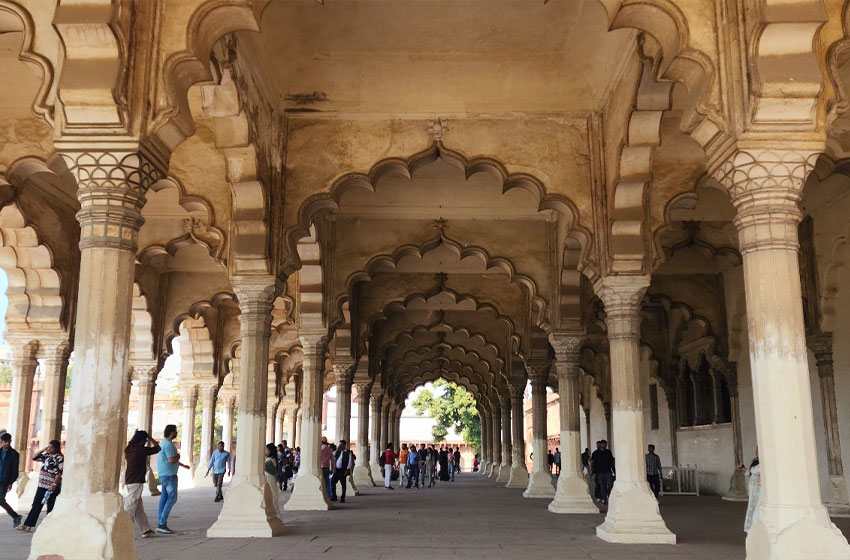
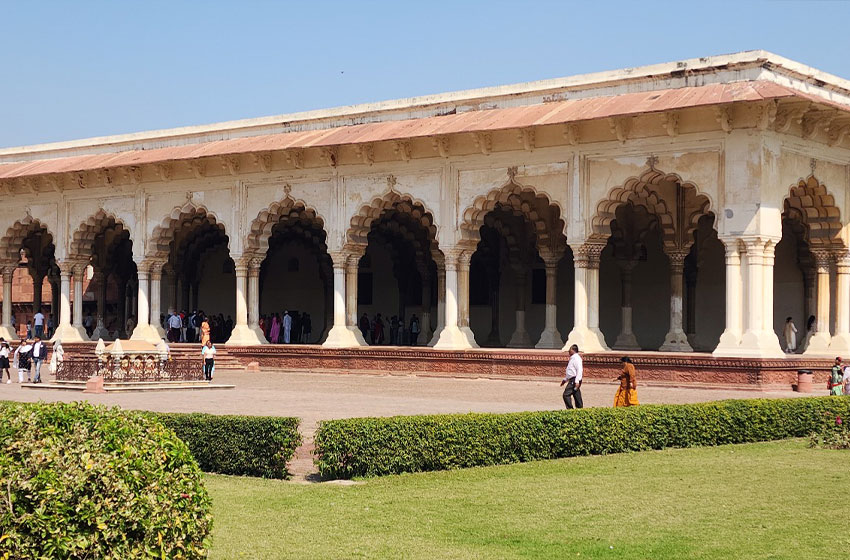
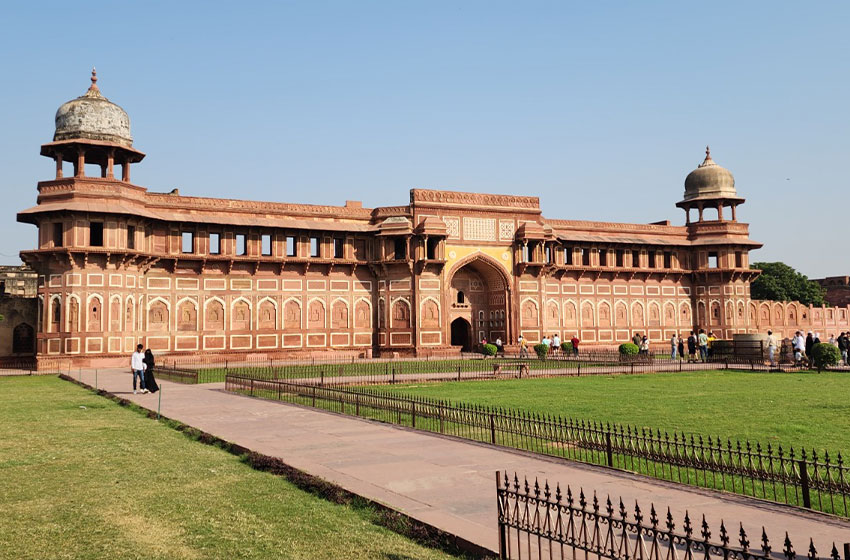
Agra Fort is another major attraction that should not be skipped. Large sections of the complex involve open courtyards and walkways, but covered areas can provide shelter during a short shower. Monsoon clouds can also make the red sandstone architecture particularly photogenic.
Travelers staying overnight in Agra gain more flexibility than those arriving and departing on an extremely tight schedule. If a morning shower affects the first few hours, an overnight visitor still has time to see Agra Fort or adjust other sightseeing.
A private Agra tour is particularly practical during the rainy season because the vehicle can remain available between attractions. Instead of searching for local transport in the rain, visitors can move directly between their hotel, Taj Mahal, Agra Fort and other stops.
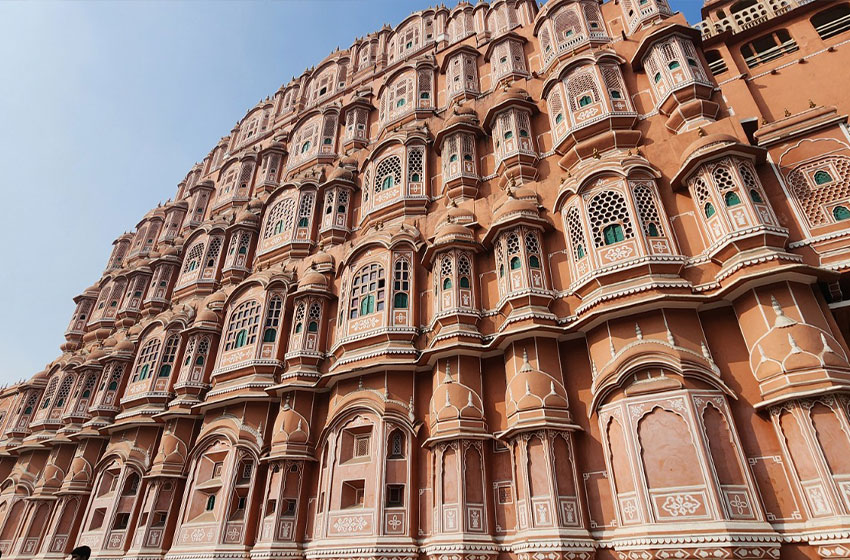
Jaipur is one of the strongest reasons not to dismiss Rajasthan during the monsoon.
The hills surrounding Amber Fort can become noticeably greener, changing the appearance of one of Rajasthan's most famous landscapes. The combination of historic architecture, clouds and seasonal greenery can make Jaipur in monsoon visually impressive.
Amber Fort requires considerable walking. During the hotter months, exposed courtyards and approaches can be tiring. Monsoon cloud cover may reduce direct sunshine, although humidity remains an important consideration.
Rain can make some stone surfaces slippery, so visitors should wear footwear with good grip and avoid rushing through wet stairways or courtyards.
City Palace and Jantar Mantar can be combined with other central Jaipur attractions. If a heavy shower occurs, the schedule can be adjusted around indoor or partially covered areas rather than abandoning the entire day.
The old city presents a different challenge. Busy streets can become slower during heavy rain, and waterlogging can occur in some areas. Foreign visitors using a private car should allow additional travel time rather than scheduling attractions too tightly.
One of the major advantages of visiting Rajasthan in August is the possibility of lower tourist pressure compared with the peak winter season. Popular attractions can still receive plenty of visitors, particularly domestic tourists, but the atmosphere can be different from December and January.
Hotel availability can also be more flexible outside the winter high season. Travelers interested in premium hotels may find the monsoon period appealing, although rates vary substantially by property and date.
Jaipur is also well positioned for a private road itinerary involving Agra. The Agra-Jaipur route can include important stops such as Fatehpur Sikri, depending on the chosen route and available time. During monsoon travel, additional road time should be allowed because heavy rainfall can temporarily slow traffic.
The important point is not to create a timetable where a thirty-minute delay destroys the entire day.
If one Rajasthan destination becomes particularly interesting during the rainy season, it is Udaipur.
The city is famous for its lakes, palaces and setting around the Aravalli hills. Seasonal rain can bring greenery to the surrounding landscape, creating an appearance that is very different from the dry Rajasthan image many foreign visitors expect.
Udaipur in monsoon can therefore be a strong choice for couples, photographers and travelers who prefer a slower itinerary.
City Palace remains the major historical attraction, while Lake Pichola and the surrounding waterfront create the city's distinctive atmosphere. Boat operations and outdoor activities naturally depend on actual weather and local conditions, so travelers should confirm availability rather than assuming every activity will operate during heavy rain.
A cloudy afternoon overlooking the lake can still be beautiful even without perfect sunset conditions.
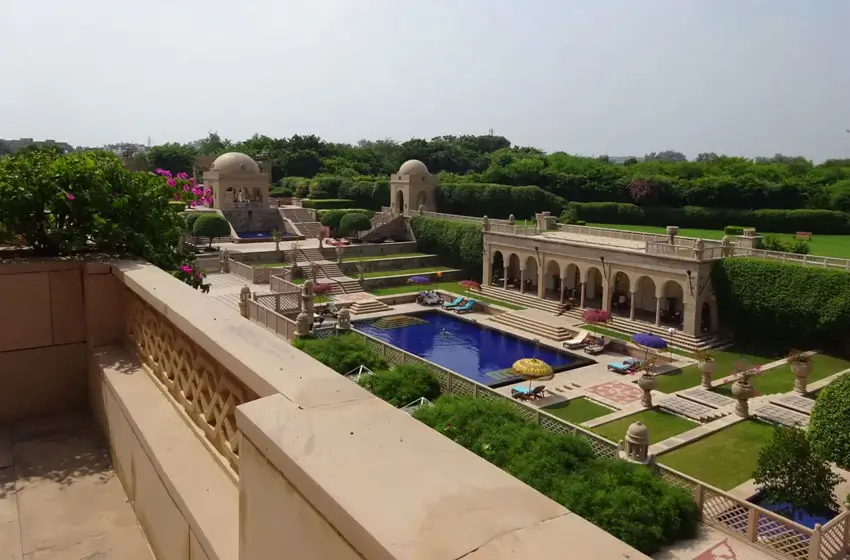
Udaipur also works well for travelers interested in heritage and luxury hotels. Spending two or three nights in one property means rain does not automatically feel like lost holiday time. A traveler can enjoy the hotel, restaurant or palace setting while waiting for a shower to pass rather than spending the entire day moving between destinations.
This is an important difference between good and poor monsoon scheduling.
An itinerary that changes hotels every night becomes tiring when rain slows road travel. A schedule with two or three nights in major cities provides much greater flexibility.
Travelers driving between Jodhpur and Udaipur may also include places such as Ranakpur, depending on their route and interests. Mountain and rural scenery around the Aravallis can be particularly attractive after rainfall.
However, road conditions should always be taken seriously during periods of intense rain. A professional driver familiar with local routes is valuable, and visitors should avoid pressuring drivers to maintain unrealistic journey times during poor weather.
Western Rajasthan has a different relationship with the monsoon.
Jodhpur is drier than Udaipur, although rainfall still occurs. Mehrangarh Fort remains one of the strongest attractions in Rajasthan and is worth visiting regardless of whether the sky is perfectly clear.
Cloud cover can actually make walking through exposed areas of the fort more comfortable than during intense sunshine.
The old city around Jodhpur requires more flexibility. Narrow streets, local traffic and wet conditions can slow walking, so footwear with good grip is important.
Jaisalmer lies much deeper within the desert and generally receives less rain than many other parts of Rajasthan. This means Jaisalmer in monsoon should not automatically be imagined as a wet destination.
However, the major question is whether a foreign traveler specifically wants the classic desert-camp experience.
Desert tourism is often associated with the cooler winter months for good reason. July and August can remain hot and humid, and the experience is different from spending a cold winter evening around a desert camp.
Travelers whose main Rajasthan priority is an overnight desert stay, camel excursion and long sunset experience may prefer the cooler months.
Someone visiting Rajasthan during monsoon for architecture and heritage can still include Jaisalmer, but the extra driving distance should be considered. If the total holiday is short, Udaipur, Jaipur and Jodhpur may produce a more efficient monsoon route than adding a long detour purely to tick Jaisalmer off a list.
A Rajasthan road trip during monsoon requires patience.
Heavy rain can temporarily reduce visibility and slow traffic. Urban roads may experience waterlogging, and travel times can increase. This does not mean that intercity road travel becomes impossible, but foreign visitors should avoid treating estimated driving times as guaranteed arrival times.
A private chauffeur-driven vehicle provides several advantages.
Luggage remains protected inside the vehicle rather than being repeatedly moved between taxis, stations and buses. The departure time can be shifted when weather conditions are poor. Travelers can also stop for a meal or coffee if an intense shower makes sightseeing temporarily impractical.
Vehicle quality matters. Effective air conditioning is useful not only because of heat but also because humidity can make a closed vehicle uncomfortable.
Drivers should never be pressured to travel quickly through heavy rain simply because a hotel check-in or sightseeing slot has been scheduled too tightly.
India Agra Tours can arrange a private car and driver for Rajasthan and Agra, allowing the journey to be adapted according to weather, road conditions and the traveler's preferred pace.
Foreign tourists should also keep essential medication, passports and valuable electronics in protected bags. A small waterproof pouch can be useful for important documents during a heavy shower.
Packing for a monsoon trip to India is different from packing for December.
Lightweight and breathable clothing should form the basis of the wardrobe. Humidity can make heavy fabrics uncomfortable even when the temperature shown on a weather application does not appear extreme.
Quick-drying clothing is useful because damp garments can take longer to dry in humid conditions.
A compact umbrella is one of the most practical items to carry. A lightweight rain jacket can also help, although thick waterproof clothing may feel uncomfortable in warm weather.
Shoes deserve special attention.
Smooth-soled fashion shoes are a poor choice for wet forts, stone steps and old-city streets. Footwear with reliable grip is much safer. Travelers may also want a second pair so that one can dry after a particularly wet day.
A waterproof or water-resistant cover for a small day bag is useful for protecting cameras, phones and travel documents.
Mosquito repellent should be included, particularly when spending evenings outdoors or staying near areas with standing water. Travelers should also follow ordinary food and drinking-water precautions throughout the trip.
Sunscreen remains necessary. Monsoon does not mean the sun disappears for three months. Bright sunny periods can occur between showers, and UV exposure remains possible.
Foreign tourists should carry necessary prescription medication rather than assuming an identical product will always be available locally.
One of the strongest arguments for visiting Rajasthan in July, August or September is the difference in tourism demand compared with peak winter dates.
December and January attract large numbers of visitors because of the comfortable weather. Popular heritage and luxury hotels can become expensive, particularly around Christmas and New Year.
Monsoon travel can offer different availability and, at some properties, more attractive seasonal rates. Exact hotel prices vary widely, so travelers should compare the actual property and room category rather than assuming every hotel will be cheap.
Lower foreign-tourist numbers can also change the atmosphere at attractions.
A quieter fort or palace can be extremely rewarding for travelers interested in photography and architecture. The trade-off is accepting that rain may temporarily interrupt outdoor sightseeing.
This is why monsoon works particularly well for flexible travelers rather than people who want every day to follow an exact minute-by-minute schedule.
A private itinerary can start with an intended schedule while leaving enough freedom to change the order of attractions when weather conditions change.
Each month offers a slightly different balance.
India in July generally means the monsoon is well established across much of North India. Conditions can be hot and humid, and travelers should be prepared for substantial rain events. Rajasthan begins changing visually, particularly around greener areas.
India in August remains firmly within the monsoon period. Travelers choosing August should expect rainfall to be a genuine part of the holiday rather than an occasional surprise. For Udaipur and scenic parts of Rajasthan, this can actually add character to the journey.
India in September can be particularly attractive for travelers who want some of the monsoon landscape but prefer to travel as the season gradually begins changing. Rain remains possible and can still be heavy, but the month moves closer to the more popular autumn tourism period.
No month guarantees perfect weather.
For a traveler primarily interested in Udaipur and Jaipur, August can be fascinating. For someone wanting Agra, Jaipur, Jodhpur and a longer road route, September may feel easier. Travelers whose priority is Jaisalmer's classic desert-camp atmosphere may prefer waiting until cooler conditions arrive.
For the right traveler, absolutely.
The monsoon offers a side of North India that winter visitors never see. Rajasthan can become greener, dramatic clouds can transform historic forts, Udaipur can look particularly atmospheric, and popular attractions may feel less crowded than during peak winter.
Agra remains worth visiting because the Taj Mahal and Agra Fort do not lose their historical importance simply because rain is possible. The main requirement is realistic expectations.
A monsoon visitor should not expect guaranteed blue skies, guaranteed sunsets or completely predictable road times.
Instead, the trip should have flexible sightseeing hours, comfortable hotels, appropriate footwear, rain protection and enough time in each destination to absorb an occasional weather interruption.
For foreign travelers, a private Rajasthan and Agra tour can make this much easier. India Agra Tours can arrange chauffeur-driven travel connecting Delhi, Agra, Jaipur, Udaipur, Jodhpur and other destinations, with the daily schedule adjusted when weather conditions require it.
A July-to-September trip should not be designed like a December itinerary with different dates inserted into the same schedule. When the route is adapted to the season, monsoon India can offer atmospheric landscapes, fewer crowds and memorable views that many winter visitors never experience.
Yes. India during monsoon can be rewarding for travelers who are comfortable with humidity, occasional heavy rain and flexible schedules. Rajasthan and Agra remain accessible, while some landscapes become significantly greener.
Yes, but July can be hot, humid and rainy. Jaipur and Udaipur can become greener, while western Rajasthan remains drier. Travelers should allow flexibility for weather-related delays.
August can be a good month for travelers interested in Rajasthan during monsoon, particularly Udaipur and Jaipur. Rainfall is possible and humidity can be high, but crowds may be lower than during peak winter.
Yes. September can offer a useful transition between the main monsoon period and the more popular autumn season. Rain is still possible, but the countryside may remain green and sightseeing conditions can gradually improve.
Yes. The Taj Mahal during monsoon remains open on its normal visiting days, although rain and cloud can affect photography and outdoor comfort. The Taj Mahal is generally closed to regular visitors on Fridays.
Not necessarily. Monsoon weather can include heavy short-duration showers, cloudy periods, sunshine and occasional prolonged rain. Conditions vary considerably by destination and date.
Yes. Udaipur in monsoon can be particularly attractive because the surrounding hills and landscape become greener. Travelers should keep outdoor activities flexible in case of heavy rainfall.
Jaisalmer can still be visited, but travelers primarily seeking the classic desert-camp experience may prefer the cooler months. Summer and monsoon-period desert conditions can remain hot and humid.
Bring lightweight quick-drying clothing, comfortable shoes with good grip, a compact umbrella, lightweight rain protection, mosquito repellent and protection for electronics and travel documents.
Yes. India Agra Tours can arrange a private Agra and Rajasthan tour with car and driver covering destinations such as the Taj Mahal, Jaipur, Udaipur, Jodhpur and other cities. A private vehicle provides greater flexibility when rainfall or road conditions require changes to the daily schedule.