Taj Mahal Entry Fee for Foreigners (Complete Guide)
13 May 2025
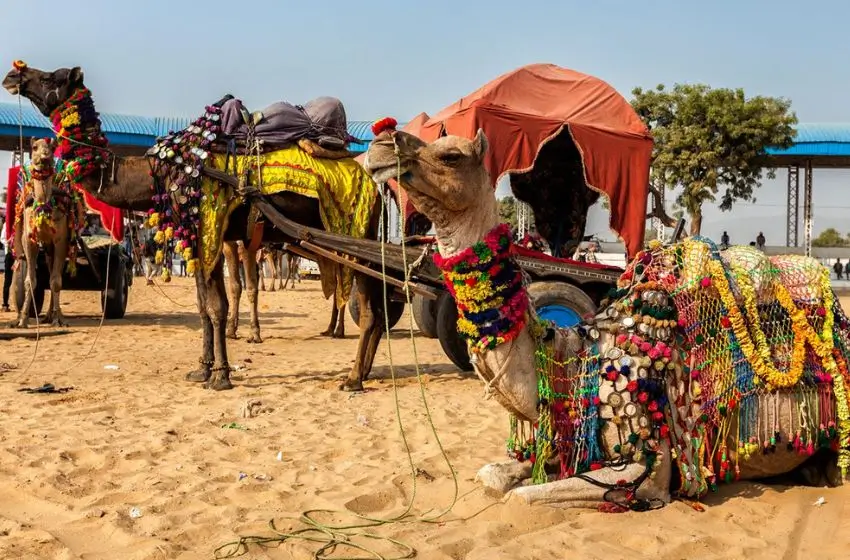
Among all the festivals and cultural events held across India, very few attract the same level of international interest as the Pushkar Camel Fair. Every year, travelers from around the world arrive in Rajasthan to witness one of the country's most colorful and unique gatherings. What began centuries ago as a livestock trading event has gradually evolved into a remarkable cultural festival that combines tradition, spirituality, photography, rural life, and celebration in a way that is difficult to experience anywhere else.
For many foreign visitors, the Pushkar Camel Fair represents the Rajasthan they have imagined while planning their India journey. Thousands of camels gathered on the desert sands, traders wearing vibrant turbans, decorated animals, folk musicians, local communities, traditional competitions, spiritual ceremonies, and extraordinary photographic opportunities all contribute to the event's global reputation.
Unlike a typical tourist attraction, the fair is not something travelers simply visit for an hour or two. It is a living cultural event that transforms the entire atmosphere of Pushkar. Streets become busier, hotels fill with visitors from around the world, and the town develops an energy that feels completely different from the rest of the year.
Because the fair takes place during a specific period, planning becomes especially important. Accommodation availability changes quickly, transportation demand increases, and many travelers choose to include Pushkar within larger Rajasthan itineraries.
Whether you are a photographer, cultural traveler, luxury visitor, family traveler, or first-time tourist to India, understanding how the fair works can help you create a much more rewarding experience.
Many travelers hear about the Pushkar Camel Fair long before they fully understand what it actually is.
At its heart, the event remains connected to Rajasthan's rural traditions. Historically, traders gathered in Pushkar to buy and sell camels, horses, and livestock before the religious festivities associated with the sacred Pushkar Lake.
Over time, this practical gathering evolved into something much larger.
Today, the fair attracts livestock traders, pilgrims, photographers, travel enthusiasts, filmmakers, journalists, and cultural explorers from around the world. The result is a fascinating combination of traditional commerce and international tourism.
One reason the fair remains so popular is authenticity.
Although tourism has increased over the years, visitors still encounter genuine aspects of rural Rajasthan. Traders continue to bring animals, communities continue long-standing traditions, and many activities remain connected to local culture rather than being created specifically for tourists.
This balance between authenticity and accessibility makes the event particularly attractive to international visitors.
Travelers often leave with the feeling that they have witnessed something that remains deeply connected to Rajasthan's cultural identity.
Visitors who have only experienced Pushkar outside the festival season are often surprised by how dramatically the town changes during the fair.
For most of the year, Pushkar maintains a relatively relaxed atmosphere. Travelers stroll through the market streets, visit the sacred lake, explore temples, and enjoy the town's spiritual character at a slower pace.
During the Camel Fair, everything becomes larger.
The population increases significantly as traders, pilgrims, performers, vendors, and tourists arrive from different regions. Temporary camps appear around the fairgrounds, cultural programs become more frequent, and the surrounding landscape fills with activity.
The town develops an energy that many visitors find exciting.
Every walk through the streets reveals new scenes, unusual encounters, and unexpected photographic opportunities. Travelers often discover that simply observing daily life during the fair becomes an attraction in itself.
The atmosphere feels festive, dynamic, and highly visual.
For many foreign tourists, this transformation is one of the most fascinating aspects of the experience.
Transportation becomes an important consideration during the Camel Fair because visitor numbers increase dramatically.
Many international travelers choose private transportation rather than relying on trains, buses, or last-minute taxi arrangements.
One reason is flexibility.
A private vehicle allows travelers to arrive according to their own schedule rather than adapting to transportation timetables. This becomes particularly valuable because fair activities often begin early and continue throughout the day.
Comfort is another advantage.
Travelers frequently combine Pushkar with Jaipur, Jodhpur, Udaipur, Ranthambore, or the Golden Triangle. A private car allows these destinations to connect naturally within a broader Rajasthan itinerary.
Photography enthusiasts especially appreciate the flexibility because they can stop along the route whenever interesting scenes appear.
Families and senior travelers also benefit from direct transportation, reduced logistical complexity, and the ability to manage luggage more comfortably.
For many visitors, a chauffeur-driven transfer transforms transportation into part of the travel experience itself.
One of the reasons the Pushkar Camel Fair attracts photographers from around the world is the incredible variety of scenes available throughout the event.
Visitors encounter thousands of camels decorated with colorful textiles, ornaments, and traditional accessories. Traders gather to negotiate livestock sales while local communities participate in activities that have been part of the fair for generations.
Beyond the camels themselves, travelers often encounter horse displays, cultural performances, traditional competitions, local artisans, food vendors, musicians, and entertainers.
The fairgrounds become a constantly changing environment where no two hours feel exactly the same.
Many first-time visitors arrive expecting only camels and leave having experienced something much broader.
The event offers insight into rural Rajasthan, traditional lifestyles, and cultural practices that are difficult to observe elsewhere.
Simply walking through the fairgrounds can occupy an entire day because there is always something new happening.
Patience often rewards visitors with the most memorable experiences.
Few events in India offer the same concentration of photographic opportunities.
The combination of people, animals, landscapes, colors, and cultural activities creates an environment that photographers find irresistible.
Early mornings are particularly popular because the soft light and desert atmosphere produce exceptional conditions. Dust rising from the fairgrounds, silhouettes of camels against the sunrise, and traders beginning their day often create dramatic compositions.
Portrait photography is another major attraction.
Many visitors spend hours capturing images of traders, musicians, performers, and local residents whose clothing and expressions reflect the rich cultural heritage of Rajasthan.
However, successful photography at Pushkar often requires patience.
The best images rarely come from rushing between locations. Instead, they emerge from observation, timing, and willingness to spend time within the environment.
Even travelers who are not serious photographers often return home with some of their favorite images from the entire India trip.
Although the Camel Fair receives most of the international attention, Pushkar remains one of India's most important spiritual destinations.
The town is built around the sacred Pushkar Lake and is associated with religious traditions that attract pilgrims throughout the year.
Many visitors initially focus on the fair itself and later discover the spiritual significance of the destination.
During the festival period, religious ceremonies, prayers, and rituals continue alongside the commercial and cultural activities.
This combination creates a unique atmosphere.
Travelers can spend part of the day exploring the fairgrounds and another part observing life around the lake and temples.
The contrast between these experiences often becomes one of the most interesting aspects of the visit.
Pushkar is not simply a festival location. It is a town with deep cultural and religious importance.
Understanding this broader context helps visitors appreciate the destination more fully.
One of the most common planning questions concerns duration.
Some travelers attempt to visit Pushkar as a day trip from Jaipur. While this approach is possible, many visitors later wish they had allocated more time.
The fair is large, dynamic, and constantly changing.
A single day provides a useful introduction, but travelers often feel rushed because there is so much to see.
Spending at least one night allows visitors to experience different parts of the day, including sunrise, daytime activities, sunset, and evening cultural programs.
Photographers frequently prefer two or three nights because lighting conditions and fair activities vary significantly.
Travelers interested in both the fair and Pushkar's spiritual attractions also benefit from additional time.
The ideal duration depends on interests, but many experienced visitors believe that at least one overnight stay creates a much richer experience than a brief visit.
One aspect of planning that should never be underestimated is accommodation.
During the Camel Fair, hotel demand increases dramatically.
Properties that remain readily available during other times of the year often fill quickly once festival dates approach. Luxury hotels, heritage properties, boutique accommodations, and premium camps frequently receive reservations months in advance.
As a result, travelers who know they want to attend the fair generally benefit from booking accommodation early.
The choice of accommodation also influences the overall experience.
Some visitors prefer staying close to the fairgrounds for easy access. Others choose quieter properties located slightly away from the busiest areas.
Luxury travelers often prioritize comfort and service, while photographers may focus on proximity and convenience.
Whatever the preference, advance planning usually creates more options and better results.
One question that many travelers ask is whether all days of the Pushkar Camel Fair offer the same experience.
The answer is no.
The atmosphere changes noticeably throughout the event. The early days often focus more heavily on livestock activity. Traders arrive with camels and other animals, temporary camps become established, and the fairgrounds gradually fill with activity.
For photographers, these early days can be extremely rewarding because they provide opportunities to observe traders, animals, and traditional desert life before visitor numbers reach their peak.
As the fair progresses, cultural events, competitions, performances, and tourism-related activities become increasingly prominent. The energy level rises, crowds become larger, and the visual spectacle intensifies.
The final days often coincide with important religious activities around Pushkar Lake. Many pilgrims arrive during this period, creating a fascinating blend of spirituality, celebration, and tradition.
The best time to visit depends largely on personal interests.
Photographers often prefer the earlier phases. Travelers seeking cultural performances and festival energy may prefer the busiest days. Visitors interested in the spiritual significance of Pushkar often focus on the period surrounding major religious ceremonies.
Understanding these differences helps travelers choose dates that align with their expectations.
Weather is one reason the Pushkar Camel Fair attracts so many international visitors.
The event typically takes place during one of Rajasthan's most pleasant travel periods. Days are generally comfortable for sightseeing, photography, and outdoor activities, while evenings often become cooler and more enjoyable.
However, visitors should not underestimate the desert environment.
Mornings can feel surprisingly cool, especially before sunrise. Photographers heading to the fairgrounds early often appreciate having a light jacket available.
By midday, temperatures usually become warmer, making sunscreen, sunglasses, hats, and hydration important considerations.
Evening temperatures often drop again, particularly in open desert areas.
Many first-time visitors arrive expecting consistently warm weather and are surprised by the variation between morning and night.
Comfortable layered clothing generally works best because it allows travelers to adapt throughout the day.
The pleasant climate is one of the reasons why the fair remains such a popular addition to Rajasthan itineraries.
Years ago, some luxury travelers viewed the Camel Fair primarily as a backpacker or photography-focused experience.
That perception has changed significantly.
Today, many luxury visitors include Pushkar in their Rajasthan journeys because it offers something increasingly rare: a genuine cultural event that remains deeply connected to local traditions.
Luxury travel is often about access to meaningful experiences rather than simply staying in expensive hotels.
The Camel Fair provides exactly that.
High-end travelers can enjoy premium accommodations, private transportation, personalized guides, and carefully planned schedules while still experiencing the authenticity that makes Pushkar unique.
Many luxury guests combine the fair with stays in Jaipur, Jodhpur, Udaipur, Jawai, or luxury desert camps in Jaisalmer.
This combination creates a Rajasthan itinerary that balances comfort with cultural immersion.
The result is a journey that feels both sophisticated and memorable.
For many luxury travelers, Pushkar becomes one of the most distinctive parts of the entire trip.
Families often wonder whether children will enjoy the fair.
In most cases, the answer is yes.
The event contains many elements that naturally appeal to younger travelers. Camels, horses, colorful costumes, music, performances, markets, and cultural activities create an environment that feels lively and engaging.
Children frequently enjoy observing the animals and interacting with aspects of Rajasthan's traditional culture that differ dramatically from their everyday experiences.
The fair also provides opportunities for families to discuss history, culture, religion, trade, and rural life in a way that feels natural rather than educational.
Parents should remember, however, that the fair can become busy during peak periods. Comfortable footwear, hydration, and a flexible schedule help ensure a more enjoyable experience.
Many families find that combining Pushkar with other Rajasthan destinations creates an excellent balance of culture, sightseeing, and entertainment.
For children who enjoy animals and outdoor activities, the fair often becomes one of the highlights of the trip.
Many senior visitors are attracted to Pushkar because of its cultural significance and unique atmosphere.
The good news is that the fair can be enjoyed comfortably with proper planning.
One advantage of a private car is the ability to arrive and depart according to personal schedules rather than relying on crowded public transportation.
Accommodation selection also plays an important role. Choosing a comfortable property with convenient access to the areas of interest can significantly improve the overall experience.
Senior travelers often benefit from allocating sufficient time rather than attempting to see everything in a single day.
The fair covers a large area, and a slower pace generally creates a more enjoyable experience.
Many visitors choose to focus on specific aspects of the event rather than trying to explore every section of the fairgrounds.
With realistic expectations and thoughtful planning, Pushkar can be a rewarding destination for travelers of all ages.
The Pushkar Camel Fair attracts visitors from many countries and cultural backgrounds.
While the atmosphere is welcoming and relaxed, understanding a few basic principles helps ensure respectful interactions.
Photography is one example.
Many visitors are eager to photograph traders, performers, pilgrims, and local residents. Most people are friendly, but asking permission before taking close-up portraits is generally appreciated.
Modest clothing is also advisable, particularly when visiting temples and religious areas around Pushkar Lake.
Travelers should remember that Pushkar is not only a festival destination. It remains an important spiritual center for many people.
Respectful behavior around religious sites contributes positively to the experience for both visitors and local communities.
A little cultural awareness goes a long way toward creating meaningful interactions and memorable experiences.
Most travelers find that local residents respond warmly when visitors approach the destination with genuine interest and respect.
One of the most common mistakes is underestimating how popular the event has become.
Many first-time visitors assume they can book accommodation shortly before arrival and later discover that preferred hotels are fully booked.
Another frequent mistake is treating Pushkar as a simple day trip.
While a short visit is possible, travelers often realize too late that they would have enjoyed the experience far more with an overnight stay.
Photographers sometimes make the mistake of arriving only during the busiest hours of the day. Some of the most rewarding moments occur early in the morning or around sunset.
Others focus exclusively on camels and overlook the fair's cultural, religious, and social dimensions.
Perhaps the biggest mistake is trying to rush through the experience.
Pushkar rewards travelers who take time to observe, explore, and engage with the atmosphere rather than simply moving quickly between attractions.
Patience often leads to the most memorable experiences.
Unlike permanent attractions that operate throughout the year, the Camel Fair is a time-specific event.
As a result, demand concentrates within a relatively short period.
Hotels, transportation providers, guides, and premium services all experience increased demand. Travelers who wait until the last moment frequently discover that options have become limited.
Advance planning provides several advantages.
Accommodation choices remain broader. Transportation arrangements become easier. Preferred room categories are more likely to be available. Itinerary planning becomes less stressful.
Photographers, luxury travelers, and visitors combining Pushkar with other Rajasthan destinations often benefit most from early reservations.
Good planning allows travelers to focus on enjoying the event rather than solving logistical challenges.
For an experience as unique as the Pushkar Camel Fair, preparation is usually rewarded.
The Pushkar Camel Fair is one of Rajasthan's most remarkable cultural events. From camel traders and traditional competitions to photography opportunities, religious ceremonies, and vibrant local culture, the fair offers an experience unlike anything else in India.
Whether you are interested in a luxury Rajasthan journey, a photography-focused tour, a family holiday, or a customized cultural itinerary, careful planning can significantly enhance the experience.
For private car tours, accommodation recommendations, customized Rajasthan itineraries, luxury travel planning, and personalized assistance, you can contact Mr. Raja and the team at India Agra Tours.
It is one of India's most famous cultural festivals, combining livestock trading, cultural activities, and religious celebrations.
Most travelers enjoy at least one or two nights in Pushkar during the event.
Yes. It is considered one of the best photography events in India.
Absolutely. Hotels often fill quickly during the fair period.
No. The event also includes cultural performances, religious activities, markets, and local traditions.
Yes, but an overnight stay generally provides a much richer experience.
Yes. Many families enjoy the animals, performances, and cultural atmosphere.
Yes, especially with private transportation and carefully selected accommodation.
Comfortable clothing, walking shoes, sun protection, and a light layer for cooler mornings and evenings.
Because accommodation, transportation, and premium services become heavily booked during the fair period.