Taj Mahal Entry Fee for Foreigners (Complete Guide)
13 May 2025
A Jaipur Jodhpur Udaipur itinerary for 7 days is one of the most practical ways to see three major Rajasthan cities without spending most of the holiday inside a vehicle. The route combines Jaipur's forts and royal architecture, Jodhpur's dramatic Mehrangarh Fort and historic blue neighborhoods, and Udaipur's lakes, palaces and Aravalli landscape. Unlike an itinerary that also includes Jaisalmer, this route keeps the driving distances more manageable and gives travelers enough time to spend two nights in each major destination.
For first-time foreign visitors, seven days works particularly well because the route moves in a logical direction through Rajasthan. Jaipur can be reached easily from Delhi or Agra, Jodhpur lies roughly 330 to 350 kilometers from Jaipur, and Udaipur can be reached from Jodhpur with worthwhile stops such as Ranakpur along the way. A private Rajasthan tour with car and driver is especially convenient for this route because travelers can move directly from one hotel to another while keeping their luggage in the same vehicle.
A comfortable schedule should not attempt to place all three cities into five or six days simply because the driving is technically possible. Jaipur and Udaipur each deserve at least two nights, while Jodhpur also needs enough time for Mehrangarh Fort and the old city. Seven days provides a compact but realistic structure, especially when the arrival and departure points are coordinated carefully.
Travelers coming from the Golden Triangle can begin the route in Jaipur after visiting Delhi and Agra. Those flying directly into Jaipur can use the city as their Rajasthan starting point. At the end of the journey, Udaipur has onward transport connections that can be used according to the wider India itinerary. India Agra Tours can arrange the complete private route with an air-conditioned chauffeur-driven vehicle, local guides and hotel-to-hotel transfers.
For a seven-day route, the most balanced distribution is generally two nights in Jaipur, two nights in Jodhpur and two nights in Udaipur, with the remaining day incorporated into arrival, departure or the road journey structure. The exact arrangement depends on what time the traveler reaches Jaipur on the first day and how the trip ends after Udaipur. If Jaipur arrival takes place early in the morning, the first day can contain useful sightseeing. If the traveler arrives after an international or domestic flight late in the afternoon, that day should be treated more gently.
Jaipur deserves two nights because one full sightseeing day is needed for the city's principal attractions. Amber Fort alone can occupy a substantial part of the morning, while City Palace, Jantar Mantar and the old-city area require additional time. Jodhpur also benefits from two nights because travelers need one full day for Mehrangarh Fort, Jaswant Thada and the historic center. Udaipur should receive at least two nights because its appeal is not limited to monuments; the lakeside setting and evening atmosphere are part of the reason travelers come here.
Adding a third night in one destination means another city must lose time, so travelers should consider their priorities. Couples may prefer more time in Udaipur, while history enthusiasts may want a longer Jaipur stay. With only seven days, however, the two-night structure creates the most even Jaipur Jodhpur Udaipur tour itinerary.
Travelers should also remember that a "seven-day tour" does not always mean seven complete sightseeing days. Flight arrival and departure times can remove large portions of the first and final day. When international flights are involved, the wider itinerary should be checked before finalizing the Rajasthan portion.
The first day should be arranged according to arrival time rather than following an inflexible sightseeing checklist. Travelers arriving in Jaipur after a long international journey or a road transfer from Delhi should check into the hotel, rest and begin with lighter sightseeing later in the day. Trying to visit Amber Fort, City Palace and every major attraction immediately after several hours of travel often creates an exhausting beginning to the Rajasthan holiday.
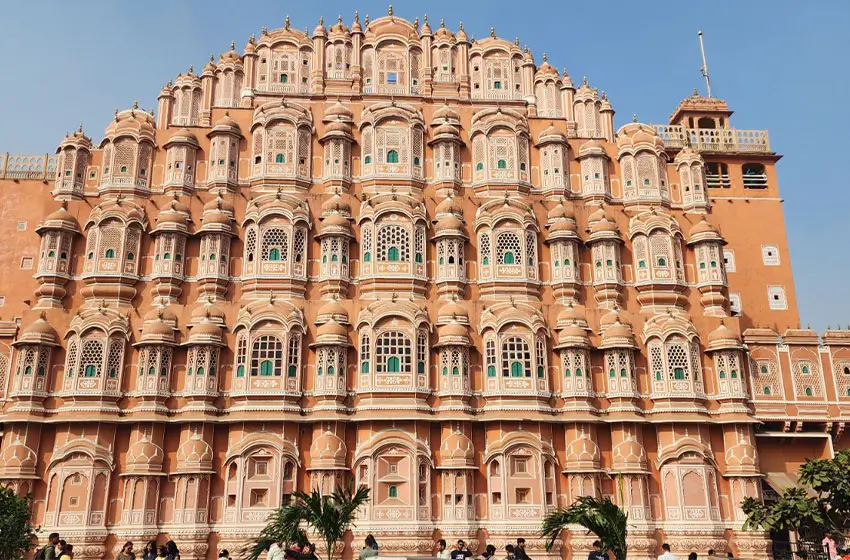
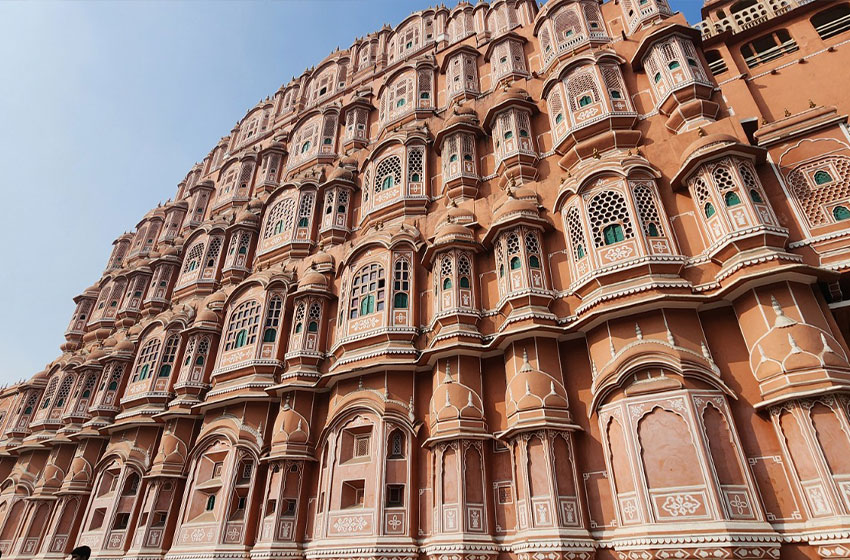
If arrival is early enough, the old-city area can provide a useful introduction. Hawa Mahal, with its famous facade of small windows and projecting balconies, is one of Jaipur's most recognizable landmarks. Visitors often photograph the facade from across the road before continuing through the surrounding historic district. The building can be combined with nearby areas rather than treated as a completely separate half-day excursion.
Depending on available time, City Palace or Jantar Mantar can also be included, but visitors should avoid entering a major monument shortly before closing. It is better to see one attraction properly than rush through several because they appear close together on a map. Jaipur's traffic, security checks and walking time all need to be considered.
The evening can remain free for dinner and rest. Foreign visitors who have recently arrived in India often underestimate the effect of jet lag, especially after flights from North America, Europe or Australia. A quieter first evening allows the following morning to begin early enough for Amber Fort without making the entire trip feel exhausting.
Travelers arriving from Agra by private car may already have spent the day visiting Fatehpur Sikri or Abhaneri. In that case, hotel check-in and a relaxed evening are generally preferable to adding more intensive sightseeing.
The second day should be the principal Jaipur sightseeing day. Starting in the morning with Amber Fort is sensible because temperatures are cooler and the fort becomes busier as the day progresses. Located outside the central old city, Amber Fort is a large hilltop palace complex with courtyards, gateways, royal apartments and impressive views. Visitors should keep approximately two to three hours for the fort rather than treating it as a short photography stop.
After Amber Fort, the route can return toward central Jaipur. Depending on timing and traffic, visitors may stop for exterior photographs at Jal Mahal, which sits within Man Sagar Lake. The palace is primarily viewed from the roadside area rather than treated as a conventional palace visit. It works well as a short photography stop before continuing into the historic center.
City Palace and Jantar Mantar can form the main afternoon sightseeing. City Palace contains courtyards, museums and royal architecture, while Jantar Mantar presents a completely different type of attraction through its monumental astronomical instruments. Travelers unfamiliar with Indian astronomy often gain much more from Jantar Mantar when a professional guide explains how the instruments were designed and used.
The old-city area around Hawa Mahal can be included according to what was covered on the first day. Visitors interested in textiles, jewelry or handicrafts may also want some shopping time, but shopping should remain optional. A professional private Jaipur tour should not force travelers into stores they have no interest in visiting.
After a full day of forts and palaces, a relaxed dinner is preferable to adding another major attraction late at night. The next morning involves the road journey to Jodhpur, so luggage can be prepared before sleeping.
The third day begins the road-trip portion of the itinerary. The Jaipur to Jodhpur distance by car is approximately 330 to 350 kilometers depending on the route and exact hotel locations, and travelers should normally keep around six hours for the journey. Traffic while leaving Jaipur, road conditions, rest stops and the final approach into Jodhpur can extend the total travel time, so the drive should not be treated as if it has a guaranteed arrival minute.
Leaving after breakfast usually works well. Travelers can check out of the Jaipur hotel, load their luggage into the private vehicle and travel directly toward Jodhpur. A professional chauffeur allows stops for washrooms, tea or lunch according to the group's comfort. This flexibility is one of the main advantages of a private car from Jaipur to Jodhpur, particularly for families and international travelers carrying substantial luggage.
The day should remain primarily a transfer day. If the group reaches Jodhpur by mid-afternoon and still feels energetic, a light old-city walk or sunset viewpoint can be included. However, Mehrangarh Fort should generally be saved for the following morning when visitors have enough time and energy to see it properly.
After hotel check-in, travelers can spend the evening around the Clock Tower and Sardar Market area if their accommodation is conveniently located. This introduces Jodhpur's street atmosphere without requiring a long guided sightseeing program. The old city contains narrow lanes, shops, food stalls and historic buildings, so comfortable walking shoes remain useful even during an informal evening.
Travelers should get adequate rest because the next day includes the most important Jodhpur attractions.
Mehrangarh Fort should be the main focus of the fourth day. Rising dramatically above Jodhpur, Mehrangarh Fort is one of Rajasthan's most impressive fortified palace complexes and deserves several hours rather than a rushed visit. The approach itself reveals the enormous scale of the fort, while the interior contains courtyards, palace rooms, galleries and viewpoints across the city. Travelers interested in architecture and photography can easily spend three hours around the complex.
A local guide can add significant value because the fort contains multiple historical layers that are difficult to understand from architecture alone. Instead of simply moving from room to room, visitors can learn how the Rathore rulers used the complex, how its defensive position shaped the city and how the palace areas evolved over time. Museum collections and interior decoration also deserve attention.
After Mehrangarh, Jaswant Thada can be included. This white marble memorial provides a visual contrast with the massive stone fort and generally requires less time. Its location and surrounding setting make it a useful continuation of the morning rather than a completely separate excursion.
The afternoon can be used for the old city. Jodhpur's blue-painted neighborhoods are frequently shown in travel photographs, but visitors should remember that these are living residential areas rather than a purpose-built tourist attraction. A guided walk can help travelers move through appropriate areas respectfully while learning more about local architecture and daily life.
Clock Tower and Sardar Market can be visited later in the day. Instead of trying to buy something at every shop, travelers can use the market as an opportunity to observe the city's commercial center and local street activity. The evening can remain free before the next day's journey toward Udaipur.
The road journey from Jodhpur to Udaipur is one of the most interesting transfer days on this itinerary because Ranakpur can be incorporated along the route. The direct road distance between Jodhpur and Udaipur is roughly 250 kilometers, although routing through Ranakpur and local road conditions increase the travel time. Travelers should keep most of the day available rather than expecting to reach Udaipur immediately after lunch.
Ranakpur is particularly known for its Jain temple architecture. The marble temple complex is famous for its richly carved interiors and numerous pillars, creating a very different architectural atmosphere from the forts and palaces seen in Jaipur and Jodhpur. Visitors should respect current entry rules, religious customs, photography restrictions and visiting hours because this remains a religious site rather than merely an archaeological monument.
A proper Ranakpur stop should not be squeezed into a few minutes. Travelers should keep enough time to enter calmly, observe the carvings and understand the religious significance of the site. Clothing should be respectful, and any current restrictions concerning leather items, food, photography or entry areas should be followed carefully.
After Ranakpur, the drive continues through the Aravalli region toward Udaipur. The landscape becomes noticeably different from the areas around Jaipur and Jodhpur, with more hills and greenery depending on the season. This change is one of the reasons road travel can be rewarding.
By the time travelers reach Udaipur, they may have spent much of the day on the road and sightseeing at Ranakpur. Hotel check-in and a relaxed evening are therefore more sensible than immediately beginning a major palace tour. If the hotel has a lake or city view, the evening can simply be used to enjoy the surroundings.
Ranakpur works especially well because it adds a major attraction without requiring travelers to return along the same road. Instead of treating the Jodhpur to Udaipur transfer as several hours of uninterrupted driving, the stop introduces visitors to an important example of Jain religious architecture. This also increases the variety of the seven-day itinerary because Jaipur and Jodhpur focus heavily on royal forts and palaces, while Ranakpur represents a different architectural and spiritual tradition.
The temple is known for highly detailed marble carving and a large number of pillars, with the interior creating complex patterns of light and shadow. Visitors interested in photography should check the current rules because restrictions can apply to cameras, phones or specific areas at different times. Religious practices also take priority over tourism, so travelers should follow instructions given at the site.
The route through Ranakpur can take longer than a simple direct highway transfer, but most visitors interested in history and architecture find the additional time worthwhile. Travelers with very limited mobility should discuss access conditions before including the stop because historic religious complexes may involve walking, steps and specific entry procedures.
Families with elderly parents should keep the day flexible. If the group is tired after several days of sightseeing, traveling directly to Udaipur may be preferable. A private itinerary allows that decision to be made according to the traveler's condition instead of forcing the stop simply because it appears on a printed schedule.
The sixth day should be dedicated to Udaipur sightseeing, beginning with City Palace while the group is fresh. The City Palace complex is one of Rajasthan's largest royal palace complexes and occupies a commanding position above Lake Pichola. Visitors should keep several hours because the route through the palace includes courtyards, corridors, rooms, balconies and museum areas. Moving too quickly through the complex means missing many of the architectural details and lake views that make it one of Udaipur's most important attractions.
After City Palace, nearby Jagdish Temple can be included according to current access and the visitor's interests. Because it remains a functioning religious site, travelers should dress and behave respectfully. The surrounding old-city lanes also contain shops, cafes and local businesses, allowing visitors to spend some time walking rather than moving immediately back into the car.
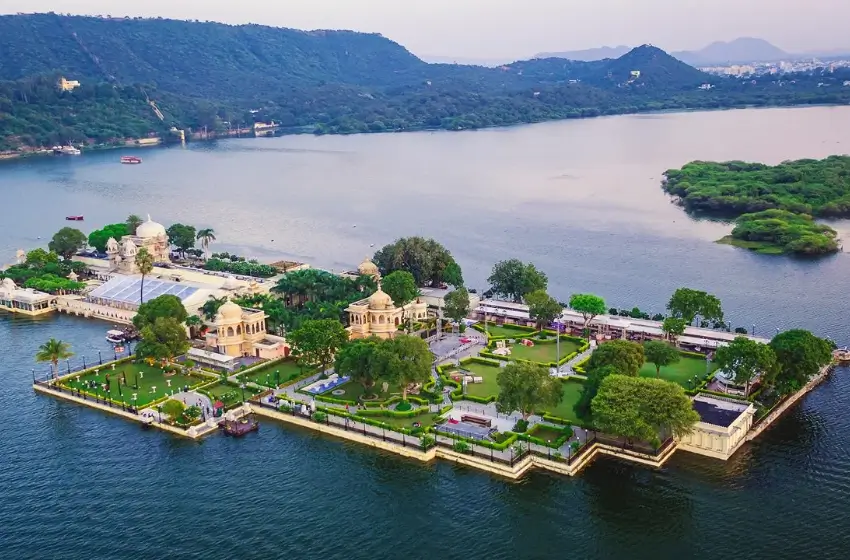
Lake Pichola is central to Udaipur's identity. A boat ride can provide a different view of City Palace, the waterfront and surrounding buildings when weather and current operations permit. The best timing depends on season, availability and the type of ticket purchased. Sunset periods can be popular, so travelers particularly interested in an evening boat ride should not assume that tickets will always be available at the last moment.
The day should include enough free time to enjoy Udaipur rather than simply moving between monuments. The city's appeal comes partly from its setting, and sitting near the lake or returning to a well-positioned hotel before dinner can be as worthwhile as adding another small attraction.
For couples, Udaipur often becomes one of the favorite stops on a 7-day Rajasthan private tour because it provides a calmer ending after the larger forts and busy old-city areas of Jaipur and Jodhpur.
The final day depends heavily on the traveler's onward arrangements. If the flight or train leaves later in the day, the morning can be used for another selected Udaipur attraction, a relaxed breakfast or shopping. If departure is early, no major sightseeing should be scheduled. The final day of a multi-city itinerary should contain enough buffer to avoid unnecessary stress around airport or station transfers.
Travelers returning to Delhi should compare current flight and train options rather than automatically choosing a long road journey. Udaipur is a considerable distance from Delhi, so flying can preserve substantial time when schedules are suitable. Travelers continuing elsewhere in Rajasthan or Gujarat may use road transportation according to their next destination.
Those who have a late departure can use the morning for Saheliyon Ki Bari or another attraction not covered on the main sightseeing day. However, hotel check-out time, luggage storage and airport transfer duration should all be considered before committing to another full tour.
If the Rajasthan journey forms part of a longer India holiday, Udaipur can also be used as a transition point. Some travelers continue toward Mumbai, while others return north for an international departure. The correct choice depends on flight availability and the wider route.
A well-structured Jaipur Jodhpur Udaipur 7-day tour should end without requiring an exhausting last-minute transfer. The final morning should feel like the completion of the Rajasthan journey rather than another race against the clock.
Road distances are one of the most important details to understand before booking this itinerary. Jaipur to Jodhpur is approximately 330 to 350 kilometers and normally requires around six hours. Jodhpur to Udaipur is roughly 250 kilometers on a direct route, but a sightseeing route through Ranakpur requires additional time. Travelers should think in terms of actual driving hours rather than assuming that relatively modest kilometer figures will translate into European or North American highway speeds.
City traffic also matters. Leaving Jaipur during a busy period can take time before the vehicle reaches an open highway. The same applies when entering Jodhpur or Udaipur. Road works, weather, local events and meal stops can also affect arrival time.
This is why private itineraries should not schedule important timed activities immediately after an intercity road journey. Booking a non-refundable sunset activity shortly after the expected Udaipur arrival, for example, leaves little margin if the drive takes longer than expected.
The road sectors are nevertheless manageable for most travelers and are significantly easier than including Jaisalmer in the same seven-day itinerary. Removing Jaisalmer eliminates the need for another five-hour drive west from Jodhpur and a much longer journey back toward Udaipur.
For travelers with exactly one week, Jaipur Jodhpur Udaipur by car is therefore one of the more balanced Rajasthan circuits.
Jaisalmer is one of Rajasthan's most distinctive destinations, but adding it to a seven-day Jaipur-Jodhpur-Udaipur itinerary creates serious time pressure. Jodhpur to Jaisalmer alone requires around five hours of driving, and Jaisalmer deserves at least two nights if travelers want to see the fort city and include a desert outing. Continuing from Jaisalmer toward Udaipur then creates another very long travel sector.
Including Jaisalmer would therefore require reducing Jaipur, Jodhpur or Udaipur to a rushed one-night stay. The itinerary may look more impressive because it contains four famous cities, but the actual holiday becomes dominated by packing, check-outs and road travel.
Travelers who consider the Thar Desert essential should use a different seven-day route. Jaipur, Jodhpur and Jaisalmer can form a dedicated desert-oriented itinerary, leaving Udaipur for another visit. Alternatively, increasing the total trip to ten or twelve days makes it much easier to include all four cities.
The best Rajasthan itinerary is not determined by the maximum number of destinations. It should be judged by whether travelers have enough time to enjoy the places they have traveled so far to see.
For a one-week journey focused on architecture, forts, lakes and manageable driving, Jaipur, Jodhpur and Udaipur in 7 days is stronger than forcing Jaisalmer into the same schedule.
October through March is generally the most comfortable period for this Rajasthan route. Daytime temperatures are better suited to outdoor sightseeing, although December and January mornings can be cool. Foreign visitors traveling during winter should carry layers rather than assuming Rajasthan is hot throughout the year. Jodhpur and Jaipur can feel particularly cool in the morning before temperatures rise later in the day.
February and early March often provide pleasant conditions for long sightseeing days. As March progresses, temperatures increase, while April becomes noticeably hotter. May and June can be extremely hot, so monument visits should begin early and the strongest afternoon heat should be avoided where possible.
July through September bring the monsoon period. Jaipur and Udaipur can receive rain, and the Aravalli landscape around Udaipur may become greener. Rain can interrupt sightseeing temporarily, but it can also produce dramatic skies and cooler periods. Jodhpur generally remains drier than Udaipur, although weather conditions vary from year to year.
A private air-conditioned vehicle makes road travel comfortable in most seasons, but it cannot remove the effect of temperature during fort visits. Amber Fort, Mehrangarh Fort and City Palace all require walking, so seasonal conditions should influence the daily schedule.
For first-time international visitors, the cooler tourism season remains the easiest period for a private Rajasthan road trip.
The price of a 7-day Rajasthan car and driver depends on the vehicle type, exact pickup and drop-off cities, total kilometers, sightseeing requirements, tolls, parking and whether the vehicle needs to return after the traveler finishes the route. A sedan suitable for two passengers can commonly be budgeted around ₹5,000 to ₹7,000 per day on a higher-side estimate for a properly arranged multi-city journey. A larger SUV or MPV can commonly fall around ₹7,000 to ₹10,000 or more per day, while premium vehicles and larger vans cost substantially more.
Travelers should not multiply a cheap local taxi rate by seven and assume that figure represents a professional Rajasthan tour. Long-distance vehicles incur fuel, driver allowances, road charges and empty-return considerations depending on the final destination. A proper quotation should clearly explain what is included.
Hotel accommodation is generally separate unless a complete tour package is being purchased. Monument entry tickets, local guides, meals and activities such as boat rides also need to be checked individually. Travelers comparing packages should therefore compare like-for-like inclusions rather than looking only at the headline price.
For foreign visitors spending six or seven days in the same vehicle, quality matters. Reliable air-conditioning, clean interiors, adequate luggage space and a professional experienced driver are more important than saving a small amount on the daily rate.
India Agra Tours can arrange the complete Jaipur Jodhpur Udaipur private car tour, with a sedan, SUV or larger vehicle selected according to passenger and luggage requirements.
Train travel can work well between selected Rajasthan cities, but a private car offers greater flexibility for a seven-day itinerary. With a car, travelers leave directly from the hotel, luggage remains with the group and there is no need to arrange separate station transfers at both ends. The Jodhpur-to-Udaipur sector is especially useful by road because Ranakpur can be included naturally along the journey.
A train can be attractive for travelers who enjoy Indian rail travel or want to reduce road time on a particular sector. However, fixed departure schedules mean the rest of the itinerary must work around the train rather than the traveler. Station waiting time, luggage handling and transfers should also be included when comparing total travel time.
For couples and families following a private Rajasthan itinerary, keeping the same chauffeur-driven vehicle from Jaipur through Udaipur is usually the simplest arrangement. The driver already knows the luggage requirements and hotel schedule, and travelers do not need to renegotiate transport in every city.
The private car should not replace local professional guiding where historical interpretation is important. A chauffeur's job is transportation, while a licensed or knowledgeable local guide provides monument history and sightseeing context. A well-arranged tour uses both services appropriately rather than expecting one person to perform every role.
Rajasthan is known for heritage accommodation, and Jaipur, Jodhpur and Udaipur all offer properties ranging from simple converted havelis to high-end palace hotels. Choosing a heritage property can add character to the journey, but travelers should examine facilities carefully because the term "heritage" does not automatically mean luxury. Historic buildings can contain stairs, smaller rooms and layouts that differ significantly from modern international hotels.
Modern hotels may provide more predictable room dimensions, elevators, bathrooms and business-style facilities. They can be particularly practical for elderly travelers or families who prioritize accessibility over historical atmosphere. Luxury palace properties, meanwhile, can become a major part of the holiday and deserve enough free time to be enjoyed.
Udaipur is a destination where hotel location can strongly affect the stay. Lake-facing properties may command substantial premiums, especially during the cooler high season. Travelers should decide whether the view and setting justify the additional cost rather than automatically selecting the most expensive category.
In Jaipur and Jodhpur, location should also be considered alongside hotel style. A beautiful property far outside the main sightseeing area can add significant daily driving time.
For a luxury Rajasthan private tour, combining different hotel styles can work particularly well—for example, a heritage stay in Jodhpur and a lake-oriented property in Udaipur—rather than choosing identical international-style hotels in every city.
This seven-day route can work well for elderly travelers because it avoids the extreme distances created by adding Jaisalmer. However, the itinerary should still be adjusted according to mobility and stamina. Amber Fort and Mehrangarh Fort involve substantial walking, uneven historic surfaces and changes in level, while City Palace complexes can also require long periods on foot.
A larger vehicle can improve comfort significantly. Families should select a car based on ease of entry, seating space and luggage capacity rather than simply choosing the cheapest option. Regular washroom and refreshment stops should be included on the Jaipur-Jodhpur and Jodhpur-Udaipur drives.
Sightseeing should also begin at comfortable times. During hot months, early starts reduce heat exposure. During winter, elderly travelers may prefer avoiding the coldest pre-sunrise hours unless there is a specific reason to begin that early.
Ranakpur can remain optional. If parents are tired after several days of sightseeing, traveling directly to Udaipur may be more sensible than insisting on another temple visit. Private travel provides the flexibility to make such decisions without disrupting a group schedule.
For families, the goal of a Rajasthan tour with elderly parents should be to create memorable days at a sustainable pace rather than measuring success by how many monuments were entered.
International visitors with additional time can combine this itinerary with Delhi and Agra to create a more complete North India journey. Delhi can be the international arrival point, followed by Agra for the Taj Mahal and Agra Fort. From Agra, travelers can continue to Jaipur via Fatehpur Sikri and then begin the Jaipur-Jodhpur-Udaipur route.
A Delhi Agra Jaipur Jodhpur Udaipur private tour should ideally receive around 10 to 12 days. This allows approximately two nights in Delhi, one night in Agra, two nights each in Jaipur and Jodhpur and at least two nights in Udaipur, with road travel incorporated naturally between them.
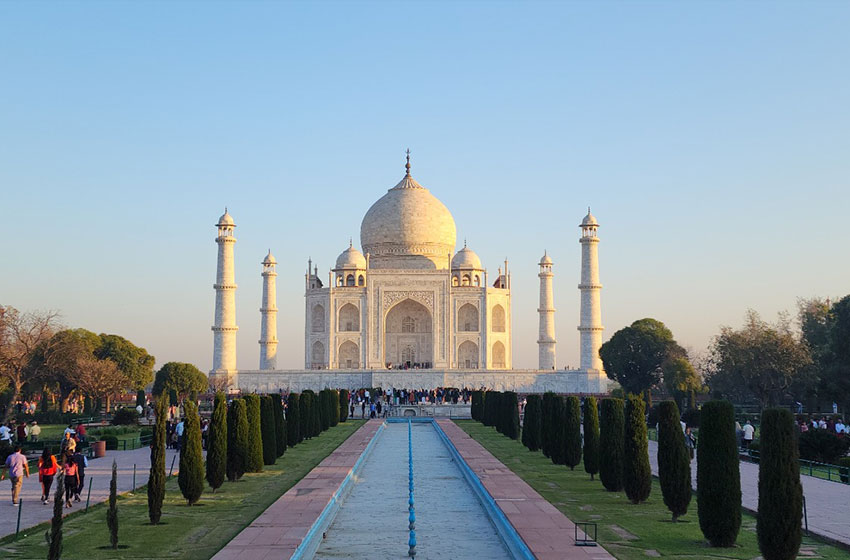
Foreign travelers who want Taj Mahal sunrise should stay overnight in Agra. The following day can then be used for the road journey toward Jaipur, with Fatehpur Sikri included on the route. This avoids returning to Delhi and keeps the entire itinerary moving in one logical direction.
The final departure can be arranged from Udaipur according to available domestic flights or onward travel. If an international flight leaves from Delhi, enough connection time or an additional Delhi night should be kept rather than relying on a tight same-day domestic connection.
India Agra Tours can arrange the entire route as a private journey from Delhi through Agra and Rajasthan, including chauffeur-driven transportation and local sightseeing guides.
Yes. Seven days are enough for Jaipur, Jodhpur and Udaipur when the route is limited to these three cities and transportation is arranged efficiently. Two nights in each city provides a much better balance than adding Jaisalmer and reducing every destination to a rushed stay.
At least two nights in Jaipur are recommended for this itinerary. This gives travelers one full day for Amber Fort, City Palace, Jantar Mantar and the old-city area without forcing all major sightseeing into the arrival day.
Two nights are suitable for most first-time visitors. Travelers can arrive from Jaipur, spend a complete day visiting Mehrangarh Fort, Jaswant Thada and Jodhpur's old city, and continue toward Udaipur the following morning.
At least two nights are recommended, while three nights are even better for travelers who prefer a slower stay. Two nights provide one full sightseeing day for City Palace, Lake Pichola and other selected attractions.
The road journey covers approximately 330 to 350 kilometers and usually requires around six hours, although traffic, road conditions, meal breaks and hotel locations can increase the total travel time.
Yes. Ranakpur is one of the best stops between Jodhpur and Udaipur and can be included naturally during a private road transfer. Travelers should keep sufficient time for the temple rather than treating it as a five-minute photography stop.
Generally, Jaisalmer is better left out when only seven days are available. Reaching Jaisalmer adds substantial road travel and the city deserves at least two nights. Travelers who consider Jaisalmer essential should increase the trip length or remove Udaipur.
A sedan can commonly be budgeted around ₹5,000 to ₹7,000 per day, while a larger SUV or MPV may cost approximately ₹7,000 to ₹10,000 or more per day, depending on the exact route, vehicle category, kilometers and inclusions.
Yes. Travelers can begin in Delhi, visit Agra and then continue to Jaipur before traveling onward to Jodhpur and Udaipur. Around 10 to 12 days is more suitable when Delhi and Agra are added to the seven-day Rajasthan portion.
Yes. India Agra Tours can arrange a 7-day private Jaipur Jodhpur Udaipur tour with car and driver, including hotel-to-hotel transfers and local sightseeing arrangements. The route can also begin in Delhi or Agra and can be adjusted for couples, families, elderly travelers, heritage hotels or luxury accommodation.