Taj Mahal Entry Fee for Foreigners (Complete Guide)
13 May 2025
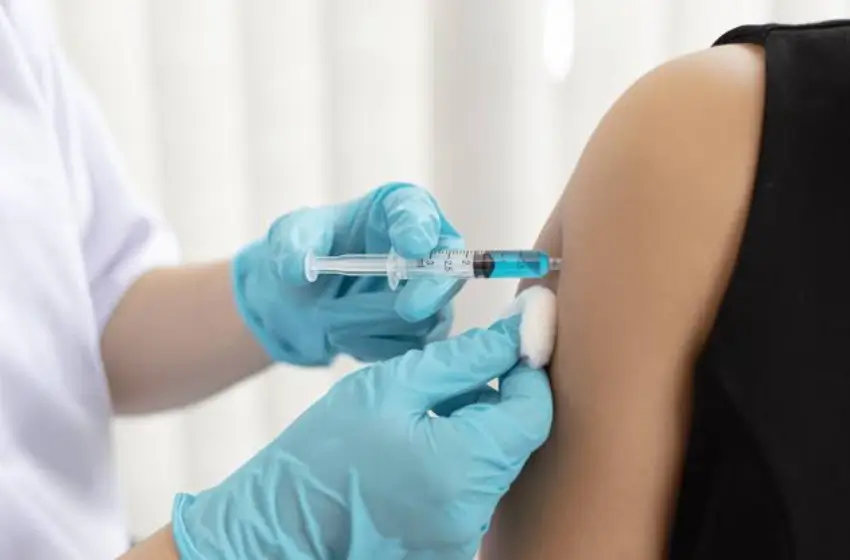
Foreign tourists preparing for a holiday in India often ask whether any vaccinations are compulsory, which vaccines are commonly recommended and how early they should speak with a doctor before departure. There is no single vaccination list that applies equally to every visitor. Recommendations depend on the traveler's age, medical history, previous vaccinations, countries visited before India, length of stay and activities during the trip.
A traveler spending ten days in Delhi, Agra and Jaipur and staying in established hotels has a different risk profile from someone spending several months in rural areas, working with animals or trekking in remote regions. This is why an India travel vaccination checklist should be treated as preparation for a conversation with a qualified doctor or travel-health clinic rather than as a prescription that every tourist follows automatically.
For many travelers, the starting point is making sure routine vaccinations are current. Hepatitis A and typhoid are commonly discussed for India, while hepatitis B, rabies and Japanese encephalitis may be relevant depending on age, itinerary, duration and activities. Malaria is another subject that should be discussed with a medical professional because prevention can involve prescription medication as well as mosquito precautions.
Entry requirements are a separate issue from medical recommendations. For example, yellow fever vaccination is not routinely recommended simply because someone is visiting India, but proof of yellow fever vaccination can be required for travelers arriving after being in certain countries where yellow fever transmission is a risk. Travelers should therefore consider both their personal medical protection and the immigration requirements created by their recent travel history.
The safest approach is to review the itinerary with a healthcare professional well before departure. This gives enough time for vaccines that require more than one dose and allows travelers to discuss their personal medical circumstances without rushing immediately before the flight.
Travelers should ideally speak with a doctor or specialist travel-health clinic around four to six weeks before traveling to India. A month or more before departure is a useful minimum target because certain vaccines require multiple doses, and some vaccinations need time after administration before the immune response develops fully. Starting early also provides enough time to locate previous vaccination records and determine whether routine boosters are needed.
Travelers should not assume that it is pointless to seek advice when the departure date is closer. Someone leaving in two weeks, one week or even a few days should still contact a healthcare professional. Depending on the vaccine, medical history and destination, useful protection or other preventive advice may still be possible. The doctor can determine what remains appropriate within the available time.
The appointment should include the actual itinerary rather than simply stating "India." India is geographically enormous, and a Delhi Agra Jaipur tour presents different considerations from a month of rural travel, mountain trekking or an extended stay in areas with limited healthcare access. Travelers visiting Ranthambore, remote villages or multiple regions should mention these details.
Age, pregnancy, immune conditions, allergies and existing medical problems can also change vaccination advice. Children and older adults may have different requirements, and travelers taking regular medication should discuss how much medicine to carry and whether any documentation is needed.
Anyone arranging a private India tour for foreign tourists should therefore settle the broad route early enough to give a travel-health professional accurate information about destinations, trip length and expected activities.
Before considering destination-specific vaccines, tourists should make sure their routine immunizations are current. These are the vaccinations that people normally receive according to the immunization schedule in their own country, but adults sometimes overlook boosters or cannot remember when their last dose was given.
Routine vaccines commonly considered in travel-health reviews include measles, mumps and rubella (MMR), tetanus, diphtheria, pertussis, polio, influenza and chickenpox, depending on age and vaccination history. COVID-19 vaccination may also be reviewed according to current health guidance and individual eligibility.
Measles deserves particular attention for international travelers because outbreaks continue to occur in different parts of the world. Someone who is unsure whether they have received the recommended MMR vaccination should discuss their records with a healthcare professional rather than assuming childhood vaccination automatically provides the required current status.
Tetanus is another routine vaccine that travelers sometimes associate only with rusty metal. The bacterium can enter the body through cuts and wounds, making current vaccination relevant to general travel as well as everyday life.
The correct schedule depends on the traveler's home-country recommendations and personal history. A tourist from the United States, United Kingdom, Australia, Canada or Europe should use the official immunization guidance applicable to them and speak with their healthcare provider when vaccination records are incomplete.
Hepatitis A vaccination for India is commonly recommended for unvaccinated travelers. Hepatitis A is transmitted through contaminated food or water and can occur even when a visitor is making reasonable efforts to eat carefully. This makes vaccination particularly relevant because food and water are unavoidable parts of every trip.
A visitor staying at high-quality hotels should not assume that accommodation category removes all risk. Travelers eat in restaurants, stop during road journeys, handle money and visit multiple destinations. Food can become contaminated during preparation or handling even when the dining environment appears clean.
Hepatitis A vaccination is usually part of a broader travel-health discussion, and the exact schedule depends on the vaccine product and the traveler's medical circumstances. Travelers who have already completed a vaccination course may not need another routine dose, but their doctor can confirm this from their vaccination history.
Visitors departing at short notice should still seek medical advice. A doctor can explain what protection may be possible and whether additional measures are relevant for an individual traveler.
Vaccination does not mean food and water precautions can be ignored. Hand hygiene, safe drinking water and sensible food choices remain important throughout the trip because many gastrointestinal illnesses are not prevented by hepatitis A vaccination.
Typhoid vaccination for India is another major subject that foreign tourists should discuss before departure. Typhoid fever is transmitted through food or water contaminated with Salmonella Typhi, and travel-health authorities commonly recommend vaccination for travelers visiting India.
The important limitation is that typhoid vaccines do not provide complete protection. A vaccinated traveler still needs to pay attention to food, water and hand hygiene. Drinking unsafe water or repeatedly eating food handled under poor sanitary conditions is not made risk-free simply because a typhoid vaccine has been received.
Travelers should use properly sealed drinking water from a reliable source and be cautious with ice when they do not know how it was produced. Food that has been cooked thoroughly and is served hot is generally a safer choice than food that has been sitting at room temperature for a long period. Raw foods require greater care when washing and handling conditions are uncertain.
There are different typhoid vaccine formulations, and timing can differ between them. This is another reason the vaccine should be discussed with a healthcare professional rather than purchased or taken based solely on internet advice.
Even tourists following a short Golden Triangle tour in India should not assume typhoid is relevant only to backpackers or long-term visitors. Trip duration is only one part of the risk assessment.
Hepatitis B is transmitted through infected blood and certain body fluids. Whether a traveler needs vaccination depends partly on age, previous vaccination status and individual risk factors. Many younger travelers from countries with routine childhood hepatitis B programs may already have received a complete series, while older adults may need to check their records.
Travel situations that can increase concern include receiving medical or dental treatment, tattoos or piercings with inadequately sterilized equipment, sexual contact and activities with an increased chance of injury. Even travelers who do not expect any of these circumstances can discuss hepatitis B with their healthcare provider because accidents and emergency medical treatment are not always predictable.
Current U.S. travel-health guidance recommends hepatitis B vaccination for unvaccinated travelers younger than 60 traveling to India, while unvaccinated travelers aged 60 and above may also receive it. Travelers from other countries should check the recommendations used by their own national health authority.
People who have already completed a recognized hepatitis B vaccination series should not simply assume they need to repeat it for every India holiday. Their doctor can review previous doses and determine whether anything further is required.
A travel vaccination appointment for India is particularly useful when the traveler has no clear vaccination record, because several routine and travel-related vaccines can be reviewed together.
Rabies exists in India, and infected dogs remain an important concern. However, this does not mean that every short-term tourist automatically requires rabies vaccination before India travel. Pre-exposure vaccination is generally considered according to the likelihood of contact with potentially infected animals and how easily the traveler could obtain prompt, appropriate medical treatment after an exposure.
Travelers spending long periods in India, working with animals, cycling or hiking through remote areas, visiting locations far from reliable medical facilities or frequently interacting with dogs may have a different risk profile from a visitor taking a chauffeur-driven Delhi-Agra-Jaipur holiday and staying in established hotels.
The most important rule applies regardless of vaccination status: avoid touching unfamiliar dogs, monkeys, cats and other mammals. A monkey sitting near a tourist monument may appear accustomed to humans, but it remains a wild animal capable of biting or scratching. Feeding animals increases the likelihood of close contact and should be avoided.
If a traveler is bitten, scratched or exposed to saliva from a potentially rabid animal, the incident requires urgent medical attention. Pre-exposure vaccination does not mean an exposed traveler can ignore the bite or skip post-exposure medical treatment.
Parents should be particularly attentive to children because children may approach animals or fail to report a small scratch. Families should explain before the trip that unfamiliar animals should not be touched, even when they appear friendly.
Animal exposure deserves its own discussion because foreign visitors regularly encounter monkeys and free-roaming dogs in parts of India. Monkeys can be present around temples, forts and other tourist locations, while dogs are common in many urban and rural areas. Photographing an animal from a safe distance is very different from attempting to touch, feed or pose closely beside it.
Food can trigger aggressive behavior in monkeys. Visitors carrying snacks should keep them secured, particularly in places known for monkey activity. Sunglasses, loose objects and bags can also attract attention from some monkeys, so instructions from local guides should be taken seriously.
Dogs that appear calm should still not be stroked unless the traveler knows the animal and its health status. A small scratch or bite can create a medical situation that requires immediate attention.
Travelers who have received pre-exposure rabies vaccination still need professional medical care after a possible exposure. The vaccination changes the medical management but does not make the traveler completely protected without further action.
Anyone particularly concerned about animal exposure should raise it during the pre-travel medical consultation. This is especially important for families, long-stay travelers and visitors whose itinerary includes rural or remote locations.
Malaria is transmitted by infected mosquitoes, and the level of risk varies by location. Current travel-health guidance recommends malaria preventive medication for travelers going to certain areas of India. The correct decision depends on the exact itinerary, medical history and current official recommendations, so tourists should discuss malaria prevention for India with a qualified doctor.
Prescription options can include medications such as atovaquone-proguanil, doxycycline, mefloquine or other appropriate choices depending on current guidance and the traveler's circumstances. These medicines have different dosing schedules, contraindications and possible side effects. A traveler should not select a malaria drug simply because a friend used it on a previous holiday.
Some malaria medicines need to be started before reaching the risk area and continued during and after travel. This makes advance medical advice particularly important.
Mosquito precautions remain necessary even when preventive medication is prescribed. Repellent, suitable clothing and screened or air-conditioned accommodation can reduce bites. These measures also matter because mosquitoes in India can transmit diseases other than malaria for which the traveler may not have a preventive medicine.
A tourist visiting Delhi, Agra, Jaipur, Rajasthan or other Indian destinations should provide the complete route to the doctor so the advice can be matched to the locations rather than based on a vague description of "North India."
Vaccination is only one part of staying healthy in India. Dengue and several other mosquito-borne illnesses make bite prevention important even for travelers who are taking malaria medication. Mosquitoes capable of transmitting different diseases can be active at different times of day, so repellent should not be thought of as something needed only after sunset.
Travelers can use an appropriate insect repellent according to the product instructions and their medical circumstances. Covering exposed skin with lightweight long sleeves and trousers can provide additional protection, particularly in areas with heavy mosquito activity. Air-conditioned or properly screened hotel rooms also reduce exposure.
Anyone staying at a jungle lodge, rural property or open-style accommodation should pay particular attention to mosquito control. If a bed net is provided where rooms are exposed to the outdoors, it should be used correctly.
During monsoon and post-monsoon travel, visitors may notice more mosquitoes in some destinations because standing water can create breeding conditions. This does not mean every traveler will become ill, but consistent bite prevention is sensible.
Visitors should also remember that a normal India travel health checklist cannot be reduced to receiving several injections before departure. Food hygiene, mosquito protection, animal avoidance and access to medical care remain important throughout the holiday.
Japanese encephalitis vaccination is not generally treated as a routine requirement for every tourist making a short visit to major Indian cities. It becomes more relevant for certain longer stays and itineraries involving substantial time in rural areas or activities that increase mosquito exposure.
Travelers moving to an area where Japanese encephalitis occurs, spending a month or more in relevant locations or making frequent trips may be advised to receive the vaccine. It may also be considered for shorter trips when the visitor will spend substantial time in rural environments, camp outdoors or stay in accommodation without effective mosquito protection.
A traveler spending one week visiting Delhi, Agra and Jaipur in standard hotels therefore has a different situation from someone spending several weeks in rural areas during a transmission season. The decision should be individualized rather than made solely according to the country name.
Tourists whose itinerary remains uncertain should mention that uncertainty during the travel-health appointment. A doctor cannot provide destination-specific advice if the traveler says they will be in cities and later changes the trip to include extended rural stays.
For most short private North India tours, Japanese encephalitis is a subject to review rather than a vaccine tourists should automatically assume they require.
Yellow fever is an important example of the difference between a vaccine recommended because of disease risk inside India and a vaccine required because of the traveler's route before arrival. Yellow fever vaccination is not routinely recommended simply for travel within India. However, India can require proof of yellow fever vaccination from travelers arriving from or recently exposed through travel to countries considered at risk for yellow fever transmission.
This matters particularly for visitors combining India with parts of Africa or South America. A traveler flying directly from the United States, United Kingdom, Europe, Canada or Australia without recent travel through a yellow-fever-risk country may face different requirements from someone arriving after a safari holiday in an affected African country.
Transit history can also matter under entry rules, depending on where the traveler has been and the nature of the transit. For this reason, visitors taking complicated multi-country journeys should check the current official requirements for their exact route before departure.
Travelers who need a yellow fever certificate should arrange vaccination at an authorized center and make sure the documentation meets international requirements. They should not wait until airport check-in to investigate the rule.
Because countries and official requirements can change, India yellow fever vaccination requirements should always be checked against current government and recognized travel-health guidance before the trip.
Travel requirements relating to COVID-19 have changed repeatedly since the beginning of the pandemic, so tourists should avoid relying on an old blog post, social-media message or screenshot when checking entry requirements. Current health recommendations and immigration requirements are not always the same thing.
Travel-health authorities may recommend that eligible travelers remain current with COVID-19 vaccination according to their applicable schedule. Whether proof of vaccination is required for entry is a separate question and should be checked using current official immigration and health information shortly before travel.
This distinction is useful for all travel vaccines. Something can be medically recommended without being an immigration requirement, while another vaccination certificate may become an entry requirement because of the traveler's previous destination rather than the risk within India itself.
Travelers should also review airline requirements when their journey involves multiple countries or long transit stops. Airlines enforce documentation according to the rules applicable to the route and destination at the time of travel.
Keeping digital and paper copies of important health records can be useful, although travelers should follow the specific documentation rules that apply to any certificate required for entry.
Receiving hepatitis A or typhoid vaccination does not make every food and drink choice risk-free. Food and water safety in India for tourists remains one of the most important practical health considerations because travelers' diarrhea and other gastrointestinal infections can have multiple causes that are not covered by those vaccines.
Factory-sealed bottled water is a simple choice for many foreign visitors. Check that the seal is intact before drinking. At hotels and reputable restaurants, filtered or appropriately treated drinking water may also be provided, but travelers who are uncertain can ask staff about the source.
Food that has been thoroughly cooked and is served hot is generally a sensible choice. Raw salads and uncooked items require greater confidence in washing and handling conditions. Fruit that the traveler can peel personally can be easier to manage than pre-cut fruit that has been sitting exposed.
Street food is an important part of Indian food culture, but first-time foreign visitors should be selective. A busy stall cooking food fresh at high heat is different from food that has been sitting uncovered for a long period. Travelers with sensitive stomachs may prefer to try local dishes in reputable restaurants instead.
Hand washing before eating is simple but valuable. When soap and water are unavailable, carrying alcohol-based hand sanitizer can be useful during sightseeing and long road transfers.
Travelers taking regular prescription medication should carry enough for the trip, with additional supply where appropriate in case of delays. Medicines should preferably remain in their original labeled packaging, and travelers should carry the documentation required for any prescription or controlled medication.
Before departure, visitors should check whether their medicine is legal to bring into India and whether there are quantity or documentation restrictions. A medicine that is routinely prescribed in one country can be regulated differently elsewhere.
A doctor may also suggest a small travel-health kit based on the individual's medical history and itinerary. This might include basic first-aid supplies and medicines the traveler normally uses safely, but tourists should avoid carrying or taking prescription medication simply because an online travel list recommends it.
Visitors should be particularly cautious about self-treating serious symptoms. Persistent fever, severe diarrhea, dehydration, breathing difficulty, a significant animal bite or other concerning symptoms require professional medical advice rather than repeatedly taking medication from a travel kit.
People with serious allergies or chronic medical conditions can carry a written summary of their condition, generic medication names and emergency information. This becomes especially useful on a longer India itinerary for foreign tourists covering several cities.
Travel insurance with appropriate medical coverage is worth considering before an India holiday. Private hospitals and clinics are available in major cities, but the cost and insurance process can vary. Travelers should know whether their existing health insurance covers treatment abroad and whether payment may be required before reimbursement.
Medical evacuation coverage can also be relevant for itineraries involving remote destinations, wildlife areas or mountain regions. Someone traveling only through Delhi, Agra and Jaipur is closer to major urban medical facilities than someone trekking or staying far from a large city, but emergencies can occur on any itinerary.
Travelers should keep their insurer's emergency contact information accessible rather than buried in an email account that requires internet access. A copy can be stored on the phone and another copy kept with travel documents.
Guests traveling with India Agra Tours can tell their driver or tour representative if they need assistance reaching a suitable medical facility during the journey. However, transportation assistance is not a substitute for medical diagnosis. Health decisions should be made by qualified medical professionals.
Travelers with existing medical conditions should discuss the trip with their own doctor before departure, particularly when heat, altitude, long road journeys or physically demanding sightseeing could affect their condition.
A short Golden Triangle tour typically involves major urban and tourist destinations, established hotels, private transportation and well-visited monuments. That can reduce some travel risks compared with long stays in remote rural areas, but it does not eliminate the need for a pre-travel health review.
Routine vaccinations should be current, while hepatitis A and typhoid are commonly discussed for India. Hepatitis B recommendations depend partly on age and vaccination status. Rabies pre-exposure vaccination depends more strongly on expected animal contact and access to prompt treatment. Malaria advice should be matched to the current itinerary and medical guidance.
Visitors should also take practical precautions during the trip. Delhi, Agra and Jaipur sightseeing involves long outdoor days, so hydration and sun protection matter. Food and water hygiene remains important, and tourists should avoid touching monkeys or unfamiliar dogs around monuments and religious locations.
A private vehicle can make health management easier because bottled water, additional clothing and personal supplies can remain accessible during road journeys. It also allows travelers to stop when necessary instead of being tied to a large group's timetable.
Medical preparation should remain proportionate. A short Golden Triangle holiday does not automatically require every travel vaccine available, but neither should visitors assume that staying at luxury hotels means no health preparation is necessary.
Travelers continuing beyond Jaipur to Jodhpur, Udaipur or Jaisalmer should provide those destinations during their medical consultation. The vaccination discussion may remain similar for a standard hotel-based itinerary, but longer travel duration and additional activities can change individual recommendations.
Desert travel introduces practical issues beyond vaccines. Strong sun, dehydration and temperature changes can affect travelers, particularly during Jaisalmer excursions. Winter nights can be cold, while summer daytime temperatures can be extremely high. Carrying suitable clothing and drinking adequate safe water are essential.
Travelers staying in desert camps should consider mosquito and insect precautions according to the season and location. They should also keep essential prescription medication with them rather than leaving it in luggage stored elsewhere.
A Rajasthan private tour often includes long road sectors such as Jaipur to Jodhpur or Jodhpur to Jaisalmer. Travelers who need regular medication should keep doses accessible inside a day bag rather than packed deep inside a suitcase.
Older travelers or visitors with cardiovascular, respiratory or other chronic conditions should discuss the expected heat and sightseeing intensity with their doctor. Vaccination is only one part of preparing safely for the physical conditions of a Rajasthan journey.
Adding Ranthambore changes the travel environment because visitors spend time around forest areas and wildlife. This does not automatically mean that a completely different set of vaccines is required, but the doctor should know that a wildlife reserve is part of the itinerary.
Rabies may deserve additional discussion because wildlife travel can increase the possibility of animal encounters, although tourists on standard safaris remain inside authorized vehicles and should not interact with animals. The greater everyday risk may still come from unfamiliar dogs or monkeys outside the safari itself.
Mosquito precautions are also important. Travelers should carry suitable repellent and wear clothing appropriate for the season. Winter morning safaris require warm layers, while summer safaris involve heat and strong sun.
Guests should never leave the safari vehicle or approach wildlife unless explicitly permitted by authorized park staff. Photography does not justify unsafe proximity to an animal.
A Golden Triangle tour with Ranthambore is a common itinerary for international visitors, and a two- or three-night wildlife stay can fit comfortably between Agra and Jaipur. Travelers should mention this complete route during the pre-travel medical appointment so recommendations reflect both city sightseeing and the wildlife portion.
Families traveling with children should review vaccination records well before departure because pediatric recommendations can differ according to age. Routine childhood vaccinations should be checked carefully, and a pediatrician or travel-health specialist can advise on destination-specific vaccines.
Parents should also prepare children for practical health rules. Young travelers should know not to touch monkeys, dogs or other unfamiliar animals. Hand washing should become part of the daily routine, especially before eating.
Food choices may need additional attention for children with sensitive stomachs. Parents can carry familiar snacks for long road journeys and should make sure drinking water comes from a reliable source. Dehydration can develop more quickly in hot weather, so children should be encouraged to drink regularly.
Families carrying prescription medicine should bring enough for the complete trip and retain any necessary medical documentation. Parents should not depend on finding the exact same brand or formulation immediately after arriving in India.
A family tour of India with children can be comfortable when daily schedules include sufficient rest, suitable transportation and sensible health preparation. Vaccinations are important, but sleep, hydration, food hygiene and avoiding excessive heat also contribute substantially to a smoother holiday.
Older visitors should discuss India travel with their doctor when they have chronic medical conditions or take regular medication. The discussion should include vaccination history, prescription supply, heat exposure, walking requirements and the length of road journeys in the itinerary.
An elderly traveler may be fully capable of visiting Delhi, Agra and Rajasthan but benefit from a slower schedule. The Taj Mahal, Agra Fort, Amber Fort and other historic attractions require walking, while long road transfers can involve several hours sitting in a vehicle. Medical preparation should reflect these physical demands.
Routine vaccines, influenza protection and other age-appropriate immunizations should be reviewed alongside destination-specific recommendations. The doctor can also assess whether the traveler's existing conditions affect decisions regarding malaria medication or other preventive medicines.
A written medication list using generic drug names is useful. Important medicines should remain in hand luggage during flights and in a small accessible bag during road journeys.
For a private India tour with elderly parents, using a larger comfortable vehicle and keeping flexible sightseeing hours can make a substantial difference. India Agra Tours can adjust road and sightseeing schedules for comfort, while all vaccination and medical decisions should remain between the traveler and qualified healthcare professionals.
A useful travel-health consultation requires more information than the words "I am going to India." Travelers should take their itinerary, travel dates, vaccination record and a list of current medicines. They should also mention chronic conditions, serious allergies, pregnancy or possible pregnancy and any previous reactions to vaccines.
The itinerary should include every major region. If the trip covers Delhi, Agra, Ranthambore, Jaipur, Jodhpur and Jaisalmer, tell the doctor. If there will be rural stays, trekking, camping, animal work or long periods outside major cities, mention those activities as well.
Travelers should explain what kind of accommodation they expect to use. A short luxury hotel-based tour and a multi-month backpacking journey are not identical from a risk-assessment perspective.
Questions about food, malaria medication, mosquito prevention, altitude and travelers' diarrhea can also be discussed during the appointment. This makes the consultation much more useful than focusing only on injections.
Once the medical side is arranged, travelers can focus on the practical details of their route. India Agra Tours can arrange private transportation and sightseeing through Agra, the Golden Triangle and Rajasthan, while personal medical advice should always come from a qualified healthcare professional familiar with the traveler's health history.
There is no single vaccination list that applies to every foreign visitor. Travelers should make sure routine vaccines are current and discuss destination-specific recommendations such as hepatitis A, typhoid, hepatitis B, rabies and other vaccines with a qualified doctor or travel-health clinic.
Hepatitis A vaccination is commonly recommended for unvaccinated travelers visiting India because the virus can spread through contaminated food and water. Individual advice should still come from a healthcare professional who knows the traveler's age and medical history.
Typhoid vaccination is commonly recommended for travelers to India. However, vaccination is not completely protective, so visitors must still use safe food and water practices and maintain good hand hygiene during the trip.
Not every short-term visitor automatically needs pre-exposure rabies vaccination. The decision depends on animal exposure, trip duration, activities and access to prompt medical treatment. Travelers should avoid unfamiliar dogs and monkeys regardless of vaccination status.
Malaria preventive medication may be recommended for travelers visiting certain areas of India. The correct medication and whether it is appropriate depend on the itinerary and individual medical factors, so the decision should be made with a doctor or travel-health specialist.
Yellow fever vaccination is not routinely required simply because a tourist is visiting India. However, proof can be required for travelers arriving from or after recent travel in certain countries with yellow fever risk. The exact current rule should be checked for the traveler's route.
Ideally, arrange a travel-health consultation around four to six weeks before departure. Travelers leaving sooner should still seek professional advice because some vaccines or preventive measures may remain useful even when the departure date is close.
A short Delhi-Agra-Jaipur itinerary does not automatically require every travel vaccine. Routine vaccination status, hepatitis A and typhoid are important subjects to review, while other recommendations depend on age, medical history and activities.
No. Vaccines protect against specific diseases, but they do not prevent every travel-related illness. Safe food and water choices, hand hygiene, mosquito-bite prevention, avoiding unfamiliar animals, adequate hydration and appropriate medical insurance remain important.
India Agra Tours can help arrange the practical side of a private India journey, including routes, vehicles, sightseeing and transfers, but vaccination and medication decisions should be made by a qualified doctor or travel-health specialist who can assess the traveler's personal health and complete itinerary.