Taj Mahal Entry Fee for Foreigners (Complete Guide)
13 May 2025
For many international travelers, visiting India is a long-awaited dream. The country offers an extraordinary variety of experiences, from the timeless beauty of the Taj Mahal and the royal palaces of Rajasthan to spiritual destinations, wildlife safaris, luxury train journeys, and vibrant cities filled with history and culture. Every year, millions of foreign tourists arrive with great excitement and leave with unforgettable memories.
At the same time, India can feel overwhelming for first-time visitors. The country operates on a scale that many travelers have never experienced before. Large cities are busy, transportation systems can appear complicated, and cultural differences sometimes create confusion. In such environments, tourists occasionally become targets for minor scams, misleading information, or unnecessary expenses.
It is important to understand that the vast majority of people working in India's tourism industry are honest professionals. Most drivers, guides, hotel staff, travel companies, and local businesses genuinely want visitors to have a positive experience. However, as in every major tourism destination around the world, there are individuals who attempt to take advantage of inexperienced travelers.
The good news is that most travel scams are surprisingly easy to avoid once visitors understand how they work. The purpose of this guide is not to create fear or suspicion. Rather, it is to help travelers recognize common situations before they become problems.
A well-informed traveler is usually a confident traveler. By understanding a few practical realities before arrival, visitors can focus on enjoying their holiday rather than worrying about unnecessary complications.
One reason travel scams continue to exist in tourist destinations worldwide is that first-time visitors often lack local context.
Imagine arriving in a country where you do not fully understand transportation systems, local pricing, currency values, cultural customs, or business practices. Even highly experienced international travelers occasionally find themselves uncertain during their first few days in a new destination.
In India, this uncertainty can sometimes be amplified because of the country's size and diversity. A traveler arriving in Delhi may have completely different experiences from someone visiting Kerala, Rajasthan, or Goa. What is normal in one region may be uncommon in another.
Most scams rely on confusion rather than sophisticated deception. The goal is usually to convince tourists that something unusual is normal. Visitors who are unfamiliar with local conditions may not realize that information being provided is inaccurate.
Experienced travelers tend to ask more questions, verify information, and avoid making rushed decisions. First-time visitors are often more likely to trust the first explanation they hear.
Fortunately, awareness dramatically reduces risk. Simply understanding the most common situations in advance makes travelers significantly less vulnerable and allows them to make better decisions throughout their trip.
One of the oldest tourist scams in many countries involves convincing travelers that their hotel is unavailable.
The scenario typically occurs shortly after arrival. A traveler may be heading toward a hotel, tourist attraction, or transportation hub when someone unexpectedly informs them that the destination is closed, fully booked, relocated, or temporarily inaccessible.
The individual then offers an alternative solution, usually involving another hotel, travel agency, shop, or transportation provider.
For first-time visitors who are tired from travel, this information can sound believable. After all, they have just arrived and have no way of immediately verifying the claim.
The reality is that legitimate hotels rarely close without notifying guests in advance. Major tourist attractions such as the Taj Mahal, Amber Fort, or City Palace do not suddenly relocate.
When confronted with such situations, travelers should verify information directly with the hotel, attraction, or booking provider rather than relying on strangers.
A simple phone call often reveals that everything is operating normally.
The easiest way to avoid this scam is to trust official sources rather than unsolicited advice from individuals who approach you unexpectedly.
Many of India's most famous monuments attract large numbers of visitors every day. Locations such as the Taj Mahal, Agra Fort, Jaipur's Amber Fort, and major temples often have both licensed and unlicensed guides operating nearby.
Not every unofficial guide is dishonest, but travelers should understand the difference between professional licensed guides and individuals who simply present themselves as experts.
Some visitors discover after a tour that the information provided was inaccurate or that fees were significantly higher than expected. Others find themselves pressured into shopping visits that were never requested.
Professional guides generally explain their credentials, pricing, and services clearly before beginning. They answer questions confidently and focus on enhancing the visitor's understanding of the destination.
Travelers should avoid situations where guide services begin without clear agreement regarding costs and expectations.
The best approach is to arrange guides through reputable tour operators, hotels, or officially recognized sources whenever possible.
Doing so provides greater transparency and reduces the likelihood of misunderstandings later.
Transportation confusion is one of the most common challenges faced by first-time visitors.
After arriving at airports, railway stations, or major tourist areas, travelers may encounter individuals offering immediate transportation services. While many drivers are legitimate, others may provide misleading information regarding routes, pricing, or destination availability.
A common tactic involves claiming that a particular hotel, attraction, or route is unavailable and suggesting an alternative destination that benefits the driver financially.
Another issue arises when pricing is not clearly established before the journey begins. Travelers may assume one amount while drivers expect another.
This is one reason many experienced visitors prefer pre-arranged private transportation. When transportation is organized in advance, travelers know who is collecting them, where they are going, and what has been agreed upon.
The journey begins with clarity rather than negotiation.
Professional airport transfers, chauffeur-driven tours, and transportation booked through reputable operators significantly reduce uncertainty and allow visitors to focus on enjoying the trip itself.
One scam that occasionally surprises travelers involves individuals claiming to represent official tourism offices.
The scenario often begins with someone informing visitors that they need updated information regarding trains, monuments, hotels, permits, or local conditions. The traveler is then directed toward an office that appears official but is actually a private business.
Once inside, visitors may encounter pressure to book transportation, tours, hotels, or shopping excursions.
The challenge is that the setup often appears legitimate. Signs, maps, brochures, and professional-looking offices can create a convincing impression.
However, genuine government tourism offices do not typically approach tourists on the street and redirect them to commercial services.
Travelers should independently verify the identity of any organization before accepting advice or making bookings.
When in doubt, information obtained directly from hotels, established tour operators, official websites, or recognized tourism authorities is generally more reliable.
Understanding that this type of situation exists helps travelers avoid unnecessary confusion.
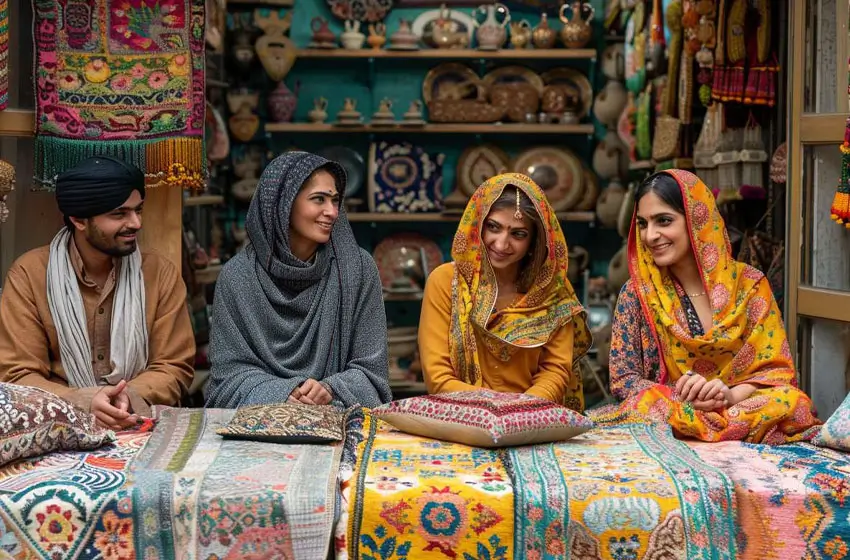
Shopping is an enjoyable part of many India itineraries. Rajasthan textiles, marble inlay work, jewelry, carpets, leather goods, handicrafts, and artwork attract visitors from around the world.
Problems arise only when shopping stops become mandatory rather than optional.
Some travelers discover that a significant portion of their sightseeing day is spent visiting stores they never requested. These visits often occur because drivers or guides receive commissions from specific businesses.
A professional travel experience should always prioritize the interests of the traveler rather than commercial arrangements.
This does not mean all shopping recommendations should be avoided. Many drivers genuinely know reputable stores and artisans. The difference lies in whether the suggestion feels helpful or pressured.
If travelers express interest in shopping, recommendations can be valuable. If they decline, the conversation should end there.
The best transportation providers and guides respect these preferences without repeatedly revisiting the subject.
Travelers should feel comfortable saying no to shopping opportunities that do not interest them.
Major tourist attractions occasionally attract unofficial ticket sellers who promise faster entry, discounted prices, or special access.
Visitors may be approached outside monuments and informed that official ticket counters are closed, crowded, or unavailable.
The proposed solution is usually a ticket offered through an unofficial source.
Unfortunately, travelers sometimes discover that these tickets are invalid or priced significantly above official rates.
The safest approach is surprisingly simple. Purchase tickets only through official channels, recognized booking platforms, or trusted travel providers.
Attractions such as the Taj Mahal have clearly established ticketing systems, and legitimate tickets remain available through official sources.
Trying to save a small amount of time by bypassing official procedures rarely provides meaningful benefits and occasionally creates unnecessary complications.
Patience and official channels almost always represent the better option.
One common factor appears repeatedly across many travel scams: urgency.
Travelers are told that tickets are about to sell out, hotels are suddenly unavailable, routes are closed, prices are increasing immediately, or opportunities will disappear within minutes.
Urgency reduces critical thinking.
People make poorer decisions when they feel pressured.
Professional travel providers rarely force immediate decisions. They provide information, answer questions, and allow travelers time to evaluate options.
Whenever someone insists that a decision must be made immediately, it is worth slowing down and verifying the information independently.
Most genuine opportunities remain available long enough for travelers to think carefully.
A few extra minutes spent confirming details can prevent hours of frustration later.
One of the first practical tasks many foreign travelers face after arriving in India is obtaining local currency. While digital payments have become increasingly common throughout the country, cash still plays an important role in certain situations, particularly in smaller towns, local markets, and some transportation services.
Because travelers often need cash soon after arrival, currency exchange can sometimes become an area where confusion occurs. One common issue involves exchange rates that sound attractive initially but include hidden fees or unfavorable calculations that become apparent only after the transaction is completed.
Another situation occurs when travelers exchange money through unofficial individuals rather than established exchange counters, banks, or recognized financial institutions. While the offered rate may appear better, the lack of transparency creates unnecessary risk.
Experienced travelers usually exchange only a reasonable amount upon arrival and then use ATMs or reputable exchange facilities as needed throughout the trip. This approach reduces exposure to poor exchange rates and allows visitors to manage their finances more effectively.
The safest approach is simple. Use recognized financial institutions, verify exchange rates before completing transactions, and always count currency carefully before leaving the counter. Most problems arise when travelers rush through the process because they are tired after a long flight or eager to begin sightseeing.
A few minutes of attention can prevent significant inconvenience later in the journey.
India is a country with immense diversity and complexity. Travelers may encounter individuals requesting donations for schools, orphanages, religious causes, medical situations, or community projects.
Many charitable organizations perform valuable work and genuinely deserve support. However, tourists should understand that not every request for money represents a legitimate cause.
Some scams rely heavily on emotional pressure. Travelers may be approached with stories designed to create urgency, guilt, or sympathy. In some cases, visitors are shown notebooks containing names and donation amounts allegedly contributed by previous tourists.
The challenge is that genuine need and deceptive fundraising can sometimes appear similar to someone unfamiliar with the local environment.
Responsible travelers who wish to support charitable causes are generally better served by researching organizations in advance and making contributions through established channels. This approach ensures that assistance reaches the intended recipients and allows visitors to support causes that align with their values.
There is nothing wrong with declining unsolicited requests. Most experienced travelers learn that saying "No, thank you" politely but confidently is often the most practical response.
Being generous is admirable. Being informed is equally important.
Photography is naturally an important part of most India itineraries. Travelers visiting the Taj Mahal, Jaipur's forts, Udaipur's lakes, or Rajasthan's villages often spend a considerable amount of time taking pictures.
At certain locations, visitors may encounter individuals who offer to take photographs using the traveler's own camera or phone. In many cases, these offers are completely harmless and genuinely helpful.
However, problems occasionally arise when travelers assume the service is free and later discover that payment is expected. Sometimes the requested amount may be far higher than anticipated.
Another variation involves individuals posing with tourists for photographs and then demanding money afterward.
The simplest solution is clear communication. If someone offers assistance, establish expectations before the photograph is taken. A brief conversation avoids confusion and ensures that both parties understand the arrangement.
Travelers should also feel comfortable declining unwanted interactions. Most photography opportunities in India can be enjoyed without assistance from strangers.
Clear communication prevents misunderstandings and allows visitors to focus on capturing memories rather than resolving disputes.
Reliable mobile connectivity has become an essential part of modern travel. Navigation, hotel confirmations, translation tools, flight updates, restaurant recommendations, and communication with family members often depend on internet access.
Because travelers need connectivity quickly, some become vulnerable to misleading information regarding SIM cards and mobile services.
Occasionally, visitors may be told that only specific vendors can provide working SIM cards or that unusual procedures are required to activate service. In reality, obtaining connectivity is generally straightforward when using recognized providers and official sales channels.
Many travelers now choose eSIM options before arriving in India, while others purchase local SIM cards through authorized outlets.
The key point is that mobile connectivity should be arranged through legitimate providers rather than informal street offers.
Reliable internet access improves almost every aspect of travel. Investing a little time to obtain service properly is well worth the effort.
Most travelers find that once connectivity is established, navigating India becomes considerably easier and more comfortable.
ATMs are widely available in major Indian cities and tourist destinations, making them a convenient way to access local currency during a trip.
While ATM-related problems are relatively uncommon, sensible precautions remain worthwhile. Travelers should use machines located inside banks, airports, shopping centers, or reputable commercial areas whenever possible.
Machines in isolated locations naturally offer less oversight and should generally be avoided when alternatives are available.
It is also advisable to monitor surroundings while withdrawing cash and avoid discussing financial matters with strangers. Simple precautions that travelers would follow in any major city worldwide apply equally in India.
Many visitors find it useful to carry a combination of payment methods rather than relying entirely on cash or entirely on cards. This provides flexibility and reduces inconvenience if one method becomes temporarily unavailable.
Financial preparation is not about expecting problems. It is about ensuring that minor issues do not disrupt the overall travel experience.
Well-prepared travelers typically enjoy a smoother and more relaxed journey.
India welcomes a large number of solo female travelers every year, many of whom have extraordinary experiences exploring the country independently.
Like anywhere else in the world, awareness and preparation contribute significantly to comfort and confidence.
One of the most effective steps is arranging transportation through reputable providers. Knowing who will be collecting you, where you are going, and how the journey has been organized eliminates many common uncertainties.
Clear communication regarding hotel details, travel schedules, and arrival times also helps create a smoother experience.
Solo female travelers often report that confidence itself becomes an important factor. Individuals who appear comfortable, informed, and purposeful are generally less likely to attract unwanted attention.
Travelers should trust their instincts. If a situation feels uncomfortable, there is usually no obligation to continue the interaction.
Most solo female visitors discover that India is far more manageable than they initially expected. Preparation, confidence, and professional transportation arrangements contribute greatly to a positive experience.
Choosing the right travel company is one of the most important decisions a visitor can make.
A genuine company usually demonstrates several consistent characteristics. Communication is professional, information is transparent, and responses are detailed rather than vague.
Reliable operators generally have established websites, verifiable contact information, customer reviews, and a visible track record of serving travelers.
Another positive sign is a willingness to answer questions openly. Legitimate companies understand that international travelers need information before committing to a booking.
Travelers should feel comfortable asking about vehicles, accommodations, guides, payment methods, cancellation policies, and itinerary details.
Companies that avoid providing clear answers often deserve additional scrutiny.
Verification is not about suspicion. It is about making informed decisions that contribute to a better travel experience.
The goal is to begin the journey with confidence rather than uncertainty.
One of the easiest ways to recognize a professional travel company is by observing how they handle the planning process.
Reputable operators focus on understanding the traveler's needs rather than immediately attempting to sell additional services. They ask questions about interests, travel style, accommodation preferences, arrival schedules, and special requirements.
Instead of creating pressure, they provide information.
Professional companies also recognize that every traveler is different. Some visitors prioritize luxury hotels, others focus on photography, wildlife, architecture, food, or cultural experiences. Genuine travel specialists adjust recommendations accordingly.
Transparency is another important characteristic. Travelers generally understand what is included, what is excluded, and how the itinerary will function before the trip begins.
Most importantly, professional companies prioritize long-term reputation over short-term profit. They understand that satisfied travelers generate positive reviews, recommendations, and repeat business.
This approach benefits everyone involved and creates a significantly better travel experience.
Many people become nervous when reading about travel scams before visiting a new country. Ironically, awareness usually produces the opposite result.
Most scams succeed because travelers have never heard of them before.
Once visitors understand how common situations work, they become much easier to recognize and avoid. The vast majority of international tourists complete their India journeys without experiencing serious problems.
Preparation allows travelers to approach the trip with confidence rather than anxiety.
Researching transportation, understanding local customs, verifying bookings, using reputable service providers, and avoiding rushed decisions dramatically reduces risk.
India rewards curious and informed travelers. Those who arrive prepared often discover that the country is welcoming, fascinating, and far easier to navigate than they initially expected.
The goal is not to be suspicious of everyone. The goal is to make informed decisions and enjoy the extraordinary experiences that India has to offer.
A professionally organized itinerary eliminates many of the situations that create confusion for first-time visitors. Reliable transportation, experienced drivers, transparent planning, and clear communication help travelers focus on enjoying their journey rather than worrying about logistics.
Whether you are planning a Golden Triangle Tour, Rajasthan Tour, Taj Mahal Tour, luxury holiday, family vacation, or customized India itinerary, working with experienced travel professionals can simplify the entire process.
For private transportation, customized itineraries, hotel recommendations, chauffeur-driven tours, and travel planning assistance, you can contact Mr. Raja and the team at India Agra Tours.
Yes. Millions of international visitors travel throughout India every year without major issues. Preparation and awareness help ensure a smooth experience.
Transportation-related misinformation and commission-based diversions are among the most commonly reported issues.
You can exchange a small amount at the airport, but it is generally wise to compare rates and use reputable financial institutions.
Some may be knowledgeable, but licensed or professionally arranged guides generally provide greater transparency and accountability.
Use pre-arranged transfers, confirm pricing in advance, and avoid making decisions based solely on information from strangers.
No. Many recommendations are genuine, but travelers should never feel pressured to shop.
Yes, especially those located inside banks, airports, and reputable commercial areas.
Look for transparent communication, verified reviews, established contact information, and a professional online presence.
Many solo female travelers have excellent experiences in India. Preparation and reputable transportation arrangements contribute significantly to comfort and confidence.
Research in advance, verify information independently, avoid rushed decisions, and use trusted travel providers whenever possible.