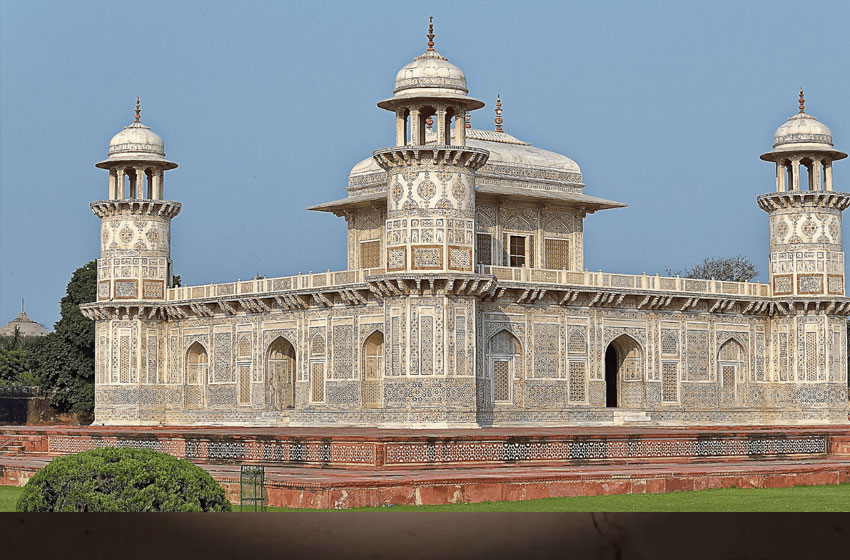
Taj Mahal Entry Fee for Foreigners (Complete Guide)
13 May 2025
Luxury travelers looking for culturally rich destinations often compare India, Morocco, and Egypt because all three countries promise history, architecture, desert landscapes, colorful markets, heritage experiences, and visually dramatic journeys. These destinations attract travelers who want more than ordinary holidays. They appeal to people searching for emotional depth, cultural immersion, and memorable travel experiences that feel completely different from standard beach tourism or modern city vacations.
At first glance, these countries seem similar because they all contain ancient civilizations, desert regions, luxury hotels, traditional craftsmanship, and iconic historical sites. However, the actual experience of traveling through each country feels remarkably different once the journey begins. India especially stands apart because the scale, diversity, emotional intensity, and cultural variation create an experience that many travelers describe as far more immersive and transformative than they originally expected.
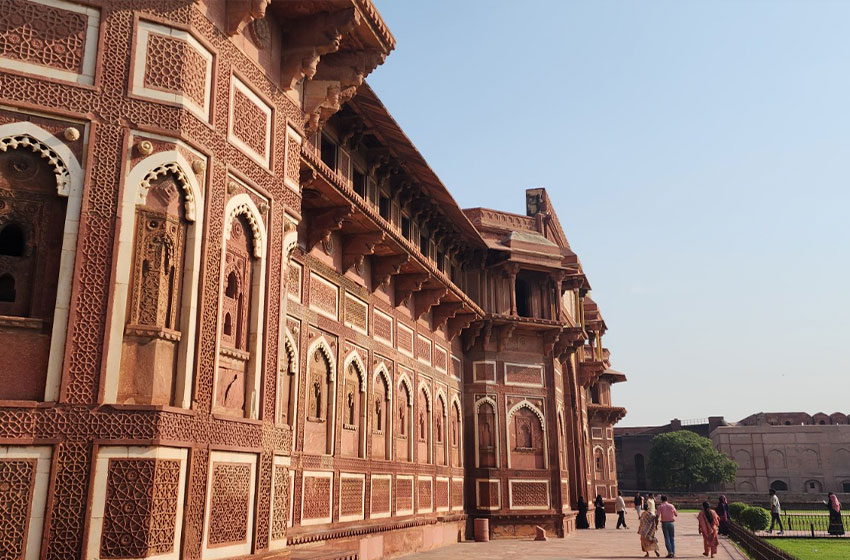
Morocco often feels visually elegant and atmospheric, especially through Marrakech, Fes, riads, and desert camps. Egypt creates a strong historical impact through pyramids, temples, and Nile journeys connected to one of the world’s oldest civilizations. India, however, combines multiple emotional worlds inside one country. Travelers move between royal Rajasthan palaces, spiritual river cities, wildlife safaris, luxury mountain retreats, Mughal architecture, tropical landscapes, ancient temples, and chaotic urban life during the same journey.
This constant transformation creates emotional momentum that many luxury travelers find difficult to compare with other destinations. India rarely feels repetitive because every region introduces different architecture, languages, clothing styles, food traditions, landscapes, and rhythms of life. A traveler moving from Delhi to Jaipur, Udaipur, Jaisalmer, Varanasi, and Kerala often feels as though they have visited multiple countries within a single trip.
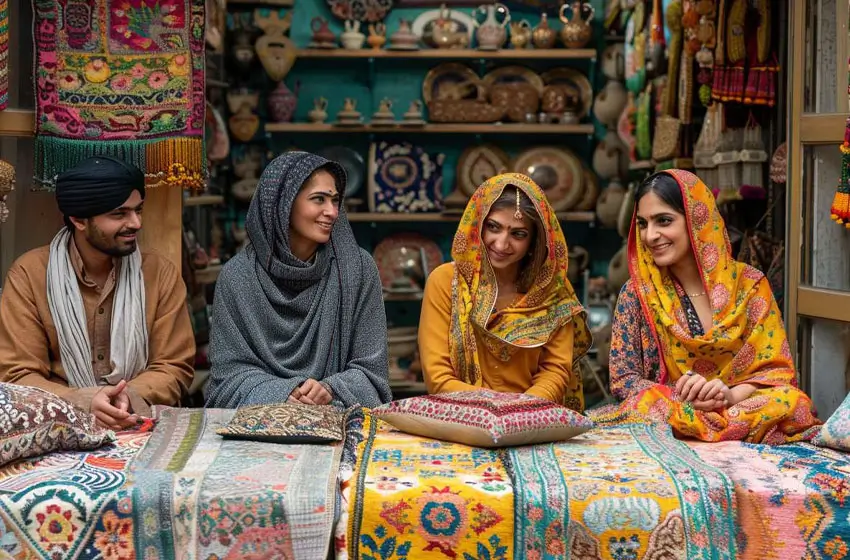
Another major difference is how deeply culture remains connected to daily life. In India, spirituality, tradition, festivals, rituals, local craftsmanship, and historical identity are not preserved only inside museums or tourist sites. They remain active parts of ordinary life visible throughout streets, homes, temples, markets, and celebrations. This creates a travel experience that feels emotionally alive rather than simply historically impressive.
Luxury travelers increasingly value experiences that feel authentic and emotionally engaging rather than overly polished or disconnected from local culture. India performs exceptionally well in this area because even highly luxurious experiences still feel rooted in local identity.
At the same time, India also feels more intense than Morocco or Egypt for many first-time visitors. The country is larger, more crowded, and emotionally layered in ways many travelers cannot fully understand until they arrive. However, this intensity is also exactly what makes India unforgettable for many people who eventually return repeatedly for deeper exploration.
More Than a Vacation - A Luxury Experience Crafted Just for You
India brings together royal heritage, vibrant culture, breathtaking landscapes, and exceptional hospitality in one remarkable destination. With your own private chauffeur, carefully selected luxury hotels, and a fully customized itinerary.
One of India’s greatest strengths as a luxury destination is the sheer range of experiences available across the country. Luxury travel in India is not limited to one atmosphere or one type of scenery. Travelers can move between deserts, palaces, jungles, lakes, mountains, spiritual cities, tropical coastlines, and heritage towns without leaving the country.
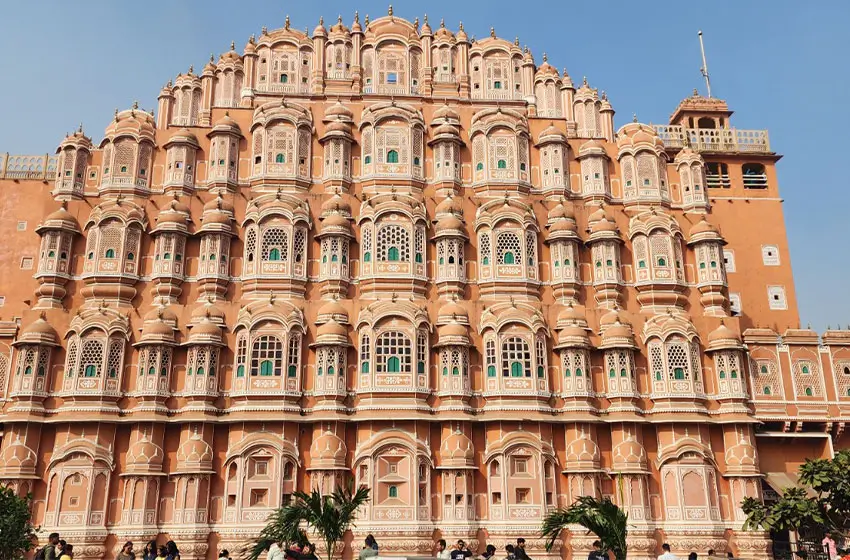
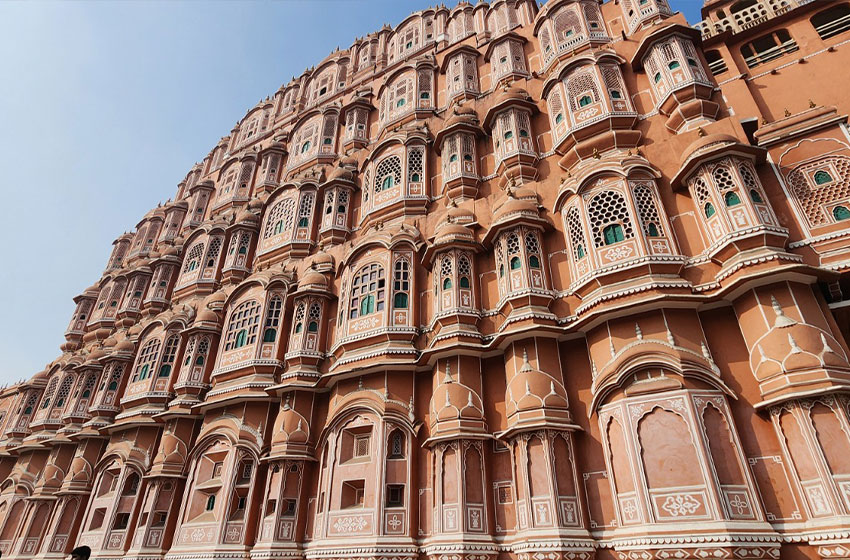
This level of variation creates long journeys that remain emotionally fresh from beginning to end. Rajasthan alone offers remarkable diversity. Jaipur feels regal and energetic, Udaipur feels romantic and peaceful, Jaisalmer feels cinematic and isolated, while Jodhpur carries dramatic desert-fort atmosphere unlike anywhere else in the region.
Travelers can stay inside restored royal palaces overlooking lakes one week and then sleep inside elegant luxury desert camps in Rajasthan surrounded by dunes and silence during the next stage of the journey. Later they may continue toward wildlife lodges near Ranthambore or wellness retreats in Kerala without losing continuity in hospitality quality.
Morocco certainly offers beautiful riads, desert lodges, mountain retreats, and sophisticated boutique properties. Egypt provides elegant Nile cruises and luxury hotels near historical sites. However, India’s scale allows travelers to combine far more contrasting experiences within one itinerary.
Another important difference involves emotional pacing. India naturally supports both highly active cultural exploration and deeply relaxing luxury travel. Travelers can spend mornings inside crowded historical markets and evenings inside peaceful palace courtyards with candlelit dining and private cultural performances.
The luxury travel infrastructure has also improved dramatically over recent years. Palace hotels, heritage mansions, boutique havelis, safari lodges, luxury trains, and chauffeur-driven journeys now create extremely high-end experiences for international travelers seeking immersive cultural tourism.
India also excels in experiential luxury rather than only visual luxury. Many high-end travelers no longer want generic five-star hotels that could exist anywhere in the world. They want experiences emotionally connected to the destination itself. India’s best luxury journeys often feel deeply rooted in local architecture, cuisine, music, rituals, textiles, landscapes, and storytelling traditions.
This emotional authenticity has become one of India’s biggest advantages compared to destinations where luxury sometimes feels disconnected from local identity.
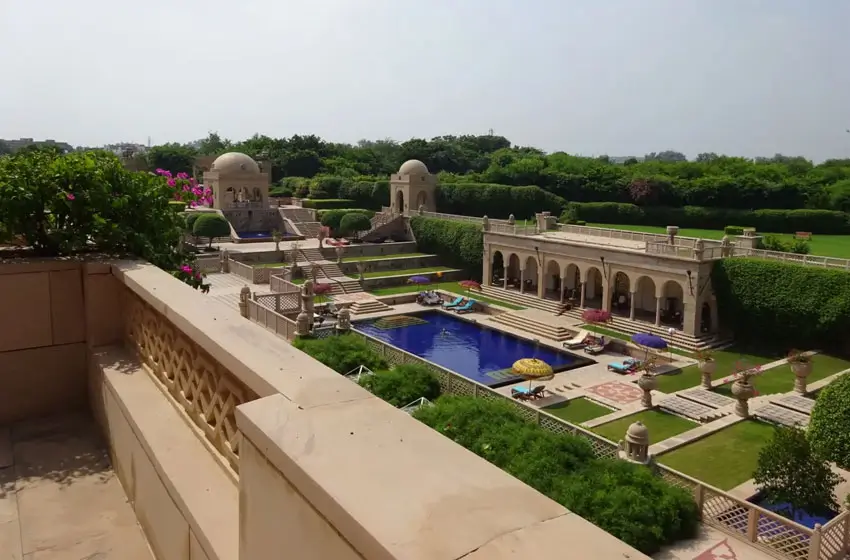
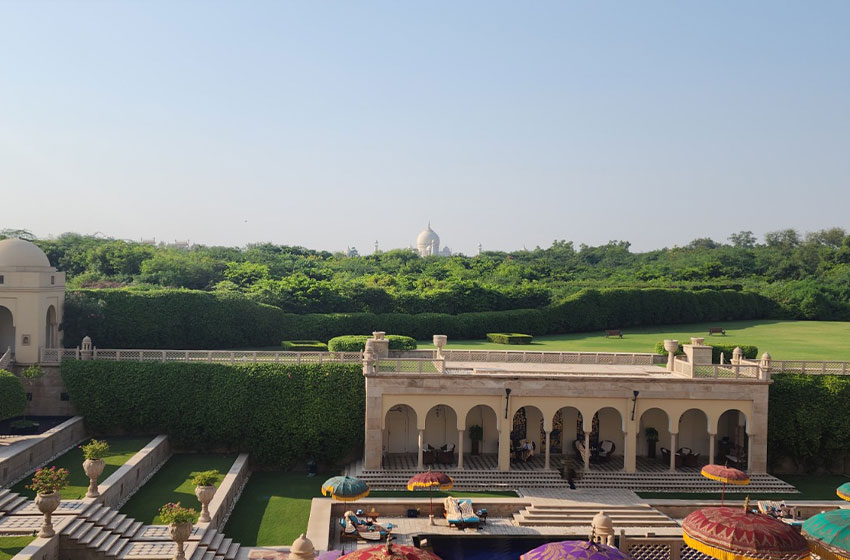
One of the strongest reasons travelers increasingly choose India over competing cultural destinations is the extraordinary quality of palace hospitality available across Rajasthan and other regions. India offers one of the world’s most immersive heritage hotel experiences because many luxury properties are actual former royal residences transformed into hospitality spaces without losing their historical atmosphere.
Travelers staying in these properties are not simply sleeping inside luxury hotels. They are temporarily living inside royal architecture connected to centuries of history and aristocratic culture. This creates emotional depth difficult to replicate through modern luxury resorts.
Many palace hotels contain:
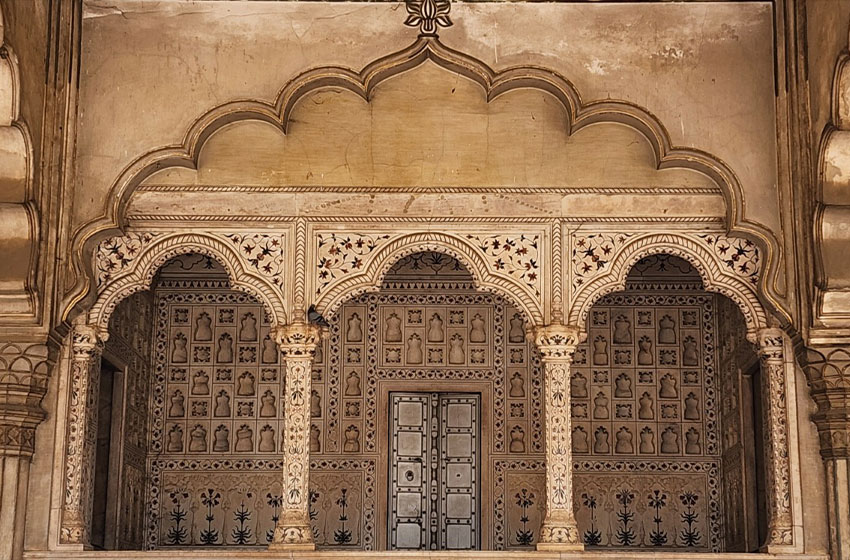
massive courtyards, hand-painted ceilings, marble corridors, royal gardens, lakeside terraces, antique furniture, candlelit dining halls, and traditional architecture preserved carefully over generations. Travelers often feel emotionally connected to the atmosphere because the spaces carry visible historical identity rather than generic modern luxury design.
Another important factor is hospitality style. Luxury service in India often feels unusually warm and personal. Staff interactions frequently feel attentive without becoming overly formal or emotionally distant. Many travelers remember the hospitality itself as strongly as the architecture.
Rajasthan especially excels in this area because the region’s royal heritage remains deeply visible throughout tourism culture. Luxury hotels in Udaipur, Jaipur, Jodhpur, and smaller heritage towns often feel cinematic in ways difficult to compare internationally.
Morocco certainly offers beautiful riads filled with atmosphere and craftsmanship. Egypt contains historically important luxury hotels connected to Nile travel and colonial-era tourism. However, India’s palace hospitality feels broader in scale and more emotionally immersive because entire cities still revolve around visible royal heritage.
Another advantage is how naturally these hotels integrate into slower travel experiences. Travelers are encouraged to relax, observe architecture, enjoy long dinners, experience cultural performances, and emotionally absorb the environment instead of constantly rushing between sightseeing schedules.
This slower luxury rhythm aligns perfectly with modern high-end travel trends focused on emotional quality rather than simply destination quantity.
One of India’s greatest luxury travel strengths is the quality of long-distance cultural road travel across Rajasthan and North India. Chauffeur-driven journeys have become increasingly popular because travelers now prefer slower and more immersive exploration instead of repeatedly navigating airports and rushed transportation schedules.
Rajasthan’s geography naturally supports this style of travel. The roads between Jaipur, Udaipur, Jodhpur, Pushkar, Ranthambore, and Jaisalmer reveal changing landscapes, villages, desert scenery, ancient forts, roadside tea stalls, camel caravans, and countryside architecture that become part of the experience itself.
Travelers moving slowly through these regions often feel emotionally connected to the journey rather than simply focused on reaching destinations quickly.
Luxury road travel in India also feels highly flexible. Travelers stop for photography, tea, village walks, scenic views, local restaurants, or simply quiet observation whenever they want. This flexibility creates a much calmer atmosphere compared to constantly managing flights, security checks, and airport transfers.
Many luxury travelers now prefer private Rajasthan tours because the roads themselves become memorable. Watching desert landscapes slowly change outside large SUV windows while moving between palace hotels creates a travel rhythm that feels immersive and emotionally rich.
Morocco also offers beautiful road journeys through desert landscapes and mountain routes. Egypt provides memorable Nile travel and historical touring experiences. However, Rajasthan combines road-trip atmosphere with palace hospitality, heritage architecture, and extraordinary visual diversity in ways many travelers find uniquely compelling.
Another major advantage involves emotional pacing. India’s luxury road trips encourage travelers to slow down rather than constantly optimize time efficiency. This slower rhythm often creates stronger emotional memories because travelers actually absorb the landscapes and culture instead of rushing mechanically between destinations.
Discover Why Luxury Travelers Choose India
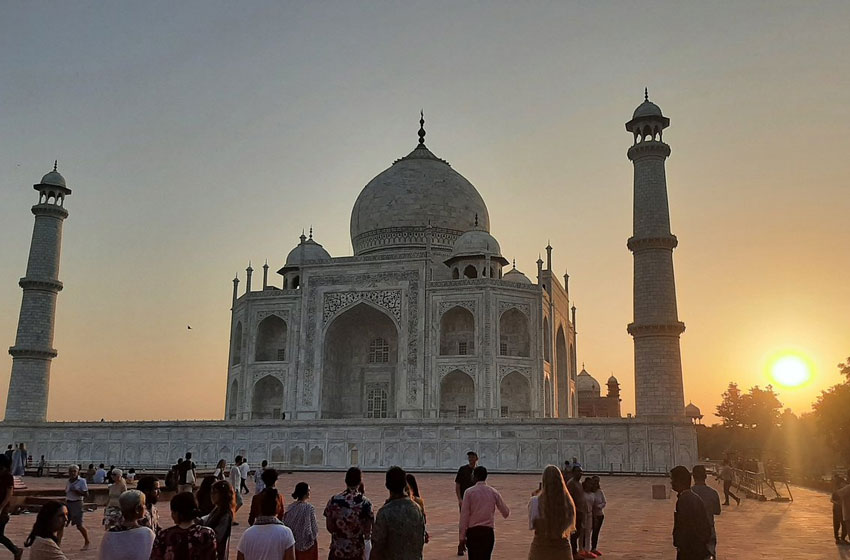
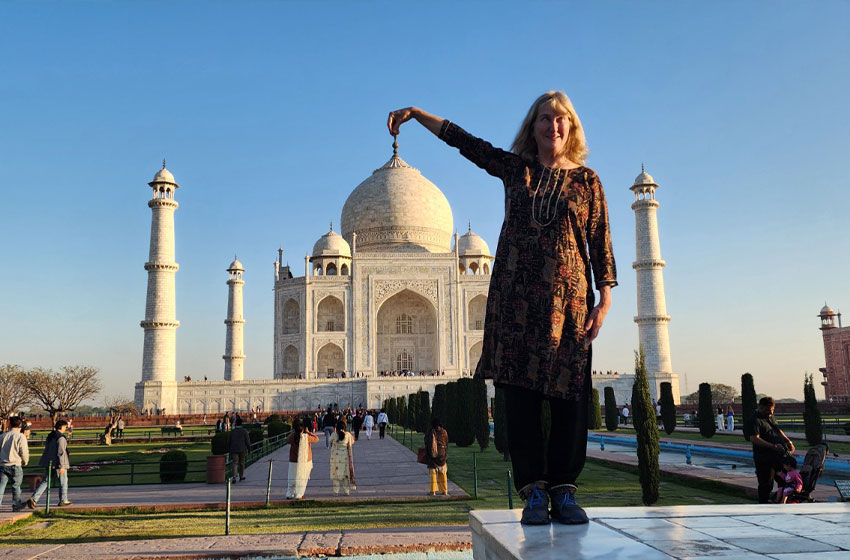
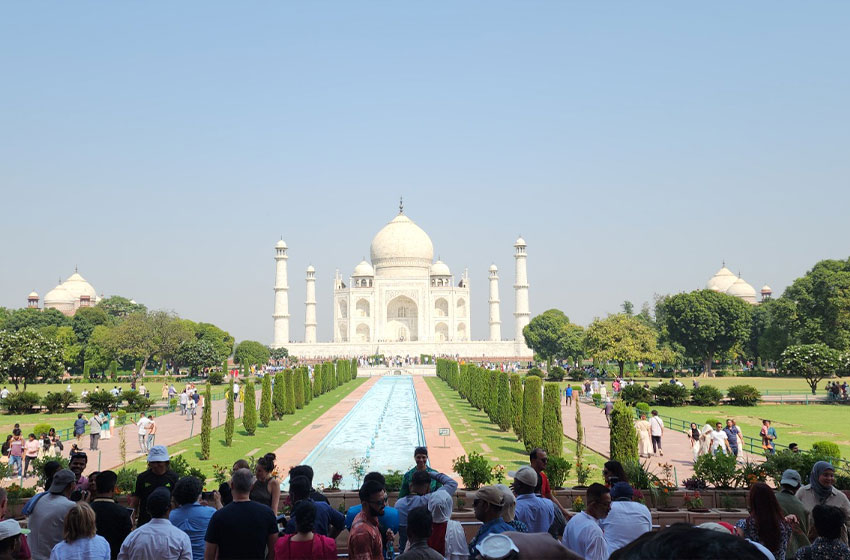
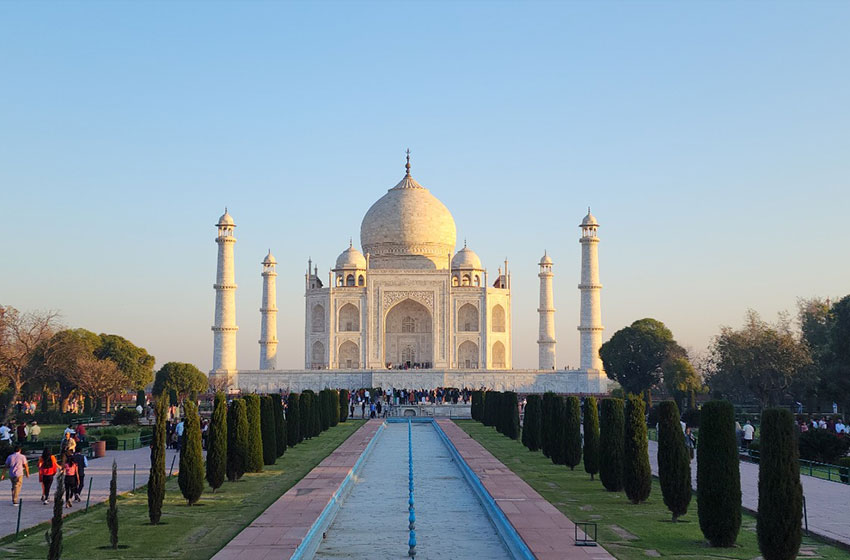
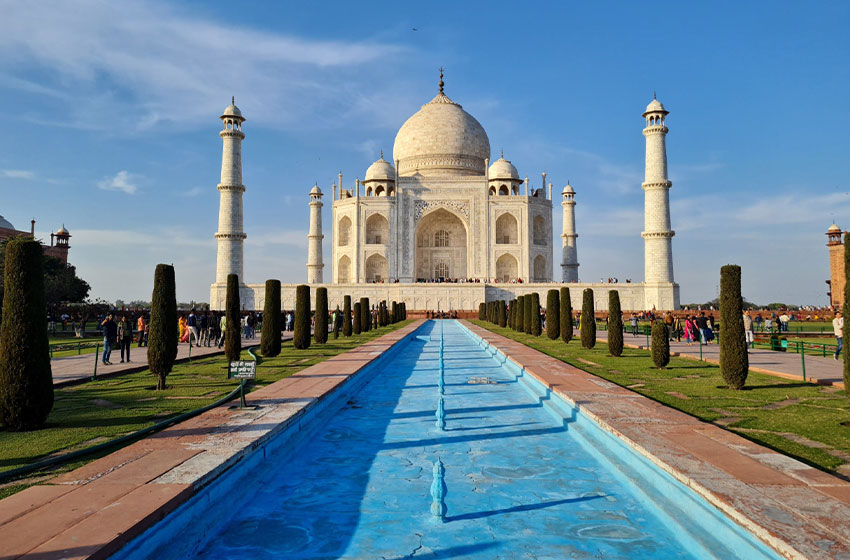
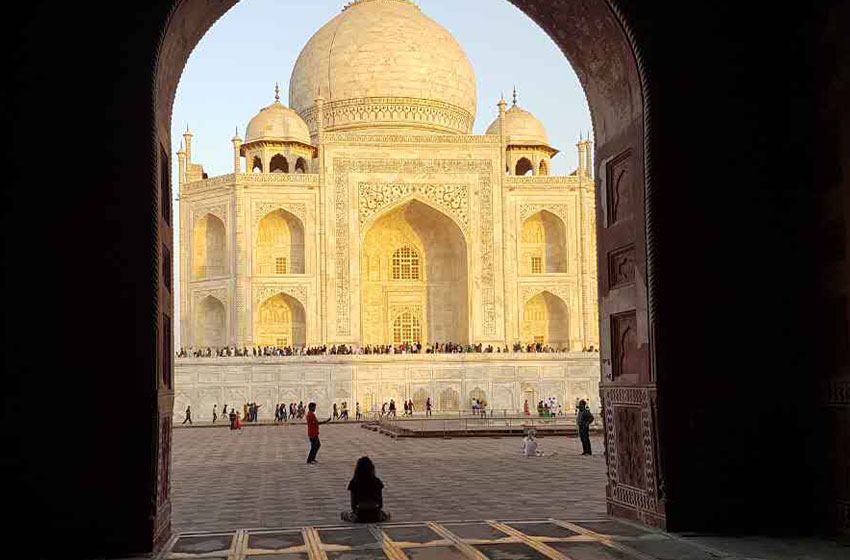
Wake up in a royal palace, watch the sunrise over the Taj Mahal, enjoy a private tiger safari, unwind in Kerala's peaceful backwaters, and end your day with fine dining under the stars.
One thing many travelers notice quickly is that India creates stronger emotional reactions than most destinations. Some visitors feel overwhelmed initially, while others become deeply fascinated almost immediately. Very few travelers feel emotionally neutral about India.
The reason is simple. India operates on multiple emotional levels simultaneously. Beauty, chaos, spirituality, luxury, poverty, history, color, silence, crowds, hospitality, and sensory intensity all exist side by side throughout the journey.
This intensity can initially feel exhausting for travelers expecting predictable luxury tourism environments. However, many experienced travelers later describe this exact emotional complexity as the reason India becomes unforgettable.
Morocco often feels visually elegant and atmospheric. Egypt feels historically monumental and dramatic. India feels deeply alive.
Luxury travelers increasingly value this emotional richness because many modern luxury destinations around the world have started feeling overly standardized. India remains emotionally unpredictable in ways that keep travelers highly engaged throughout long journeys.
At the same time, India rewards travelers who move slowly. Travelers trying to rush aggressively through the country often become overwhelmed. Those who allow themselves time to adapt emotionally usually experience India much more positively.
This is one reason slow luxury travel in Rajasthan has become increasingly popular among international travelers seeking meaningful cultural immersion.
One major difference between India and many cultural destinations is repeat travel behavior. A large number of luxury travelers return to India repeatedly because the country feels impossible to fully experience during a single trip.
Travelers may initially visit Rajasthan and the Golden Triangle before returning later for Kerala, Himalayan regions, wildlife safaris, spiritual journeys, or wellness retreats.
The country’s diversity creates endless possibilities for deeper exploration.
Many visitors also describe emotional attachment to India that develops gradually over time. Initial visits often focus on visual impact and major landmarks, while later journeys become slower, more personal, and emotionally immersive.
India rewards curiosity and patience more than checklist tourism.
This repeat-travel phenomenon has become one of the strongest indicators of India’s growing position within global luxury cultural tourism.
India offers a wider variety of luxury experiences, especially through palace hotels, private road trips, wildlife lodges, and immersive cultural journeys.
Rajasthan combines royal heritage, luxury hotels, desert landscapes, cultural richness, and excellent private road-trip experiences.
Yes, many palace hotels in India are actual former royal residences transformed into luxury hospitality properties.
Yes, India offers far greater cultural, geographical, and emotional diversity across different regions.
Rajasthan road trips allow travelers to experience villages, landscapes, forts, desert scenery, and heritage culture slowly and comfortably.
India can initially feel intense, but slower travel and carefully planned itineraries usually create very rewarding experiences.
Yes, many luxury desert camps provide extremely high comfort standards combined with authentic desert atmosphere.
India’s diversity and emotional depth make it difficult to fully experience in a single trip.
Many luxury travelers prefer private tours because they offer flexibility, comfort, and deeper cultural immersion.
Many travelers feel India creates more emotionally immersive journeys because luxury remains closely connected to local culture and daily life.