Taj Mahal Entry Fee for Foreigners (Complete Guide)
13 May 2025
December is one of the most comfortable months for foreign tourists visiting India, particularly those interested in Delhi, Agra, Jaipur, Rajasthan and other parts of North India. The intense summer heat has disappeared, the main monsoon season has passed across most popular northern destinations, and daytime sightseeing becomes considerably more comfortable. At the same time, southern and coastal destinations remain warm enough for travelers who want beaches, backwaters and tropical weather.
The most important thing to know about India in December is that there is no single temperature that represents the whole country. A traveler can experience a cold morning in Delhi, pleasant sunshine in Agra, a chilly desert evening in Rajasthan and warm beach weather in Goa during the same holiday.
This variety makes December especially suitable for a multi-city journey, but it also means packing and scheduling require some thought. Foreign visitors should expect significant differences between morning and afternoon temperatures, particularly in North India.
For first-time visitors, Delhi, Agra and Jaipur form one of the most practical December routes. Travelers with additional time can continue into Rajasthan toward Jodhpur, Udaipur and Jaisalmer or fly south for warmer weather.
India Agra Tours arranges private journeys covering the Taj Mahal, Golden Triangle, Rajasthan and longer multi-city routes for foreign travelers who prefer a private car, experienced driver and flexible sightseeing schedule.
The weather in India in December depends heavily on the region. Foreign tourists should avoid packing based simply on the idea that India is a hot country.
Delhi can have genuinely cold mornings and evenings during December. Temperatures can fall into single digits Celsius on colder days, while afternoons can become considerably warmer when the sun is out. A traveler leaving a Delhi hotel early in the morning may need a jacket, sweater and full-length trousers but may remove one or two layers by lunchtime.
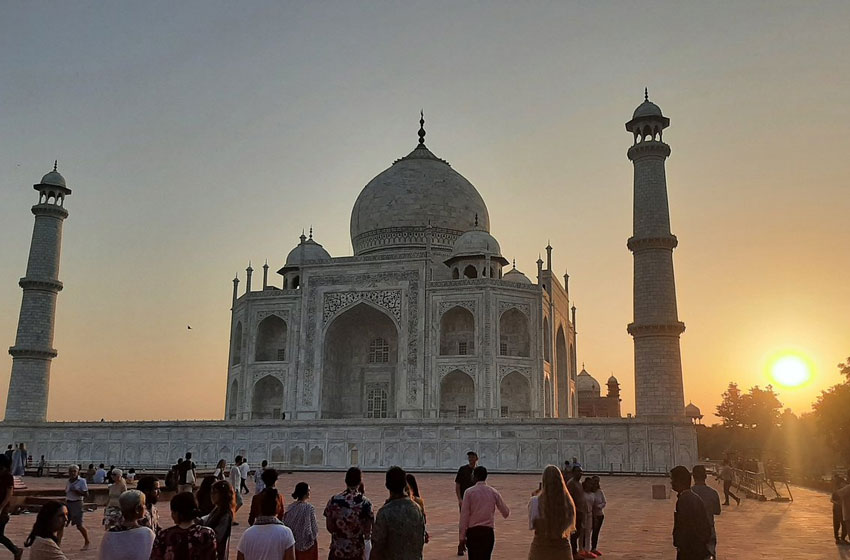
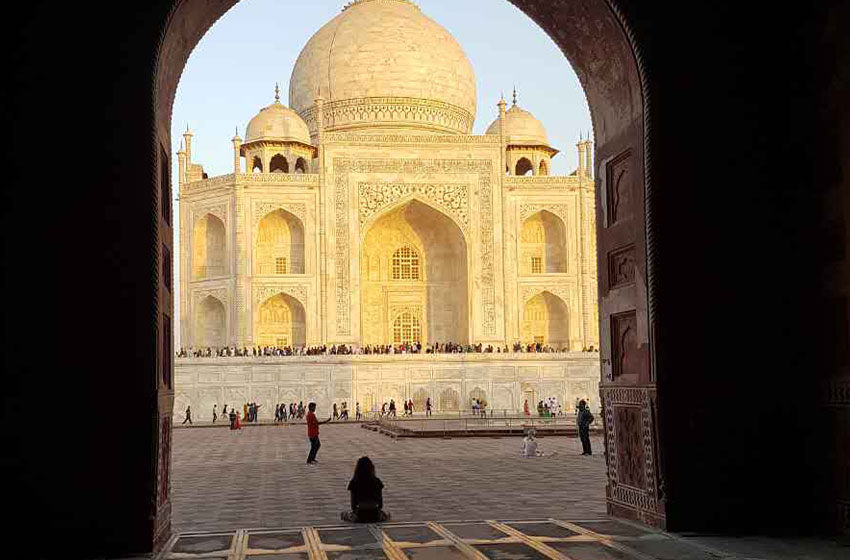
Agra follows a similar pattern. Early mornings can feel cold, which is especially important for travelers arranging a Taj Mahal sunrise visit. Standing outside before or shortly after sunrise feels very different from walking around the monument at midday. A warm outer layer is useful for early entry, but clothing that can easily be removed is more practical than one extremely heavy coat.
Jaipur is also cool during mornings and evenings but often has pleasant daytime conditions. These temperatures work particularly well for Amber Fort, City Palace, Jantar Mantar and old-city sightseeing because visitors can spend several hours outdoors without dealing with the severe heat experienced during hotter months.
Rajasthan becomes more varied as the route continues west. Jodhpur and Jaisalmer can have sunny, comfortable days followed by noticeably colder evenings. Foreign travelers staying at a desert camp near Jaisalmer should take the nighttime temperature seriously. Desert locations lose heat quickly after sunset, and evening cultural programs or outdoor dinners can feel cold.
Udaipur is generally pleasant during the day but can also have chilly mornings and evenings. Since many activities involve palace courtyards, lakefront areas and outdoor dining, a light jacket remains useful after sunset.
Southern and coastal India are entirely different. Goa remains warm during December, and daytime conditions can be suitable for beaches and swimming. Kerala also offers considerably warmer conditions than Delhi, Agra or Rajasthan.
This creates an unusual packing situation for someone combining the Golden Triangle with Goa or Kerala. The same suitcase may need a jacket and sweater for a cold Agra morning as well as lightweight summer clothing for the coast.
Winter fog is another practical factor in northern India. Fog can occasionally affect road visibility, trains and flights, particularly during colder winter periods. It does not mean that every December journey will be delayed, but a sensible itinerary should leave adequate time around important transport connections.
A foreign traveler catching an international flight should not schedule a long intercity road transfer immediately before departure with no time buffer. The same principle applies to domestic flights and important train journeys.
Choosing the best places to visit in India in December depends on whether the traveler wants history, architecture, desert landscapes, wildlife, beaches or a combination of several experiences.
Delhi is a natural starting point for many international visitors. December temperatures are far more suitable for long sightseeing days than the extreme heat experienced during parts of summer. Old Delhi, Humayun's Tomb, Qutub Minar, India Gate and the capital's historic neighborhoods can require substantial time outdoors, making cooler conditions useful.
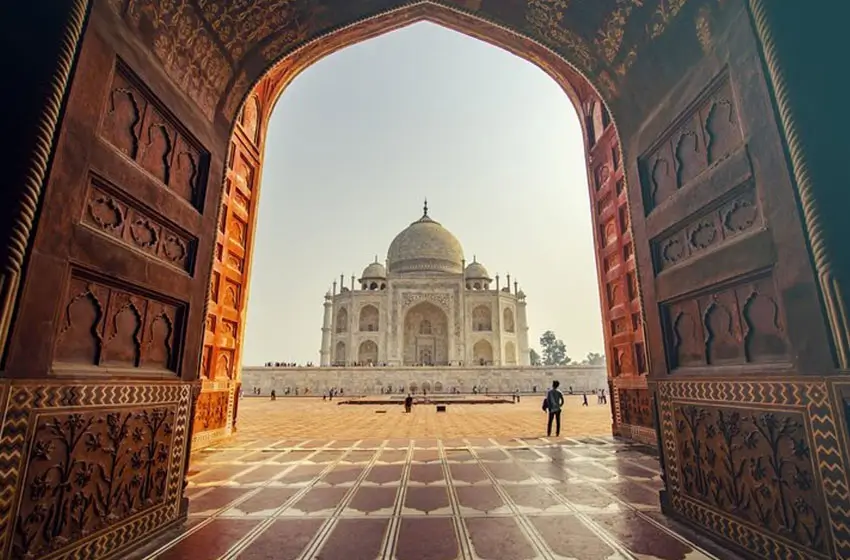
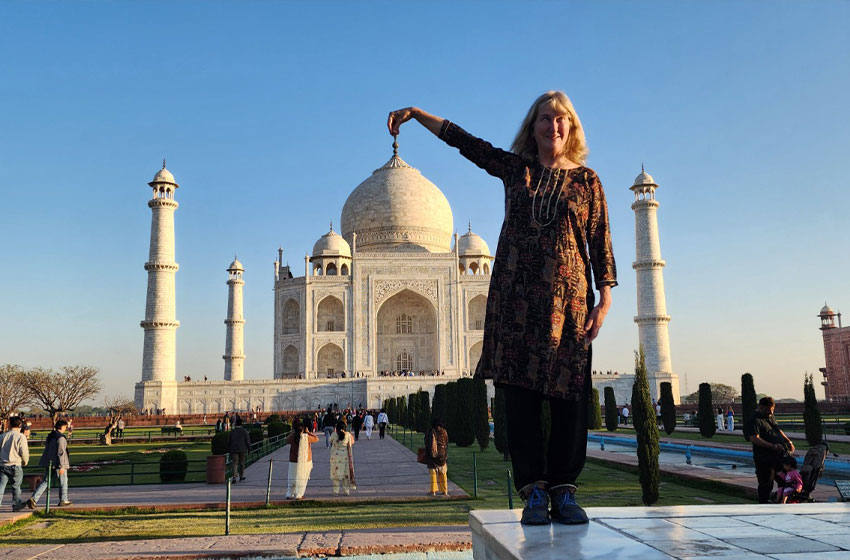
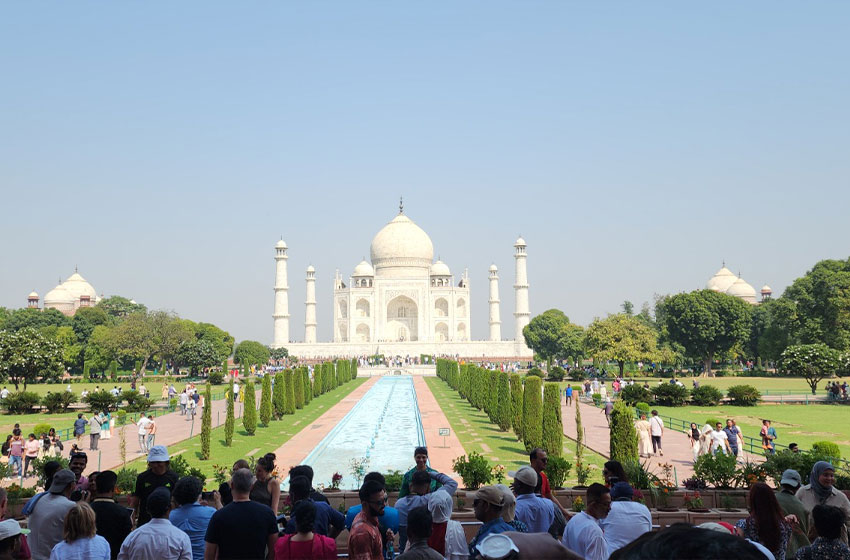
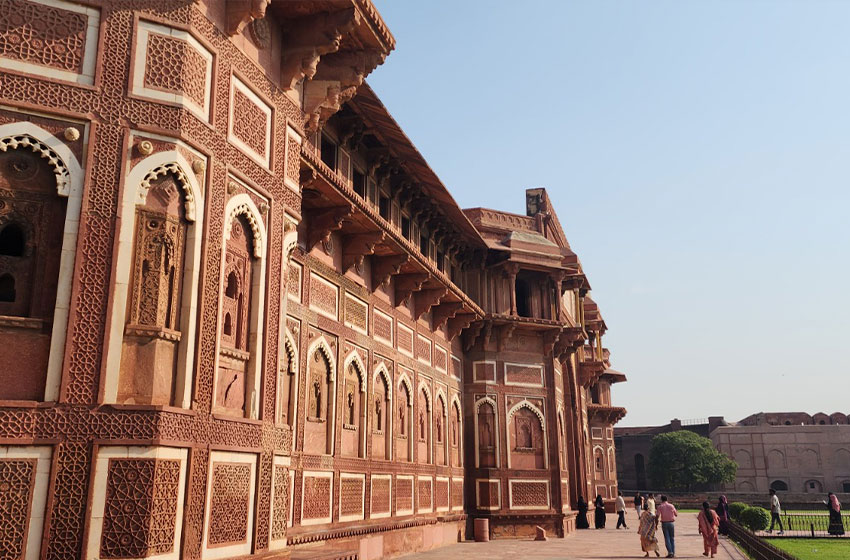
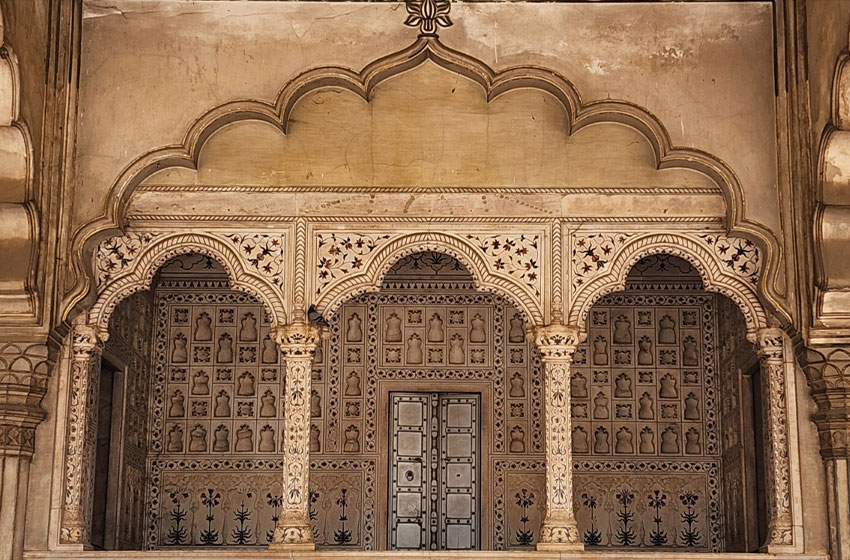
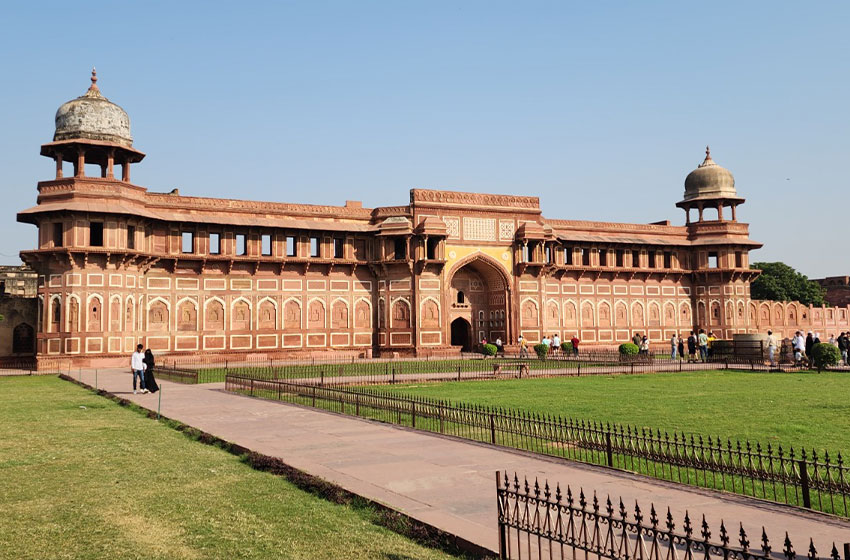
Agra should be treated as more than a quick photograph at the Taj Mahal. December weather makes it easier to spend proper time at the Taj Mahal and Agra Fort without becoming exhausted by heat.
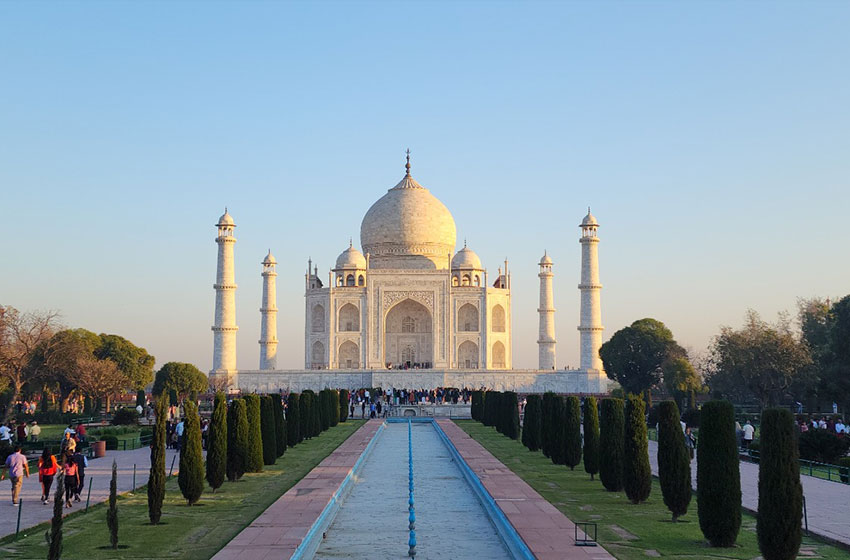
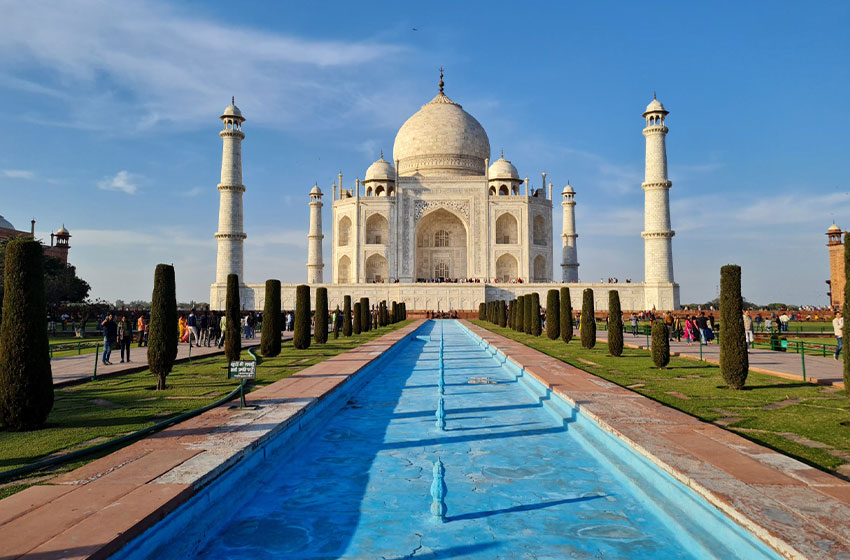
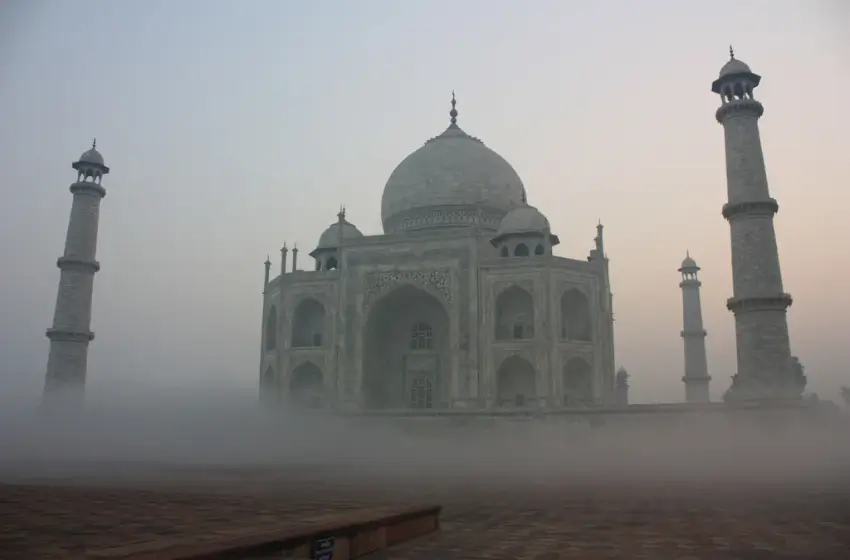
The Taj Mahal is particularly beautiful in the softer light of winter, although visitors should remember that sunrise visibility depends on actual weather conditions. Some winter mornings can be clear, while others can have haze or fog. Travelers should not build the entire trip around the assumption that every December sunrise will provide perfectly clear photography.
Staying overnight in Agra can be more comfortable than forcing a very early departure from Delhi followed by a full sightseeing day. It also gives visitors more flexibility with their Taj Mahal timing.
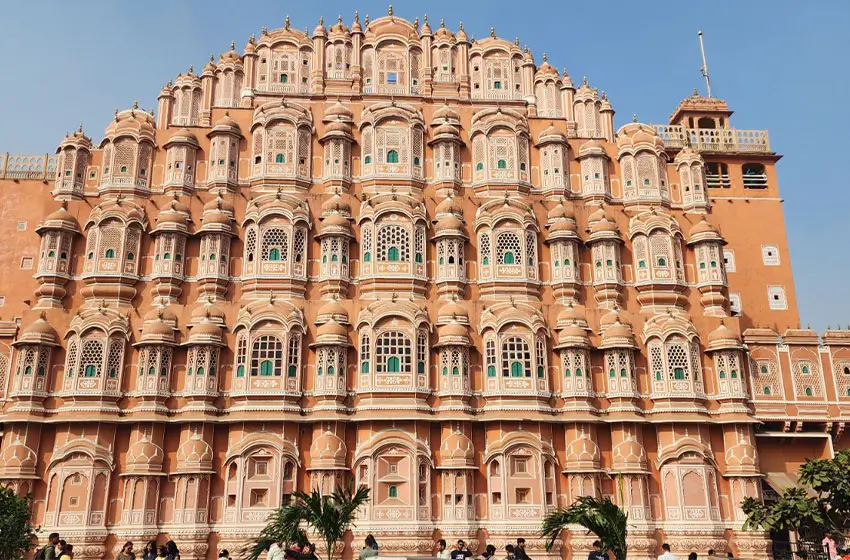
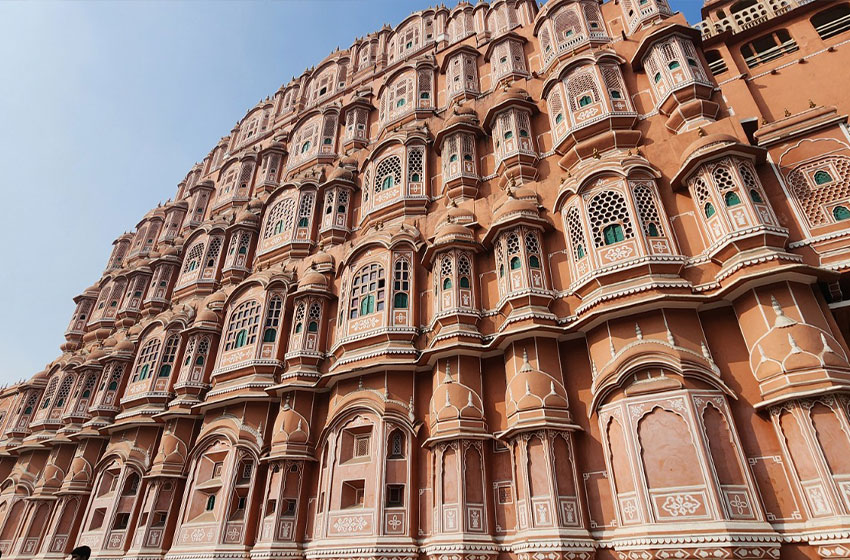
Jaipur is another excellent December destination. Amber Fort alone involves substantial walking, and cooler weather makes its courtyards, gateways and elevated areas more enjoyable. City Palace, Jantar Mantar, Hawa Mahal and Jaipur's shopping districts can then be covered without rushing.
Travelers who have more than a week should consider moving beyond the standard Delhi Agra Jaipur tour.
Jodhpur adds one of Rajasthan's most impressive forts along with the distinctive streets of the old city. Mehrangarh Fort can take several hours when visited properly, and December temperatures make walking through its courtyards and galleries comfortable.
Udaipur offers a softer Rajasthan experience with lakes, palaces and scenic surroundings. It is particularly suitable for couples and travelers who want to include slower days between more intensive sightseeing destinations.
Jaisalmer provides a completely different environment. The golden fort, old mansions and Thar Desert make it one of Rajasthan's most distinctive destinations. December is well suited to desert excursions because the daytime heat is far less intense than during hotter months.
Goa becomes a strong choice for visitors who want to finish a North India journey somewhere warm. Instead of spending the entire holiday visiting monuments, travelers can combine Delhi, Agra, Jaipur and Rajasthan with several days near the coast.
Kerala works for a similar reason but offers a different type of experience. Kochi, Munnar and the backwater areas provide greenery, waterways and tropical scenery that contrast sharply with Rajasthan's forts and desert landscapes.
The strongest itinerary is not necessarily the one containing the greatest number of famous destinations. Foreign visitors often underestimate Indian travel distances. Spending two or three nights in important cities generally produces a better holiday than changing hotels every day simply to add another name to the itinerary.
A Rajasthan tour in December is particularly attractive because much of the sightseeing takes place outdoors.
Jaipur, Jodhpur, Jaisalmer and Udaipur contain enormous forts, palace complexes, historic neighborhoods and markets. Exploring them properly can mean several hours of walking each day. December's cooler conditions make these activities considerably easier than they would be during periods of extreme heat.
A practical Rajasthan route can start in Jaipur before continuing to Jodhpur, Jaisalmer and Udaipur. Travelers arriving through Delhi can include Agra before entering Rajasthan, creating a longer Golden Triangle and Rajasthan tour.
Road travel is an important part of this type of holiday.
Foreign travelers should not estimate Indian driving times purely by looking at distance. A journey that appears straightforward on a map may include city traffic, smaller roads, town crossings, meal stops and sightseeing diversions. The experience is usually better when travel days are treated as part of the holiday rather than as inconvenient gaps between destinations.
A private car and driver in Rajasthan can be particularly useful because departure times remain flexible. Travelers can stop for photographs, meals or interesting places along the route without being tied to a fixed group-tour schedule.
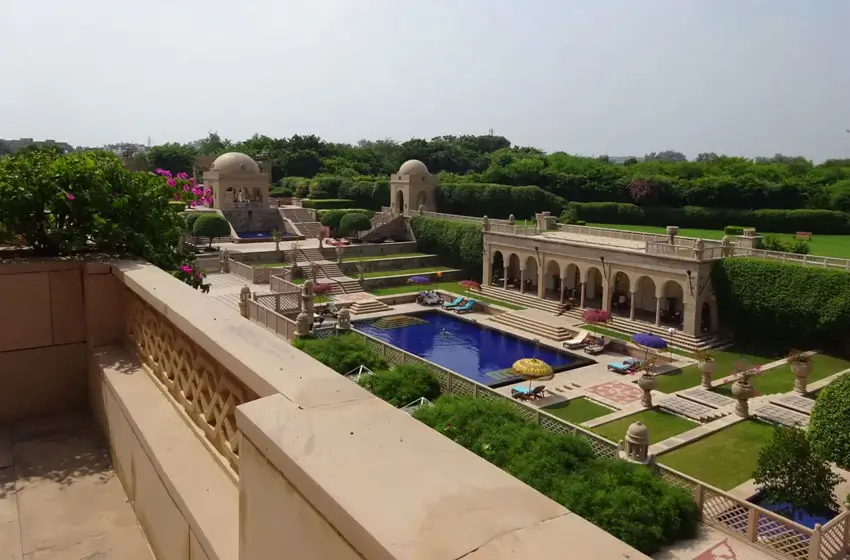
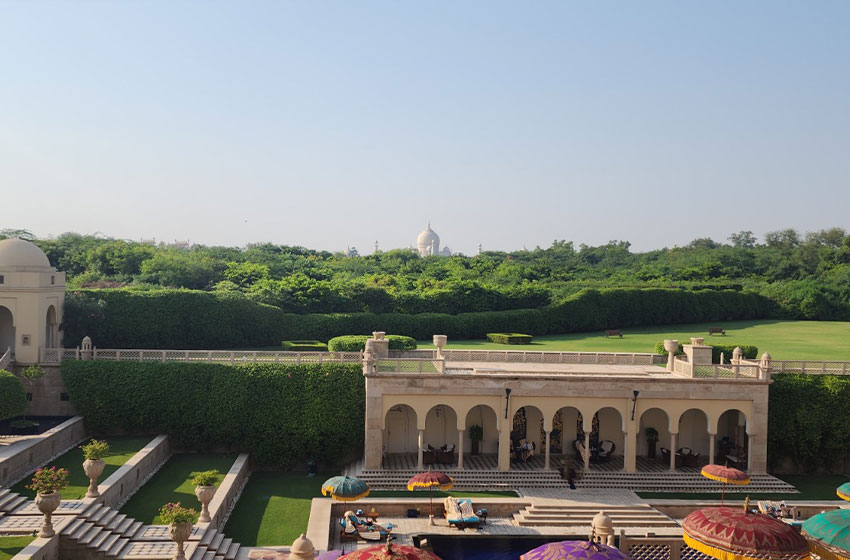
December is also an excellent period for Rajasthan's heritage hotels. Former royal residences, havelis and palace properties give visitors accommodation that reflects the character of the destination.
However, travelers should not confuse Rajasthan's desert geography with guaranteed heat.
A sunny afternoon can be comfortable enough for relatively light clothing, but temperatures can fall sharply after sunset. This is particularly noticeable around Jaisalmer and desert camps.
Visitors spending a night in the Thar Desert should carry a proper warm layer. Evening entertainment, dinner and early-morning desert activities may all take place outdoors.
Jaipur and Udaipur can also become cool at night. Travelers who enjoy rooftop restaurants should remember that sitting outside for two hours feels much colder than briefly walking between a vehicle and hotel.
December therefore rewards travelers who pack layers rather than choosing either an entirely summer or entirely winter wardrobe.
For foreign visitors who want a longer Rajasthan journey, India Agra Tours can arrange private chauffeur-driven routes connecting Delhi, Agra, Jaipur, Jodhpur, Jaisalmer, Udaipur and other destinations. A private route also makes it easier to adjust the number of nights according to the traveler's pace rather than following a rigid group itinerary.
Packing correctly can make a significant difference to an India December holiday.
For Delhi, Agra, Jaipur and much of Rajasthan, layered clothing is the most practical approach. Foreign visitors should consider carrying a sweater or fleece, a light-to-medium jacket, full-length trousers, comfortable walking shoes and a scarf.
People who feel cold easily may want a warmer jacket for early mornings.
The key is flexibility. Clothing suitable for an early morning Taj Mahal visit may feel too warm by midday. A jacket that can be removed and carried in a small backpack is therefore more useful than clothing designed only for one temperature.
Comfortable footwear deserves particular attention.
India's forts and historic monuments frequently contain stone surfaces, stairs, uneven areas and extensive courtyards. Visitors may walk considerably farther than expected during a day covering places such as Amber Fort or Agra Fort. Shoes should therefore be selected for comfort and grip rather than appearance alone.
Sunscreen and sunglasses are still useful during winter. Rajasthan in particular can have strong sunshine during the day even when the morning begins cold.
Travelers heading into desert areas should bring warmer evening clothing. A desert camp experience may include an outdoor sunset, cultural performance and dinner, meaning several hours can be spent outside after temperatures have fallen.
Visitors combining northern India with Goa or Kerala need lightweight clothing as well. Warm coastal conditions require an entirely different wardrobe from a cold early morning in Delhi.
A compact day bag is useful for storing layers as temperatures rise. It can also carry water, sunscreen, personal medication and other essentials during long sightseeing days.
Foreign travelers should check the short-range forecast shortly before departure rather than relying only on monthly averages. Weather can vary from one December week to another.
December's pleasant conditions also make it a popular travel period.
The second half of the month can be particularly busy around Christmas and New Year. Popular destinations may have stronger hotel demand, and premium heritage or luxury properties can sell their preferred room categories well in advance.
Travelers wanting a specific hotel should avoid assuming that suitable rooms will always be available after arrival.
The same principle applies to private vehicles and experienced local guides. December demand can be strong across the Golden Triangle and Rajasthan.
Hotel rates may also rise during peak festive dates. Luxury hotels and heritage properties can impose special festive arrangements, minimum-stay requirements or additional charges around Christmas Eve and New Year's Eve.
Travelers who have flexibility can sometimes obtain a calmer experience by traveling earlier in December rather than concentrating the entire trip around the final week of the month.
Popular monuments can also be busy. Starting sightseeing early can help, but foreign visitors should remember that the Taj Mahal is closed to general visitors on Fridays. A Golden Triangle schedule should take this closure into account before hotel and transport arrangements are fixed.
The best December schedule leaves breathing room. A holiday should not require waking before sunrise every morning and spending half of every day moving between hotels.
For travelers visiting India for the first time, Delhi, Agra and Jaipur remain a sensible starting route.
A traveler with around a week can spend time in Delhi before continuing to Agra for the Taj Mahal and Agra Fort and then traveling onward to Jaipur. This creates a geographically logical route without unnecessary flights.
With additional days, Rajasthan can be added.
Jaipur can lead naturally toward Jodhpur and Udaipur. Travelers interested in desert landscapes can include Jaisalmer, although the extra distance means it deserves sufficient time.
Someone with a longer holiday may combine North India with Goa or Kerala. This gives the trip two distinct characters: forts, palaces and Mughal monuments in the north followed by warmer coastal or tropical surroundings.
Private road travel is particularly practical across Delhi, Agra, Jaipur and Rajasthan because travelers avoid repeatedly arranging local transport between hotels, stations and sightseeing locations.
With India Agra Tours, foreign visitors can arrange a private India tour with car and driver covering the Golden Triangle, Rajasthan and customized multi-city routes. The itinerary can be adjusted around preferred hotels, sightseeing interests, travel pace and the number of available days.
December offers excellent conditions for many of India's most important tourist regions, but a successful trip depends on respecting the country's scale. Fewer destinations with adequate time in each city can be far more rewarding than a rushed schedule containing every famous name.
Cool mornings, pleasant afternoons, desert evenings and warm coastal weather can all form part of the same December holiday. With appropriate clothing, sensible travel times and a realistic route, foreign visitors can experience some of India's most celebrated destinations during one of the country's strongest travel periods.
Yes. December is a good time to visit India, particularly Delhi, Agra, Jaipur and Rajasthan. Cooler temperatures make monument visits, walking tours and road journeys more comfortable. Goa and southern destinations remain much warmer.
Temperatures vary considerably by destination. Delhi, Agra and Rajasthan can have cold mornings and evenings with much warmer afternoons. Mountain regions can become significantly colder, while Goa and southern India remain warm.
Yes. Visiting the Taj Mahal in December can be comfortable because daytime temperatures are generally cooler. Early mornings may be cold, and fog or haze can occasionally affect visibility.
For North India, wear layers. Full-length trousers, comfortable walking shoes, a sweater or fleece and a jacket are useful. Carry warmer clothing for early mornings and desert evenings. Lightweight clothing is still needed for Goa and southern India.
Yes. Rajasthan in December is particularly suitable for sightseeing because Jaipur, Jodhpur, Udaipur and Jaisalmer involve substantial outdoor walking. Days can be pleasant while mornings and nights may be cold.
Jaisalmer can have comfortable sunny days but noticeably colder nights. Travelers staying at a desert camp should carry warm clothing for evening activities, dinner and early-morning excursions.
Goa is considerably warmer than Delhi, Agra and Rajasthan during December. Visitors can generally expect warm daytime conditions suitable for beaches and outdoor activities, although actual weather should always be checked before travel.
Winter fog can occasionally reduce visibility and affect roads, trains or flights in parts of North India. Travelers should keep reasonable buffers around important connections rather than scheduling every transfer tightly.
December can be a higher-demand travel period, particularly around Christmas and New Year. Luxury hotels, heritage properties and other popular accommodation may charge higher rates during peak festive dates. Booking important arrangements early gives travelers a better selection.
Yes. India Agra Tours can arrange private Taj Mahal visits, Golden Triangle tours, Rajasthan journeys and customized India tours with private car and driver. Routes can be adapted according to the traveler's available days, preferred destinations, hotel category and sightseeing pace.