Taj Mahal Entry Fee for Foreigners (Complete Guide)
13 May 2025
Planning a 2-week India tour is very different from planning a short holiday in a smaller country. India is vast, diverse, and layered with culture, history, and geography that changes dramatically from one region to another. For first-time travellers, especially those coming from the USA, UK, or Europe, the biggest challenge is not deciding whether to visit India — it is deciding how to structure those 14 days properly without feeling rushed or overwhelmed.
A well-designed India itinerary for 14 days should not try to cover everything. That is one of the most common mistakes travellers make. India cannot be “completed” in one trip. Instead, the goal should be to experience a balanced mix of iconic landmarks, cultural depth, and comfortable travel pacing. This is why the foundation of most first time India travel itineraries starts with the Golden Triangle India tour, covering Delhi, Agra, and Jaipur.
However, a two-week trip gives you the advantage of going beyond just the basics. You can extend your journey into Rajasthan for royal heritage, add a wildlife experience like Ranthambore, or even include a relaxing destination at the end of your trip. The key is not how many places you visit, but how well those places connect together.
Another important factor is travel fatigue. Unlike Europe, where distances are short and transport is extremely fast, travel in India takes time. Even with good roads and domestic flights, moving between cities can take several hours. This is why planning a comfortable India travel itinerary is essential.
Accommodation, transport, and timing all play a role in shaping your experience. A well-paced itinerary ensures that you enjoy each destination rather than rushing through it. The right balance between sightseeing and relaxation makes your India travel experience for foreigners much more enjoyable.
This guide will walk you through exactly how to plan a perfect 2-week India tour, including route selection, day-by-day itinerary, travel cost, and practical decisions that most travellers overlook.
What may seem like a higher daily expense often replaces multiple smaller costs and saves valuable time.
Chat On WhatsApp Contact UsWhen planning a 2-week India itinerary, the biggest challenge is managing time without overloading your schedule. Many travellers assume that 14 days is enough to cover multiple regions, but the reality is that India requires a more thoughtful approach.
The first step is understanding travel time. Even though the map may show short distances, actual travel can take longer due to traffic, road conditions, and airport procedures. For example, a Delhi to Jaipur journey takes around 5 hours by road, while a flight may save time but involves airport transfers and waiting.
This is why a well-structured India travel itinerary 14 days should limit the number of destinations. Ideally, you should focus on 4 to 5 key locations rather than trying to visit 7 or 8 places. This allows you to spend at least 2 nights in each destination, which is essential for a relaxed experience.
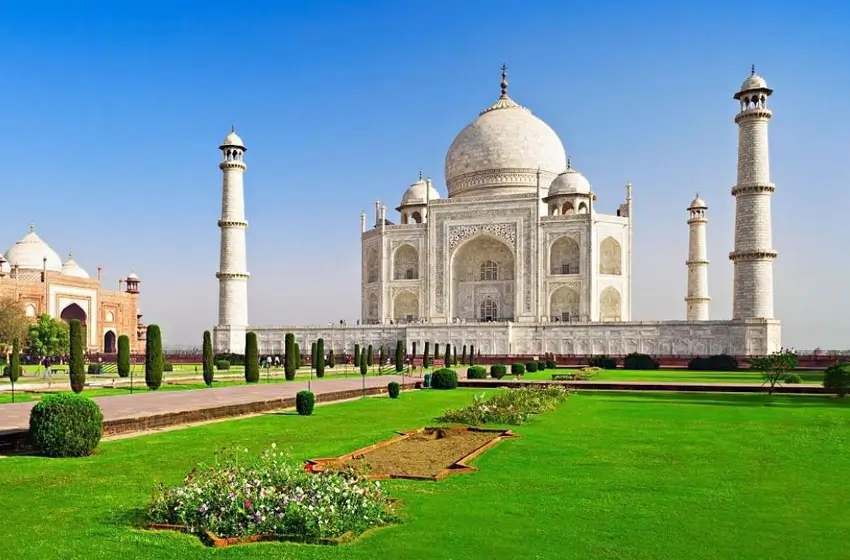
Starting with the Golden Triangle India route is the most logical choice. Delhi introduces you to India, Agra gives you the Taj Mahal, and Jaipur adds royal heritage. These three cities are well-connected and form the backbone of most India tours for first-time visitors.
From there, you can extend your journey based on your interests. If you prefer culture and architecture, Rajasthan is the best option. If you want wildlife, Ranthambore fits well into the route. If relaxation is your priority, ending your trip in Kerala or Goa can be a good choice.
Another important aspect is rest. Long travel days can be tiring, especially for travellers dealing with jet lag. Including lighter days or evenings with minimal activity helps maintain energy levels throughout your 2-week India tour.
The goal is to create a flow — not just a list of destinations. A well-paced itinerary ensures that your journey feels smooth, enjoyable, and memorable rather than exhausting.
A 2-week India itinerary for first-time visitors should balance sightseeing, travel time, and relaxation. Below is a realistic structure that works well for most travellers.
Start your journey in Delhi. Spend your first two days exploring both Old and New Delhi. This helps you adjust to the environment while visiting key attractions like India Gate, Qutub Minar, and local markets. Delhi also gives you your first real experience of India’s energy and diversity.
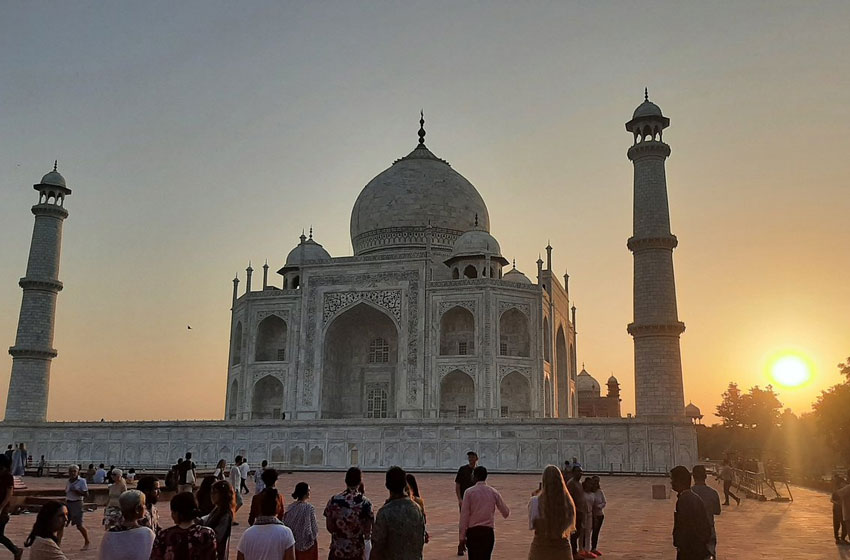
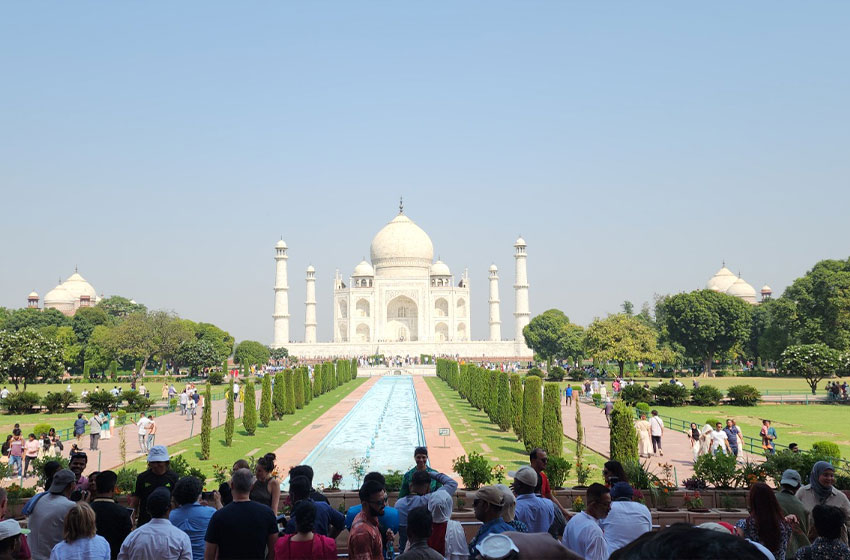
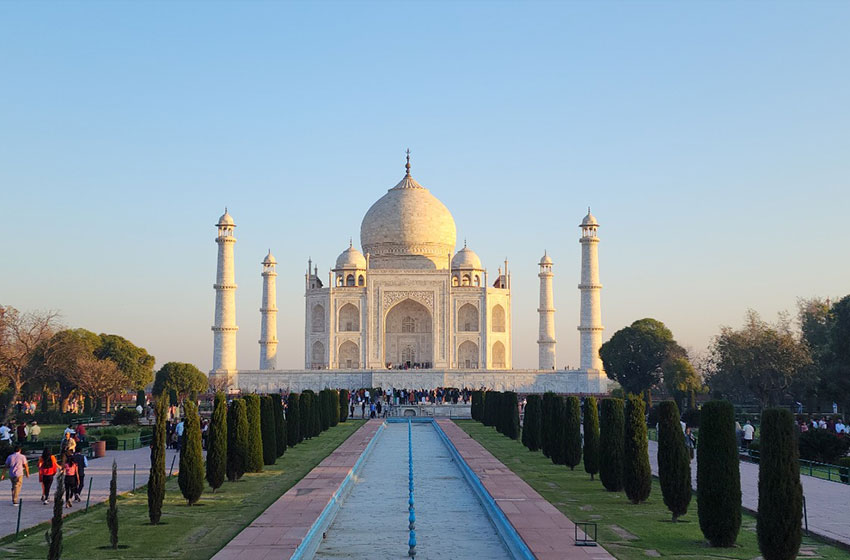
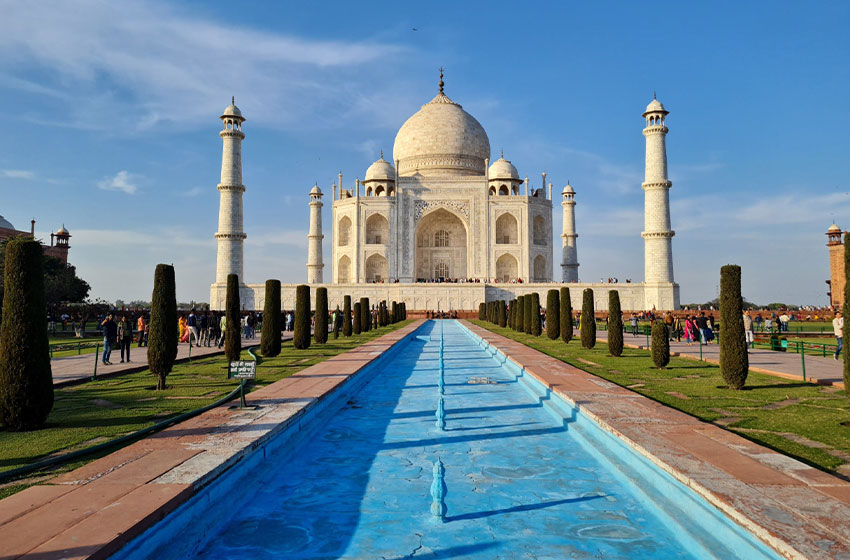
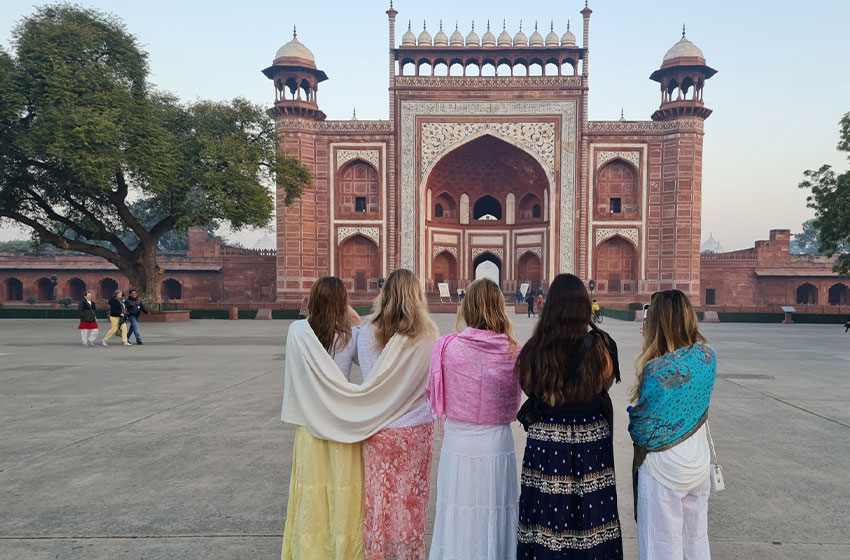
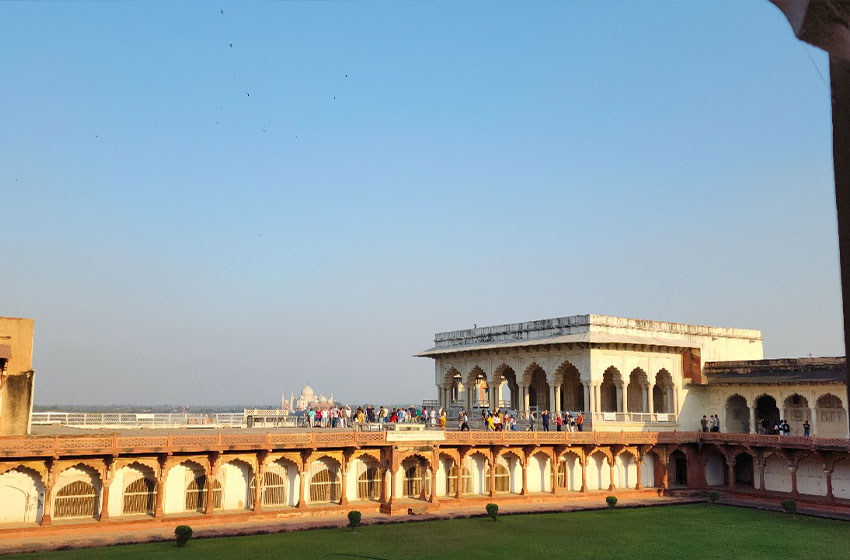
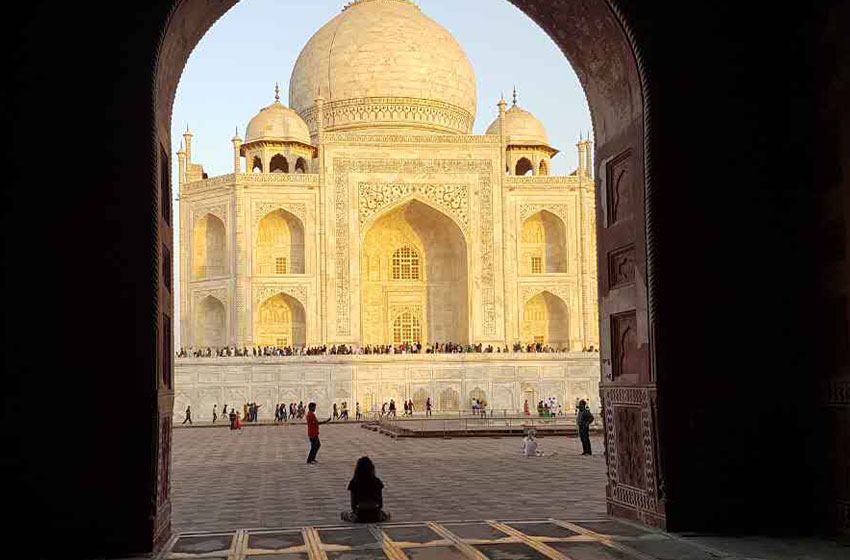
From Delhi, travel to Agra. This journey takes around 3 to 4 hours by road. Stay overnight in Agra so you can visit the Taj Mahal India at sunrise. This is one of the most important moments of your trip, and rushing it in a same-day visit reduces the experience significantly.
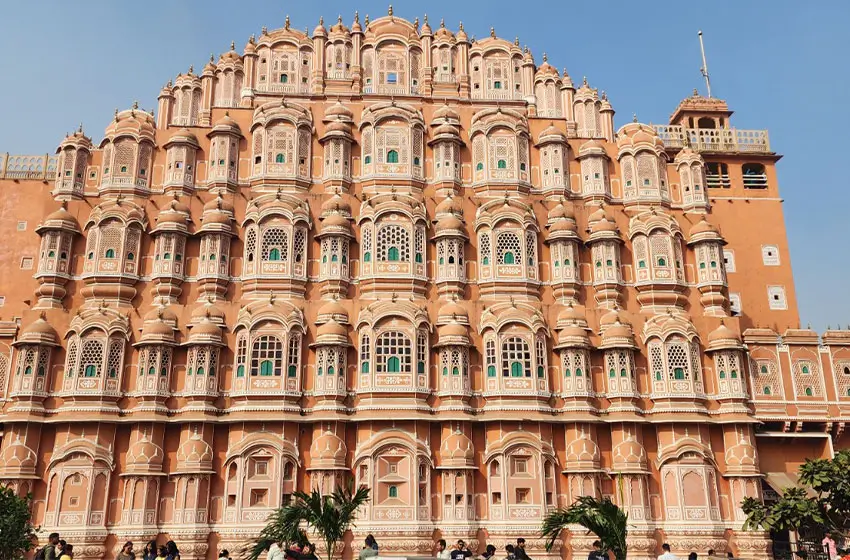
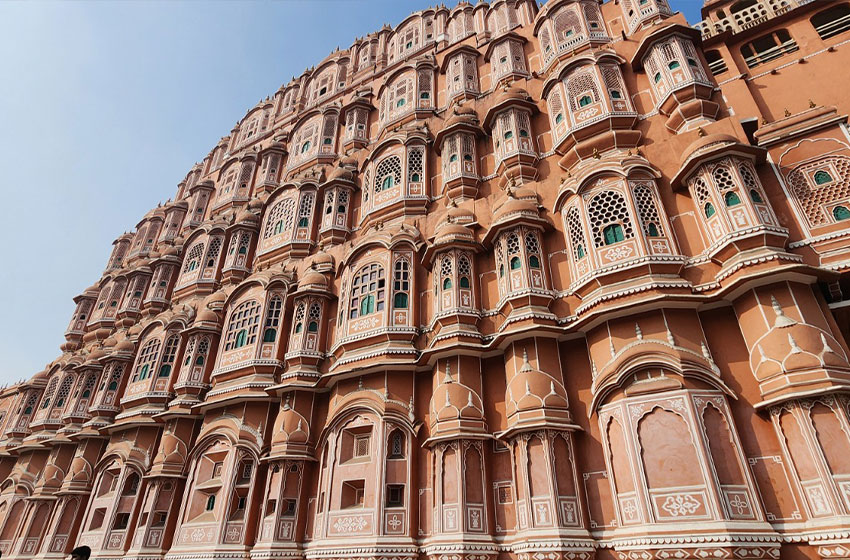
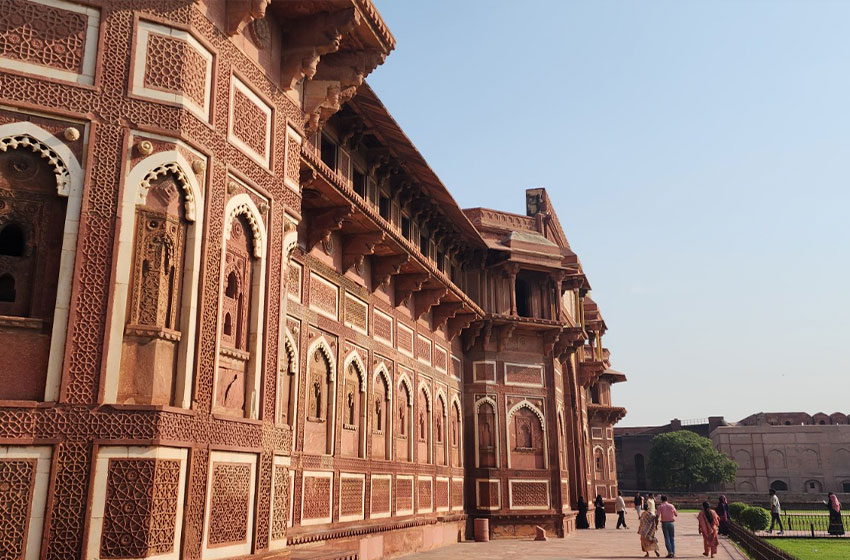
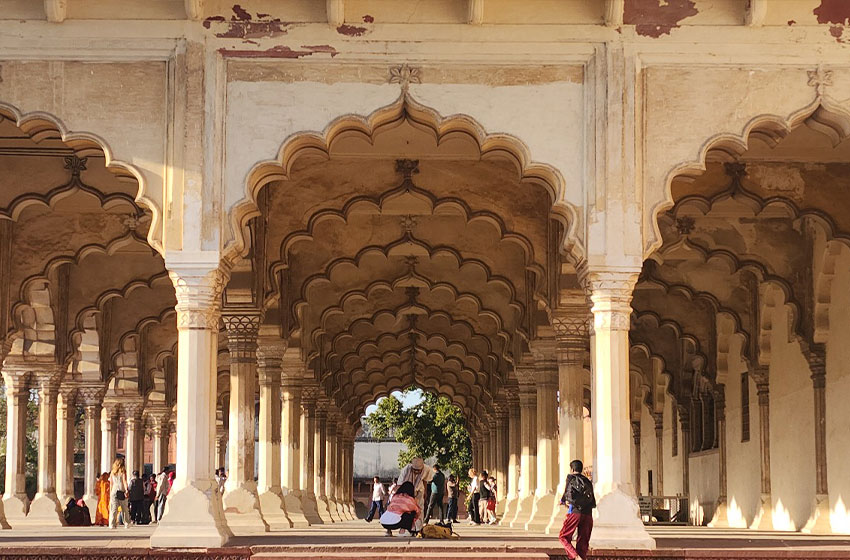
After Agra, continue to Jaipur. The drive takes around 5 hours, but you can include a stop at Fatehpur Sikri along the way. Spend two to three days in Jaipur exploring Amber Fort, City Palace, and local markets.
From Jaipur, you can extend your trip to Ranthambore for a wildlife safari. This adds a completely different experience to your India travel itinerary.
Next, head to Udaipur, known for its lakes and relaxed atmosphere. This is where the pace of your trip slows down, giving you time to enjoy the surroundings.
Finally, return to Delhi for departure or include a short extension depending on your interests.
This structure ensures that your 2-week India tour is balanced, covering major highlights without feeling rushed.
Understanding the 2-week India tour cost is essential for planning your trip effectively. India offers a wide range of options, from budget travel to ultra-luxury experiences, which means your total cost can vary significantly.
Flights to India are usually the biggest expense. Depending on your departure country, return flights can range from $700 to $1500. Booking in advance often helps secure better prices.
Accommodation is the next major factor. A mid-range hotel in India typically costs between $50 to $150 per night, while luxury hotels can go much higher. For a 14-day trip, this becomes a significant part of your budget.
Transport within India is relatively affordable. A private car and driver India cost usually ranges from $50 to $100 per day, depending on the route and vehicle type. Domestic flights can cost between $50 to $150 per segment.
Food and daily expenses are generally low. You can expect to spend $15 to $40 per day depending on your preferences.
Entry fees for monuments like the Taj Mahal are higher for foreign tourists but still reasonable compared to global standards.
Overall, a 2-week India travel cost for foreigners typically ranges between $2000 to $5000 per person depending on your travel style.
What may seem like a higher daily expense often replaces multiple smaller costs and saves valuable time.
Chat On WhatsApp Contact UsPlanning a 2-week India tour is not just about choosing destinations. Several key decisions can significantly impact your experience.
One of the most important is choosing the right travel style. A private India tour with driver offers the most comfort and flexibility, especially for first-time visitors. It removes the stress of navigating transport and allows you to focus on the experience.
Another decision is timing. Visiting India during extreme weather can make travel uncomfortable. Choosing the right season ensures a smoother journey.
Accommodation selection also matters. Staying in well-located hotels saves time and improves overall comfort.
Health and safety are equally important. Drinking bottled water, eating at clean restaurants, and staying aware of your surroundings ensures a safe trip.
These decisions may seem small, but they play a major role in shaping your India travel experience.
Yes, a 2-week India tour is considered ideal for first-time visitors. It allows you to explore key destinations like Delhi, Agra, Jaipur, and one or two additional places without feeling rushed. The key is to avoid overloading your itinerary and focus on a balanced experience.
The best India itinerary for 14 days usually includes the Golden Triangle (Delhi, Agra, Jaipur) combined with Rajasthan, wildlife, or a relaxing destination. This provides a mix of culture, history, and relaxation.
A 2-week India travel cost typically ranges from $2000 to $5000 per person depending on accommodation, transport, and travel style. Luxury tours will cost more.
Yes, India is generally safe for travellers. Using reliable transport, staying in good hotels, and following basic precautions ensures a smooth journey.
Yes, booking hotels, transport, and key attractions in advance helps avoid last-minute issues and ensures a smoother experience.
For most travellers, a private India tour is better because it offers flexibility, comfort, and a personalised experience.
The best time depends on the region, but cooler months are generally preferred for a comfortable trip.
It is possible but not recommended. Focusing on one region ensures a better experience.
Light clothing, comfortable shoes, and travel essentials are recommended.
Because India is large and diverse, proper planning ensures a smooth, comfortable, and enjoyable journey.