Taj Mahal Entry Fee for Foreigners (Complete Guide)
13 May 2025
Diwali is one of the most spectacular festivals celebrated across India. Streets glow with thousands of lamps, homes are decorated with colourful lights, temples become gathering places for evening prayers, and fireworks illuminate the night sky. For international travellers, the festival offers an opportunity to witness Indian traditions at their most vibrant while visiting some of the country's most famous destinations.
Unlike a standard holiday, a Diwali India tour combines cultural celebrations with sightseeing, local cuisine, historic monuments, and comfortable road journeys between cities. Travelling during the festival also requires careful preparation because hotels fill quickly, popular attractions become crowded, and transportation demand increases significantly.
A private car with driver in India provides flexibility throughout the journey. Travellers can leave according to their own schedule, stop at interesting locations, avoid unnecessary waiting, and enjoy long-distance travel without worrying about unfamiliar roads or language barriers. Whether travelling as a couple, family, or small group, a private vehicle makes it easier to experience multiple destinations during the festive season.
Different cities celebrate Diwali festival in India in different ways. Some are famous for grand temple ceremonies, while others attract visitors because of royal palaces, decorated markets, cultural performances, or riverside celebrations. Choosing the right destinations depends on travel duration, personal interests, and budget.
This guide explains the best places to experience Diwali celebrations in India, expected travel expenses, accommodation categories, private transportation options, and practical travel advice for an enjoyable festival holiday.
Celebrate the Magic of Diwali with an Unforgettable India Tour
Experience India's most spectacular festival with a tailor-made Diwali holiday. Witness beautifully illuminated cities, traditional lamp-lighting ceremonies, vibrant local markets, cultural performances, festive cuisine, and magnificent heritage sites while enjoying private transportation, handpicked accommodations, and a personalized travel experience.
Every region celebrates Diwali with its own customs, decorations, food, and religious traditions. Selecting the right destinations can completely change the overall travel experience. Some cities focus on spiritual ceremonies, while others are known for royal celebrations, illuminated monuments, colourful markets, and impressive cultural performances.
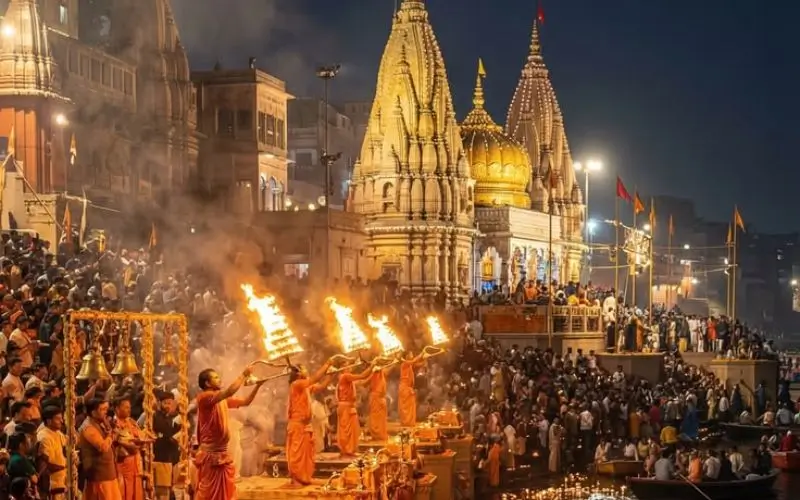
Among all destinations, Varanasi Diwali creates one of the most memorable experiences for international visitors. The ancient city becomes illuminated with thousands of oil lamps placed along the ghats beside the River Ganges. Evening prayers, devotional music, temple ceremonies, and beautifully decorated riverbanks create an atmosphere unlike anywhere else in the country.
Many travellers combine a sunrise boat ride on the Ganges, visits to Kashi Vishwanath Temple, local walking tours through the old city, and the evening Ganga Aarti before experiencing Diwali celebrations. Narrow streets remain active throughout the day with flower markets, sweet shops, traditional clothing stores, and families preparing for the festival.
Luxury hotels overlooking the river generally charge between 12,000 and 30,000 per night during the festive period, while quality boutique hotels usually range from 6,000 to 12,000. Budget accommodation is available from approximately 3,000 onwards, although availability becomes limited well before the festival.
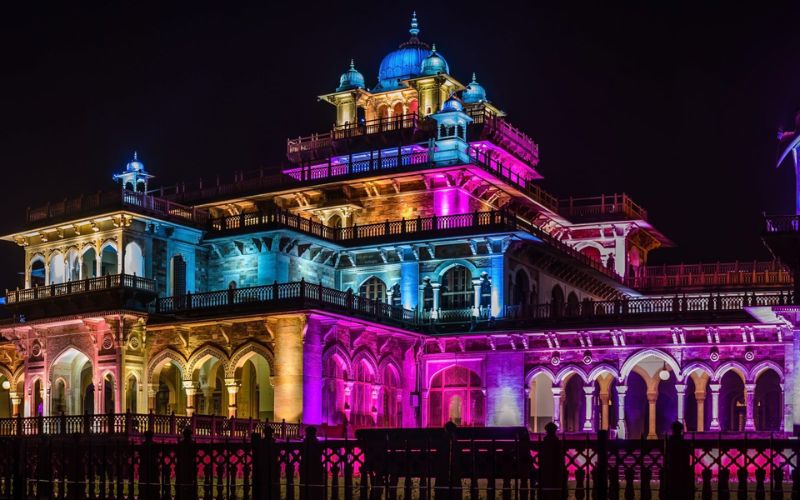
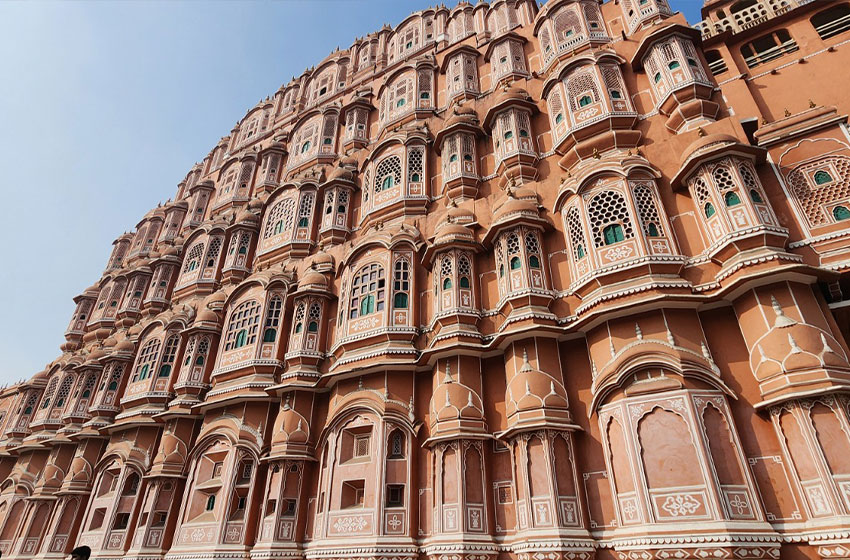
The Pink City offers one of the most elegant Diwali celebrations in India. Historic streets, colourful bazaars, royal buildings, and heritage hotels are decorated with decorative lights that transform the city after sunset.
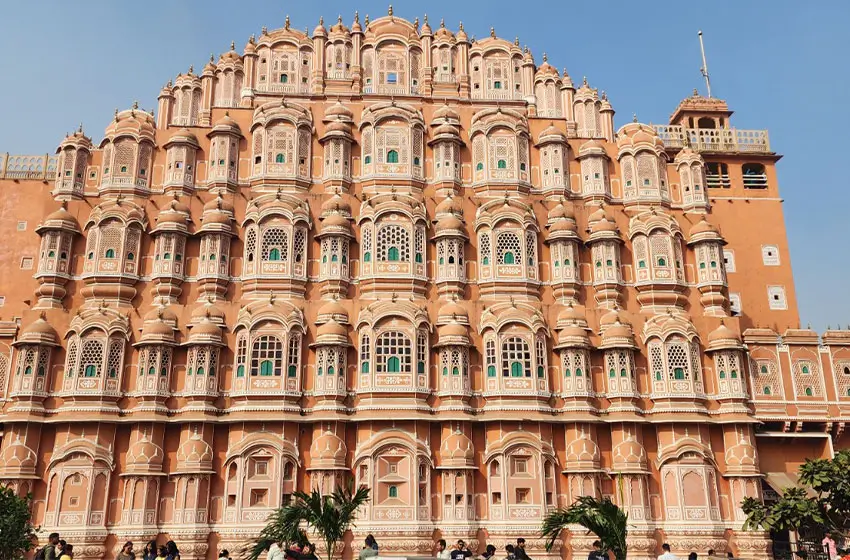
Markets such as Johari Bazaar, Bapu Bazaar, and MI Road become lively shopping destinations where visitors can purchase jewellery, handicrafts, textiles, decorative lamps, and traditional sweets. The illuminated façades of Hawa Mahal, City Palace, and Albert Hall Museum create outstanding evening photography opportunities.
Luxury palace hotels generally range between 18,000 and 45,000 per night during Diwali. Premium heritage properties may charge even more depending on room category and demand. Comfortable four-star accommodation normally costs between 8,000 and 15,000, while standard hotels begin from approximately 4,000.
Travellers often combine Jaipur with Agra and Delhi, creating one of the most popular Golden Triangle Diwali tours.
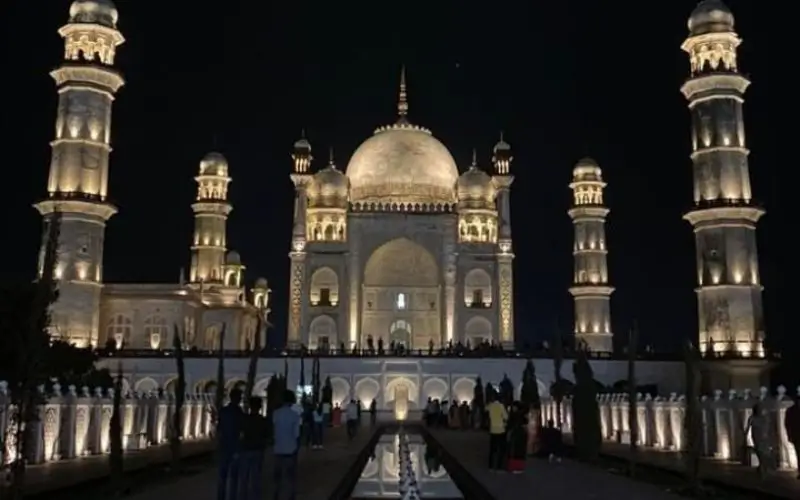
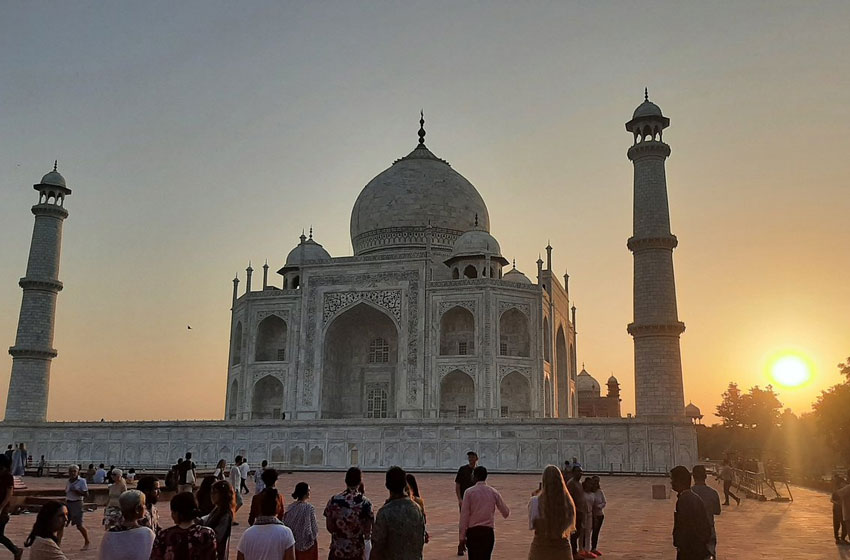
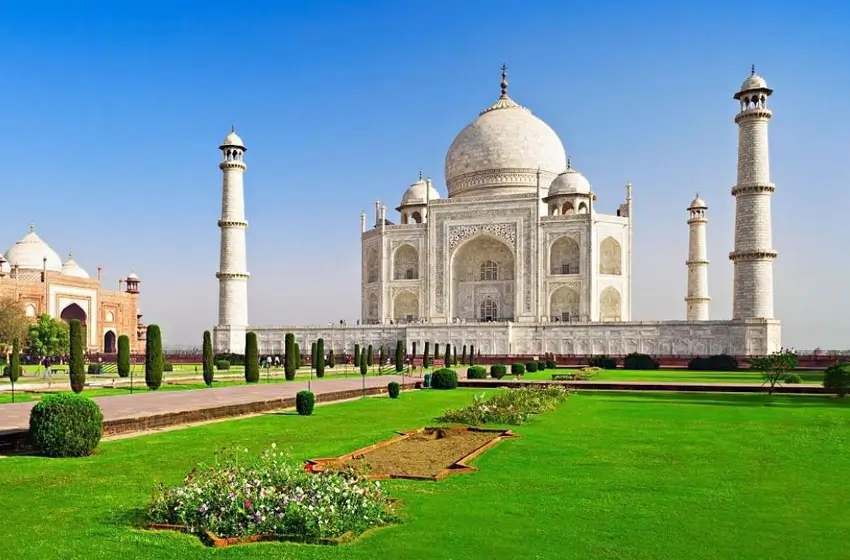
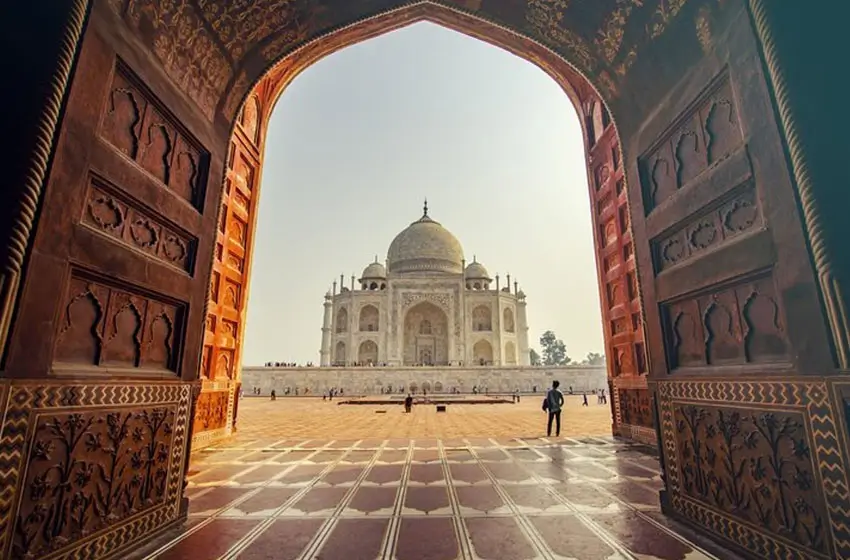
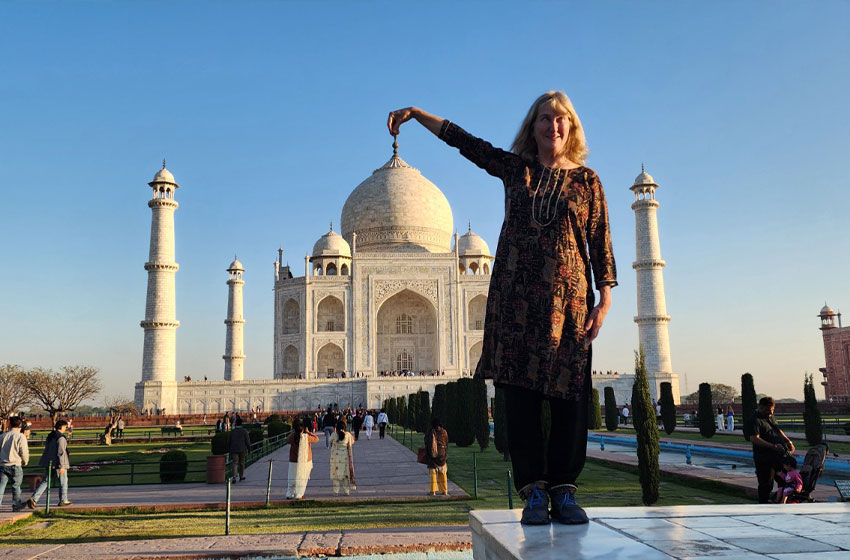
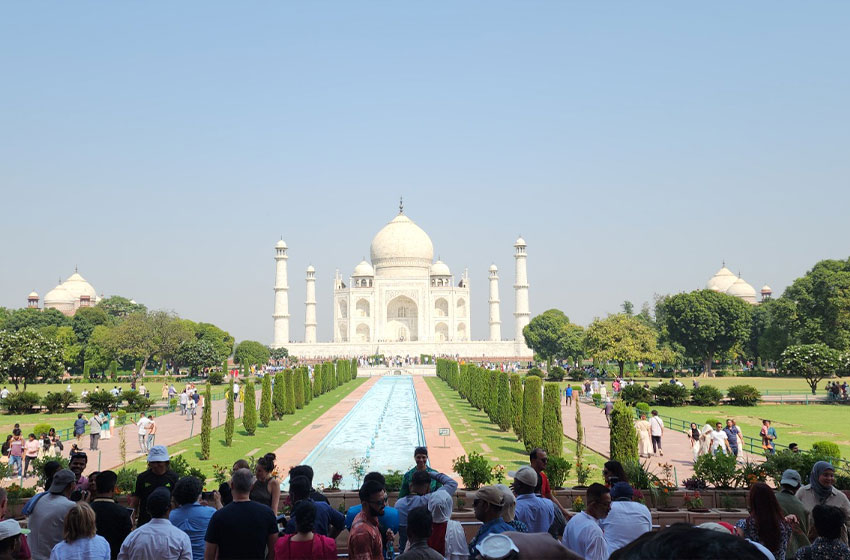
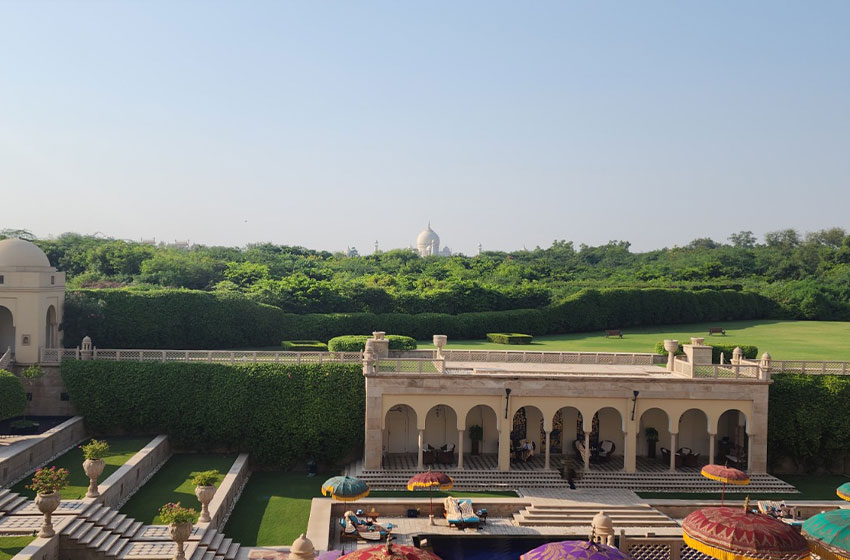
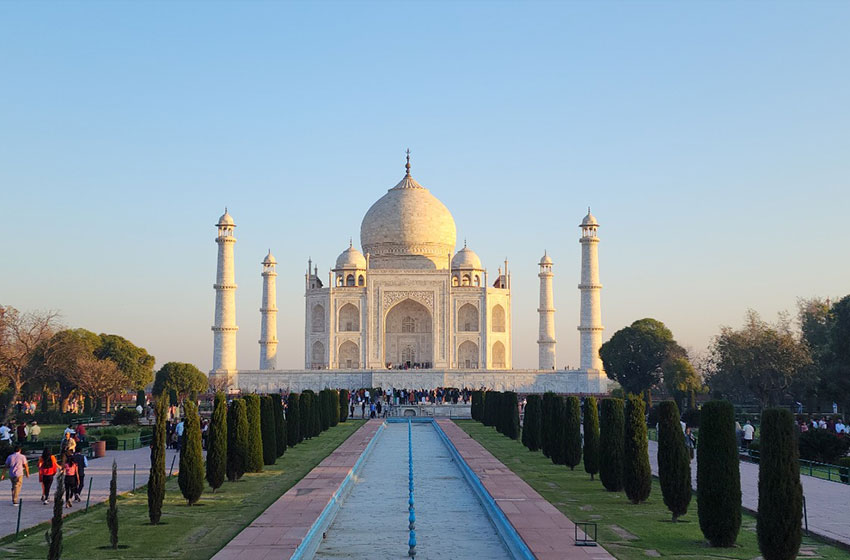
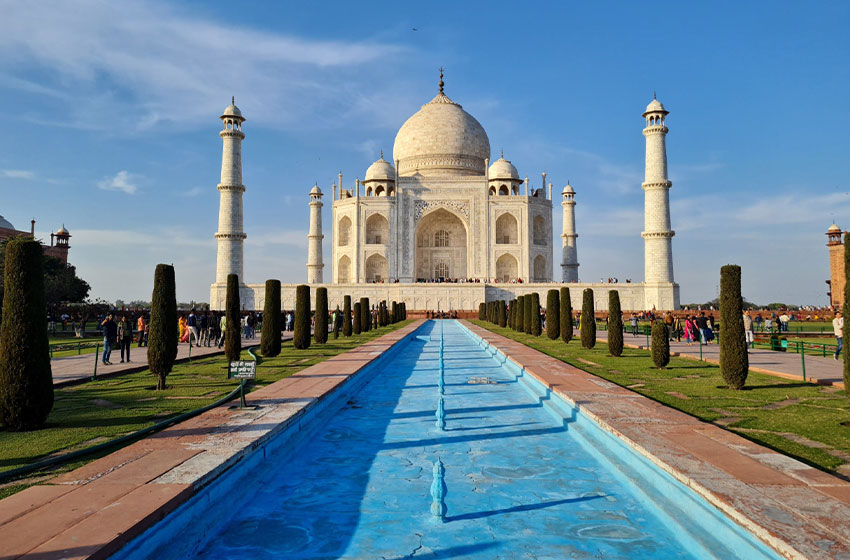
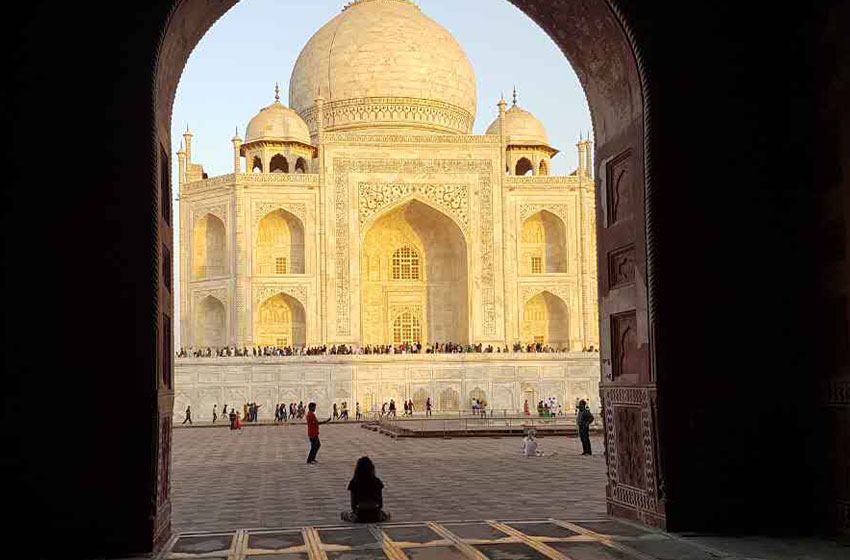
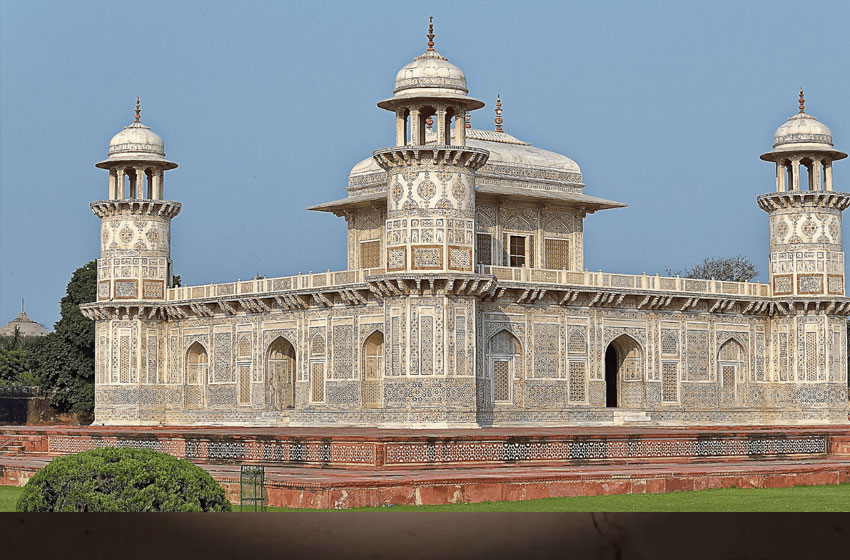
Although the Taj Mahal itself remains the primary attraction, spending Diwali in Agra offers an opportunity to experience both world-famous architecture and local festival traditions.
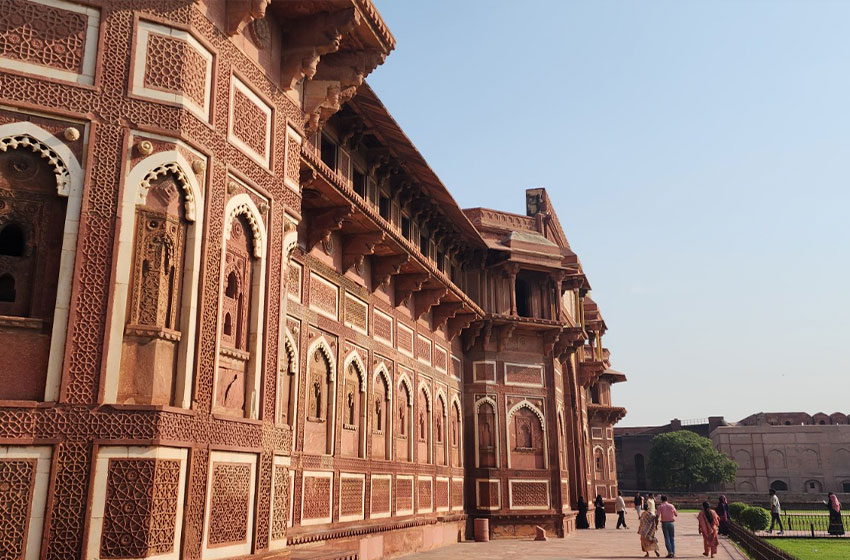
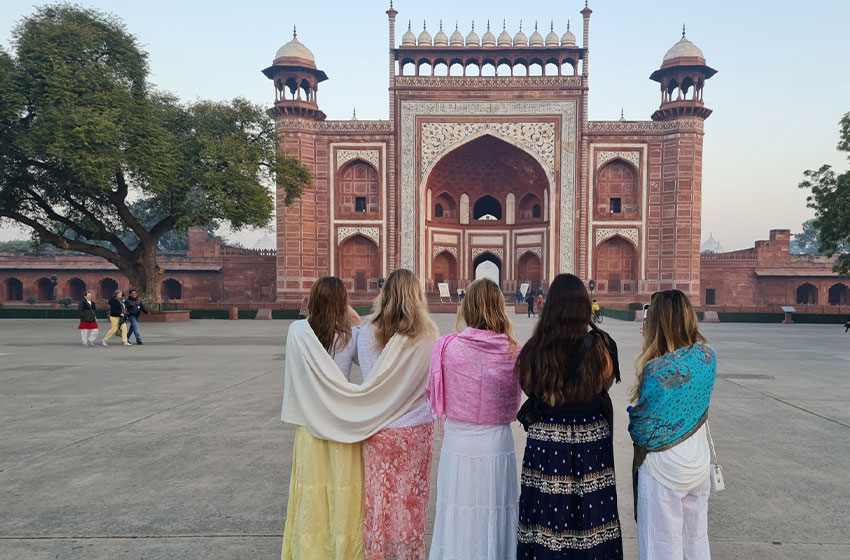
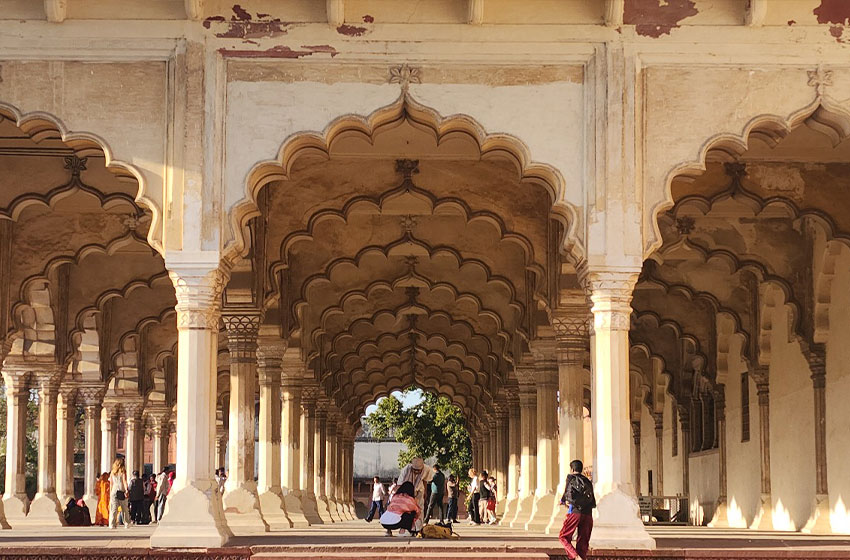
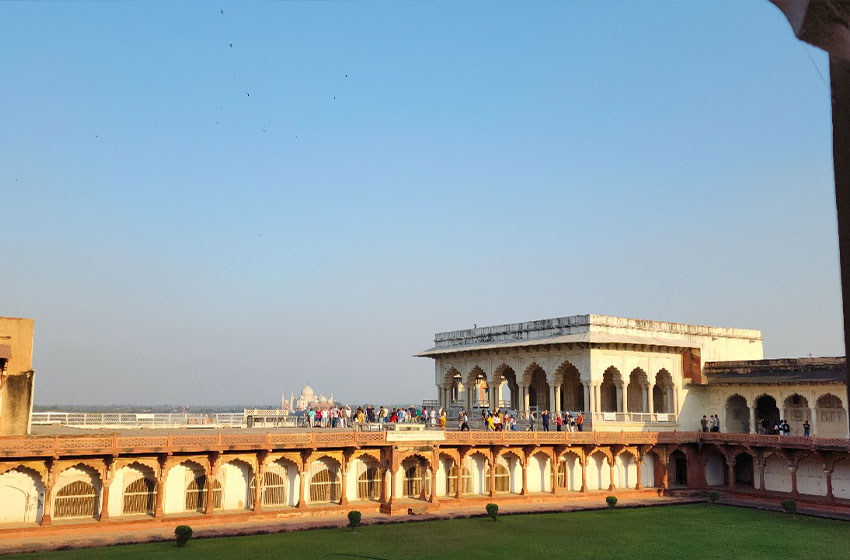
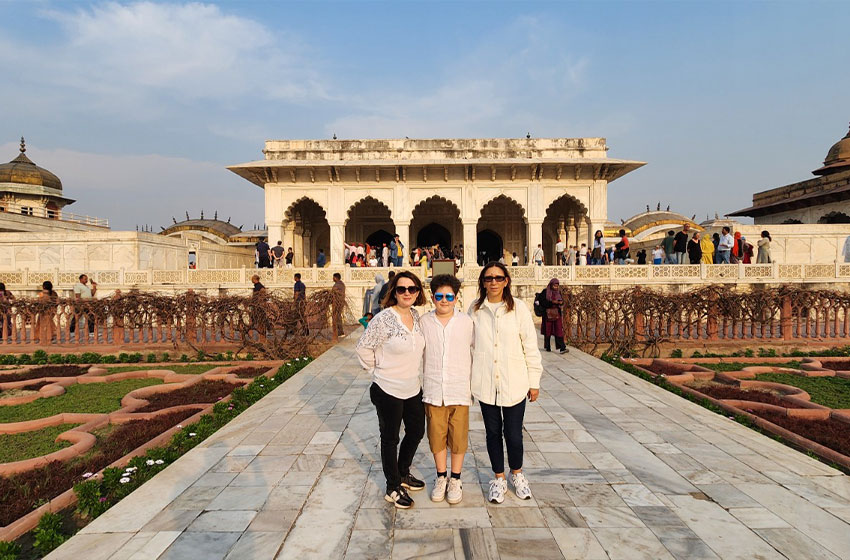
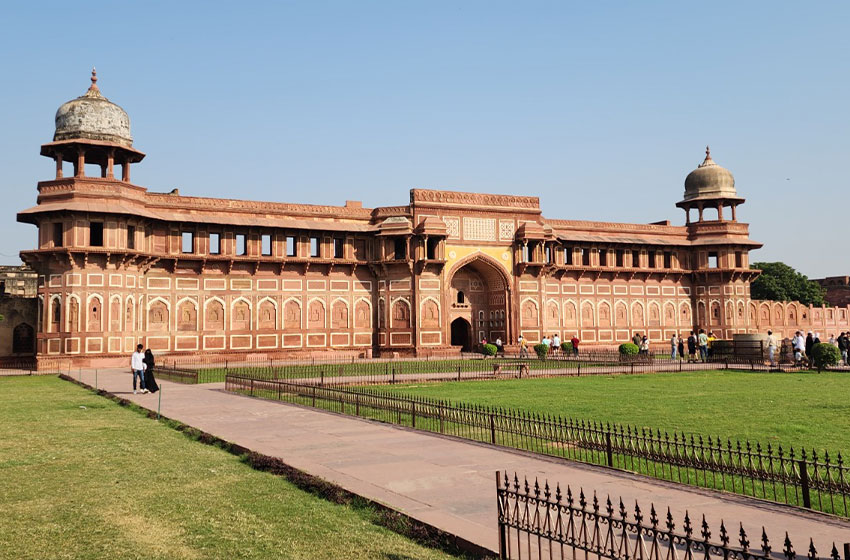
Markets become decorated with colourful lighting, families prepare traditional sweets, and many local temples organise evening prayers attended by residents. Visitors can explore the Taj Mahal at sunrise, continue to Agra Fort, visit Mehtab Bagh, and enjoy evening shopping before joining local Diwali celebrations.
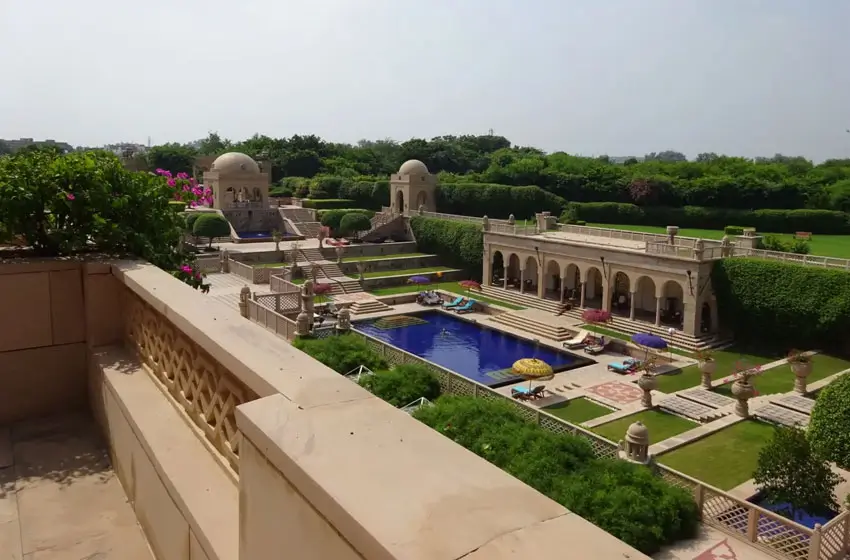
Luxury accommodation near the Taj Mahal generally ranges between 15,000 and 35,000 during the festive season. Mid-range hotels usually cost 6,000 to 12,000, while good budget hotels begin around 3,500.
A private car from Delhi to Agra allows travellers to avoid crowded trains and travel comfortably while stopping at interesting locations along the route whenever desired.
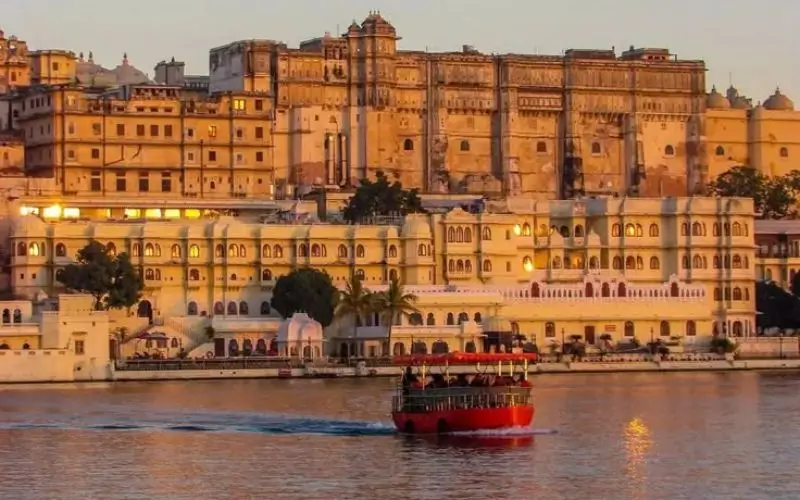
Travellers looking for a quieter atmosphere often choose Udaipur during Diwali. Unlike busier metropolitan cities, Udaipur combines elegant palace architecture with peaceful lakeside celebrations.
The illuminated City Palace, reflections across Lake Pichola, evening boat rides, and beautifully decorated heritage hotels create a relaxed festive atmosphere suitable for honeymoon couples and luxury travellers.
Luxury palace properties usually charge between 20,000 and 60,000 per night during Diwali, while quality boutique hotels generally cost 8,000 to 18,000.
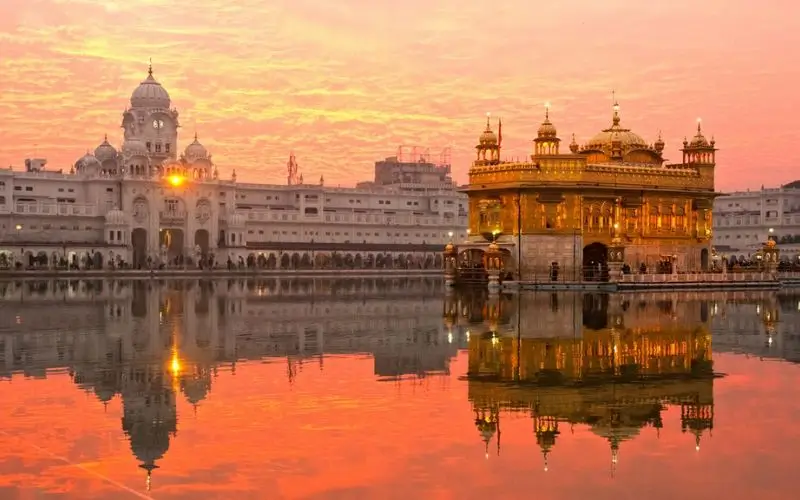
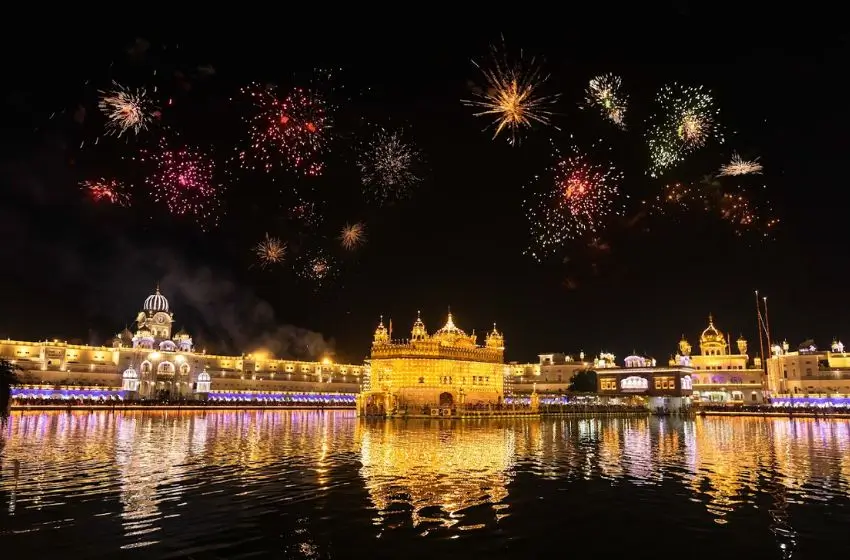
For travellers interested in religious traditions, Amritsar provides another remarkable festival experience. Around Diwali, the Golden Temple becomes beautifully illuminated with decorative lighting that reflects across the surrounding sacred pool.
Thousands of visitors gather throughout the evening while devotional music fills the temple complex. Fireworks can often be seen around the city, creating an unforgettable atmosphere without losing the peaceful character of the temple.
Many visitors combine Amritsar with Delhi before continuing towards Rajasthan or Agra using a private chauffeur service in India, allowing flexible travel between destinations without relying on multiple domestic transport connections.
Festival travel generally costs more than travelling during quieter months because hotels, flights, guides, and transportation experience significantly higher demand. Understanding the overall budget helps travellers choose the right itinerary without unexpected expenses.
For travellers seeking comfort, a private itinerary covering Delhi, Agra, Jaipur, and Varanasi generally requires a higher budget than a standard package tour but provides considerably greater flexibility.
Accommodation represents the largest portion of overall spending. Luxury travellers staying in premium hotels should expect hotel costs ranging from 18,000 to 50,000 per night depending on destination and property. Mid-range hotels generally cost between 6,000 and 15,000, while quality budget accommodation remains available from approximately 3,000 to 5,000, although early booking is strongly recommended.
Hiring a private car with driver in India depends on vehicle category, travel distance, toll charges, and itinerary. A comfortable sedan suitable for two travellers generally starts around 4,500–6,500 per day, while an SUV suitable for families usually ranges between 6,500 and 9,500. Premium vehicles such as the Toyota Innova Crysta typically cost 8,000–12,000 per day, especially during festival dates when demand is high.
Entrance tickets for monuments, local sightseeing, boat rides, cultural performances, and guided experiences should also be included when estimating the total travel budget. Visitors planning luxury dining, shopping, and premium experiences should allow additional daily spending according to their personal preferences.
A carefully organised private India tour during Diwali offers greater comfort, efficient time management, and the freedom to enjoy celebrations without rushing between crowded public transport connections.
Travelling during Diwali in India means roads leading to major tourist destinations become considerably busier than usual. Railway stations and airports also experience a sharp increase in passenger traffic because millions of people travel to celebrate the festival with their families. For overseas visitors following a fixed itinerary, relying entirely on public transport can reduce flexibility and increase waiting time. Hiring a private car with driver in India allows travellers to move comfortably between cities while keeping complete control over departure times, sightseeing stops, and meal breaks.
A sedan is an excellent option for solo travellers or couples carrying two medium-sized suitcases. Vehicles in this category usually provide comfortable seating, air conditioning, and sufficient luggage space for shorter itineraries covering Delhi, Agra, and Jaipur. Daily rental prices generally begin between 4,500 and 6,500, depending on travel distance, toll charges, parking fees, and the overall itinerary.
Families or small groups often prefer an SUV because it offers additional legroom and luggage capacity. Long road journeys become much more comfortable when passengers have extra space, especially if travelling between destinations such as Delhi to Varanasi, Jaipur to Udaipur, or Agra to Ranthambore. Expect prices to range between 6,500 and 9,500 per day for a well-maintained SUV with an experienced chauffeur.
The Toyota Innova Crysta remains one of the most popular choices among international visitors. Comfortable seating, generous luggage space, excellent suspension, and reliable performance on long-distance highways make it suitable for families and premium travellers. During the Diwali period, hiring an Innova Crysta with driver generally costs between 8,000 and 12,000 per day depending on the route and duration.
Larger groups travelling together can select a Tempo Traveller, which is available in multiple seating configurations. This option keeps everyone together throughout the journey and often proves more economical than booking multiple smaller vehicles. Rates usually start from 12,000 per day, increasing according to seating capacity and itinerary.
When comparing transport options, travellers should also ask whether toll taxes, interstate permits, parking charges, and the driver's accommodation are already included in the quotation. A transparent quotation helps avoid misunderstandings later in the journey. Reputable operators normally provide a clean vehicle, a professional English-speaking chauffeur where available, bottled drinking water, and a flexible itinerary suited to individual travel preferences.
Discover the Colors, Lights & Traditions of Diwali in India
Experience the warmth of India's Festival of Lights with a thoughtfully planned private tour. Stroll through beautifully decorated streets, admire glowing temples, enjoy traditional celebrations, taste festive delicacies, and explore iconic attractions with a private driver and a customized itinerary designed around your interests.
Travelling during the festival is highly rewarding, but careful preparation makes the experience significantly more enjoyable. Demand for hotels, guides, vehicles, and domestic flights rises quickly, particularly in destinations such as Agra, Jaipur, Varanasi, and Udaipur. Confirming accommodation and transportation several months in advance provides better availability and a wider choice of premium properties.
Many monuments remain open throughout the festive period, although some local markets, family-owned shops, and smaller businesses may adjust their opening hours because of religious celebrations. Travellers should always verify attraction timings with their guide before leaving the hotel.
The Taj Mahal remains closed every Friday regardless of the festival period. Visitors should therefore organise their itinerary carefully to avoid disappointment. Major attractions such as Agra Fort, Amber Fort, City Palace Jaipur, and Mehtab Bagh usually operate according to their standard schedules, although security checks may take longer because of increased visitor numbers.
Evening celebrations often continue until late at night. Comfortable walking shoes are recommended because many heritage areas become pedestrian-only during major festivities. Carrying a light jacket is useful for northern destinations where temperatures become cooler after sunset.
Photography enthusiasts should carry additional camera batteries and memory cards because illuminated palaces, decorated temples, colourful markets, and fireworks provide outstanding opportunities for night photography. A small tripod may be useful where photography regulations permit.
Foreign travellers should carry sufficient cash for small purchases in local markets because some traditional vendors may not accept international payment cards. Larger hotels, restaurants, and shopping centres generally accept major credit and debit cards.
Travellers sensitive to loud sounds should remember that fireworks remain an important part of Diwali celebrations in many cities. Noise levels may continue into the evening, particularly in residential neighbourhoods. Hotels located slightly away from crowded market areas often provide a quieter overnight stay while still allowing convenient access to major attractions.
Food lovers visiting during the festival can enjoy traditional Indian sweets such as Kaju Katli, Motichoor Laddu, Soan Papdi, and Gulab Jamun, along with festive dinners served by luxury hotels and heritage restaurants. Many premium properties organise special cultural evenings featuring folk music, classical dance performances, and festive buffets for their guests.
Selecting a balanced itinerary is equally important. Rather than attempting to visit too many destinations within a short period, spending two or three nights in each city allows visitors to experience both sightseeing and local celebrations without unnecessary travel fatigue.
A well-balanced Diwali tour in India is not simply about visiting famous monuments. The festival is an opportunity to experience traditions that have been passed down through generations. Every city offers a different atmosphere, allowing visitors to enjoy a combination of history, architecture, cuisine, shopping, and local celebrations throughout their journey.
Many international travellers begin their holiday in Delhi, where historical landmarks such as India Gate, Qutub Minar, Humayun's Tomb, and Lotus Temple provide an excellent introduction to India's cultural heritage. During the festive season, major shopping districts including Connaught Place, Khan Market, and Dilli Haat are beautifully decorated with lights and seasonal displays. Luxury hotels also organise Diwali dinners, cultural performances, and traditional decoration ceremonies for guests.
Continuing towards Agra allows visitors to witness one of the world's most recognised monuments before experiencing the city's festive atmosphere. Early morning remains the ideal time to visit the Taj Mahal, offering pleasant weather and softer natural light for photography. After exploring Agra Fort and Mehtab Bagh, travellers can spend the evening visiting local markets that become especially lively during Diwali.
The journey to Jaipur introduces another side of India's heritage. Heritage buildings, royal palaces, and colourful bazaars create an elegant backdrop for festival celebrations. Walking through Johari Bazaar after sunset reveals streets illuminated with decorative lighting, traditional handicrafts, jewellery, textiles, and festive sweets displayed in beautifully decorated shops.
Travellers extending their itinerary often continue towards Udaipur, where palace hotels overlooking the lakes provide a more relaxed environment. Evening boat cruises on Lake Pichola, heritage dinners, and illuminated palaces offer a luxurious contrast to the busy streets of larger cities.
Those seeking spiritual experiences frequently include Varanasi before returning home. Watching thousands of oil lamps glowing beside the River Ganges creates one of the most memorable moments of the entire journey. Combined with the famous Ganga Aarti, sunrise boat rides, and visits to ancient temples, the city provides a completely different perspective on India's cultural traditions.
A thoughtfully organised private India tour allows sufficient time in every destination instead of rushing through multiple cities. Travellers can stop at villages, roadside restaurants, handicraft centres, or photography locations whenever they wish, making every road journey part of the overall experience rather than simply travelling from one destination to another.
Yes. Diwali is considered one of the best cultural festivals for international visitors because cities become beautifully decorated with lights, traditional ceremonies, festive markets, and cultural events. Early bookings are recommended because hotels and transport sell out quickly.
Varanasi, Jaipur, Amritsar, Delhi, Agra, and Udaipur each provide unique experiences. The ideal destination depends on whether travellers prefer spiritual ceremonies, royal heritage, shopping, architecture, or peaceful surroundings.
A comfortable private tour generally depends on hotel category, vehicle type, itinerary length, and sightseeing preferences. Mid-range holidays usually require a higher overall budget during the festival because accommodation and transport demand increase significantly.
For travellers visiting multiple cities, a private car with driver in India offers greater flexibility, convenient hotel pick-up, customised sightseeing, and comfortable long-distance travel without carrying luggage through busy railway stations.
An itinerary of 8 to 12 days allows visitors to experience major destinations such as Delhi, Agra, Jaipur, and Varanasi without rushing between cities.
Most major attractions remain open according to their normal schedules, although some local markets and smaller businesses may adjust their operating hours during festival celebrations. Visitors should always verify timings before travelling.
Families generally prefer the Toyota Innova Crysta or a spacious SUV because of their comfortable seating, generous luggage capacity, and suitability for long-distance road journeys.
Yes. Tourist destinations remain busy throughout the festival. Visitors should take normal travel precautions, avoid overcrowded areas late at night, and follow guidance provided by local authorities and professional tour operators.
Comfortable walking shoes, lightweight clothing for daytime sightseeing, a light jacket for cooler evenings in northern India, personal medications, universal power adapters, sunscreen, and a camera are recommended.
Yes. Most private India tours can be customised according to travel duration, hotel preferences, sightseeing interests, vehicle category, and arrival or departure cities, allowing travellers to create an itinerary that matches their individual requirements without following a fixed group schedule.