Taj Mahal Entry Fee for Foreigners (Complete Guide)
13 May 2025
One of the biggest differences between traveling in India today and traveling twenty years ago is the level of flexibility available to international visitors. In the past, many travelers relied heavily on fixed group departures, rigid schedules, and pre-designed routes that offered limited opportunities for personalization. While those options still exist, a growing number of foreign tourists now prefer customized itineraries that reflect their own interests, travel style, pace, and priorities.
As a result, one of the most frequently asked questions travel specialists receive is simple:
"Can I customize my India tour route?"
The answer is almost always yes.
In fact, most experienced India travel planners would argue that customization is often the best way to experience the country. India is simply too large and too diverse for a single route to suit every traveler. Some visitors are interested in royal palaces and luxury hotels. Others are passionate about photography, wildlife, spirituality, food, architecture, or cultural experiences. Some travelers want to move quickly between destinations, while others prefer spending several nights in fewer locations.
A route that works perfectly for a honeymoon couple may not suit a family with young children. A photography enthusiast may prioritize completely different destinations than a traveler interested in wellness retreats or luxury train journeys.
The beauty of a customized India tour is that the itinerary can be built around the traveler rather than forcing the traveler to adapt to a pre-existing schedule.
Before discussing how customization works, it is important to understand that designing an effective route involves more than simply choosing destinations on a map. The most successful itineraries balance travel time, sightseeing opportunities, comfort, logistics, and personal interests in a way that creates a rewarding overall experience.
Many first-time visitors begin their research by searching for phrases such as "Best India Tour" or "Perfect India Itinerary." While these searches are understandable, they often create the impression that there is one ideal route suitable for everyone.
The reality is very different.
India offers an extraordinary range of destinations spread across a vast geographical area. A traveler interested in Himalayan landscapes will naturally focus on completely different regions than someone planning a luxury Rajasthan holiday. A visitor seeking tiger safaris will have different priorities than a traveler interested in temples, beaches, or culinary experiences.
Even among travelers visiting the same destinations, preferences vary significantly.
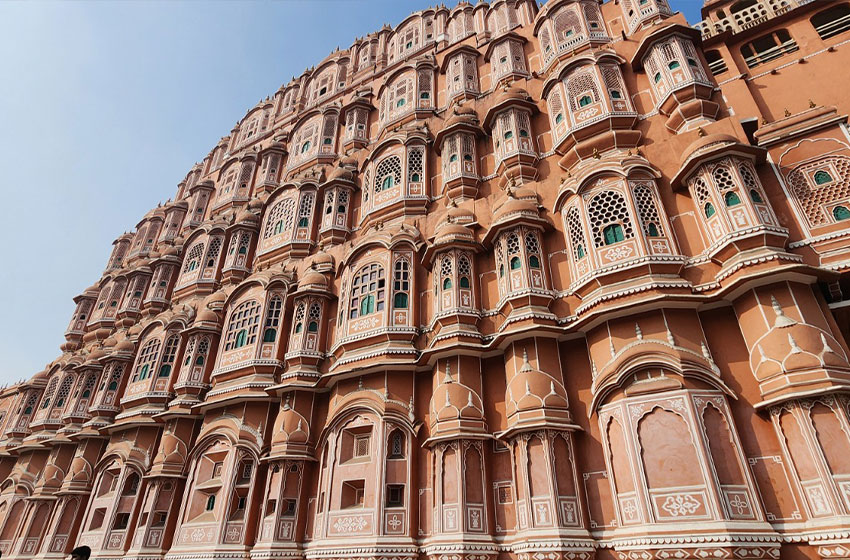
Consider Jaipur as an example. One visitor may spend two days focusing on forts, palaces, and historical architecture. Another may prioritize photography, artisan workshops, and local markets. A third traveler may prefer luxury hotels, spa experiences, and cultural performances.
All three visitors are experiencing Jaipur, yet their itineraries look entirely different.
This principle applies across India.
The goal is not finding a universally perfect route. The goal is creating the route that feels perfect for a particular traveler.
That is where customization becomes valuable.
Some travelers hear the phrase "customized tour" and assume it simply means choosing different hotels. In reality, customization extends much further.
A customized route allows travelers to influence almost every aspect of the journey.
Destinations can be selected according to interests. Travel pace can be adjusted. Accommodation styles can vary from luxury palaces and heritage hotels to boutique properties and wildlife lodges. Sightseeing activities can be modified. Routes can include lesser-known locations rather than only famous tourist attractions.
For example, one traveler may want a classic Golden Triangle Tour covering Delhi, Agra, and Jaipur. Another may want to extend that route by adding Udaipur, Jodhpur, and Jawai. Someone else may wish to skip cities entirely and focus on wildlife experiences.
Customization also applies to transportation.
Some travelers prefer domestic flights whenever possible. Others enjoy long road journeys with private chauffeurs because they want to see the countryside. Some combine both approaches.
A customized itinerary allows these decisions to reflect personal preferences rather than predefined assumptions.
The result is often a journey that feels more meaningful and enjoyable because it aligns closely with the traveler's interests.
One pattern appears repeatedly among first-time visitors to India.
Many attempt to see too much.
The logic is understandable. Travelers may be visiting India only once and naturally want to experience as much as possible. They begin adding destinations to the itinerary one after another until the route becomes extremely ambitious.
The problem is that travel days consume time.
A route containing ten destinations in fourteen days may appear exciting on paper, but it often results in constant packing, unpacking, transfers, and movement.
Instead of enjoying destinations, travelers spend much of their holiday traveling between them.
Experienced India travel specialists often encourage visitors to focus on quality rather than quantity.
Spending three meaningful nights in Udaipur may create more lasting memories than spending one rushed night in three different cities.
Customization allows travelers to create a pace that feels comfortable.
The best itineraries are not necessarily the ones covering the greatest number of destinations. They are the ones providing the most enjoyable experience.
Every traveler approaches India differently.
Some visitors are highly energetic and enjoy busy sightseeing schedules from morning until evening. Others prefer a more relaxed pace with time for spontaneous exploration and leisure.
Understanding personal travel style is one of the most important factors in route design.
Luxury travelers often prioritize comfort and quality over destination count. They may choose fewer cities while staying in exceptional hotels.
Photography enthusiasts frequently schedule additional time in locations that offer sunrise, sunset, wildlife, or architectural opportunities.
Families generally benefit from more flexible schedules and fewer hotel changes.
Senior travelers often appreciate routes that minimize long travel days and allow extra time for rest.
Honeymoon couples may prioritize romantic destinations, luxury accommodations, and private experiences.
The route should reflect these preferences.
An itinerary that ignores travel style often feels exhausting, regardless of how impressive the destinations appear.
Customization allows travelers to create a journey that feels natural rather than forced.
The Golden Triangle Tour remains India's most famous travel route for good reason. Delhi, Agra, and Jaipur provide an excellent introduction to the country.
However, many travelers choose to customize this route rather than ending the journey after Jaipur.
One popular extension includes Udaipur. After experiencing Jaipur's forts and palaces, travelers continue south to Rajasthan's lake city, where the atmosphere becomes more relaxed and romantic.
Others add Ranthambore National Park for tiger safaris. Wildlife enthusiasts often consider this addition one of the highlights of the trip.
Some visitors include Jodhpur, known for its dramatic Mehrangarh Fort and blue-painted old city. Others add Jawai for leopard safaris and luxury wilderness experiences.
The beauty of customization is that travelers can choose extensions based on their interests rather than following a predetermined path.
The result is a route that feels personal rather than generic.
One of the greatest advantages of customized travel is the freedom to explore destinations beyond the standard tourist circuit.
India contains countless fascinating locations that receive far fewer visitors than Delhi, Agra, Jaipur, or Goa.
Some travelers seek authentic village experiences. Others want heritage properties in rural Rajasthan, remote wildlife lodges, spiritual retreats, or culturally significant towns that rarely appear in mainstream itineraries.
These destinations often become trip highlights precisely because they feel different from heavily visited tourist areas.
However, incorporating lesser-known locations requires careful planning. Transportation, accommodation availability, and travel times must all be considered.
Experienced travel planners can help determine which locations integrate naturally into the broader itinerary.
Customization allows travelers to balance iconic attractions with unique experiences that feel more personal and distinctive.
One reason customized travel has become increasingly popular is the availability of professional chauffeur-driven transportation.
Private drivers provide flexibility that is difficult to achieve through public transportation or fixed group tours.
Routes can be adjusted. Additional stops can be added. Travel days can be modified. Scenic detours become possible.
Many travelers discover interesting locations during the journey itself and decide to spend additional time exploring them.
A private vehicle allows these opportunities to be incorporated naturally.
For visitors traveling through Rajasthan, North India, or the Golden Triangle region, chauffeur-driven travel often becomes the foundation that makes route customization practical.
Without flexible transportation, many itinerary adjustments would be significantly more difficult to implement.
One of the biggest factors influencing route customization is the amount of time available. A traveler visiting India for seven days will naturally require a very different itinerary from someone spending three weeks in the country.
Many first-time visitors begin by selecting destinations before evaluating whether the schedule is realistic. Experienced travel planners often work in the opposite direction. They first determine how many days are available and then identify the destinations that can be enjoyed comfortably within that timeframe.
For example, a seven-day trip often works best when focused on the Golden Triangle Tour, covering Delhi, Agra, and Jaipur. Attempting to include Udaipur, Jodhpur, Ranthambore, and Varanasi within the same period may create an itinerary dominated by transportation rather than experiences.
A ten to twelve-day journey opens additional possibilities. Travelers can comfortably add destinations such as Udaipur or Ranthambore without creating excessive travel pressure.
Two-week itineraries provide even greater flexibility. Visitors can begin combining cultural experiences, wildlife safaris, luxury stays, and lesser-known destinations in a way that feels balanced.
Three-week journeys offer the opportunity to explore multiple regions of India while still maintaining a comfortable pace.
The key lesson is simple. The most successful route is not necessarily the one with the longest destination list. It is the one that allows travelers to genuinely enjoy the time available.
Wildlife enthusiasts often approach India very differently from traditional sightseeing travelers.
Rather than focusing primarily on forts, palaces, and monuments, they build their itinerary around national parks, safaris, and natural landscapes. This creates a completely different route structure.
Many visitors initially assume that wildlife destinations can simply be added to any itinerary without affecting the overall plan. In reality, national parks often require careful scheduling.
For example, a traveler interested in tiger safaris may wish to include Ranthambore National Park as part of a Golden Triangle journey. Others may prefer destinations such as Bandhavgarh, Kanha, Pench, Tadoba, or Jim Corbett depending on the season and overall route.
Wildlife experiences often require multiple safari drives because animal sightings can never be guaranteed. As a result, experienced travel planners usually recommend allocating sufficient time rather than treating wildlife destinations as quick stopovers.
Luxury wildlife lodges have also become increasingly popular among international visitors. Many travelers discover that the lodge experience itself becomes as memorable as the safari.
When wildlife forms an important part of the trip, the route should be designed around safari logistics rather than forcing wildlife experiences into a sightseeing itinerary.
Luxury travelers often have completely different priorities compared to standard sightseeing visitors.
Many high-end guests are not interested in maximizing the number of destinations visited. Instead, they focus on exceptional accommodations, unique experiences, personalized service, and meaningful time at each location.
As a result, luxury routes often contain fewer destinations but more carefully selected experiences.
For example, a luxury Rajasthan itinerary may include Delhi, Agra, Jaipur, Jawai, and Udaipur. Rather than rushing between cities, travelers spend additional time enjoying palace hotels, private cultural experiences, fine dining, spa treatments, and exclusive activities.
Some visitors choose luxury train journeys as part of their route. Others focus on heritage hotels that provide insight into India's royal history.
Luxury route planning also places greater emphasis on comfort. Long travel days are minimized whenever possible, and transportation arrangements are designed to feel seamless.
The objective is not simply to see India. The objective is to experience India in a way that feels relaxed, refined, and memorable.
This often requires a completely different approach to itinerary design.
Families frequently benefit from customized routes because children and adults often have different travel needs.
A route that feels exciting for adults may feel exhausting for younger travelers if it involves constant hotel changes and long sightseeing days.
One of the most common mistakes families make is attempting to cover too much ground within a limited timeframe.
Children generally enjoy variety, but they also appreciate consistency. Spending several nights in a destination often creates a more comfortable experience than moving to a new hotel every day.
Families frequently benefit from including destinations that offer a balance between sightseeing and relaxation. Wildlife safaris, cultural activities, elephant experiences, boat rides, heritage hotels, and interactive experiences often create stronger memories than a schedule focused exclusively on monuments.
Transportation also becomes an important consideration. Private vehicles allow families to travel according to their own rhythm rather than adapting to fixed schedules.
When designing family routes, flexibility is often just as important as destination selection.
A successful family itinerary leaves room for spontaneity rather than trying to fill every hour of every day.
Senior travelers often prioritize comfort, convenience, and manageable travel days.
While many older visitors remain highly active, most appreciate itineraries that avoid unnecessary complexity and excessive movement.
One common mistake is assuming that senior-friendly routes must be less interesting. In reality, many of India's most rewarding destinations can be enjoyed comfortably with proper planning.
The key is balancing sightseeing with rest.
For example, a senior-friendly Rajasthan itinerary may focus on Delhi, Agra, Jaipur, and Udaipur rather than attempting to include numerous additional cities. Extra nights allow travelers to explore without feeling rushed.
Accommodation selection also becomes important. Hotels with convenient locations, comfortable facilities, and good accessibility often enhance the overall experience.
Private transportation provides additional flexibility because travelers can stop whenever necessary and adjust schedules according to energy levels.
A well-designed senior itinerary often feels more enjoyable precisely because it prioritizes quality over quantity.
One of the most overlooked aspects of route customization is the relationship between travel days and sightseeing days.
Every transfer consumes time.
Flights require airport procedures. Road journeys require transportation. Train travel requires station transfers and scheduling considerations.
When travelers focus exclusively on destination count, they sometimes underestimate how much time movement between destinations actually requires.
Experienced itinerary designers pay close attention to this balance.
A route containing six destinations may sound impressive, but if half the holiday is spent in transit, the experience may feel rushed.
Many successful itineraries alternate travel days and sightseeing days strategically. This approach creates a more comfortable rhythm and reduces travel fatigue.
The goal is not eliminating travel altogether. Some journeys become highlights in their own right. The objective is ensuring that transportation supports the experience rather than dominating it.
Well-balanced itineraries often feel effortless because the pace has been carefully considered in advance.
Even experienced travelers occasionally make mistakes when planning customized itineraries.
One common error is choosing destinations based solely on popularity. Just because a location appears frequently on social media does not necessarily mean it aligns with the traveler's interests.
Another mistake involves underestimating travel times. India is a large country, and moving between destinations often takes longer than visitors initially expect.
Some travelers also focus too heavily on major cities while overlooking smaller destinations that may actually provide more memorable experiences.
Others create schedules that leave no room for flexibility. Unexpected discoveries often become trip highlights, and overly rigid itineraries can make spontaneous experiences difficult to enjoy.
Perhaps the most common mistake of all is trying to see everything during a single visit.
India rewards travelers who accept that they cannot experience the entire country in one trip. Focusing on the destinations that matter most often produces a far richer and more enjoyable experience.
Many travelers assume that itinerary design is simply a matter of connecting destinations on a map. In reality, professional route planning involves much more.
Experienced travel planners consider arrival times, hotel locations, traffic conditions, sightseeing priorities, seasonal factors, transportation logistics, traveler interests, comfort levels, and dozens of other variables.
A route may look efficient on paper while creating unnecessary stress in practice. Professional planners help identify these issues before the trip begins.
They also understand how destinations complement one another.
For example, the contrast between Jaipur's royal architecture and Udaipur's lakeside atmosphere creates a natural progression. Similarly, combining cultural destinations with wildlife experiences often produces a more balanced itinerary.
The goal is not simply to move travelers between cities. The goal is to create a journey that feels coherent, enjoyable, and memorable from beginning to end.
A thoughtfully designed route often becomes one of the most valuable aspects of the entire trip.
Every traveler experiences India differently. Some prefer luxury hotels and private experiences, while others focus on photography, wildlife, culture, spirituality, architecture, or family travel.
A customized itinerary allows the route to reflect your interests, travel style, available time, and personal priorities.
Whether you are planning a Golden Triangle Tour, Rajasthan Tour, luxury holiday, wildlife safari journey, family vacation, or a completely tailor-made India itinerary, careful route planning can significantly improve the overall experience.
For personalized itinerary design, chauffeur-driven transportation, hotel recommendations, and customized India travel planning, you can contact Mr. Raja and the team at India Agra Tours.
Yes. Private tours can usually be customized according to your interests, travel style, and available time.
This depends on travel style, but most travelers enjoy four to six destinations comfortably.
Yes. Many travelers combine destinations such as Ranthambore with the Golden Triangle or Rajasthan itineraries.
Yes. Private transportation provides flexibility and makes route adjustments easier.
Absolutely. Many customized itineraries include destinations beyond the standard tourist circuit.
Trying to include too many destinations within a limited timeframe.
Not necessarily. Costs depend on accommodation, transportation, and travel style rather than customization itself.
Yes. Family routes can be adjusted according to children's needs and interests.
Yes. Routes can be designed with shorter travel days and additional relaxation time.
Ideally several months before travel, particularly if luxury hotels or peak-season dates are involved.