Any query? Write us mail.
info@indiaagratours.com
Guide Services Coordinator
+91-9058900786
Chat to Experts
WhatsApp: +91-9058900786
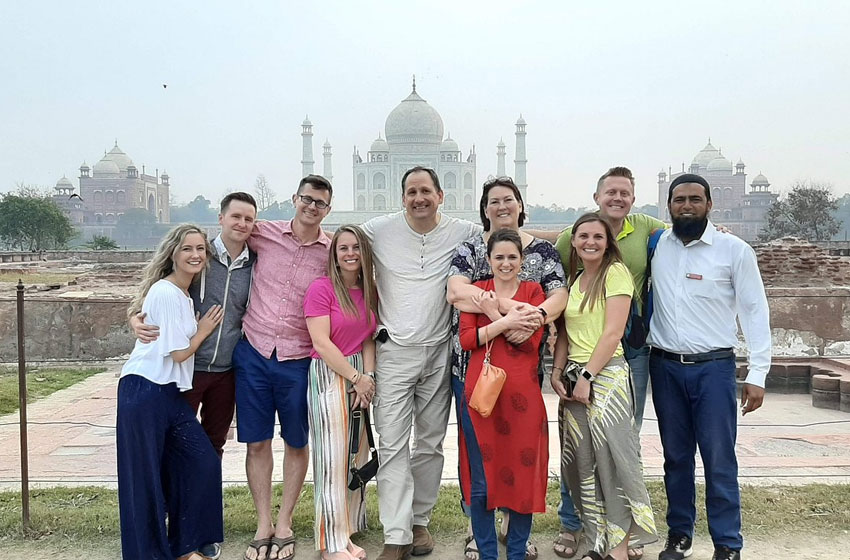
There is a particular moment that happens at the Taj Mahal usually around fifteen minutes into the visit, once the initial awe has settled when travellers start asking questions. Not polite questions, but real ones. Who actually built this? How long did it take? What do those inscriptions say? What happened to the craftsmen after it was finished?
Those questions deserve real answers. And the quality of those answers depends entirely on who is standing next to you when you ask them.
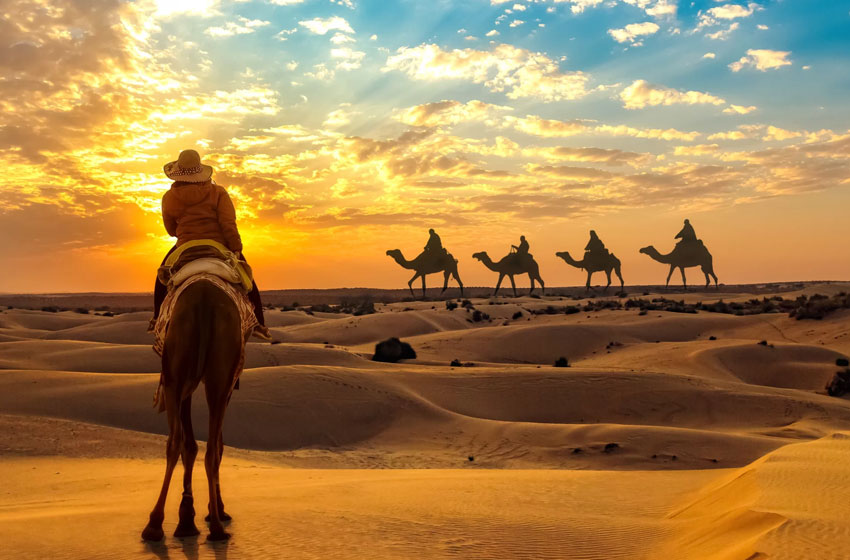
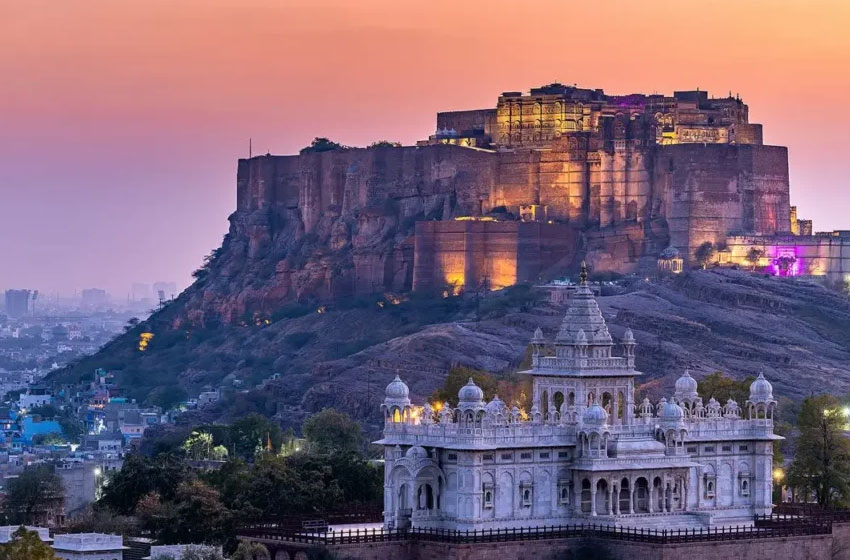
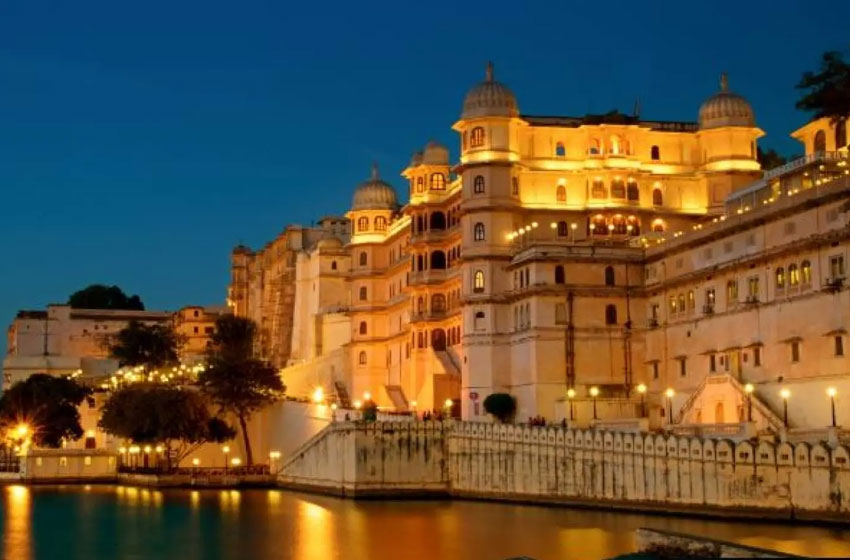
Many Arabic-speaking travellers prefer a personalised travel experience where they can understand India's history, traditions, and local lifestyle with greater clarity. A professional guide in Agra helps visitors explore not only the famous monuments but also the cultural details behind Mughal architecture, traditional handicrafts, local markets, and the stories that make the city unique. For guests planning their journey from the capital, understanding how far is Taj Mahal from Delhi helps in creating a comfortable itinerary, especially when arranging a private transfer with flexible timings. A knowledgeable travel expert can suggest the best departure time, ideal sightseeing schedule, and convenient stops along the route to make the journey more enjoyable. Travellers who wish to explore beyond Agra often choose a dedicated driver for Rajasthan tour, allowing them to discover destinations like Jaipur, Udaipur, and Jodhpur with complete comfort and freedom dealing in great detail about the Mughal architecture presence in its heritage monuments. This option is particularly beneficial for families and international visitors who prefer a relaxed pace without the limitations of fixed group tours. Combining expert guidance, private transportation, and customised planning creates a true luxury India private tour experience where every part of the journey is designed around the traveller's interests. From heritage sightseeing to local experiences and hidden cultural gems, such personalised arrangements allow visitors to enjoy India in a more authentic, comfortable, and memorable way.
For travellers from Saudi Arabia, the UAE, Qatar, Kuwait, Oman, Bahrain, and across the Arabic-speaking world, having a guide who speaks fluent Arabic transforms an Agra visit from a sightseeing exercise into something far more personal. The Taj Mahal is not simply a beautiful building it is a monument built within an Islamic tradition of architecture, scholarship, and devotion. When its history is explained in Arabic, with the right cultural context and the right references, the experience lands differently.
That is exactly what our licensed Arabic speaking guides in Agra are trained to deliver.
Agra's Mughal monuments carry a deep resonance for visitors from the Arab world and this is not a coincidence.
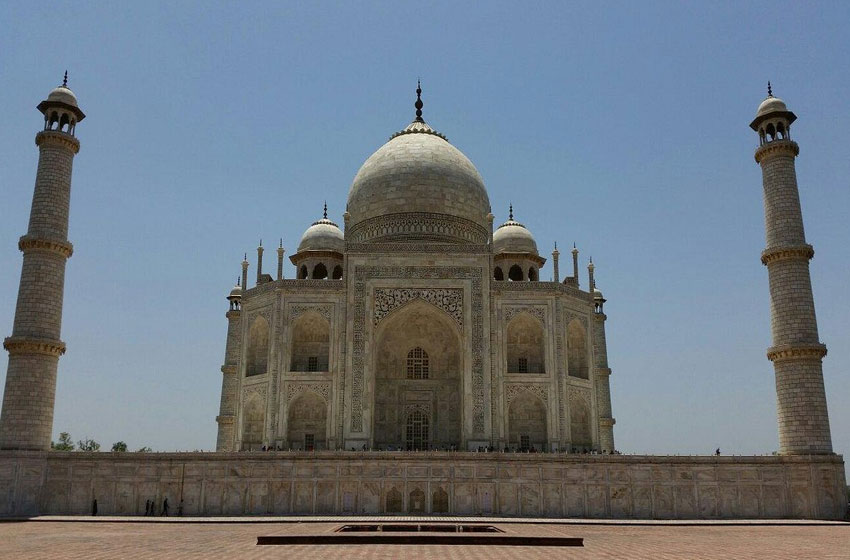
The Mughal Empire maintained active cultural and diplomatic ties with Persia, Central Asia, and the broader Islamic world throughout its peak. The calligraphy panels running along the Taj Mahal's entrance archways are verses from the Quran, selected and arranged by the Persian calligrapher Amanat Khan, who signed his work on the monument itself one of the only craftsmen to do so. The geometric patterns, the garden layout inspired by the Islamic concept of paradise, the white marble chosen over red sandstone specifically for its spiritual purity these are design decisions that speak to a shared cultural and religious tradition.
An experienced Arabic speaking guide at the Taj Mahal points these things out not as a tourist briefing, but as a genuine conversation between someone who knows the monument intimately and a visitor who understands the cultural references being made. That conversation is simply not possible through a general English-language audio guide or a rushed group tour.
The word "guide" can mean many things. At Agra's most visited monuments, unofficial guides approach visitors at the gate offering services that often end at shopping commissions and rushed explanations. That is not what we arrange.
Our Arabic speaking guides are licensed by the Government of India Tourism Department. That licensing requires formal training in Mughal history, monument regulations, visitor management, and professional conduct. It also means they are the only category of guide permitted to accompany visitors into the inner chambers of protected monuments like the Taj Mahal and Agra Fort.
In practical terms, here is what your guide handles from the moment you arrive:
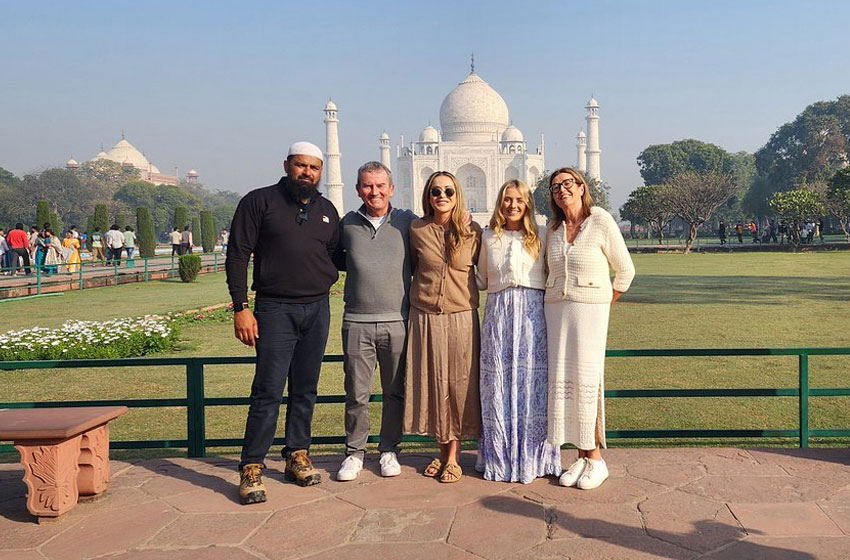
He meets you at the designated entry point, manages the ticketing process, and navigates the security procedures which can be confusing for first-time visitors, particularly around what items are permitted inside. He sets the pace of the visit based on your group's preferences, whether that means moving slowly through each section with extended explanations or keeping things efficient for travellers with tight schedules.
Inside the monuments, he provides historical context in fluent Arabic covering the architecture, the human stories behind the construction, and the political history of the Mughal period in a way that connects with a Middle Eastern audience specifically. He knows which corners of the Taj Mahal complex offer the best photographs, which viewing angles most visitors miss, and when to give you quiet time simply to take the place in without commentary.
He also acts as your cultural buffer handling interactions with vendors, managing requests from other tourists for photos, and ensuring the visit stays focused and unhurried.
Most visitors know the basic outline Emperor Shah Jahan built the Taj Mahal as a tomb for his wife Mumtaz Mahal, who died in 1631 during the birth of their fourteenth child. What most visitors do not know is the extent of what Shah Jahan did in the years following her death. He reportedly stopped eating properly, stopped attending court, and according to contemporary accounts, his hair turned grey within weeks of her passing.
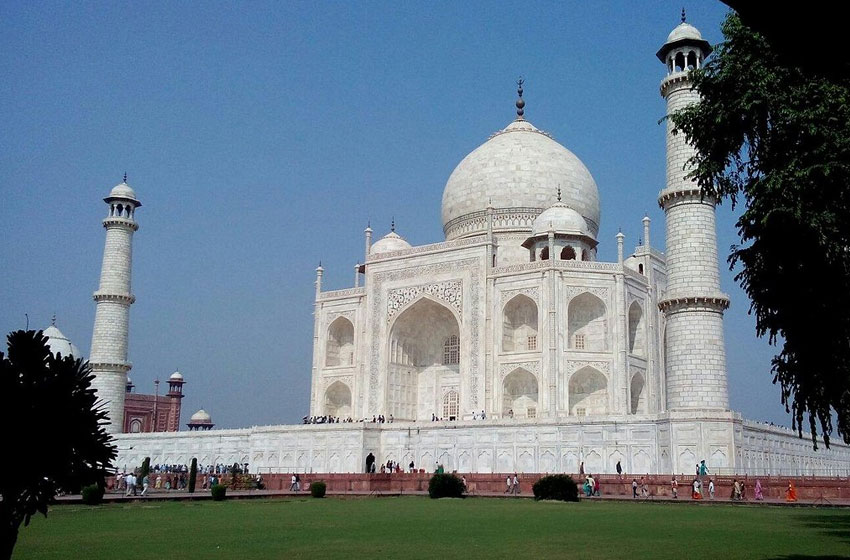
The Taj Mahal was not simply a royal commission. It was grief expressed through architecture on a scale that took over twenty years, an estimated twenty thousand workers, and materials sourced from across Asia turquoise from Tibet, jade from China, lapis lazuli from Afghanistan, and the white Makrana marble from Rajasthan that gives the monument its famous luminosity.
For Arabic-speaking visitors, the calligraphy panels on the Taj Mahal are among the most moving elements of the visit. The inscriptions are not decorative additions they were chosen deliberately, with specific Quranic verses selected to frame the entrance, line the interior of the mausoleum, and mark the cenotaphs of Shah Jahan and Mumtaz Mahal.
Your Arabic speaking guide reads and explains these inscriptions in Arabic, which changes the experience entirely. Rather than admiring the calligraphy as a visual art form, you understand what is actually written there and why those particular verses were chosen.
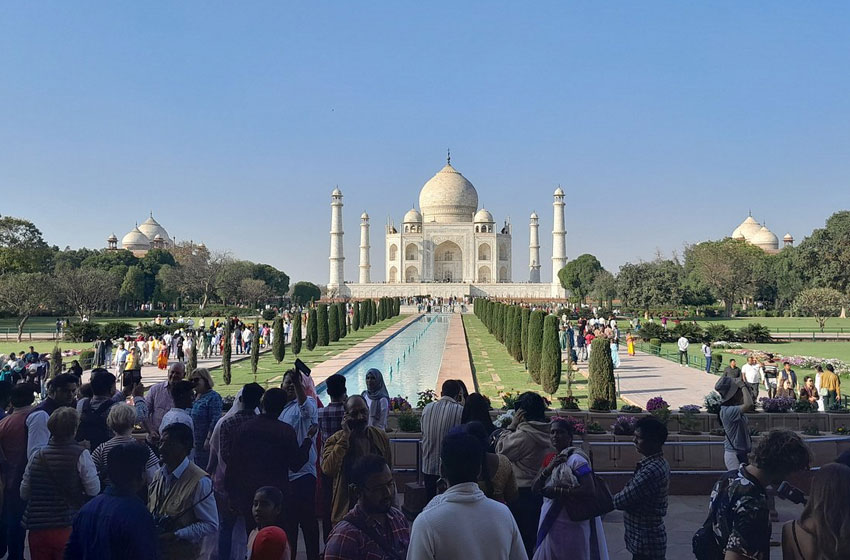
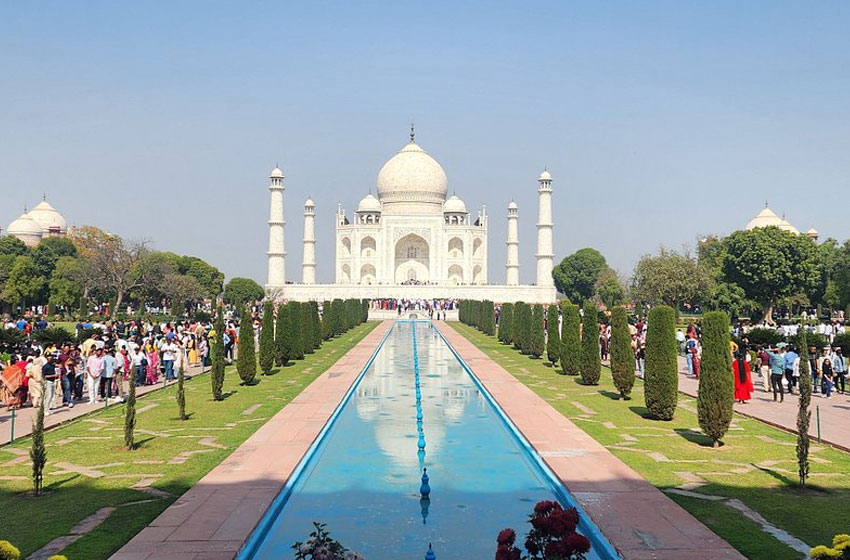
The Taj Mahal complex is not designed to be walked through randomly. The Charbagh garden divided into four equal sections by water channels follows the Islamic garden tradition representing the four rivers of paradise described in the Quran. The symmetry of the entire complex, including the deliberate placement of the mosque and guest house on either side to balance the structure visually, reflects a carefully considered architectural philosophy rooted in Islamic design principles.
A guided visit explains why the monument looks and feels the way it does, rather than leaving that architecture to speak entirely for itself.
Many visitors treat Agra Fort as an afterthought to the Taj Mahal. Those who visit it properly usually say it was the more historically interesting of the two.
Agra Fort served as the administrative centre of the Mughal Empire for over a century. It was expanded significantly under Emperor Akbar, refined under Jahangir, and reached its architectural peak under Shah Jahan. The red sandstone exterior gives the Fort a very different visual language to the white marble of the Taj more austere, more militarily imposing, and in some ways more honest about what it actually was: the seat of one of the most powerful empires in history.
What makes Agra Fort particularly poignant for visitors who have come from the Taj Mahal is the tower from which Shah Jahan spent the final years of his life imprisoned by his own son, Emperor Aurangzeb. From that tower, he could see the Taj Mahal in the distance across the Yamuna River the tomb he had built for Mumtaz Mahal, where he himself would eventually be buried beside her. Your Arabic speaking guide tells this story standing at that exact viewpoint, and it stays with visitors long after they leave.
About forty kilometres from Agra, Fatehpur Sikri is one of the most unusual monuments in India a complete Mughal imperial capital, built over fifteen years under Emperor Akbar, and then largely abandoned within a generation. The reasons for its abandonment are still debated by historians, though water supply problems and shifting military priorities are the most commonly cited explanations.
What makes Fatehpur Sikri particularly interesting for Arabic-speaking visitors is Emperor Akbar's approach to governance and religion. Akbar famously held discussions at his court between scholars from Islam, Hinduism, Christianity, Zoroastrianism, and Jainism a form of intellectual pluralism that was genuinely radical for the sixteenth century. The Buland Darwaza, or Gate of Victory, built to commemorate Akbar's conquest of Gujarat, is one of the largest gateways in the world and bears inscriptions that reflect this inclusive philosophy.
Your guide explains Fatehpur Sikri in a way that places it within the broader context of Islamic governance and Mughal political thought a perspective that brings the ruins to life.
Private Arabic speaking guide services in Agra are available for the following arrangements:
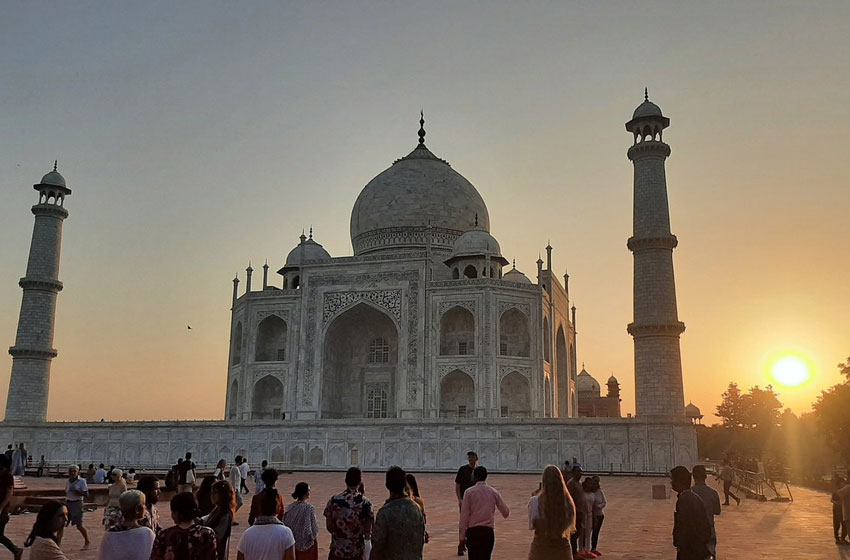
A sunrise Taj Mahal visit, which begins before the gates open and offers the best light and the smallest crowds of the day. A full day Agra tour covering the Taj Mahal, Agra Fort, and optionally Mehtab Bagh the garden across the Yamuna River that offers an unobstructed rear view of the Taj. A same day Agra tour from Delhi, coordinated with private car pickup and return the same evening. An extended tour including Fatehpur Sikri, recommended for visitors staying at least one night in Agra.
Families travelling from the Gulf with children who would benefit from explanations in Arabic. Couples on honeymoon who want a private, unhurried experience without group dynamics. Senior travellers who prefer a slower pace and a guide who can communicate clearly and patiently. First-time visitors to India who want the confidence of a local expert who understands their cultural background.
We do not work on commission with any shops or vendors. Your guide's sole responsibility is your experience at the monuments. Guide charges are confirmed clearly before the tour begins, and there are no surprise additions at the end of the day.
Getting in touch is straightforward. You can reach our guide services coordinator by phone or WhatsApp at +91-9058900786, or send an email to info@indiaagratours.com with your travel dates, group size, and the monuments you want to visit.
We confirm guide availability, share all pricing in advance, and arrange everything around your existing travel schedule. Most bookings from Arabic-speaking countries come through WhatsApp, which we monitor throughout the day.
Agra rewards visitors who take the time to understand it properly.
Any query? Write us mail.
info@indiaagratours.com
Guide Services Coordinator
+91-9058900786
Chat to Experts
WhatsApp: +91-9058900786
An Arabic speaking tour guide in Agra is a licensed local guide who provides monument explanations and sightseeing support in fluent Arabic.
Yes, we arrange only licensed Arabic speaking tour guides in Agra approved by the Tourism Department.
Yes, Arabic speaking Taj Mahal tour guide services are available separately.
Yes, a private Arabic speaking tour guide in Agra offers personalized attention and flexible timing.
Yes, our Arabic speaking tour guide in Agra covers all major monuments.
Yes, guides adjust pace and routes according to traveler comfort.
Yes, same day Agra Arabic speaking tour guide services are available.
No, Arabic speaking tour guide charges in Agra are shared clearly in advance.
Yes, first-time visitors benefit greatly from an Arabic speaking guide in Agra.
Yes, guides assist with entry timing and procedures.
Yes, families frequently book Arabic speaking tour guide services in Agra.
You can call or WhatsApp +91 90589 00786 to arrange the service.