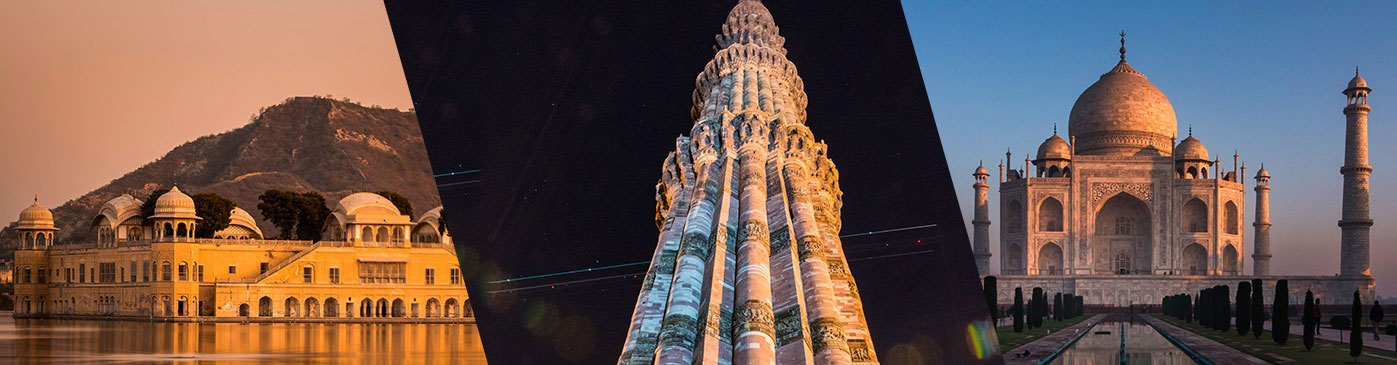
Durations : - 09 Nights / 10 Days
Place Covered : - Delhi - Agra - Rishikesh - Varanasi - Delhi
This ten day private tour follows the religious life of north India along the Ganga, from the yoga ashrams of Rishikesh to the cremation ghats of Varanasi. It starts in Delhi and Agra, so you also see the Taj Mahal at sunrise, and it moves between stops by fast train and short domestic flights instead of long road journeys. The drive from Delhi to Agra on the second day is the longest time you spend in a car on the whole trip.
In Rishikesh you stay three nights at Ananda in the Himalayas, a spa resort on an old royal estate in the hills, with daily yoga classes and an Ayurveda consultation. From there you watch the evening aarti at Parmarth Niketan in Rishikesh and at Har ki Pauri in Haridwar, and visit the ashram where the Beatles stayed in 1968. Varanasi also gets three nights, enough to see the river at dawn and at dusk from a private boat, visit Sarnath and meet a family of silk weavers.
The trip suits travellers interested in faith, ritual and daily life in India, whatever their own beliefs, and those who want some rest built into their holiday. Nobody is asked to take part in any ceremony, and your guides explain what you are seeing without preaching. The best months are October to March. Rishikesh is also pleasant in March and April, but Varanasi becomes very hot from April onwards. Every departure is private, and the hotels, dates and pace can be adjusted to suit you.
A representative waits for you in the arrivals hall of Indira Gandhi International Airport with a sign showing your name, and takes you to your hotel. The drive into central Delhi takes 40 minutes to an hour depending on the time of day. If your flight lands before dawn, we recommend booking an early check-in so your room is ready when you arrive. There is no sightseeing today. Drink plenty of water, stay out of the midday sun and give your body time to adjust to the time change.
Late in the afternoon your tour manager visits the hotel to go through the plan for the next ten days. This trip moves between very different places: Mughal Agra, the yoga town of Rishikesh in the Himalayan foothills and the river city of Varanasi. Your manager will explain what to wear at temples, how the internal flights work and which mornings start early. If you feel like a walk, Lodhi Garden is a short drive away and fills with local joggers and families in the hour before sunset.
Overnight: Delhi
Begin with a morning visit to Gurudwara Bangla Sahib, the main Sikh place of worship in central Delhi. Cover your head with a scarf, which the gurudwara lends free of charge, leave your shoes at the counter and walk around the large holy tank. Volunteers in the community kitchen cook lentils and chapatis for thousands of people every day, and anyone, of any faith, can sit on the floor and eat. Your guide explains the Sikh idea of seva, service given without pay, which keeps the whole kitchen running.
Leave Delhi by late morning for the drive to Agra on the Yamuna Expressway, about three and a half to four hours with a stop for lunch on the way. After check-in, rest for an hour, then drive to Mehtab Bagh, a Mughal garden on the opposite bank of the Yamuna. From here you see the Taj Mahal across the water with no crowds in front of you. The garden lies on the same line as the tomb, and the light is best in the half hour before sunset.
Overnight: Agra
Enter the Taj Mahal at first light, when the marble looks pale grey and then turns soft pink as the sun comes up. Your guide explains how Shah Jahan built the tomb for his wife Mumtaz Mahal after her death in 1631, and why the two graves you see in the main hall are only memorials, with the real graves in a crypt below. Breakfast is waiting at the hotel when you get back. The Taj Mahal is closed on Fridays, so your dates are set so that this morning never falls on a Friday.
Visit Agra Fort, where the Mughal court lived when it was based in Agra, then board the Gatimaan Express back to Delhi, a ride of about 100 minutes. From Delhi airport you take the short flight to Jolly Grant Airport near Dehradun, about an hour in the air. Your driver for Uttarakhand meets you there for the drive of about an hour into the hills above Rishikesh. The Gatimaan leaves Agra in the evening, so you reach the hotel late at night, ready to sleep in.
Overnight: Rishikesh
Ananda in the Himalayas stands on the estate of the former Maharaja of Tehri Garhwal, with views down to Rishikesh and the Ganga valley. The day starts with a yoga class on an open terrace, followed by breakfast. Later in the morning the resort's Ayurveda doctor sees you for a consultation, checks your pulse and asks about sleep, diet and digestion, then suggests suitable treatments. A common first choice is abhyanga, a full body oil massage done by two therapists working in step. The rest of the morning is free.
In the afternoon drive down to Rishikesh, about 45 minutes, and cross the Ganga on the Ram Jhula footbridge to Parmarth Niketan, one of the largest ashrams in town. The evening aarti starts around sunset on the ashram's riverside ghat. Young students in saffron robes sing, priests swing heavy brass lamps in circles and the crowd joins in the hymns. Sit on the steps near the front if you can. Rishikesh is a vegetarian town and alcohol is not sold there, so do not expect a bar near the river.
Overnight: Rishikesh
After morning yoga, drive into Rishikesh to visit the former ashram of Maharishi Mahesh Yogi, where the Beatles stayed in early 1968 and wrote many of the songs that later appeared on the White Album. The site lies inside Rajaji National Park and was left empty for decades before it reopened to visitors in 2015. Walk among the stone meditation huts, the roofless lecture hall and walls covered in murals painted by visitors. The forest has grown over parts of the site, and it is usually quiet in the morning.
In the afternoon drive about an hour south to Haridwar, where the Ganga leaves the hills and flows out onto the plains. Your guide takes you through the lanes of the old town to Har ki Pauri, the ghat where, according to tradition, a drop of the nectar of immortality fell to earth. The evening aarti here is louder and more crowded than in Rishikesh. Thousands of pilgrims set small leaf boats of flowers and a burning wick on the fast water. Keep valuables close and stay near your guide.
Overnight: Rishikesh
The morning is free for a last yoga session, a final spa treatment or a walk on the estate's trails, where you may see langur monkeys in the trees. Before you leave, ask the Ayurveda doctor for a few simple routines and diet notes you can follow at home. After an early lunch, drive about an hour to Jolly Grant Airport for the flight to Varanasi. On some days there is a direct flight, and on others the route connects through Delhi. Your Varanasi guide meets you on arrival.
The drive from Varanasi airport into the city takes about an hour, and the last stretch near the river is slow because of narrow streets and heavy traffic. Your hotel is either on the ghats themselves or in a garden palace a short drive away. Rest for the remainder of the afternoon. If you arrive in time, walk with your guide to a ghat near the hotel and watch the river at dusk, when families come down to bathe, wash clothes and light small lamps. The full Varanasi programme starts tomorrow.
Overnight: Varanasi
Meet your guide in the hotel lobby before sunrise and walk down to the river, where a private rowing boat is waiting. As the sun rises over the flat sandbank on the eastern shore, the boat moves slowly past the more than 80 ghats lining the western bank. You see pilgrims bathing, priests under bamboo umbrellas, wrestlers training and washermen beating cloth on stones. At Manikarnika Ghat cremation fires burn day and night. Photographs of the cremations are not allowed, and your guide explains why Hindus believe that dying here brings release.
After the boat, walk up into the old city for a street food stop of kachori with spiced potato curry and hot jalebi, then return to the hotel. Later visit Kashi Vishwanath Temple, one of the most important Shiva temples in India, through the wide new corridor that now links it to the river. Phones, cameras and bags must be left in lockers outside. In the evening your private boat takes you out to watch the Ganga aarti at Dashashwamedh Ghat from the water, away from the crowds on the steps.
Overnight: Varanasi
Drive about 10 km north to Sarnath, the deer park where the Buddha came after his enlightenment at Bodh Gaya and taught his first five disciples. Walk around the Dhamek Stupa, a solid brick and stone tower about 43 metres high, and the ruins of monasteries that were in use here for over a thousand years. The site museum holds the lion capital of Ashoka's pillar, which India adopted as its national emblem. The museum is closed on Fridays, so your guide plans the day around it. Monks from Sri Lanka, Thailand and Tibet pray at the temples nearby.
In the afternoon visit a family of Banarasi silk weavers in one of the old weaving quarters of the city. Many still work on handlooms set over a pit in the floor, with strings of punched cards above the loom guiding the pattern. A wedding sari woven with gold thread can take several weeks to finish. There is no pressure to buy, but the family can show you finished pieces. End the day with a short walk to a lassi shop near the ghats, where the thick yoghurt drink is served in clay cups.
Overnight: Varanasi
Take the morning flight from Varanasi to Delhi, about an hour and a half. Your car and guide meet you at the airport and take you to Humayun's Tomb, the red sandstone and marble mausoleum whose garden plan the Taj Mahal later followed. It is listed by UNESCO and is usually calm in the early afternoon. Walk through the gardens, divided into four parts by water channels, and look at how the builders combined red sandstone and white marble, a mix that Agra later refined.
Across the road is Nizamuddin Basti, an old neighbourhood built around the shrine of the Sufi saint Nizamuddin Auliya, who died in 1325. Walk through its narrow lane past stalls selling rose petals and prayer caps. On most evenings, and especially on Thursdays, qawwali singers perform in the courtyard after sunset prayers. Women may be asked to stay outside the inner tomb, and everyone should cover their head. Return to the hotel afterwards for a final dinner of your choice in one of its restaurants.
Overnight: Delhi
Your last day is free until it is time to leave for the airport. If your flight is late, there is time for one short visit, such as the Lotus Temple, a Baha'i house of worship open to people of all faiths, or the shops of Khan Market for tea, books and clothing. The Lotus Temple is closed on Mondays. Hotel check-out is usually at noon, and a late check-out can be requested in advance if your flight leaves at night.
Your driver collects you from the hotel about three and a half hours before an international departure, which leaves time for Delhi traffic and the security queues at Indira Gandhi International Airport. Keep your passport, printed e-visa and onward ticket in your hand luggage, and have a few small rupee notes ready for porters. Your tour manager stays in touch through the day, and you can call at any time if your plans change or a flight is delayed.
Any query? Write us mail.
info@indiaagratours.com
Guide Services Coordinator
+91-9058900786
Chat to Experts
WhatsApp: 919058900786
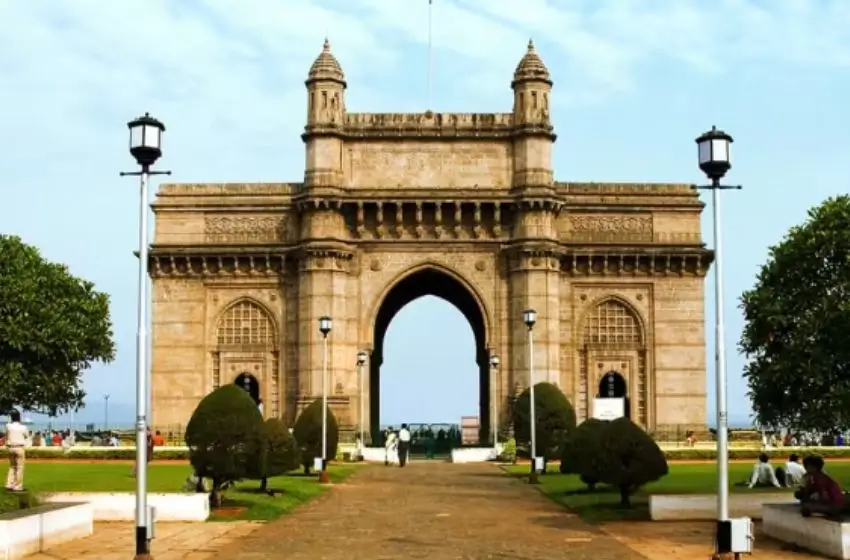
Mumbai - Udaipur - Jodhpur - Jaipur
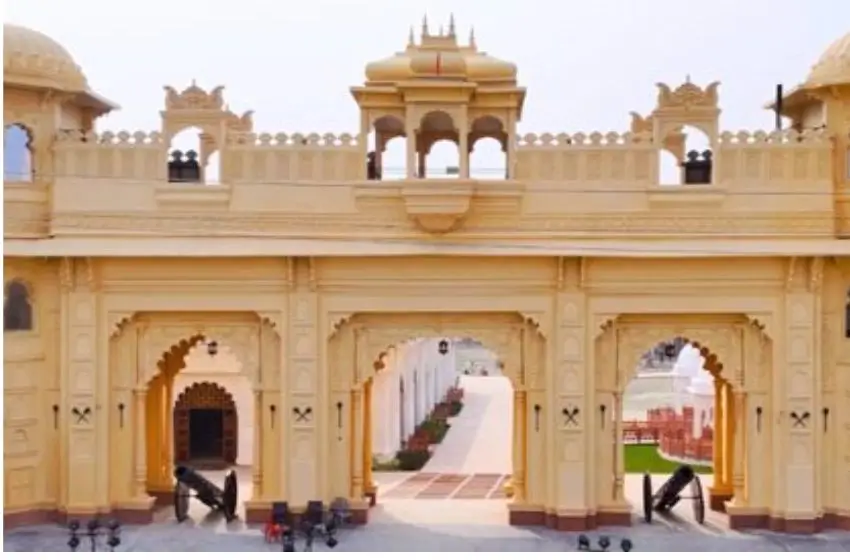
Delhi - Varanasi - Agra - Jaipur - Mumbai
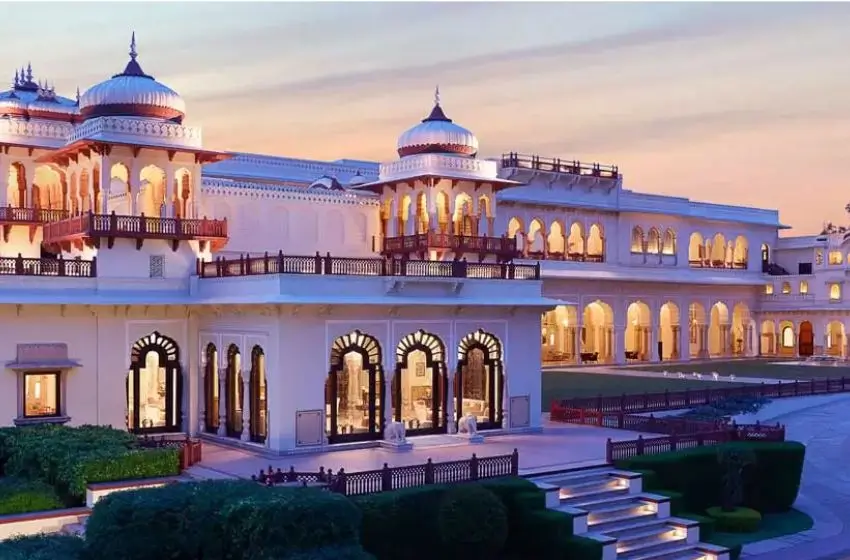
Mumbai - Hyderabad - Udaipur - Jodhpur - Jaipur - Agra - Delhi
Delhi - Agra - Ranthambore - Jaipur - Bikaner - Jodhpur - Udaipur - Mumbai
Delhi - Agra - Amritsar - Dharamshala - Shimla - Delhi
